REVIEW · PRAGUE
WWII and Communism History in Prague’s Old Town Private Tour
Book on GetYourGuide →Operated by Rosotravel - Czech · Bookable on GetYourGuide
History in Prague has a way of sticking to your shoes. This private tour strings together the German occupation, Prague’s 1945 uprising, the communist era, and the 1989 Velvet Revolution, using real locations in and around the Old Town. I like that it connects big events to specific places, from synagogues in Josefov to the square where crowds demanded change. I also like the way the history expert guide keeps it human, with personalities, victims, and resistance stories you can follow without needing a degree in European politics.
One thing to consider: the subject matter is heavy at times, including deportations, torture, propaganda, and political trials. If you prefer light sightseeing only, you might want to take breaks and pace yourself, especially on the longer 4-hour option with the Museum of Communism.
In This Review
- Why this tour works so well
- WWII and Communism in Prague’s Old Town: what you’re really seeing
- Starting point near Franz Kafka: getting your bearings fast
- Josefov synagogues and the deportation story you can’t ignore
- Old Town Square and the Prague Uprising: the Astronomical Clock after the fighting
- Petschek Palace and the Gestapo: resistance marked in stone
- Wenceslas Square: from Nazi demos to the 1989 Velvet Revolution
- The 4-hour option: Museum of Communism adds the missing thread
- Price and value: what $104 buys you in real terms
- Who this tour fits best
- A few tips to make the day easier
- Should you book this Prague WWII and Communism tour?
- FAQ
- How long is the tour?
- Where does the tour start?
- Is the Museum of Communism included?
- What topics does the tour cover?
- What key locations do you visit?
- Is it a private tour?
- What languages are available?
- Is the tour wheelchair accessible?
- What is the cancellation policy?
Why this tour works so well
- Josefov first: You start in one of Europe’s best-preserved Jewish quarters, with the Maisel and Spanish Synagogues in view.
- Occupation turned real: The route shows how the Nazi occupation shaped daily life and public space.
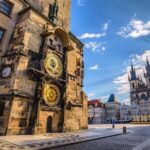
- Prague’s 1945 fighting is tied to the Old Town Square: Even the Astronomical Clock’s battle damage becomes part of the story.
- Gestapo headquarters at Petschek Palace: A memorial plaque marks the Czech resistance efforts tied to interrogations and torture.
- Velvet Revolution at Wenceslas Square: Nazi-era mass demonstrations and 1989 crowds are placed side by side.
- Optional Museum of Communism: For the full arc, you’ll cover Cold War tensions, Prague Spring, Soviet invasion in 1968, Jan Palach’s death, and the fall of communism.
WWII and Communism in Prague’s Old Town: what you’re really seeing

Prague’s Old Town is not just pretty postcards. It’s a city where power changed hands over and over, and the buildings still remember. This tour is built around that idea. You’ll move through a tight walking route where each stop adds a new layer: Nazi occupation, the resistance, then the communist takeover and finally the Velvet Revolution.
What makes it especially useful is that you’re not just learning dates. You’re learning how Prague was used, controlled, and later reinterpreted by different regimes. That means you’ll look at well-known landmarks with different eyes, and you’ll understand why certain places carry memorial plaques, why certain squares matter, and why public life under communism felt so controlled.
It’s a private group, so the pace stays comfortable. You can ask questions without the tour turning into a race. And if you’re traveling with a partner, this format often feels more like a conversation with a careful instructor than a scripted march.
You can also read our reviews of more private tours in Prague
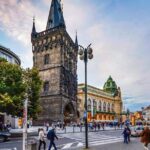

Starting point near Franz Kafka: getting your bearings fast
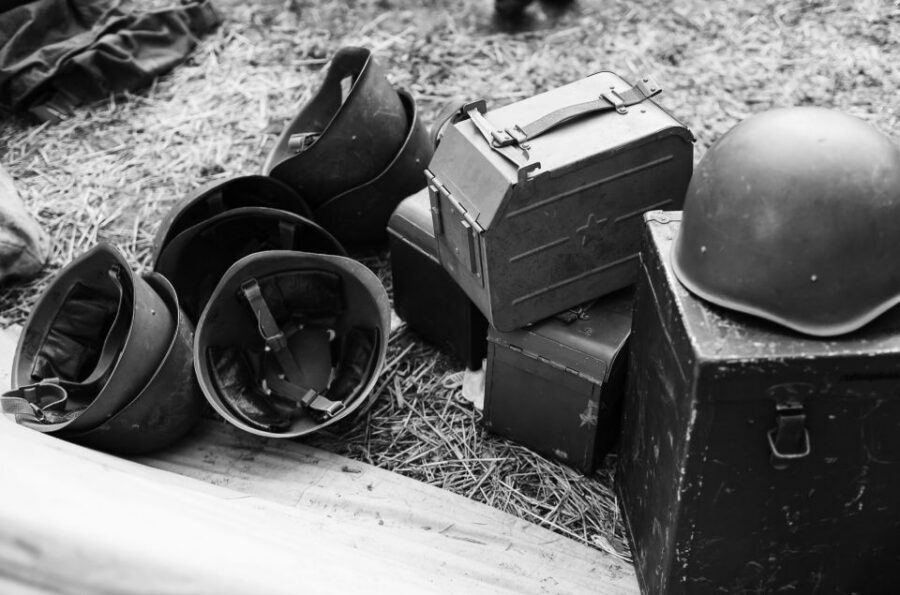
The tour meets in front of the World of Franz Kafka at Nám. Franze Kafky 16/1, in Staré Město. That’s a smart spot for two reasons. First, it puts you right in the old-city zone where the history all connects. Second, it gives you a natural transition between Prague’s literary fame and the very political reality that the 20th century brought to Czech life.
Your guide is a history expert fluent in your chosen language (English, French, German, Italian, Polish, Russian, Spanish, or Czech). That matters here because this is not a “quick facts only” subject. You’ll want someone who can answer follow-ups and explain context without getting lost in jargon.
Josefov synagogues and the deportation story you can’t ignore
The walk begins in Josefov, one of the best-preserved Jewish ghettos in Europe. Even before you start the deeper timeline, you’re seeing how space can be structured for control. This is the kind of start that sets the tone: you’re entering a place where history isn’t abstract.
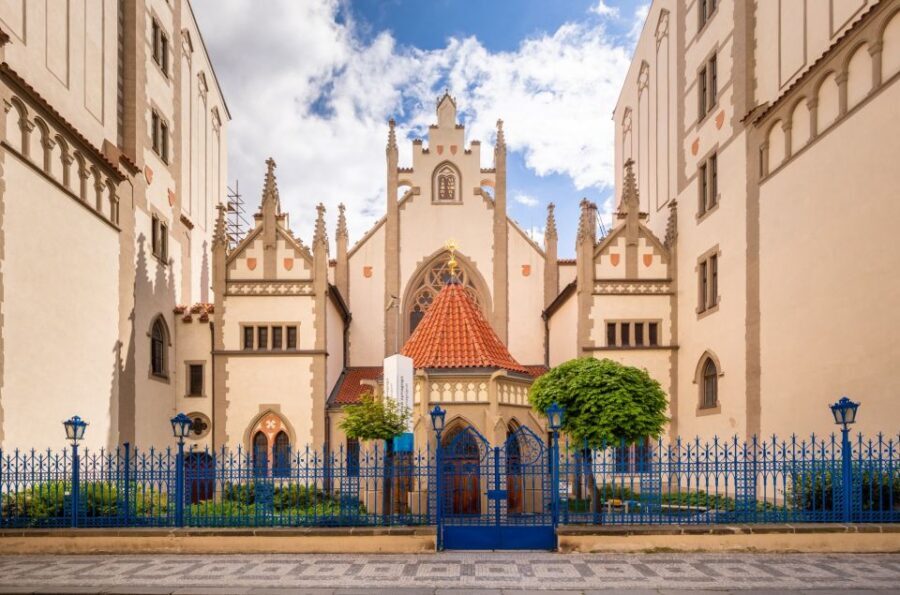
You’ll pass key synagogues, including the Maisel Synagogue and the Spanish Synagogue. The guide uses those landmarks as reference points, but the real focus is the human story behind the Nazi persecution. You’ll hear about the horrors of deporting Czech Jews to the Theresienstadt concentration camp, and about Hitler’s plan for a so-called museum of the extinct race.
That part is unsettling, but it’s also clarifying. It shows how Nazi ideology wasn’t only about killing. It was also about shaping reality, using propaganda and theater to pretend the system was logical. Once you understand that, later stops in the tour make more sense. You’ll start seeing how mass messaging and political power were connected from the start.
Practical tip: Josefov includes standing and walking in historic streets. If you’re doing the 4-hour option too, think about wearing comfortable shoes. You’ll be on your feet for most of the experience.
Old Town Square and the Prague Uprising: the Astronomical Clock after the fighting

After Josefov, the tour shifts to the Old Town core. You’ll head toward Old Town Square and learn about the Prague Uprising, tied closely to the city’s wartime liberation story.
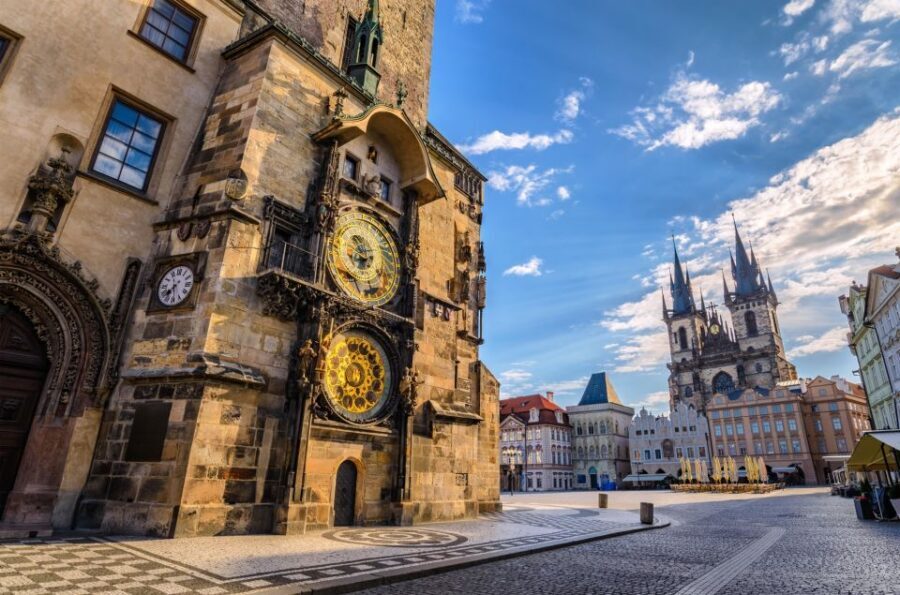
The iconic Astronomical Clock sits on the Old Town Hall facade, and here you’re not seeing it as a photo spot. You’re seeing it as a building caught up in the violence. The guide covers how it suffered heavy damage during the bloody battles from May 5–9, 1945.
That detail does more than add drama. It helps you understand why liberation wasn’t neat and clean. It was chaos, close fighting, and a city paying the price for survival.
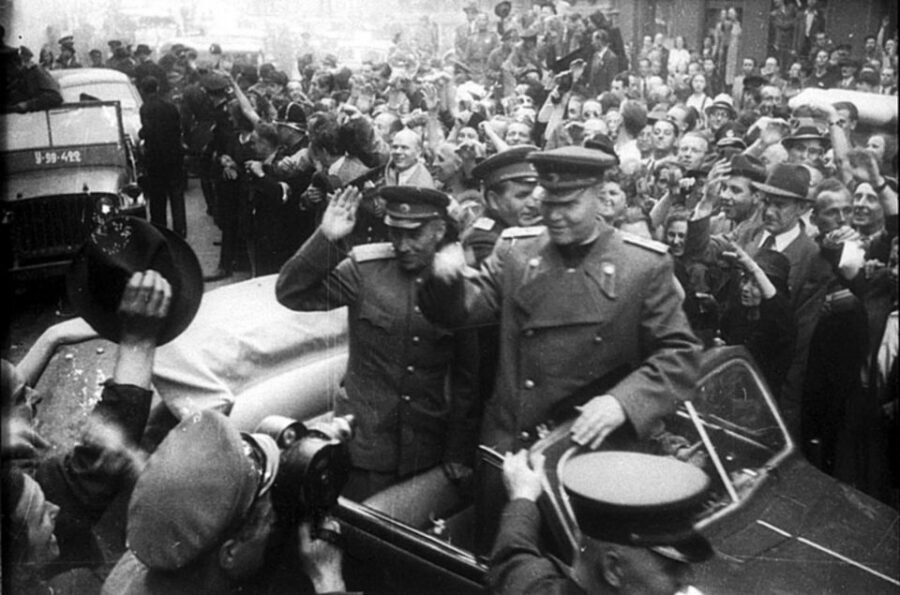
This is also where the tour connects the Red Army’s role in liberating Prague with what happened afterward. The point is uncomfortable: communist leaders later used that narrative to build support for the communist project. The takeaway is important for you as a visitor. In Czech history, liberation can be both real and politically exploited. You’ll come away thinking more carefully about what different sides claimed and why.
Petschek Palace and the Gestapo: resistance marked in stone
Next comes a very tangible location: Petschek Palace, the former seat of the Gestapo headquarters. Seeing this kind of building during a normal city walk hits differently. It’s not a museum display. It’s architecture that once backed surveillance and terror.
You’ll stop near a memorial plaque dedicated to Czech resistance. The guide explains the resistance efforts, including interrogations and torture. That’s not just scary storytelling. It’s part of how the tour teaches you to connect “resistance” to real consequences, and to understand that courage often meant extreme danger.
This stop is also a reality check. Nazi occupation and later communist rule both relied on fear and control, even though the uniforms and official slogans changed. When you connect those dots, the whole second half of the tour becomes easier to follow.
You can also read our reviews of more historical tours in Prague



Wenceslas Square: from Nazi demos to the 1989 Velvet Revolution
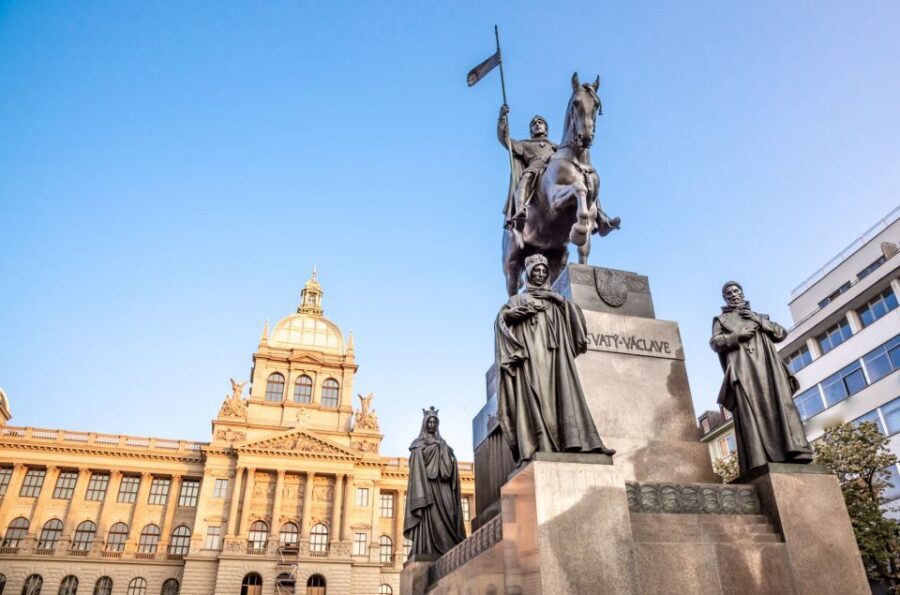
The tour ends at Wenceslas Square, and it ends there for a reason. This space was used by the Nazis for mass demonstrations. Later, the 1989 Velvet Revolution used the same square for crowds demanding change.
That contrast is the point: the square is a stage. Different regimes used it to project power. The difference is what the public demanded in response.
When you stand there with your guide’s framing, you’re not only learning what happened in 1989. You’re seeing how public space can become a political tool again and again, until people reclaim it. It’s a strong end because you leave with a sense of agency, not just loss.
The 4-hour option: Museum of Communism adds the missing thread
Choose the extended 4-hour option and you’ll visit the Museum of Communism. This is the part of the tour that helps you understand what communist rule felt like day to day, not just what it looked like from the outside.
The museum covers roughly four decades of communist rule, including the Cold War, the Prague Spring, the Soviet invasion of 1968, the suicide of student Jan Palach, and the Velvet Revolution. You’ll also hear about propaganda, censorship, political trials, and executions.
This is valuable because the Old Town stops focus on occupation, resistance, and political turning points. The museum fills in the routine machinery of control. It helps you understand why the Velvet Revolution happened when it did, and why ordinary people felt boxed in long before the final protests.
One important practical note: museum tickets are included in the 4-hour option, but not in the 2-hour version. So if you want both the street locations and the deeper museum context, plan for the longer choice.
Price and value: what $104 buys you in real terms
At $104 per person, this tour sits in the higher range for a city walking experience. The value comes from three things:
First, it’s private and guided by a history expert, not a group shuffle. That usually means better pacing and more room for questions.
Second, the scope is tightly focused: WWII events plus the communist era, culminating in the Velvet Revolution. You’re not paying for general sightseeing.
Third, the 4-hour choice includes regular tickets to the Museum of Communism, which can be the hardest part to connect independently. It’s one thing to read about propaganda and trials. It’s another to see the museum explanation in sequence right after your street stops that set up the context.
If you only have two hours, you’ll still get a strong foundation. If you can spare four, the museum option is the better fit for anyone who wants the full story rather than just the highlights.
Who this tour fits best
This tour is ideal if you:
- want a guided, place-based explanation of WWII to communism in Prague
- care about the human impact, including victims and resistance
- prefer a private pace over crowded walking tours
- enjoy history when it’s tied to specific buildings and squares
It’s also a good choice if you like asking questions. The experience is built around a guide who can keep up when you want more context.
Based on past guide feedback, guides like Sofija and Markéta have stood out for their ability to answer difficult questions and add personal, grounded details that make the history feel more real. That kind of storytelling is useful here, because the subject matter is complicated and sometimes emotionally intense.
A few tips to make the day easier
Keep your expectations tuned to the tone. This isn’t a light “history highlights” stroll. It’s a walk through occupation, repression, and political change. I’d treat it like a museum visit in walking form.
If you’re doing the 4-hour version, plan a slower evening afterward. There’s a lot to process: Prague Spring, 1968 invasion, Jan Palach, and the mechanics of propaganda and censorship. Your brain will be working even after you stop walking.
And if you’re sensitive to heavy material, tell your guide. A good private guide will adjust pace and emphasis so you can still get value without feeling overwhelmed.
Should you book this Prague WWII and Communism tour?
Yes, if you want Prague history that connects directly to the city’s layout and public spaces. The combination of Josefov, Old Town Square, Petschek Palace, and Wenceslas Square gives you a full chain of meaning from occupation to revolution.
I’d book the 4-hour option if you feel even slightly curious about how communism shaped daily life through propaganda and censorship, and if you want the Jan Palach and 1968 context explained in one coherent stretch. I’d choose the 2-hour option only if time is tight and you mainly want the street-level WWII and Velvet Revolution arc.
If you’re just looking for architecture and general vibes, you might find the themes intense. But if you’re here to understand how Prague moved from one kind of control to another and then pushed back, this is a strong, efficient way to learn it.
FAQ
How long is the tour?
The tour runs from 2 to 4 hours, depending on the option you choose.
Where does the tour start?
Meet your guide in front of the World of Franz Kafka at Nám. Franze Kafky 16/1, 110 00 Staré Město, Czechia.
Is the Museum of Communism included?
It depends on the option. In the 4-hour option, you visit the Museum of Communism and tickets are included. In the 2-hour option, museum tickets are not included.
What topics does the tour cover?
You’ll learn about German occupation in World War Two, the Operation Anthropoid, the 1945 Uprising, the communist period (including propaganda and censorship), and the Velvet Revolution.
What key locations do you visit?
You’ll see Josefov and its synagogues, monuments related to the Prague Uprising, Petschek Palace (former Gestapo headquarters), and end at Wenceslas Square.
Is it a private tour?
Yes, it’s a private group tour.
What languages are available?
The guide can lead in English, French, German, Italian, Polish, Russian, Spanish, or Czech.
Is the tour wheelchair accessible?
Yes, the tour is wheelchair accessible.
What is the cancellation policy?
Free cancellation is offered up to 24 hours in advance for a full refund.