REVIEW · PRAGUE
Prague: Communism History and Nuclear Bunker Guided Tour
Book on GetYourGuide →Operated by Prague Special Tours · Bookable on GetYourGuide
Prague has a second city underground. On this tour, you’ll go from Prague street-corner politics to a real nuclear bunker 50 feet underground, and I love that you’re not just hearing history—you’re seeing genuine Cold War equipment and expositions. The main consideration: there’s walking and stairs, plus tight underground spaces, so it’s not a fit if you have mobility limits or claustrophobia.
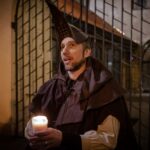
A strong part of the experience is the human layer. Guides such as Stan and Ladislav (among others) talk with a firsthand sense of what communism felt like day to day—spying, fear, and the everyday pressure behind the big political headlines.
You’ll cover a lot in about 150 minutes, including a short guided walk, a tram/transfer to the bunker, and then guided time inside the site and museum. If you want heavy facts with a dose of real-life story and some practical humor from the guide, this is a smart way to spend your time in Prague.
In This Review
- Key Things You’ll Notice on This Prague Communism and Nuclear Bunker Tour
- Prague Street History Sets the Tone Before You Go Underground
- Velvet Revolution to Stalin-Era Symbols: Why the Stops Matter
- The Transfer Moment: You’re Leaving Central Prague for Cold War Reality
- Inside the 1950s Nuclear Bunker: 50 Feet Down, Built for Thousands
- Cold War Expositions and Artifacts: What You Learn Without Feeling Like It’s a Theme Park
- The Gasmask Workshop: A Hands-On Moment with Real Purpose
- Ending Back in Prague: New Town, Malé Náměstí, and the After-Feeling
- Price and Value: Why $44 Can Make Sense for What You’re Getting
- Who This Tour Is Best For (and Who Should Skip It)
- Should You Book This Prague Communism and Nuclear Bunker Tour?
- FAQ
- How long is the Prague Communism History and Nuclear Bunker Guided Tour?
- How much does the tour cost?
- What language is the guide available in?
- What do I do inside the nuclear bunker?
- Is there a gasmask workshop?
- How deep is the bunker?
- Is the tour wheelchair accessible?
- Are photos and video recording allowed?
- Is there a toilet at the meeting point?
Key Things You’ll Notice on This Prague Communism and Nuclear Bunker Tour
- A real 1950s bunker, 50 feet underground, built to shelter up to 5,000 people
- Cold War expositions with genuine equipment, not just photos and postcards
- A gasmask workshop tied directly to the bunker’s purpose and era
- Context before you go underground, including communist-era power symbols and secret police history
- Guides with personal memories, including names like Stan and Ladislav in different runs
- Photos allowed, but no video recording, which keeps the focus on the walk-through
Prague Street History Sets the Tone Before You Go Underground
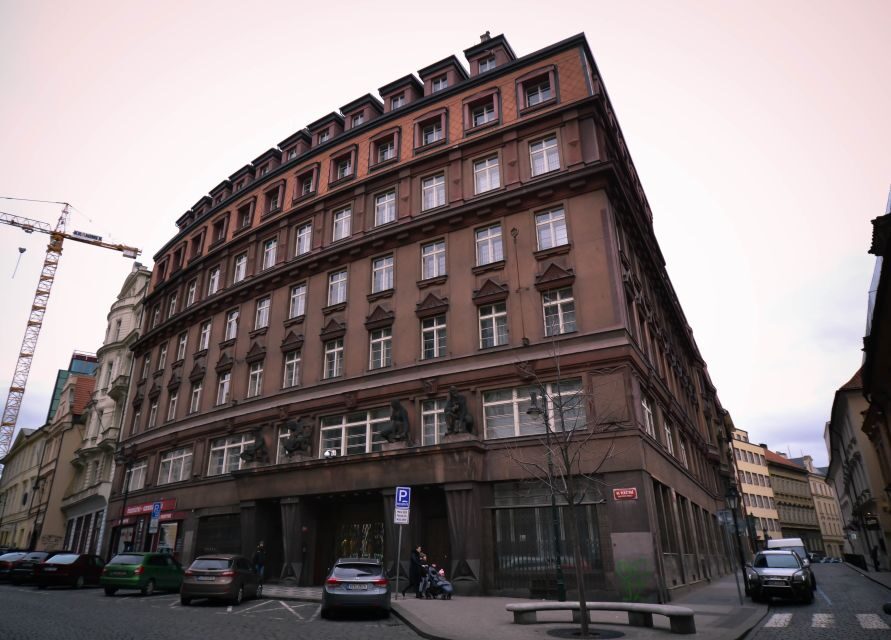
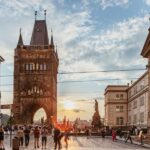
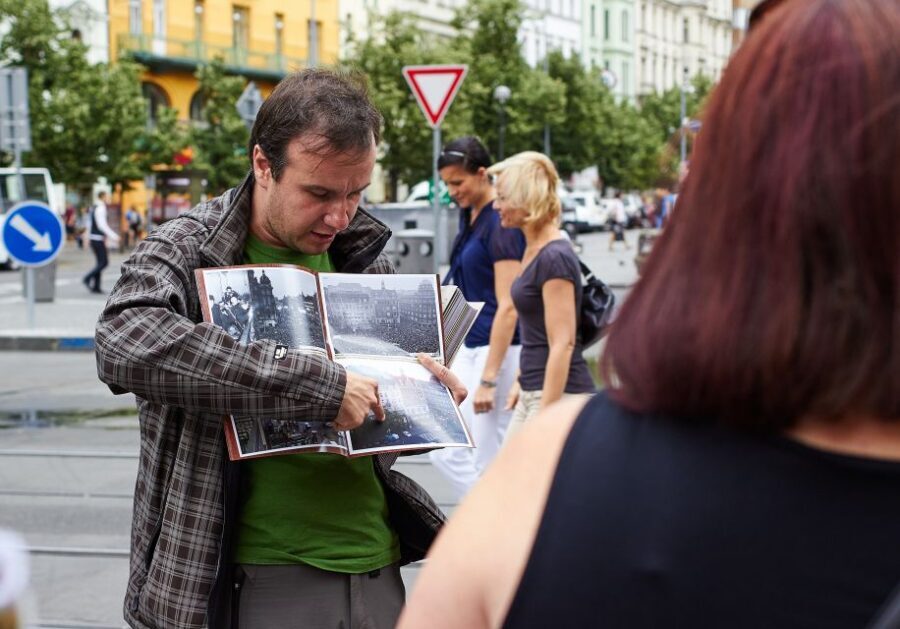
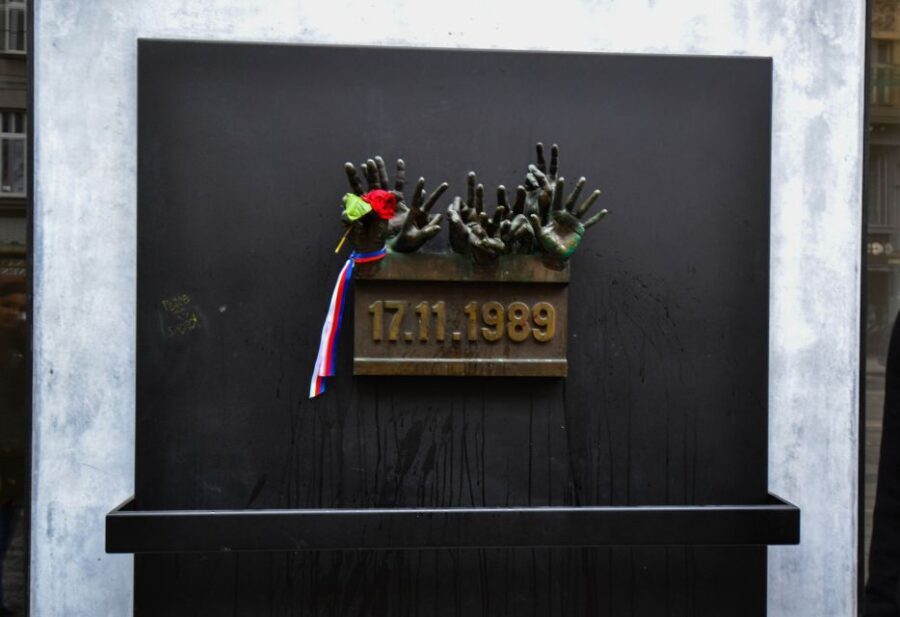
The tour starts with a guided run of key communist-era context—short, focused stops rather than a slow “wandering and hope” kind of sightseeing. You’ll hit points like the Velvet Revolution Memorial, then move through central history areas such as Národní and Wenceslas Square while your guide connects the dots between ideology and lived reality.
This is where the tour becomes more than dates. You’re given the storyline behind the famous events, but also the machinery around them: surveillance culture, political fear, and how power played out on ordinary people. When you do that before the bunker, the underground visit lands harder, because you already understand what the bunker was built to protect people from.
One practical note: it’s not a sit-down lecture. You’ll be on foot for parts of the experience, so wear comfortable shoes even if you think you only have a “light walk” at the start.
You can also read our reviews of more guided tours in Prague

Velvet Revolution to Stalin-Era Symbols: Why the Stops Matter
You don’t just walk past landmarks; you use them as a map of how the communist era shaped Prague’s public life. The tour explicitly connects major themes like the biggest statue of Stalin ever built and the former headquarters of the secret police to what those symbols meant—control through intimidation as much as propaganda.
And it’s not all about the Soviet “big picture.” Your guide’s job is to translate ideology into human consequence: what people worried about, what they watched for, what they dared to say, and what they kept quiet. Expect stories tied to the lives of spies, political prisoners, cold war refugees, dissidents, and others who were pulled into the machinery of the era.
That’s the value of these stops. You come away with a clearer sense of why a revolution like the Velvet Revolution could ignite so quickly—because the system had cracks, and people had lived close to them.
The Transfer Moment: You’re Leaving Central Prague for Cold War Reality
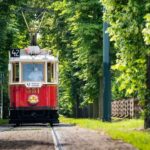
After the central walking segment, you’ll switch into transit to reach the bunker area outside the most central tourist lanes. The plan includes public transportation to and from the bunker, which also helps the experience feel rooted in real geography rather than a movie-set location.
A tram ride does two useful things here:
1) It breaks up the pacing before the heavy underground portion.
2) It gives you a sense that Cold War infrastructure wasn’t only “somewhere else.” It sat near real neighborhoods and real commutes.
If you’re the type who likes to know what’s coming next, listen closely during the guide’s lead-in. The bunker visit moves fast enough that you’ll want your head in the right place before you go down.
Inside the 1950s Nuclear Bunker: 50 Feet Down, Built for Thousands
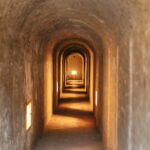
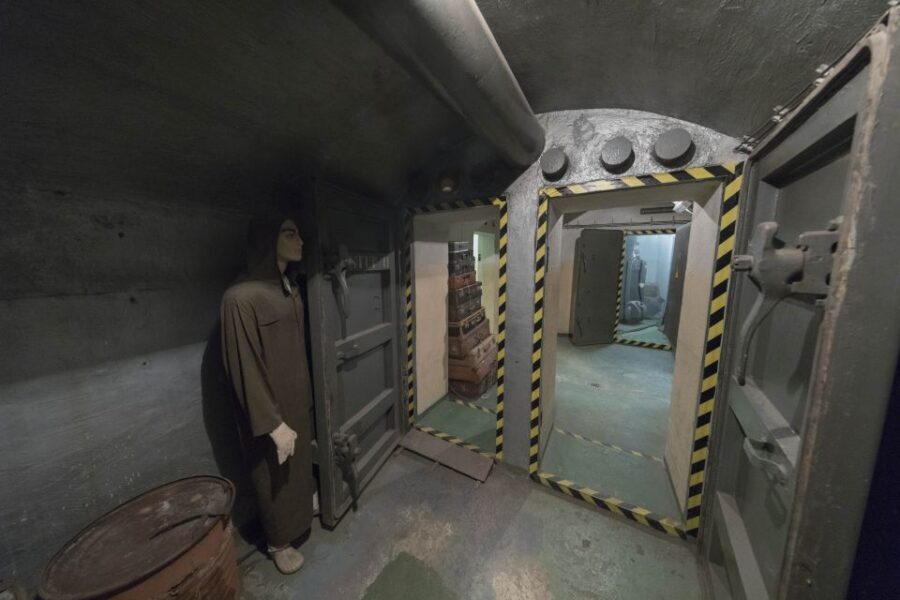
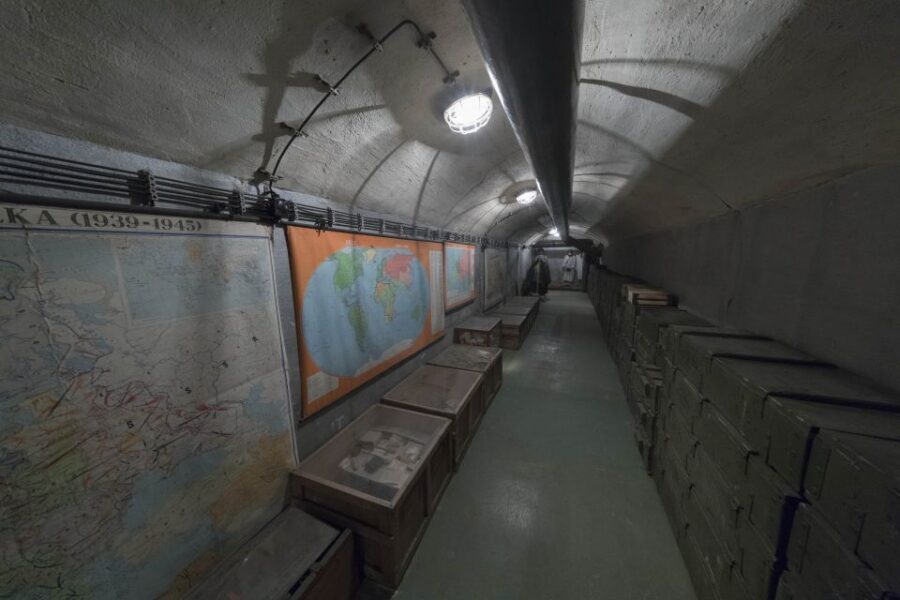
The headline moment is the bunker itself. This is a real nuclear bunker from the 1950s, built about 50 feet underground, designed to accommodate up to 5,000 people. Seeing the space in person is the shock: it’s not abstract. You’re walking through a facility meant to operate under extreme threat.
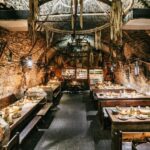
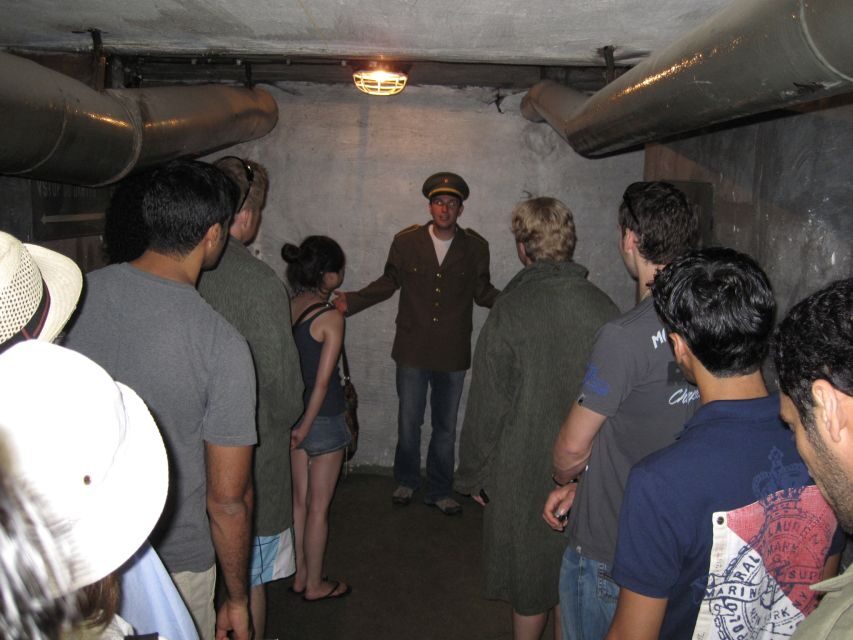
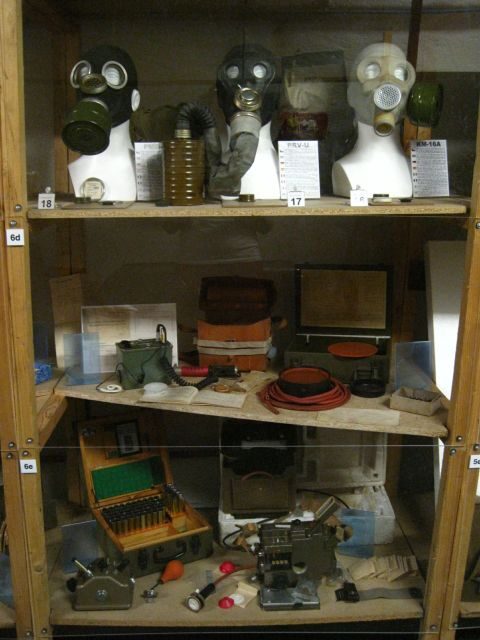
During the guided portion inside the bunker (about 70 minutes including guided time), you’ll be shown Cold War time expositions, plus genuine equipment. The tour framing is specific: this was not built for comfort. It was built for survival planning, crowd control, and procedural readiness—complete with the psychological weight of drills and the constant possibility that things could go wrong.
Because the bunker is underground, the conditions can feel darker and more enclosed than what you’re used to in Prague’s normal city streets. If you know you get anxious in tight spaces, this is where you should be cautious. The tour isn’t designed for anyone with claustrophobia.
And yes, the scale matters. When your guide points out design capacity and how the bunker was intended to function, it stops being “a bunker museum” and starts feeling like a timeline of fear made physical.
Cold War Expositions and Artifacts: What You Learn Without Feeling Like It’s a Theme Park
A lot of history tours over-rely on big names and soundbites. This one uses artifacts and the built environment to slow you down just enough to absorb what you’re seeing.
You’ll get guided interpretation of things like:
- how communism operated through paranoia and monitoring
- how the system shaped daily choices
- how Cold War planning worked in practice, not just theory
Some people also appreciate the way guides handle the mood. The overall tone is serious, but it’s not lifeless. Guides have been described as mixing facts with a bit of human humor to keep the group moving and to prevent the experience from becoming one long grim stare.
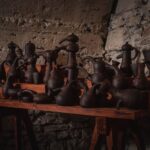
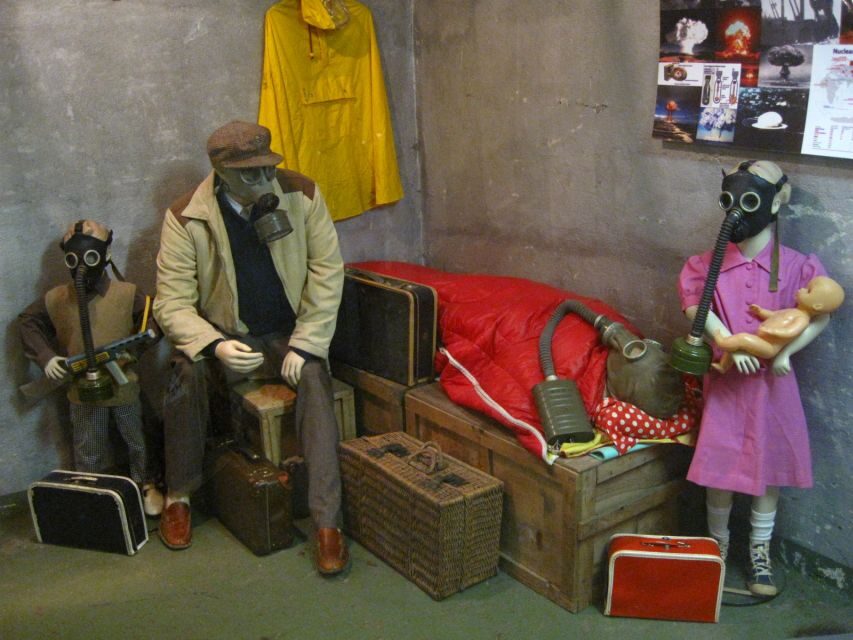
One small detail that can stand out: you’ll often find photo opportunities built into the way the museum displays props and period equipment. Some guides have been reported to allow photo moments with Cold War items, depending on what the site is presenting on that day. If you care about photos, bring a camera you’re comfortable using quickly, since you won’t want to block the guide or the flow.
You can also read our reviews of more historical tours in Prague



The Gasmask Workshop: A Hands-On Moment with Real Purpose
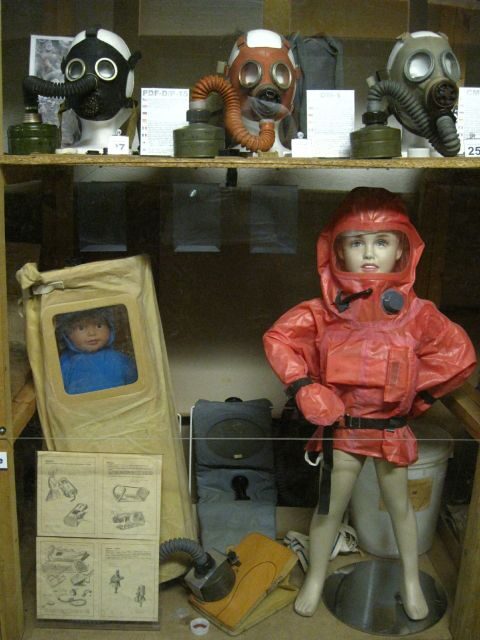
The tour doesn’t end when you leave the bunker rooms. It continues to the nuclear bunker museum, where you’ll see more Cold War expositions and then participate in a gasmask workshop.
This part changes the tone from passive to active. You’re not just learning how people feared a nuclear threat; you’re experiencing what prepared response looked like—at least in the simplified, educational form the museum teaches today. Even if you’ve read about gasmask drills before, using a mask in a workshop format tends to make the idea more physical and more memorable.
It’s also a good reason the tour feels worth the time. A lot of tours can be “see a room, move on.” Here, you get a clear practical takeaway moment before the tour wraps.
Ending Back in Prague: New Town, Malé Náměstí, and the After-Feeling
Once the bunker and museum time is done, you’ll transfer back toward central areas. The tour includes a short guided walk in New Town and finishes at Malé Náměstí.
This ending matters more than you might think. When you re-emerge into Prague’s open streets after time underground, your brain naturally compares the two worlds: freedom versus control, daily life versus contingency planning. It’s the kind of contrast that makes the history stick.
You’ll likely feel that “after” moment too—less because you got scared (though the topic is grim), and more because you now understand how the fear system worked on real bodies and real routines.
Price and Value: Why $44 Can Make Sense for What You’re Getting
At $44 per person for about 150 minutes, the price feels reasonable if you look at what’s included—not just a guide, but access plus logistics.
You’re getting:
- a live guide in English or German
- public transportation to and from the bunker
- entry to the bunker museum and exhibitions
- the gasmask workshop
- separate entrance access to skip the line
So your time isn’t spent navigating tickets, transport puzzles, or waiting around. If you’re short on time in Prague and want one outing that covers both communist context and Cold War infrastructure, this one has solid value.
Who This Tour Is Best For (and Who Should Skip It)
This experience is ideal for you if you want:
- Cold War history in a story-led format
- a real underground site rather than a classroom-style talk
- guides who connect ideology to everyday life
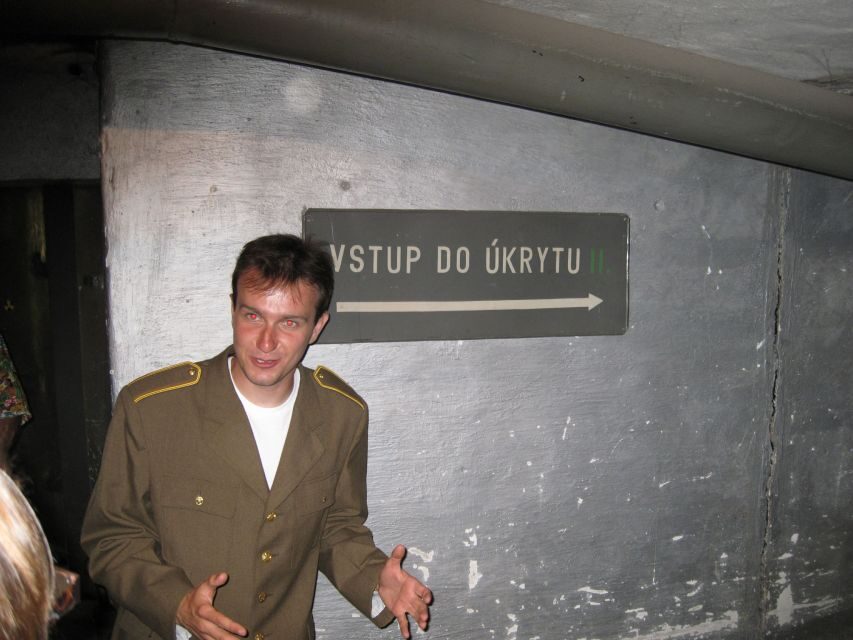
It’s also a good fit if you enjoy when a guide brings a personal perspective. Names like Stan, Ladislav, Pavel, and Maki have been associated with runs where guests felt the stories carried real weight.
Skip it if you:
- use a wheelchair or need step-free routes
- have mobility impairments, since walking and stairs are part of the program
- get anxious in enclosed spaces, because the bunker visit can be stressful
- struggle with focus for long guided segments, since the tour is structured and commentary-driven
Also keep expectations realistic: there are no toilets at the starting point, so plan accordingly before you meet up.
Should You Book This Prague Communism and Nuclear Bunker Tour?
If you want one Prague tour that actually changes how you think about the communist era, I’d book this. The combination of central Prague context plus a real 1950s bunker 50 feet underground gives you both the story and the setting. Add the gasmask workshop, and it becomes more than sightseeing—it’s history you can feel.
That said, be honest about your comfort level. If tight spaces and stairs are a problem, this isn’t your match. If you’re okay with walking and you’re ready for an intense, cautionary look at Cold War life, this is a strong use of 150 minutes.
FAQ
How long is the Prague Communism History and Nuclear Bunker Guided Tour?
The tour lasts about 150 minutes, and the exact timing can vary by around 10 minutes depending on group size.
How much does the tour cost?
It costs $44 per person.
What language is the guide available in?
The live guide is available in English and German.
What do I do inside the nuclear bunker?
You’ll visit a real nuclear bunker from the 1950s with guided time and Cold War expositions, including genuine equipment.
Is there a gasmask workshop?
Yes. The museum visit includes a special gasmask workshop.
How deep is the bunker?
The bunker is located about 50 feet underground.
Is the tour wheelchair accessible?
No. It isn’t possible for wheelchair users or people with mobility impairments due to walking and stairs, and it also isn’t suitable for people with claustrophobia.
Are photos and video recording allowed?
Photos are allowed. Video recording isn’t allowed unless you receive extra permission.
Is there a toilet at the meeting point?
No—there are no toilets at the starting point.