REVIEW · PRAGUE
Private Half-Day Tour To Terezin Concentration Camp
Book on GetYourGuide →Operated by LucyTours Prague · Bookable on GetYourGuide
Terezín leaves a mark. This private guided tour focuses on Terezín with a local expert showing how the fortress system worked. You cover the Small Fortress and Big Fortress in one tidy day, with clear context before you enter each space.
I love that the guide adapts on the spot, answering questions as you move from cell blocks to courtyards. You’ll also appreciate the pickup included car ride and a private group setup so the schedule follows your pace.
One thing to consider is the 5-hour time cap; it keeps the tour moving, and you may feel you want more museum time than the route allows.
In This Review
- Key Highlights You’ll Actually Feel During This Tour
- Why Terezín Hits Harder With a Private Guide
- Getting There From Prague: Easy Transportation, Real Time on Site
- Small Fortress: Gestapo Prison, Courtyards, Tunnels, and the Propaganda Film
- Big Fortress: The Jewish Ghetto, the Numbers That Still Shock, and the Museum
- Museum of the Ghetto: Children’s Rooms, Extermination-Camp Context
- Hidden chapel and synagogue: Religion Forced Underground
- Magdeburg barracks: Daily life, dormitories, and cultural skill
- Krematorium and Mass Graveyard: Where the System Closed In
- Price and Value: Is $316 Per Person Worth It?
- Guides Matter: What I’d Look For in Your Guide
- Who This Tour Suits Best
- Should You Book This Private Terezín Tour?
- FAQ
- How long is the Private Half-Day Tour to Terezin?
- Is this a private tour or shared group?
- What’s included in the price?
- Where does pickup happen?
- Which languages are available for the live guide?
- Is the tour wheelchair accessible?
- Is free cancellation available?
Key Highlights You’ll Actually Feel During This Tour
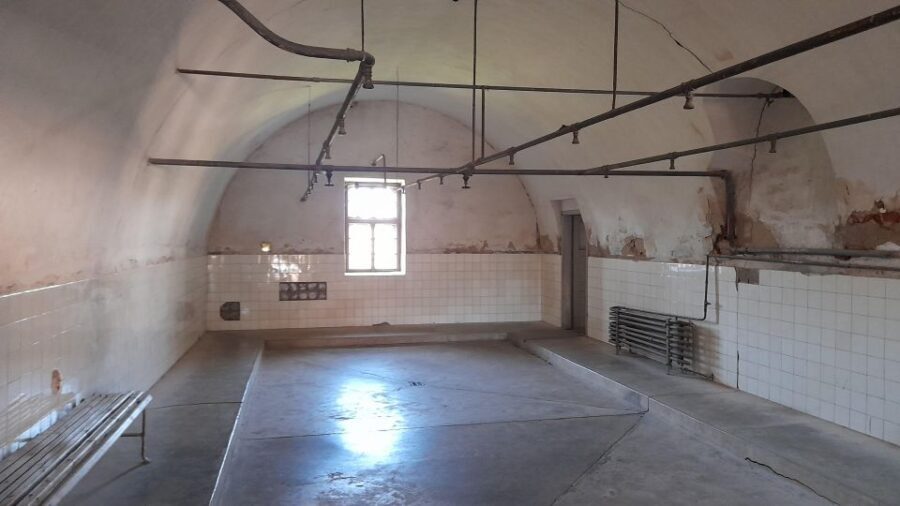
- Small Fortress, full guided walkthrough from the administrative area to mass cells, solitary cells, and wall tunnels
- A 10-minute Nazi propaganda film stop tied to the International Red Cross
- Big Fortress ghetto focus with hard numbers on transports, survival, and deaths inside Terezín
- Museum of the Ghetto in former barracks with a strong emphasis on children
- Hidden synagogue and Magdeburg barracks highlighting religion under bans and ghetto cultural life
- Krematorium and mass graveyard outside the walls, where the system ended
Why Terezín Hits Harder With a Private Guide
Terezín is one of those places where context matters fast. In a private format, you’re not stuck trying to piece together what you’re seeing. Your guide can connect each part of the complex to the larger plan, step by step.
I like that this tour is built around a local guide and not just a generic script. That matters because the story here isn’t only dates and buildings. It’s how the Nazis used space, rules, and deception to control prisoners. You walk away with a clearer sense of how the Small Fortress and Big Fortress functioned as connected tools of oppression.
You also get a more personal pace. The tour is listed as private, which usually means your group can ask questions without feeling rushed. That’s a real quality-of-life upgrade when you’re standing in places meant to intimidate and break people.
You can also read our reviews of more private tours in Prague


Getting There From Prague: Easy Transportation, Real Time on Site
This is a car/minivan tour with a driver, plus pickup included. That’s a big deal when you’re heading from Prague to Ústí nad Labem, because you don’t spend your day wrestling with transfers, schedules, and ticket lines.
The tour runs about 5 hours, so the day is “half-day” in practice. You’ll likely want to treat it like a focused appointment rather than a casual sight-seeing loop. The schedule is designed to take you through both fortresses plus several key memorial-site stops.
One small practical tip: keep the expectation that you’ll be moving through different sections of the memorial. This is not a sit-down lecture. You’re outside, inside, and between areas that are separated within the site.
Small Fortress: Gestapo Prison, Courtyards, Tunnels, and the Propaganda Film
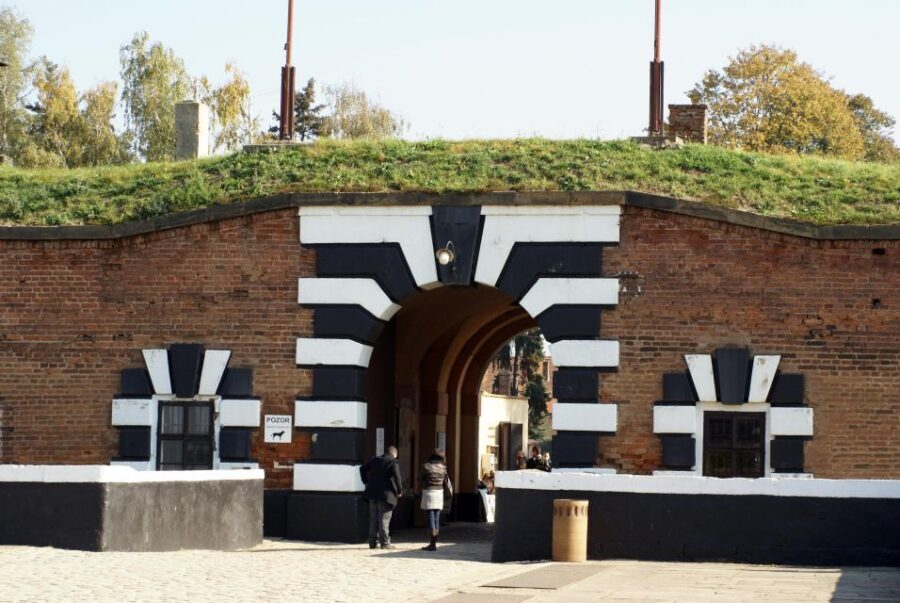
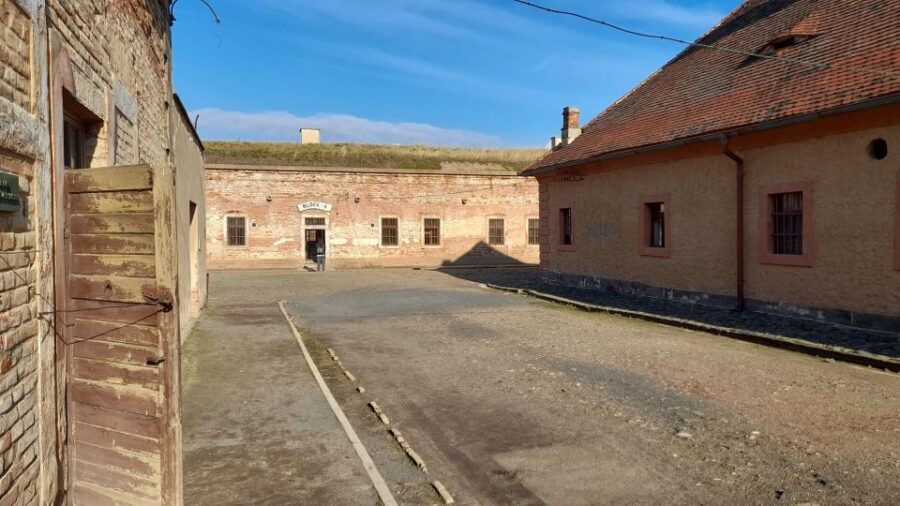
The Small Fortress is where the story turns into confinement. This part of Terezín was used as a Gestapo prison starting in June 1940, and it operated until May 8, 1945. Around 35,000 prisoners passed through its gates during those five years.
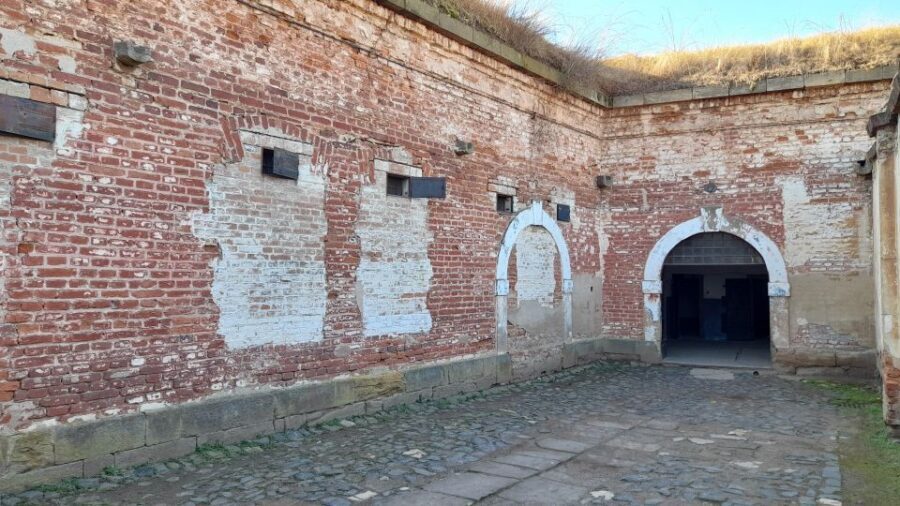
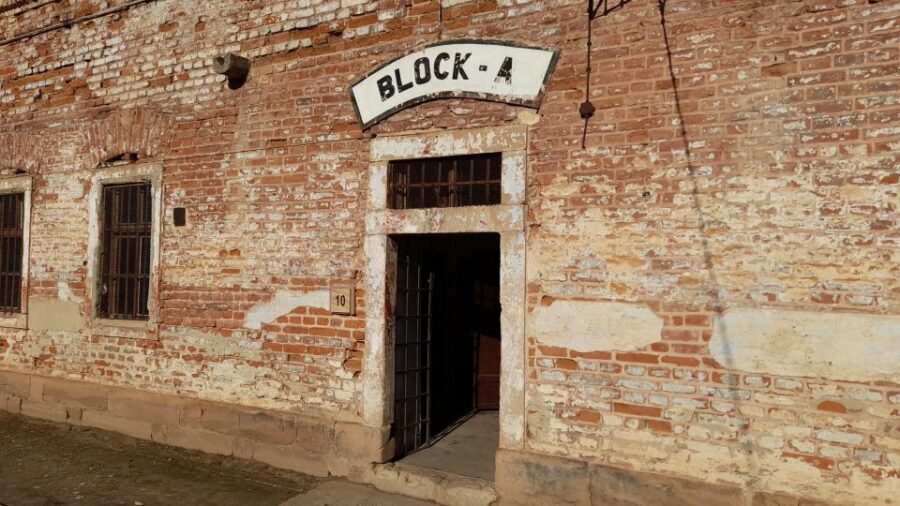
Your guided path starts at the administrative court where prisoners arrived. From there, you’ll see the commander’s office area, then move into the men’s section with the mass cells. The tour also includes the Jewish cell and the solitary cells, which is where the prison’s cruelty gets very personal.
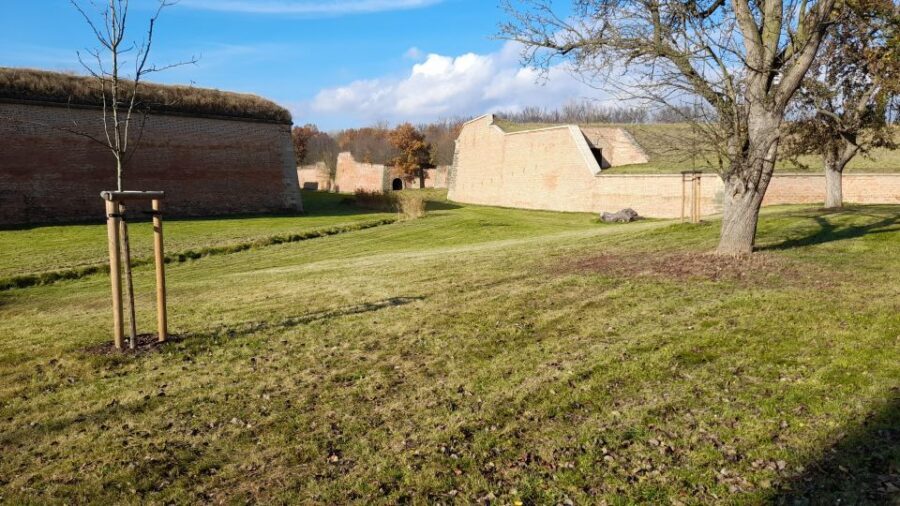
A detail I appreciate is that the tour isn’t only “look at the cells.” You also walk through the wall tunnels and see areas like the shooting range. That helps you understand the fortress as a working system, not just a set of rooms.
There’s also a stop that feels chilling for a different reason: a short 10-minute propaganda movie created by the Nazis for the International Red Cross. Even without extra interpretation, the point lands. This is where you see how terror was paired with carefully controlled messaging.
By the time you reach the fourth courtyard and hear how later mass cells were built due to lack of space, the physical overcrowding stops being an abstract idea. It becomes visible, in layout and in the logic of the buildings.
Big Fortress: The Jewish Ghetto, the Numbers That Still Shock, and the Museum
About a mile away from the Small Fortress sits the Big Fortress, which served as the Jewish ghetto starting on November 24. In roughly 3.5 years, about 155,000 Jews passed through its gates.
Your guide brings this section forward in a grounded way: what the ghetto was, how it worked, and how the Nazis used transports to reach extermination camps in Poland. The tour’s overview includes the fact that 63 transports left Terezín carrying 87,000 people, and that only 3,600 survived the war. It also notes that around 35,000 people died inside the ghetto, mostly from disease and lack of nutrition.
That set of numbers is hard to hold, but it’s also important. Without it, the site risks becoming only symbolic. With it, the story has weight you can’t ignore.
Museum of the Ghetto: Children’s Rooms, Extermination-Camp Context
In the Big Fortress, you visit the Museum of the Ghetto located in former barracks for boys. A major part of the museum’s ground-floor space is dedicated to the children who lived and perished in Terezín.
This is one of the stops that usually gives people the most pause. The focus on children is not a side note. It’s a deliberate choice, and the tour route makes sure you actually see that section rather than rushing past it.
The museum’s last section also focuses on the extermination camps. That structure helps you connect what happened inside Terezín with what came next, instead of treating Terezín as a closed chapter.
You can also read our reviews of more tours and experiences in Prague

Hidden chapel and synagogue: Religion Forced Underground
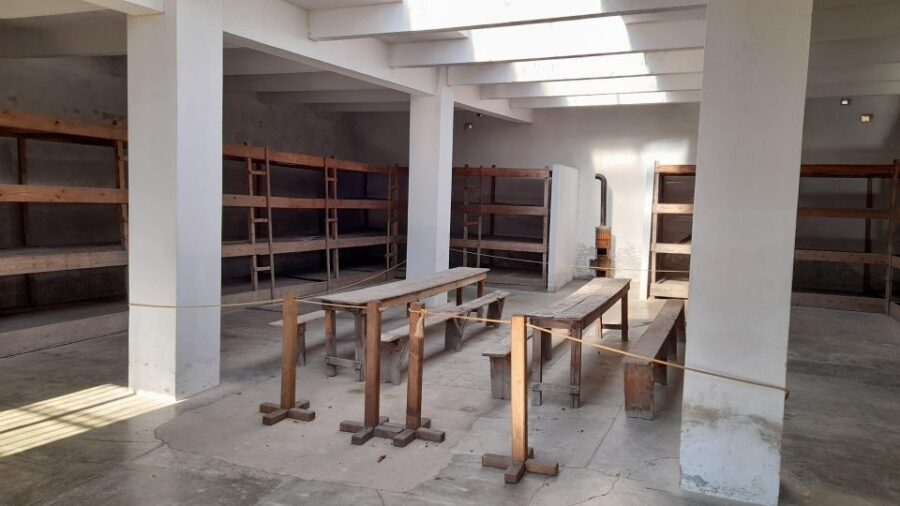
After the museum, you’ll visit the hidden chapel, including a hidden synagogue. This synagogue is one of six hidden synagogues at Terezín, and this specific one is hidden in a storage room because any signs of Jewish religion were banned by the Nazis.
I like that this moment doesn’t just show a concealed location. It shows pressure and prohibition in physical form. The hiding place makes a point: faith didn’t stop, but it was forced to adapt to survival conditions.
Magdeburg barracks: Daily life, dormitories, and cultural skill
Next you continue to the Magdeburg barracks. Here you’ll see how dormitories were set up and learn about culture in the ghetto. The tour notes that many of the Jewish prisoners were accomplished artists.
That detail matters because it prevents a common trap: thinking the ghetto was only about deprivation. People still created. People still had talents. The Nazis tried to crush bodies and plans, but they couldn’t erase skills overnight.
Krematorium and Mass Graveyard: Where the System Closed In
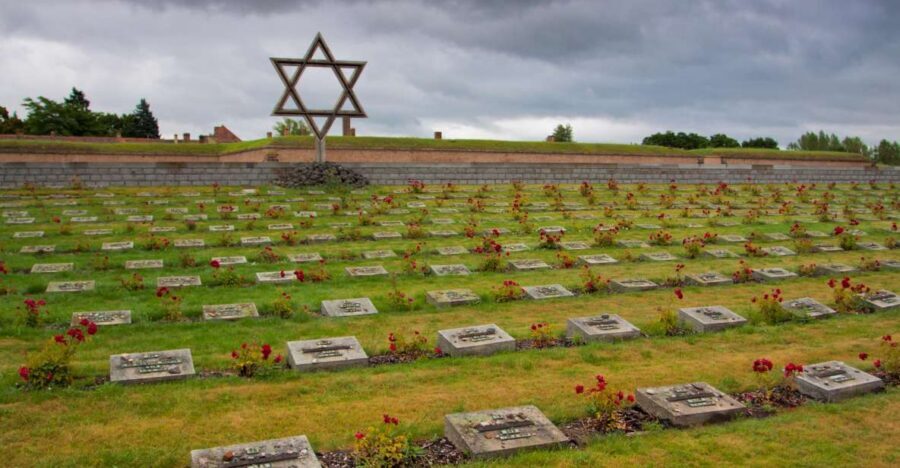
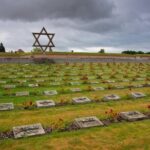
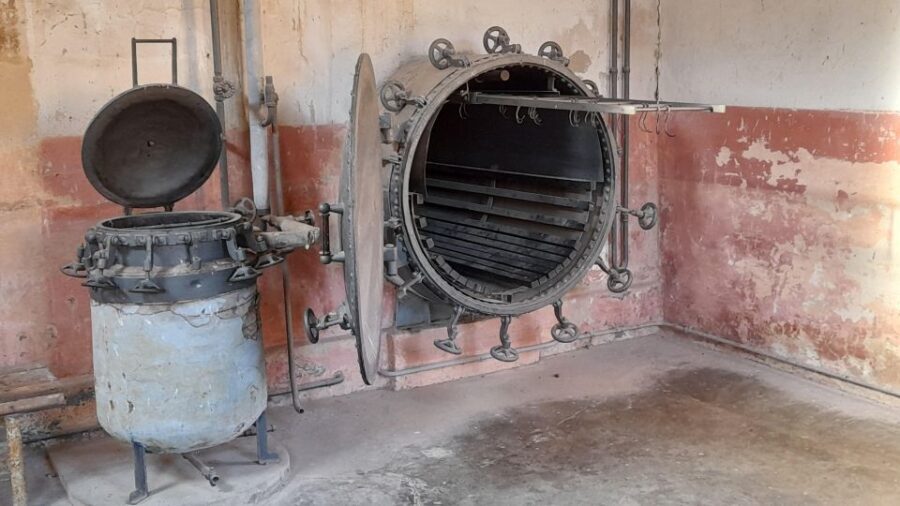
The tour ends with the Krematorium, located outside Terezín’s walls. It was built in 1942, and victims’ bodies were cremated there. Next to it lies a mass graveyard.
This final stop lands differently than the earlier rooms. In the Small Fortress, you see imprisonment mechanics. In the Big Fortress, you see ghetto life plus deception and deportation. At the k concentration-camp end point, you’re seeing the end stage of the Nazis’ system.
Because the crematorium is outside the walls, it also adds a sense of separation. The story feels like it moves from containment to disposal, from daily pressure to fatal throughput.
Price and Value: Is $316 Per Person Worth It?
At $316 per person, this isn’t a budget day trip. But you’re paying for more than entry tickets.
You get:
- A private guided tour covering both major sections (Small and Big Fortress)
- A driver and car/minivan service
- Entrance fee to the Terezín Memorial
- Pickup included, so you don’t waste half your day figuring out logistics
That price can make sense if you value context delivered in real time. At Terezín, a guide can help you interpret layouts, functions, and contradictions you might otherwise miss. A private setup also helps if your group wants to ask questions or pause for clarification without slowing down strangers.
It’s also a good value if you’re traveling as a small group where one shared guide would still be cheaper than paying for multiple separate services. Just keep your time expectations realistic because the tour is built to fit into the 5-hour block.
Guides Matter: What I’d Look For in Your Guide
The quality of the guide shows up fast at a site like this. The tour format supports it: you’re walking, reading, and hearing connections between spaces.
Some guides who have led this experience include Eva, Petr, and Peter, and the common thread is strong communication and patience with questions. If your guide is also comfortable adding personal context about Czech life, that can make the modern setting feel real. One example from past leadership on this tour is Eva connecting the site’s history to life in the Czech Republic before, during, and after the Velvet Revolution.
You should still expect a serious tone. But a good guide doesn’t just recite facts. They explain why certain details matter, like how the propaganda film fits into the International Red Cross story, or why the hidden synagogue location changes the way you understand religious survival.
Who This Tour Suits Best
This private Terezín tour is a strong fit if you:
- Want a local guide to explain the site in plain, usable terms
- Prefer a private group pace over crowd navigation
- Care about covering both forts and the key memorial stops within a single day
- Need a specific language option, since the guide can work in English, Spanish, French, Russian, Italian, Czech, and German
- Appreciate that the tour is listed as wheelchair accessible
It might be less ideal if you want a slow, self-directed museum day with lots of extra time in every room. The route is focused, and the time cap can limit how long you linger beyond the guided stops.
Should You Book This Private Terezín Tour?
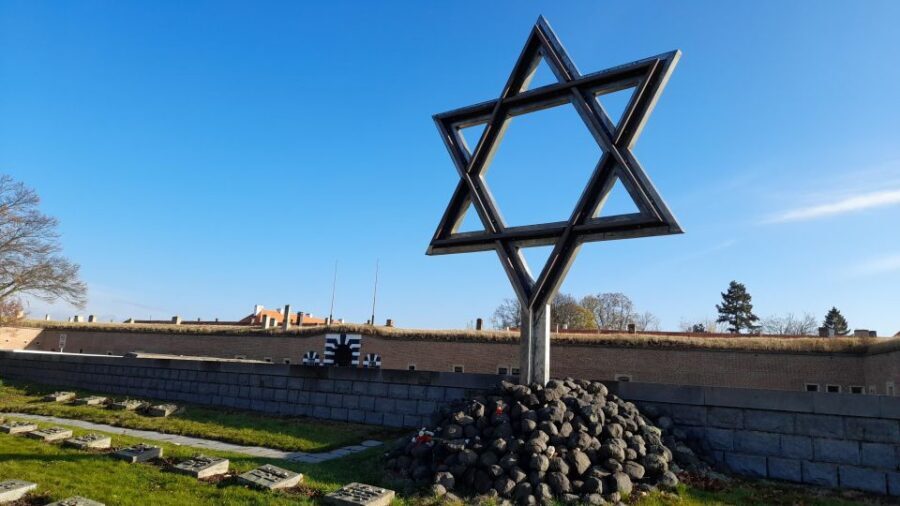
If you’re coming from Prague and you want the day to feel structured, I’d book it. The biggest win is the private guided approach: it helps you connect Small Fortress prison areas to Big Fortress ghetto life, then close the loop at the krematorium.
I’d only hesitate if you’re the kind of traveler who wants hours of unhurried browsing in museum rooms without a set path. This tour is built for a guided route inside a fixed 5-hour window. You’ll still see the core memorial highlights, but you shouldn’t plan on turning it into a standalone, all-day museum binge.
If you can handle heavy subject matter, and you want clarity as you walk through real spaces, this is one of the more practical ways to do Terezín from Prague.
FAQ
How long is the Private Half-Day Tour to Terezin?
The tour lasts about 5 hours.
Is this a private tour or shared group?
It’s a private group tour with a dedicated guide.
What’s included in the price?
The tour includes a private guide, a driver, car/minivan transport, and the entrance fee to the Terezin Memorial.
Where does pickup happen?
Pickup is included from any place that suits you, such as a hotel, square, or airport.
Which languages are available for the live guide?
The guide can conduct the tour in English, Spanish, French, Russian, Italian, Czech, and German.
Is the tour wheelchair accessible?
Yes, the tour is listed as wheelchair accessible.
Is free cancellation available?
Yes. You can cancel up to 24 hours in advance for a full refund.