REVIEW · PRAGUE
Prague: World War 2 and Operation Anthropoid Walking Tour
Book on GetYourGuide →Operated by McGee's Trips & Tickets · Bookable on GetYourGuide
Prague WWII has a human scale. This Operation Anthropoid walking tour connects you to the Czech resistance through key central streets and landmark stops, where a local guide puts names and choices back into the story. I love how the route isn’t just dates and danger; it’s built around places tied to the assassination of one of Hitler’s top officers and the people who survived to fight back. I also like the ending at St. Cyril and Methodius, where the history lands as a memorial moment, not a rushed photo stop.
One consideration: this is real walking, and the tour is not wheelchair accessible. Wear comfortable walking shoes, plan for cobblestones, and don’t count on hotel pickup to get you there smoothly.
In This Review
- Key highlights you should care about
- Operation Anthropoid in Prague: why this route works
- Meeting point at Týnská 627/7: find the wooden door fast
- Dům U Kamenného zvonu and Celetná: history hiding in plain sight
- Wenceslas Square and the route’s power centers
- Petschek Palace to Charles Square: connecting buildings to consequences
- National Memorial to the Heroes of the Heydrich Terror: what happened after
- Church of St. Cyril and Methodius: the last stand and the memorial finish
- Pacing, group size, and what to expect on the ground
- Price and value: is $32 a good deal?
- Who should book this Prague WWII walking tour
- Should you book it?
- FAQ
- How long is the Prague WW2 and Operation Anthropoid walking tour?
- Where do I meet the guide?
- What language is the tour offered in?
- Is hotel pickup included?
- What’s included in the price?
- Is the tour wheelchair accessible?
- What should I bring?
Key highlights you should care about
- Operation Anthropoid explained street-by-street with names, roles, and why people risked everything
- Where Czech resistance members hid during the occupation, tied to specific moments in the war
- The assassination story and the Heydrich Terror memorial, showing what followed after the attempt
- Prague’s resistance themes beyond Anthropoid, including the Prague Uprising and the student uprising
- An emotional finish at St. Cyril and Methodius, including its memorial setting for victims of the Third Reich
Operation Anthropoid in Prague: why this route works
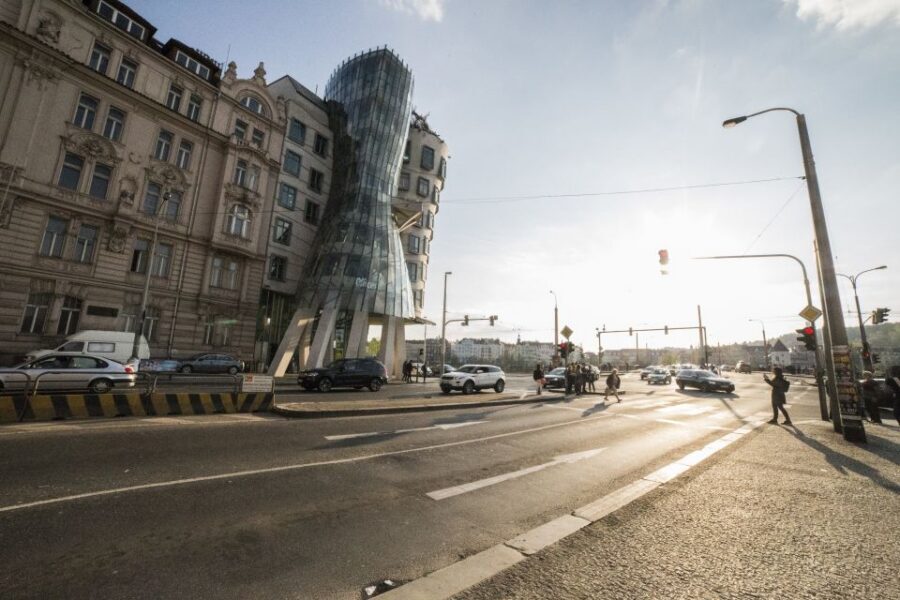
If your idea of WWII in Prague is mostly buildings and big turning points, this tour changes the feel. It uses a walking path through central addresses to connect three things that often get separated in textbooks: occupation pressure, resistance planning, and the brutal consequences.
The core story is Operation Anthropoid, the Czech-led operation targeting Reinhard Heydrich—one of Hitler’s top officers. What makes it compelling here is the way the guide frames the people involved, then ties them to what you can actually see in the city. By the time you reach the end point at the Church of St. Cyril and Methodius in the New Town, the tour has moved from “what happened” to “what it cost.”
You can also read our reviews of more walking tours in Prague

Meeting point at Týnská 627/7: find the wooden door fast
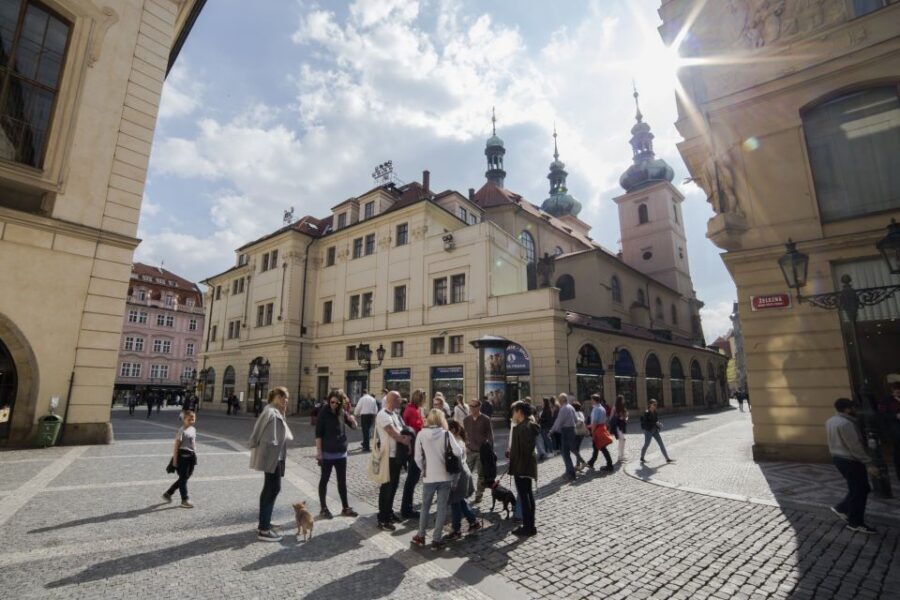
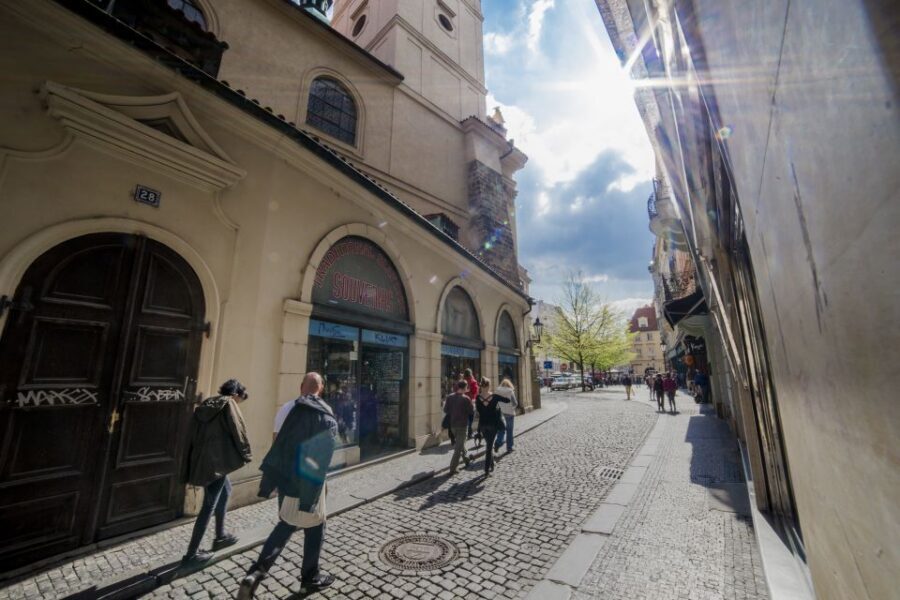
Start at 7 Týnská 627/7, in front of the building at street level. When you’re standing behind Týn Cathedral, turn left onto Týnská Street. Soon you’ll spot the wooden door of house number 7—use that as your anchor.
This is also the easiest place to avoid stress. Prague’s old streets can feel similar block to block, so I recommend arriving a few minutes early, not right on time. If you’re in doubt, look for the exact house number rather than trying to match a landmark from far away.
Dům U Kamenného zvonu and Celetná: history hiding in plain sight
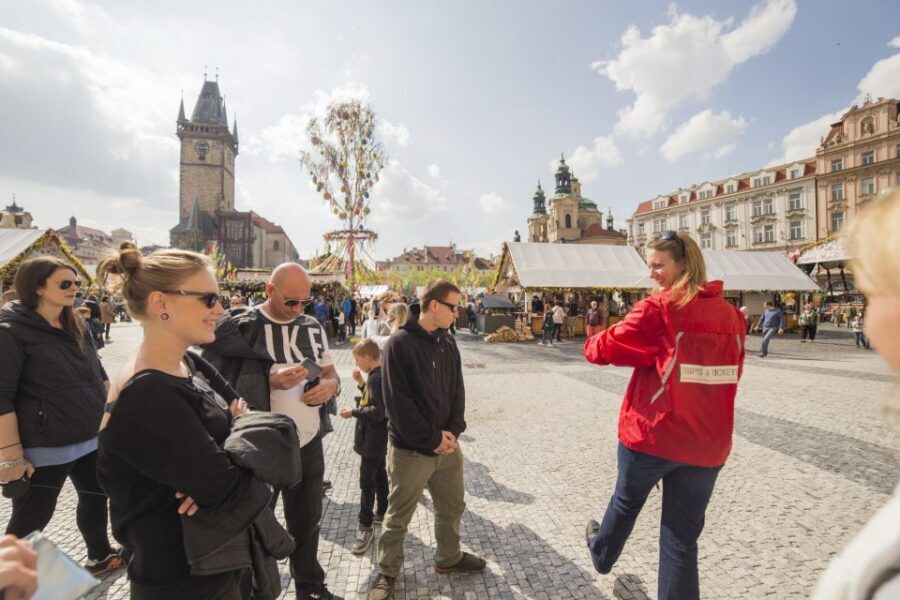
Right away, the tour shifts from postcards to addresses. Two of the earliest stops are Dům U Kamenného zvonu and Celetná, both with guided time rather than a quick pass-through.
This is where you start learning the guide’s approach: you’ll be shown how certain buildings and street locations connect to the occupation era, resistance activity, and the early-war atmosphere. Even if you’re not a WWII expert, these segments help you build a mental map so later stops make more sense.
A practical note: this portion is part of the “warm-up” phase. You’ll hear the tour’s key threads—Operation Anthropoid, resistance hiding places, and the wider story of Prague under pressure—so paying attention early makes the rest feel clearer.
Wenceslas Square and the route’s power centers
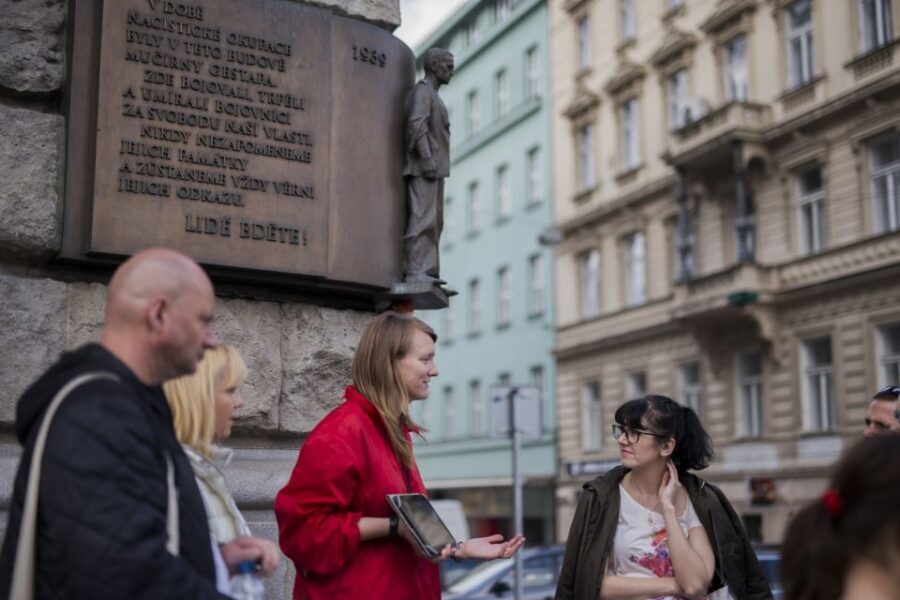
Next comes Wenceslas Square, one of Prague’s best-known public stages. On a normal sightseeing loop, it’s all about views, traffic, and motion. Here, the focus is how power and propaganda show up in public space—what people see, what they’re expected to accept, and what resistance groups had to work around.
From there you’ll keep moving toward the tour’s “why this mattered” story. The guide uses the transitions between major city spaces to explain the chain of events that leads from tension to action, then to retaliation.
If you’re the kind of traveler who likes context—not just sites—this is a good stretch. You’re getting the political and social pressure background that makes the later memorial stops hit harder.
Petschek Palace to Charles Square: connecting buildings to consequences
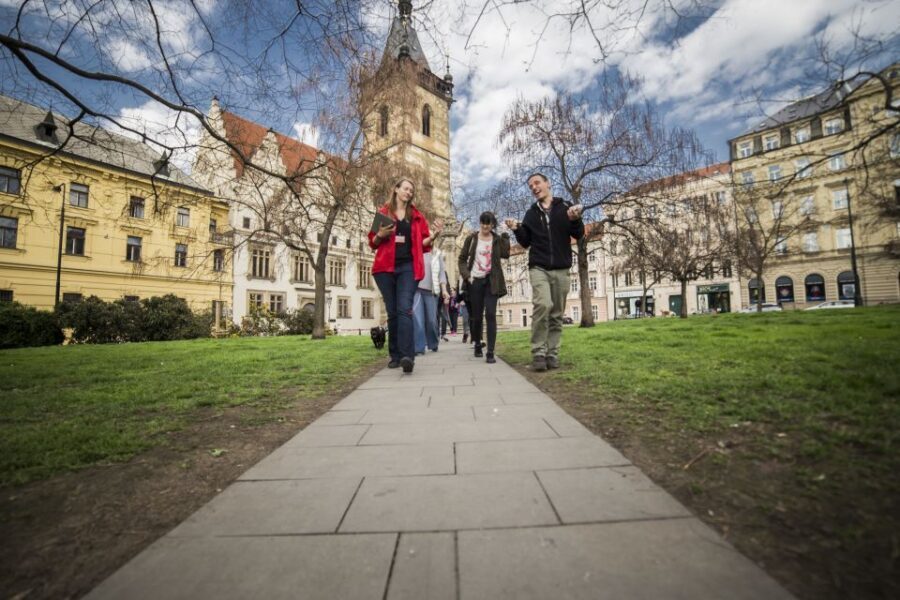
The tour includes Petschek Palace and Charles Square, each with guided time. The value here is not that you’ll “tour the building like a museum.” Instead, you’ll learn how the city’s recognizable landmarks sit inside the WWII story—how the resistance’s choices played out against the backdrop of occupation control and state power.
By the time you reach these stops, you should feel the tour tightening into its main arc. You’ll hear about why some people took enormous risks, and how the occupation shaped everyday life for Czechs and Czechoslovakians. The guide also covers events beyond Anthropoid, including the Prague Uprising and the student uprising, which helps prevent the operation from feeling like an isolated plot twist.
In short: these are the stops that help you understand the city as a system under stress, not just a collection of famous names.


National Memorial to the Heroes of the Heydrich Terror: what happened after
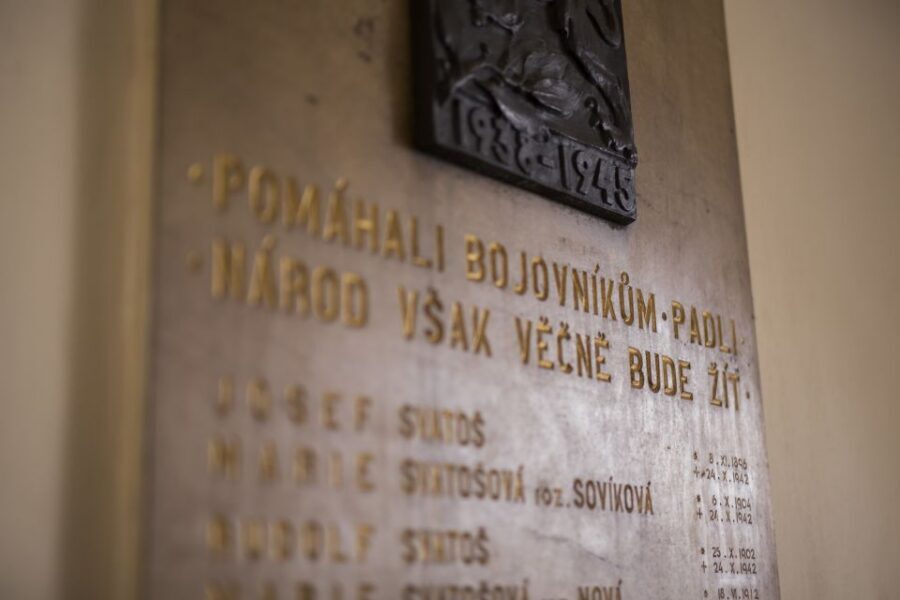
One of the most important moments on the route is the National Memorial to the Heroes of the Heydrich Terror. This stop matters because it reframes the assassination story. You’re not only learning what the resistance attempted—you’re also seeing the scale of what followed.
The memorial setting makes the “cause and consequence” lesson land. The guide ties together the operation, the hiding and fighting that came afterward, and the harsh realities facing Czech resistance members. This stop is where the emotional temperature rises, so give yourself a moment to absorb it without rushing.
If you like tours that leave you thinking instead of just taking photos, this is the anchor point. It turns the narrative from action into aftermath—how communities handled the brutality and what resistance meant when the odds were terrible.
Church of St. Cyril and Methodius: the last stand and the memorial finish
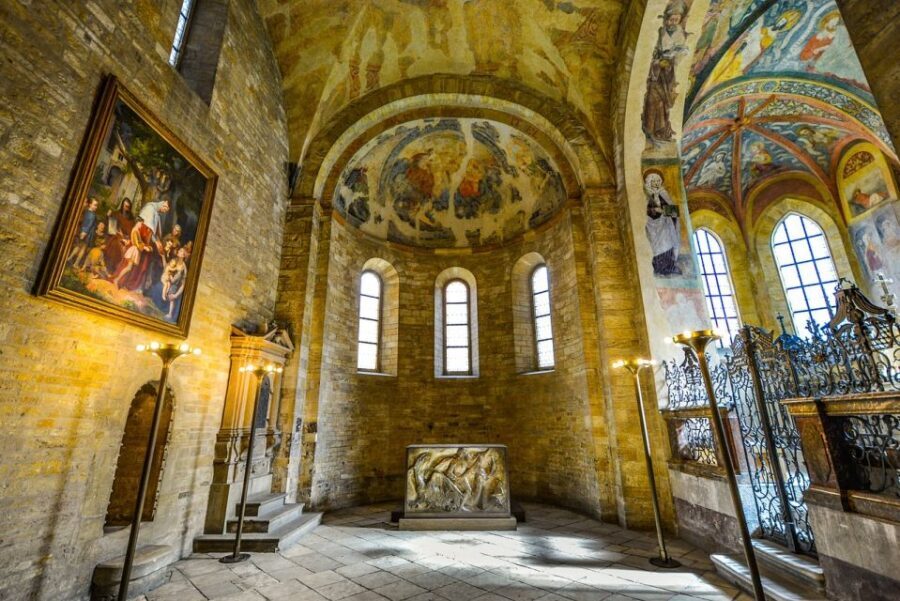
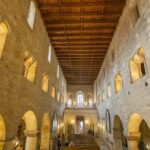
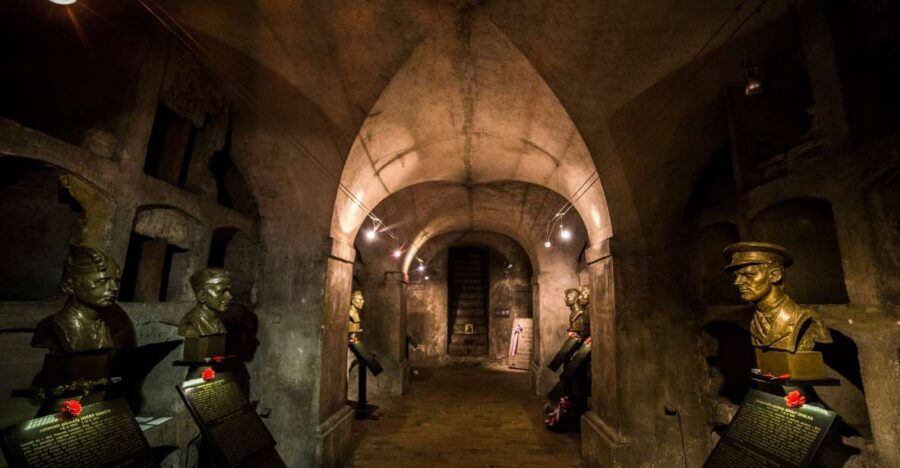
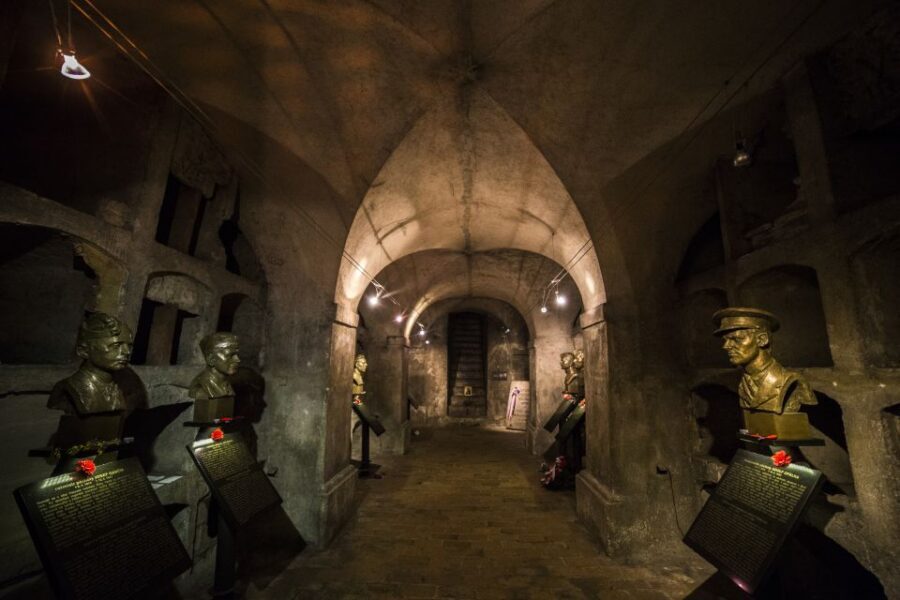
The tour ends at Church of St. Cyril and Methodius, in the New Town, which now serves as a memorial for victims of the Third Reich. This is also described as the location of the last resistance of Czech paratroopers, so it’s not a generic WWII stop—it’s the story’s end point in physical form.
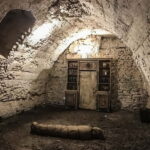
What I’d plan for here is stillness. In the final stretch, you’ll spend time contemplating Prague’s tragic history. If the tour includes access to the crypt area (some guides make time for this kind of deeper memorial context), it can feel especially powerful, because it shifts the focus from famous figures to people who fought and hid close to the ground.
The final steps also help you connect the earlier walking sites to this closing image. You’ll be able to look back at the route you walked and understand it as a sequence: occupation pressure, resistance plotting, retaliation, and then the memorial that holds the memory in place.
Pacing, group size, and what to expect on the ground
This is a 3-hour walking tour, and it runs with a minimum of 2 guests. That means you should expect a small-group feel, and sometimes the group can be quite small. In practical terms, you’ll likely have more room for questions and back-and-forth when the group isn’t large.
The pace is active. Even though some stops are guided, you’re still doing a city walk in central Prague. In cold or windy weather, plan layers and take breaks when the guide pauses at buildings or landmarks.
Also keep expectations realistic: it’s not a wheelchair-friendly route, but it is stroller accessible. Service animals are allowed, so if you’re traveling with one, you can do so without worry.
Price and value: is $32 a good deal?
At $32 per person for about 3 hours, this tour is strong value if you want context and place-based storytelling—not just a WWI-style overview.
Here’s why it feels like good spending:
- You get a local guide who leads multiple guided stops across central Prague rather than one or two quick photo moments.
- The ending includes a memorial visit at St. Cyril and Methodius, which is the kind of setting you can’t recreate on your own without knowing what to look for.
- The tour is built around the specific story of Operation Anthropoid and the resistance networks linked to hiding places and the consequences that followed.
If you’re trying to hit five museums a day, this may not be your best use of time. But if you want one experience that makes Prague’s WWII layer click, the cost-to-time ratio is fair.
Who should book this Prague WWII walking tour
This tour fits best if you:
- like history that uses real places and real choices, not only dates
- want the specific story of Operation Anthropoid and the resistance around it
- appreciate a route that connects assassination, occupation pressure, and the aftermath
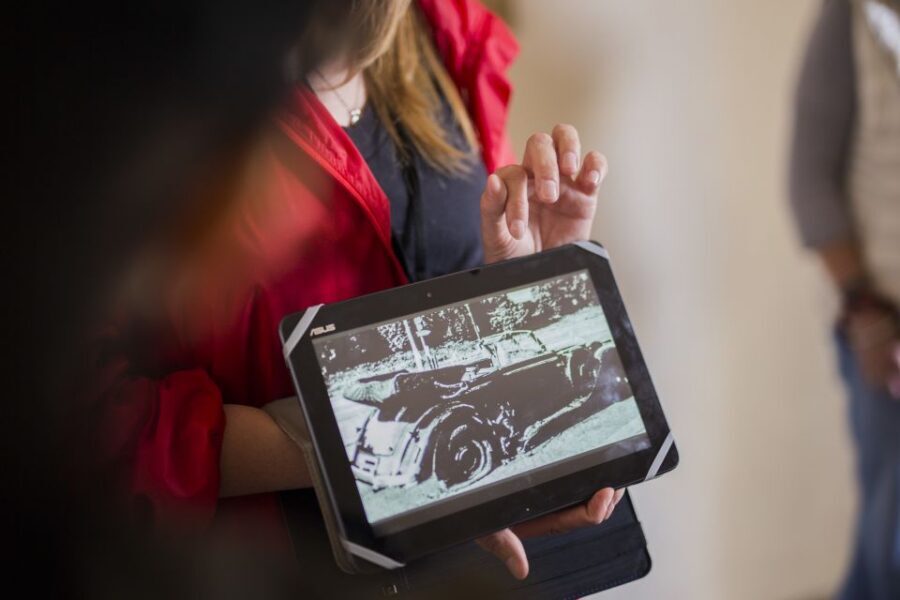
It’s also a solid pick if you enjoy well-told narration and question time. Many guides have been praised for clarity and interaction, including guides named Allen, Richard, Daniel, Martin, and others who taught with strong story flow and visual aids on some tours.
Should you book it?
I’d book this tour if WWII in Prague is on your “must understand” list and you’re comfortable with an active city walk. The biggest payoff is the way the tour blends central landmark navigation with the human stakes of resistance—ending at St. Cyril and Methodius where the story becomes a memorial you can actually stand beside.
Skip it if you need step-free access or if you prefer WWII history told mostly indoors. Otherwise, it’s a memorable way to see Prague with sharper context.
FAQ
How long is the Prague WW2 and Operation Anthropoid walking tour?
The tour lasts 3 hours.
Where do I meet the guide?
Meet in front of the building at 7 Týnská 627/7. Look for the wooden door of house number 7 when you’re behind Týn Cathedral and turn left onto Týnská Street.
What language is the tour offered in?
The tour is in English.
Is hotel pickup included?
No, hotel pickup is not included.
What’s included in the price?
You get a local guide and a visit to the Church of St. Cyril and Methodius (the location of the last resistance of Czech paratroopers).
Is the tour wheelchair accessible?
No, the tour is not wheelchair accessible.
What should I bring?
Wear comfortable walking shoes.