REVIEW · PRAGUE
From Prague: Kutna Hora UNESCO Site Tour with Bone Chapel
Book on GetYourGuide →Operated by Sandemans Tours - Prague · Bookable on GetYourGuide
Bones, churches, and medieval silver—one packed day. This trip is interesting because it pairs the Sedlec Ossuary with major Gothic and historical stops, all wrapped into one smooth day outside Prague. I especially like how the tour is built around clear, guided movement from site to site, so you spend more time looking and less time figuring things out.
I also like the way the tour turns Kutná Hora from a name on a map into a real place, with stories that connect Hussite-era power, royal wealth, and silver mining. One heads-up: you cannot take photos inside the Bone Chapel, so plan to experience it with your eyes first, not your camera.
In This Review
- Key things that make this tour worth your time
- Getting to Kutná Hora the simple way: train from Prague, guided timing
- Sedlec Ossuary (Bone Chapel): the no-photo rule and what to focus on
- St. Barbara’s Church: UNESCO-level Gothic that rewards your attention
- Kutná Hora’s power story: silver money, Prague Groschen, and the Hussite Wars
- Sankturin House: Bohemia’s oldest Cistercian monastery
- Italian Court, Ruthardka Street, and the Stone House: walking through royal wealth
- The Plague Column and the medieval in-between story
- Timing and lunch: how to protect your focus in a 6-hour plan
- Price and value: what $81 buys you (and what it doesn’t)
- Who this tour suits best (and who might want a different plan)
- Should you book this Kutná Hora Bone Chapel tour?
- FAQ
- Where is the meeting point in Prague?
- How long is the tour?
- Is there an English-speaking guide?
- What’s included in the price?
- Is lunch included?
- Are photos allowed inside the Bone Church?
- How do we get from Prague to Kutná Hora?
- What main sights are visited besides the ossuary?
- Can I cancel for a refund?
- Is the tour suitable for mobility impairments?
Key things that make this tour worth your time
- Sedlec Ossuary (Bone Chapel) has strict no-photo rules, so come ready to look closely.
- St. Barbara’s Church entry is included, with the kind of stained glass you’ll remember.
- Public transport is part of the plan, and guides help you hop between sights without wasting time.
- Italian Court, Stone House, and Ruthardka Street show how rich Kutná Hora became.
- Sankturin House is Bohemia’s oldest Cistercian monastery, not just another church stop.
- Hussite Wars and silver mining connect the dots behind Kutná Hora’s rise.
Getting to Kutná Hora the simple way: train from Prague, guided timing
Kutná Hora is close enough to do as a day trip, but far enough that a self-guided outing can get annoying fast. This tour takes you out of Prague by train, with train tickets included, then keeps the day moving with local hops between stops.
Meeting is at the Czech Railway Main Ticket Office (České dráhy) in the center of Prague’s train station, on the minus 3 floor. That detail matters because it’s easy to wander around the station and lose a chunk of your start time. Once you spot your group and get the day’s flow explained, the rest is much easier.
The guides listed for this experience include Brandon, Karel, Pavel, Oliver, Gaby, Jan, Libor, Charles, and others. What stands out in the way they’re described is pacing: they keep the group together, explain what you’re about to see, and help you stay on schedule without turning the day into a sprint.
You can also read our reviews of more tours and experiences in Prague.
Sedlec Ossuary (Bone Chapel): the no-photo rule and what to focus on
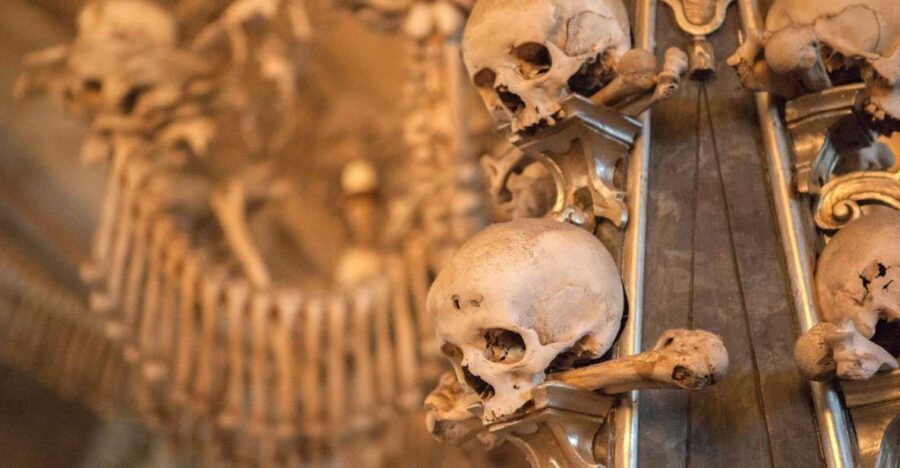
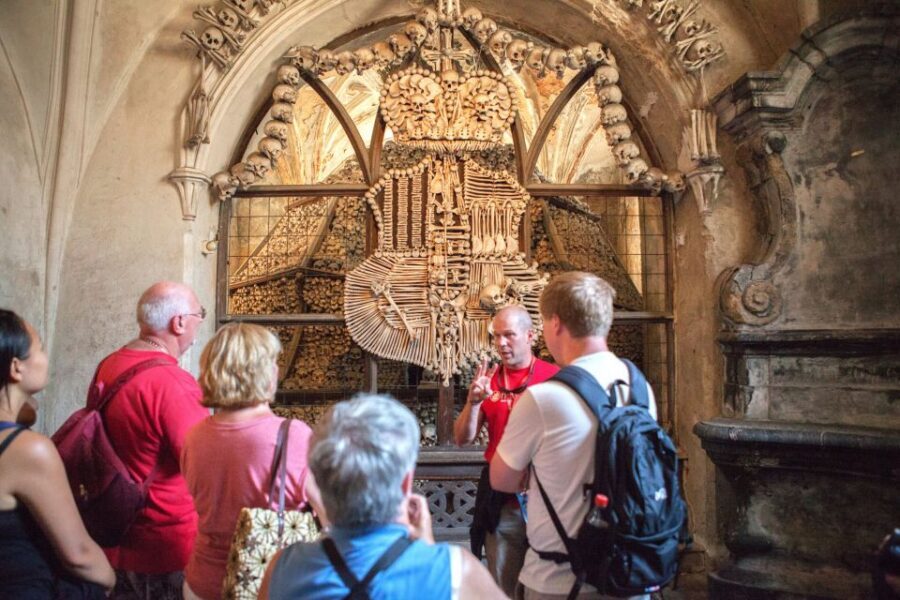
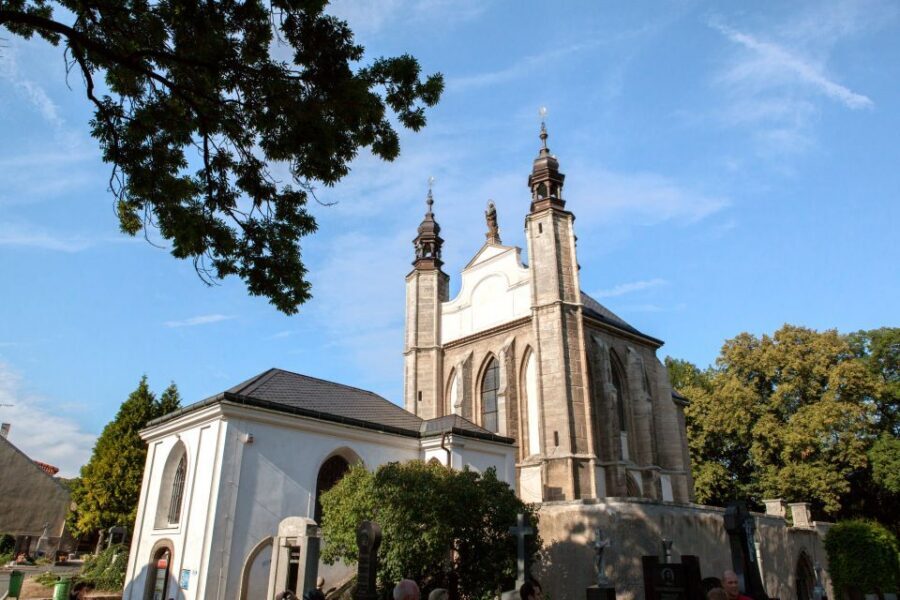
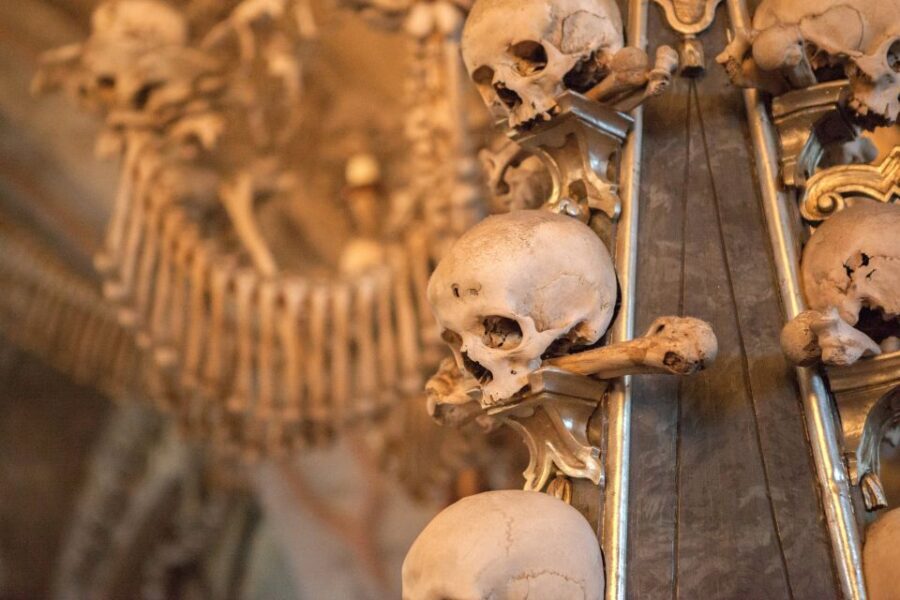
The Bone Chapel at Sedlec Ossuary is the reason many people sign up, and it’s also the reason this stop needs a different mindset than the others. First, the practical rule: photos are forbidden inside the Bone Church in Kutná Hora, Sedlec. That means your best photos won’t come from your phone anyway. Come prepared to study form, layout, and detail rather than just capture a quick shot.
So what should you look for when you’re inside? I’d focus on three things:
- Composition: how the bones are arranged into religious shapes and patterns.
- Craft details: the way the arrangement creates a sense of ornament, not just remains.
- The contrast: the calm atmosphere of a church interior against the macabre concept.
It’s also a good idea to slow down here. Even with a group schedule, you’ll get more out of this stop if you pause, step back, and take in the whole scene instead of rushing line-by-line.
St. Barbara’s Church: UNESCO-level Gothic that rewards your attention
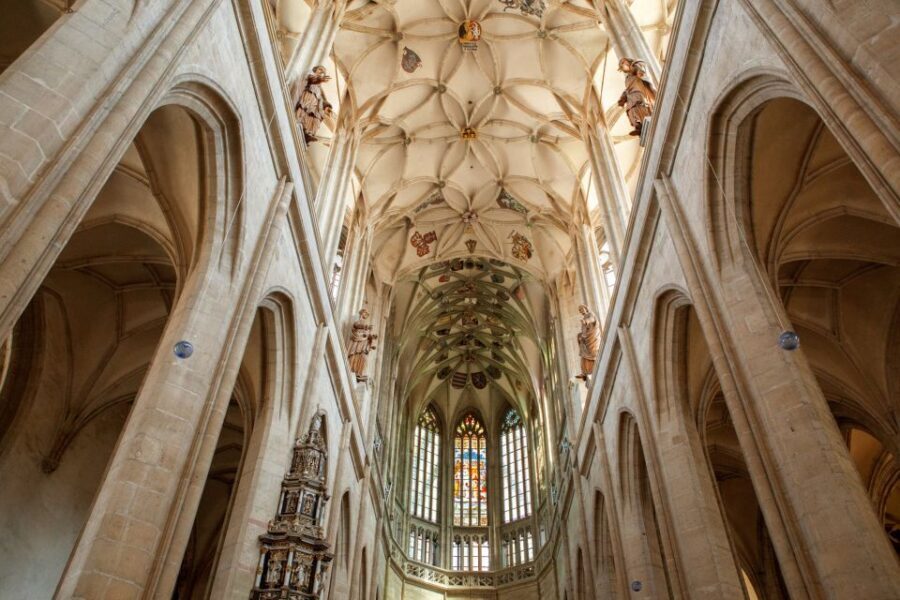
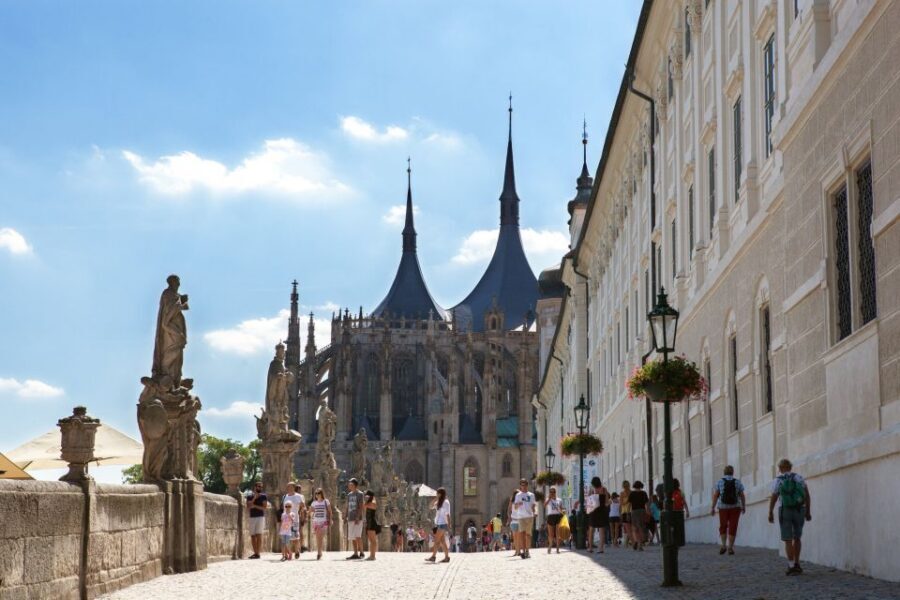
After Sedlec, the day shifts back into true architecture mode with St. Barbara’s Church. This stop is included with an entrance ticket, so you’re not trying to juggle timed entry or last-minute lines on your own.
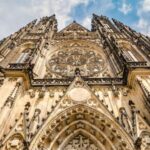
Why it works as a counterpoint: Sedlec Ossuary is memorable because of its concept. St. Barbara’s Church is memorable because of its craft—Gothic lines, dramatic interior space, and stained glass windows that show up in the glowing praise for this tour. If you like cathedrals that feel both grand and specific (not generic), you’ll likely enjoy this one more than you expect.
One practical thought: wear comfortable shoes. The church is part of a packed 6-hour plan, so you’ll want your feet ready for stair steps, uneven surfaces in historic areas, and quick transitions between sites.
Kutná Hora’s power story: silver money, Prague Groschen, and the Hussite Wars
A key reason this tour feels more than a checklist is that it explains why Kutná Hora mattered. In the 15th century, it wasn’t just a quiet town—it was an economic powerhouse of the Kingdom of Bohemia and played a crucial role in the Hussite Wars.
You’ll also hear how Kutná Hora rose through silver mining, including the link to the Prague Groschen, once a hard currency of Central Europe. That detail might sound like trivia, but it changes how you read the town. When you understand the money behind the buildings, you start noticing the status symbols: the scale, the ornament, and the ambition of the structures you pass.
The stories also tie Kutná Hora to Prague as a competitor—economically and culturally. And you’ll get the sense that this town wasn’t built for one ruler. It became a favorite residence for several Bohemian kings, which helps explain the mix of grand religious and semi-palatial sights you’ll see.
Sankturin House: Bohemia’s oldest Cistercian monastery
Sankturin House is another highlight because it’s not just a pretty stop. It’s described as Bohemia’s oldest Cistercian monastery, which gives the day more than one time period.
Cistercian sites often carry a particular mood: practical, spiritual, and shaped by the rhythm of monastic life. Even if you’re not a church-history fanatic, I’d expect you to get something useful here: you’ll see how religion and power weren’t separate in medieval Central Europe. Monasteries were centers of influence—land, learning, and local economy.
Because the day is only 6 hours, you won’t get hours and hours of wandering. Still, a guided visit helps you know what you’re looking at and why it matters.
Italian Court, Ruthardka Street, and the Stone House: walking through royal wealth
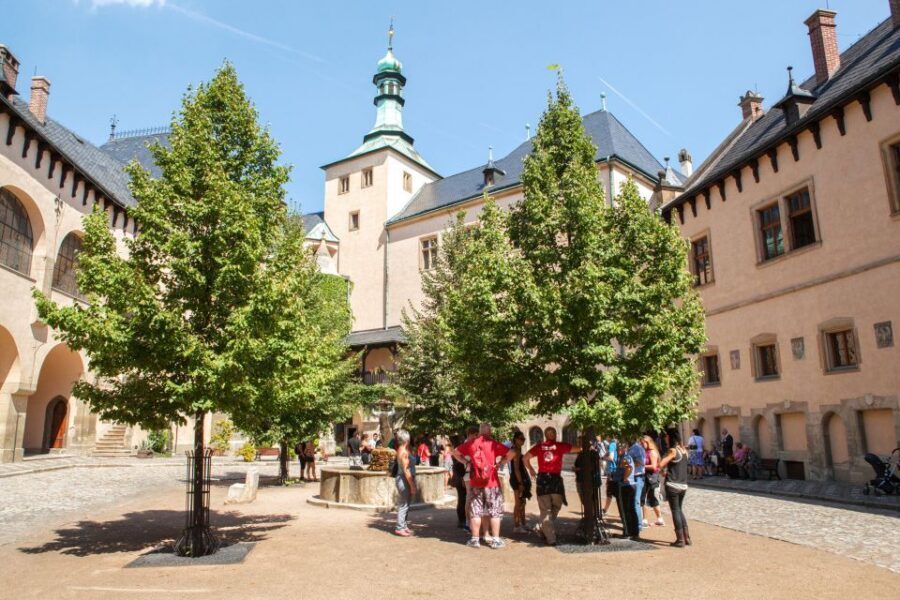
This is the part of the day where Kutná Hora starts to feel like a place with ambitions. You’ll see the Italian Court, plus Ruthardka Street, and the Stone House.
The Italian Court is often mentioned with a sense of “splendor,” and that makes sense if you think about what silver money could do in a kingdom where rival cities were fighting for influence. These buildings can feel like a visual argument: Kutná Hora had the wealth to build what it wanted.
Ruthardka Street is where you get that human scale. It’s easy to picture daily life here—passing shops, moving between homes and institutions, and watching a town thrive when the mining economy was strong.
Then comes the Stone House, which gives the “big town” feel inside a smaller city. You’re not just ticking off churches; you’re seeing how wealth shaped civilian architecture too.
A practical note: the walking is manageable, but it’s still walking on historic surfaces. If you’re traveling in winter (a lot of reviews mention snow), take extra care. Short distances can still feel longer when it’s cold and slick.
The Plague Column and the medieval in-between story
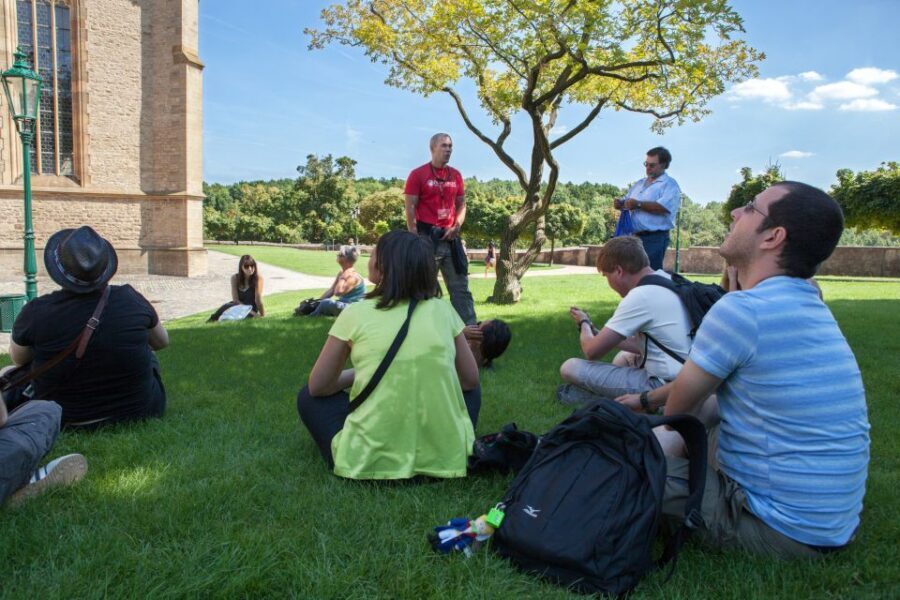
Most tours focus on the headline monuments. This one also includes the Plague Column, and that’s a smart choice for anyone who likes context.
Plague monuments belong to everyday history, not just royal power. They help you remember that towns can be rich and still vulnerable. In Kutná Hora, the story isn’t only about success from silver mining—it’s also about what could interrupt life, faith, and community.
This stop can feel like a breather between larger sights. Use it that way: pause, read what you can (if you’re able), and let the guide’s explanation connect the monument to the era rather than treating it as a random photo spot.
Timing and lunch: how to protect your focus in a 6-hour plan
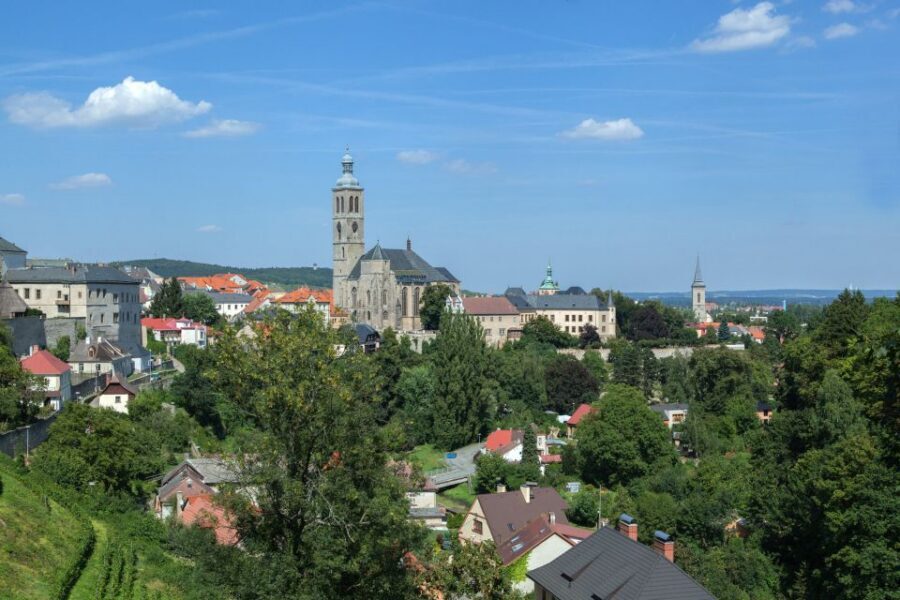
A 6-hour tour from Prague forces decisions. You’ll get a lot of stops, and the trade-off is that you won’t have endless time at each location.
Lunch is a key point: food and drinks aren’t included. Still, the guides on this experience often handle a lunch stop option, and several people mention being taken to a cozy restaurant with good Czech food and reasonable pricing compared with Prague. In other words, you’ll likely have a real meal break—but it’s not baked into the base package.
My advice: treat lunch as your one flexible window. If you want a slower sit-down, you should expect limited time. Some days are faster (and the ossuary/church visits have fixed timing), so if you’re the type who always wants dessert and a second coffee, consider planning that on another day in Prague.
Price and value: what $81 buys you (and what it doesn’t)
At $81 per person for about 6 hours, this is a value-focused day because it includes the pieces that usually eat time and planning energy:
- a live English guide
- entrance tickets to St. Barbara’s Church
- entrance ticket to the Sedlec Ossuary
- train tickets between Prague and Kutná Hora
What it does not include is food and drinks. That’s normal for a day trip, but you should budget for it so you don’t end up scrambling for a quick meal somewhere cold and inconvenient.
The best value part is how the tour reduces friction. You’re not trying to map routes between historic sites, negotiate tickets mid-day, and figure out local connections. In a town with several “must-see” stops spread across different areas, that kind of help is worth money.
Who this tour suits best (and who might want a different plan)
This tour fits well if you:
- want a guided structure for a UNESCO day trip
- care about history that connects buildings to economic power and wars
- like architecture as much as you like famous attractions
It’s also a good fit if you’re visiting Prague and only have limited time outside the city. Kutná Hora gives you a different side of Czech heritage than Prague’s streets.
One caution: this tour is not suitable for people with mobility impairments. If that applies to you, you’ll want to look for a different format or accessibility-friendly alternative.
Also, if you don’t like surprises (and you really don’t like macabre themes), Sedlec Ossuary is still there on purpose. The tour doesn’t hide it, and it shouldn’t—you just need the right expectations before you go in.
Should you book this Kutná Hora Bone Chapel tour?
If you want a day that mixes one famous and unsettling site with real Gothic architecture and clear historical context, this is an easy yes. The combination of Sedlec Ossuary, St. Barbara’s Church, and the walk through Kutná Hora’s power-era buildings gives you variety without forcing you to plan everything yourself.
Book it if:
- you like guided storytelling tied to specific monuments
- you want an organized transport plan from Prague
- you’re okay with a tight 6-hour schedule and no photos inside the Bone Chapel
Skip it if:
- you need lots of free time at each stop
- you require mobility-friendly routing
- you want food included in the price (it isn’t)
FAQ
Where is the meeting point in Prague?
Meet at the Czech Railway Main Ticket Office (České dráhy), located in the center of Prague train station on the minus 3 floor.
How long is the tour?
The tour lasts 6 hours.
Is there an English-speaking guide?
Yes. The tour includes a live tour guide in English.
What’s included in the price?
The price includes the guide, train tickets, entrance ticket to St. Barbara’s Church, and entrance ticket to the Sedlec Ossuary.
Is lunch included?
No. Food and drinks are not included.
Are photos allowed inside the Bone Church?
No. It is forbidden to take photos inside the Bone Church in Kutná Hora, Sedlec.
How do we get from Prague to Kutná Hora?
You take a train from Prague to Kutná Hora, with train tickets included. Local transport between stops is part of the guided day.
What main sights are visited besides the ossuary?
You’ll also see St. Barbara’s Church, Sankturin House (Bohemia’s oldest Cistercian Monastery), the Italian Court, Ruthardka Street, the Stone House, and the Plague Column.
Can I cancel for a refund?
Yes. Free cancellation is available up to 24 hours in advance for a full refund.
Is the tour suitable for mobility impairments?
No. This tour is not suitable for people with mobility impairments.