REVIEW · PRAGUE
Prague: Story of Prague Immersive Museum Experience
Book on GetYourGuide →Operated by Museum Story of Prague · Bookable on GetYourGuide
History you can step into, right by Charles Bridge. The Story of Prague draws you in with audio-visual installations and a guided storyline that moves through major eras of Czech history, from the Middle Ages to the 20th century.
I especially like the phone app audio guide approach: you scan a tag, put on the headset (or borrow one), and the museum story clicks into place as you move floor to floor. One thing to consider: the experience is self-paced and the narration can feel slow in spots, so if you hate waiting around, plan to read along too.
If you want an efficient way to get your bearings in Prague, this is a smart first stop. It’s also very hands-on, with interactive photo spots designed for quick, shareable results right where the story happens.
In This Review
- Key highlights to know before you go
- At the Charles Bridge entrance: where the Story of Prague starts
- Three floors of Prague history: from the Middle Ages to recent achievements
- How the phone app and headsets guide you
- Audiovisual installations that make scenes feel like you’re inside them
- Interactive photo points: where to stand for your best Charles Bridge-era shots
- Views and story rewards near the Clementinum windows
- Pace, crowds, and phone battery: practical tips that prevent frustration
- Price and value: what $18 buys you in a 1-day plan
- Who should book this Story of Prague visit
- Should you book Story of Prague?
- FAQ
- Where is the Story of Prague museum located?
- How long does the experience take?
- What is the price?
- What’s included with the ticket?
- Do I need my own headphones?
- How does the audio guide work?
- What languages are available?
- Are there starting times?
- Can I cancel for a refund?
- Is it suitable for people with mobility impairments?
Key highlights to know before you go
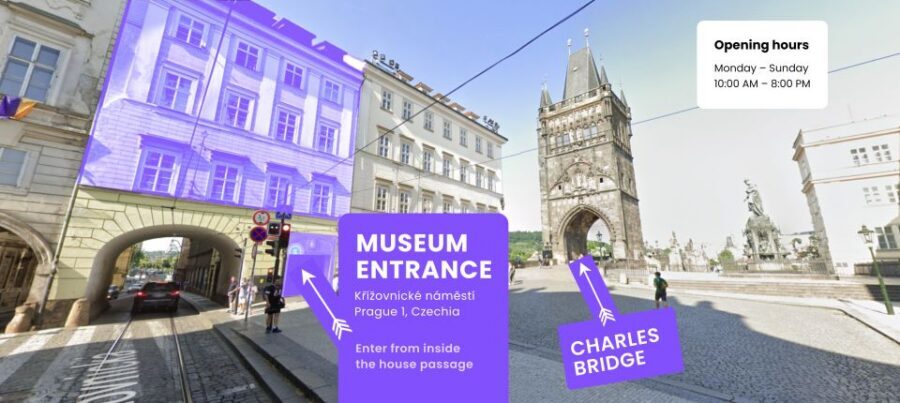
- Charles Bridge entrance location: you can drop in at the start of your day and keep exploring on foot afterward.
- Three floors of history: Middle Ages → World War II → communist regime → modern era and achievements.
- Your phone acts as the guide: scan tags, listen via included audio, and follow prompts without thick paper labels.
- Interactive photo points: get told where to stand for the best shots and video angles.
- Film and audio installations: scenes feel staged to make each time period easier to understand.
At the Charles Bridge entrance: where the Story of Prague starts
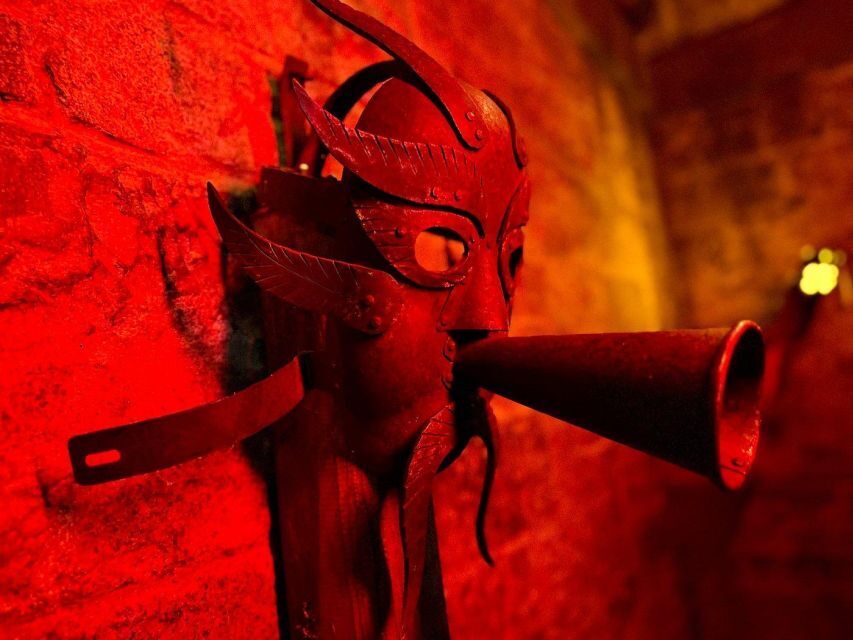
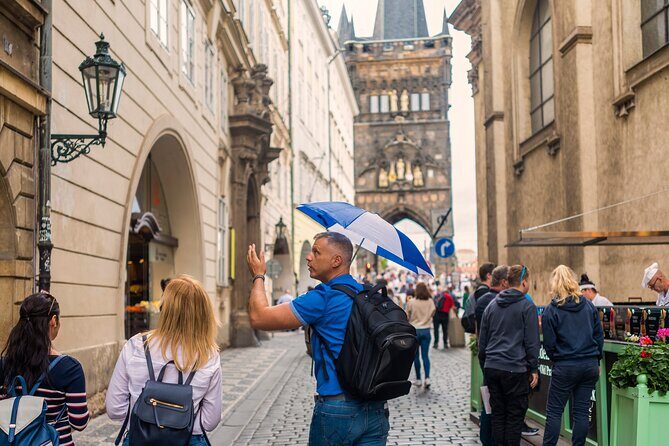
The museum is located right at the entrance to Charles Bridge, and that matters more than you’d think. You don’t lose time hunting for it, and you don’t have to make a separate “museum day” plan just to get oriented. If you’re doing Prague on foot, this is a clean way to start your walking route with context for what you’ll see outside next.
Getting in is straightforward: enter from inside the house passage at the Charles Bridge entrance. The staff and greeters offer multiple languages, and once you’re inside you’ll focus on the museum flow rather than logistics.
For a quick mental setup, think of this as a time-ordered story experience rather than a room of isolated artifacts. You’ll move through different sections of Prague’s past and present, helped by film installations and audio moments that put you inside the timeline.
You can also read our reviews of more museum experiences in Prague

Three floors of Prague history: from the Middle Ages to recent achievements
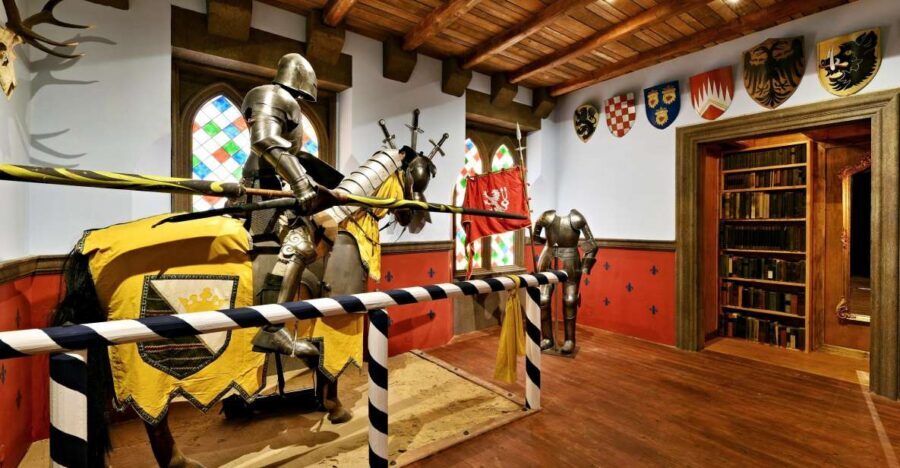
Story of Prague is built around movement through three floors, each tied to a different stretch of the city’s story. The big value here is continuity. Instead of bouncing between unrelated displays, you’re guided through a clear arc—from early eras, into the 20th century, and then toward more recent times.
Here’s the chronological path the museum follows:
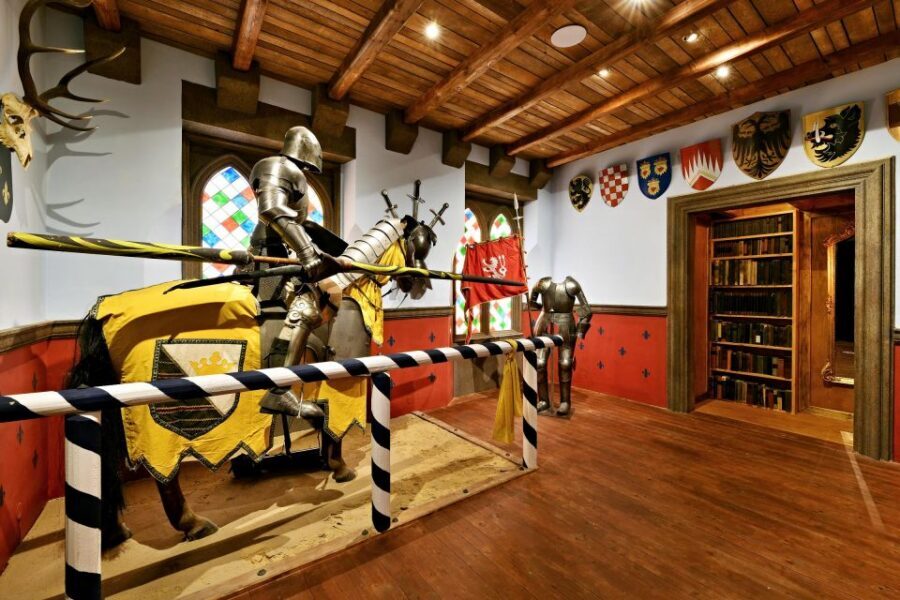
- Middle Ages and how Prague developed in those earlier centuries
- Second World War era (as part of the wider transformation across the 20th century)
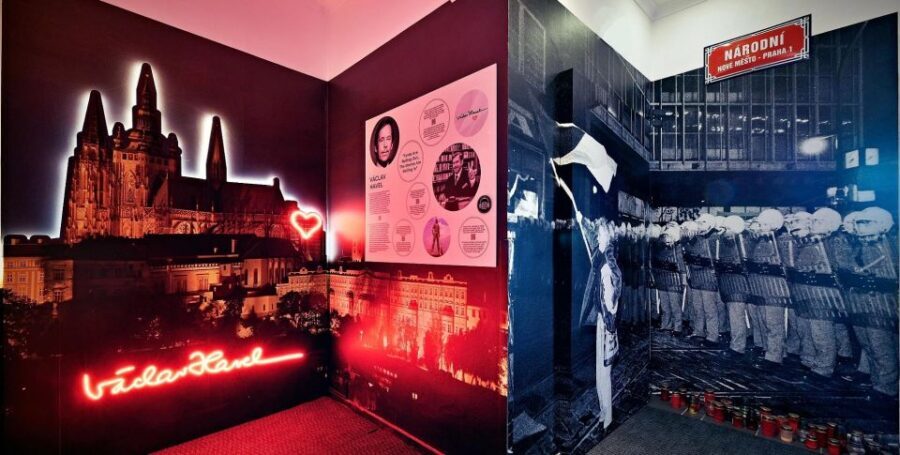
- The strict communist regime
- A final section that brings you into recent history, the present, and world achievements
What you’re really buying is understanding. Prague can look like a postcard of old towers and bridges, but the city also carries heavier chapters. When those chapters are explained with a storyline (not just labels), the modern city feels more readable. The museum avoids dry “you should care about this” text and instead tries to get you to understand the why behind the visible parts of the city.
Two practical notes:
- Plan for walking between floors. Even if you don’t climb many steps, you’ll be moving steadily through the experience.
- Keep your expectations realistic on pacing. The experience is not a five-minute stop; it’s meant to be a guided walkthrough with film and audio beats.
How the phone app and headsets guide you
A key part of the experience is the digital guide on your mobile phone. You download the app, then either connect your own headphones or borrow them at reception. During the visit you’ll keep using the phone, scanning tags to trigger audio and the next parts of the story.
This setup is smart for two reasons:
- You don’t have to hunt for a handheld device or sit still while someone talks over your head.
- You control the audio moment-to-moment as you reach each scene.
The museum provides audio support in multiple languages (Czech, English, Spanish, German, French). That’s a big deal if you’re traveling with a mixed-language group. And since the host greeters also cover several of these languages, you’re not left guessing when something doesn’t work right away.
One thing to watch: the app experience is phone-based. Some visitors point out that the experience can drain battery, and I agree that this is the kind of outing where a portable charger can save your day—especially if you’re also using your phone for maps and photos on Charles Bridge afterward.
Audiovisual installations that make scenes feel like you’re inside them
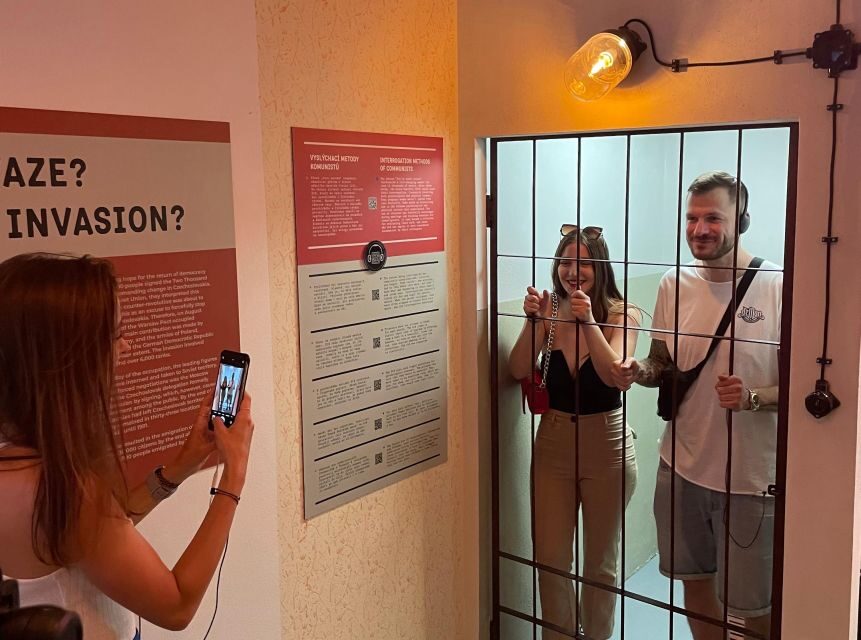
Instead of relying on static exhibits, Story of Prague uses audiovisual installations and a film-script style presentation to keep you moving through each time period. The result is that history doesn’t feel like “facts on a wall.” It feels staged, timed, and designed to be watched and heard.
You can expect installations that react as you stand in front of them. That’s part of what makes the experience feel different from classic museums. Rather than reading and forgetting, you watch, listen, and then you can immediately relate the story to what you’ll see in Prague later.
For the best payoff, give yourself permission to slow down at each film or sound moment. If you’re rushing, you’ll miss what the museum is trying to do—link explanation to what’s in front of you.
Also, remember that this is designed to be interactive. Some parts involve your phone and camera behavior, so make sure you’re comfortable with basic app/scan steps before you walk into the busiest areas.
Interactive photo points: where to stand for your best Charles Bridge-era shots
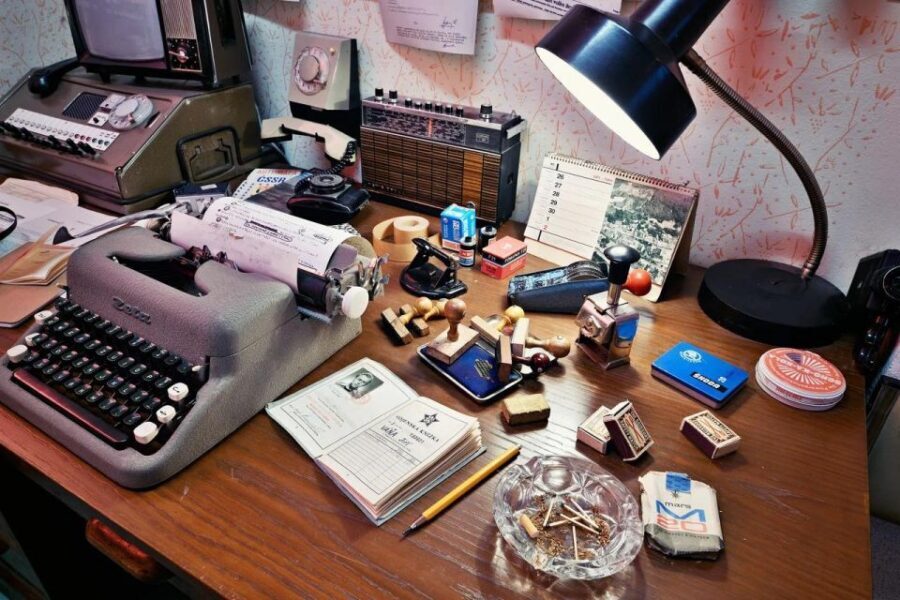
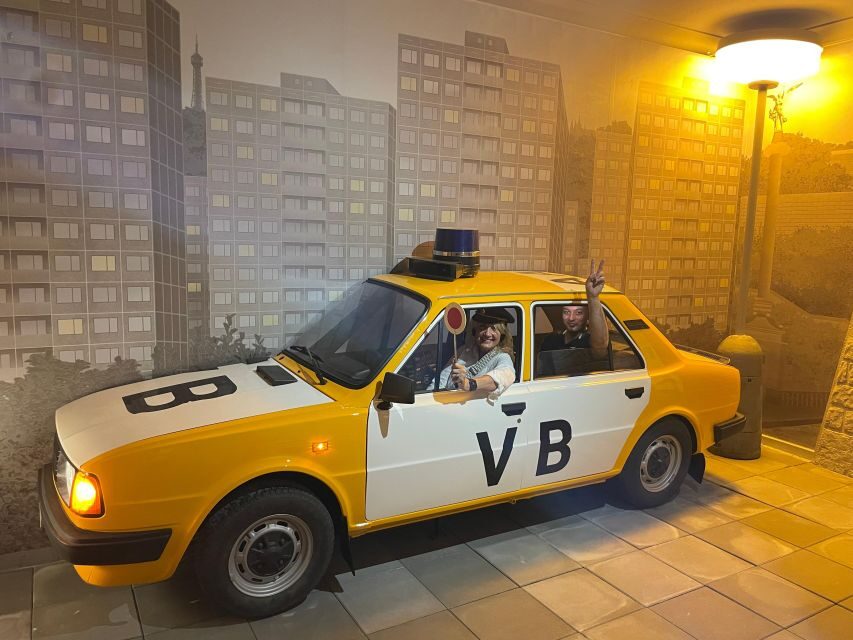
The museum builds in fun, and the photo moments are a big part of that. There are interactive photo points where you can take pictures and film yourself, with guidance on where to stand.
This is genuinely useful. Prague is full of “cool views,” but in a story museum you sometimes end up with photos that look like you wandered into a random corridor. Here, the photo points are designed to align with the installations, which helps your pictures actually match the scene you’re experiencing.
A practical tip: keep an eye on how you frame your shot before you start the recording. Since the installations can depend on your position, you’ll get better results if you stand where the marker suggests, then start your video.
If you’re sensitive to app and camera glitches, don’t assume your phone will behave perfectly on the first try. At least one visitor found the camera/app side a bit annoying. So bring patience, and if it’s being temperamental, switch to still photos rather than fighting with video timing.






Views and story rewards near the Clementinum windows
Not every museum ends with a reward. This one does, at least in part. In the upper section, you’ll reach an area that helps introduce recent history, the present, and world achievements. The museum also points you toward viewpoints from the museum windows that look at the Clementinum and the square below.
Even if you’re not a “view” person, these moments help connect story to place. Prague isn’t just something you learn about—it’s something you look at. When the museum gives you a perspective out toward key landmarks, you get a fast “oh, that’s what I’m seeing” feeling for later.
If you’re planning your day tightly, treat this section like a timing checkpoint. Once you’ve finished your last audio beats, you’ll be well set to step back outside and continue exploring with a clearer sense of how Prague changed over time.
Pace, crowds, and phone battery: practical tips that prevent frustration
The museum runs on a guided flow, but it’s also designed for self-navigation. That means your experience depends on how you move and how patient you are with the app and audio pace.
Here are the issues you should plan for:
- Audio can feel slow: some visitors said the narration takes longer than they expected, including moments that feel humor-forward before getting to the point. If you like fast, direct explanations, keep some time buffer and be ready to read plaques when you need a break.
- Route order may not be super obvious: because it’s tag-based, you might sometimes feel like you’re reading scenes out of sequence. If that happens, don’t panic—just match what you see to what the app tells you next.
- Crowds can make movement harder: the museum can get busy, and the interactive setups can be tight when lots of people are trying to take photos or wait for audio cues.
- Battery matters: plan for phone usage during a full walkthrough. A portable charger is a low-cost insurance policy.
My advice: go with the mindset that this is a story attraction, not a silent gallery. If you keep your expectations aligned—interactive, self-guided, and tech-assisted—most of the “annoyances” become minor instead of deal-breakers.
Price and value: what $18 buys you in a 1-day plan
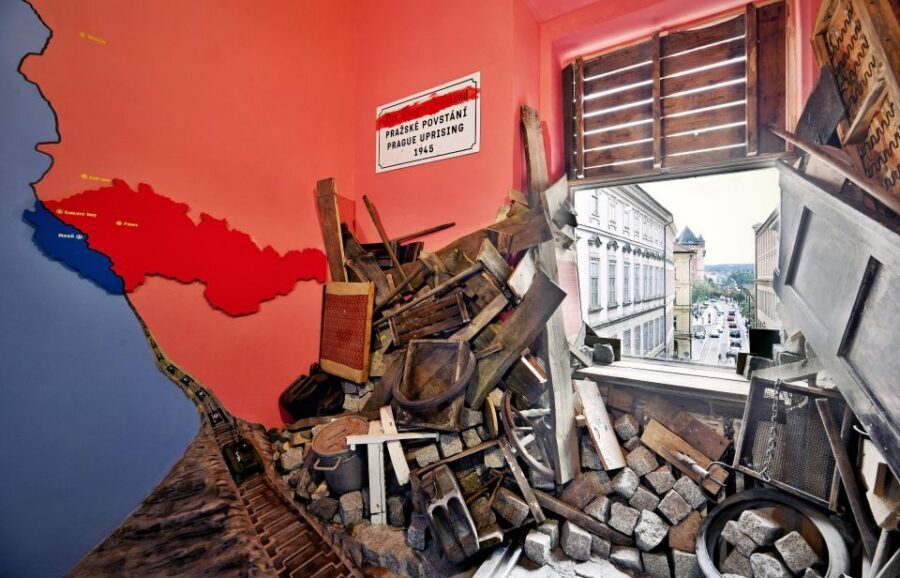
At about $18 per person for a one-day ticket, the value is mostly in the format. You’re not just paying for entry; you’re paying for a guided narrative using film, sound, and a phone app. In a city full of paid viewpoints, guided walks, and ticketed attractions, this is a relatively budget-friendly way to add context quickly.
It’s also cost-effective if you’re traveling with teens or people who struggle with traditional museum pacing. The museum is designed to hold attention with motion, visuals, and interactive photo points. If your group likes hands-on learning, it can save you from the “we’re stuck in a room for 45 minutes” problem.
That said, the value depends on your style:
- If you love listening but hate phone-based guidance, you might feel less engaged.
- If you prefer museums with lots of space and quick looking, the interactive parts and potential crowding could feel less comfortable.
So think of it as an “orientation and understanding ticket,” not a deep-archive museum.
Who should book this Story of Prague visit
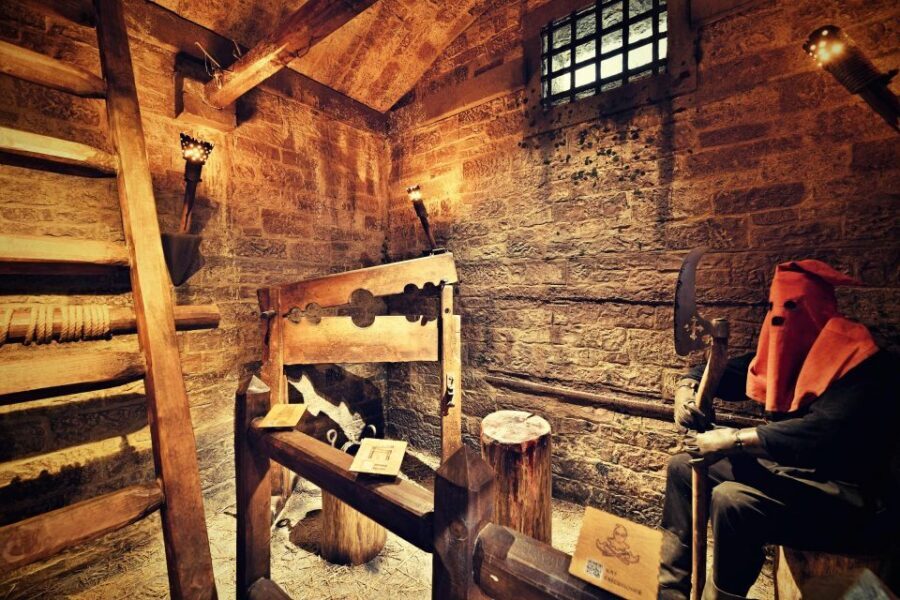
This is a good match if you want:
- A fast, story-driven overview of Prague’s major historical eras in one visit
- An experience that uses film + audio instead of only labels
- A way to get your bearings near Charles Bridge before you wander
- Something your group can do that doesn’t rely on silent, slow reading
It’s also a solid rainy-day option in the sense that you’re inside, moving floor to floor, and staying with a guided flow.
It’s not a great match if:
- You need an accessibility-friendly setup. The experience is listed as not suitable for people with mobility impairments.
- You get frustrated by phone apps or you know you’ll hate tech-based guidance steps.
- You have very tight timing and want a short, low-effort stop. This is designed as a 1-day walkthrough with multiple scenes.
Should you book Story of Prague?
If you’re doing Prague for a few days and want your first day to feel smarter, I think this is an easy yes. The location at Charles Bridge makes it practical, and the story structure helps you connect what you see outside with what you learn inside.
Book it if you’ll appreciate film-and-audio storytelling, like interactive photo moments, and are okay following a tag-based phone guide. Bring a portable charger if you rely heavily on your phone for photos too.
Skip it (or at least reconsider) if you dislike slow narration, hate app-based museum experiences, or know the crowd-and-queue reality near Charles Bridge will annoy you.
FAQ
Where is the Story of Prague museum located?
It’s located right at the entrance to Charles Bridge. You enter from inside the house passage.
How long does the experience take?
The ticket is valid for 1 day, and the museum experience is designed to fit within a day plan.
What is the price?
The price is listed as $18 per person.
What’s included with the ticket?
Your ticket includes entry to the Story of Prague Immersive Museum experience, the app, and headsets.
Do I need my own headphones?
You can connect headphones if you have them, or you can borrow headphones at the reception.
How does the audio guide work?
You download the app to your mobile phone, scan the first tag, and use the digital guide on your phone throughout the experience.
What languages are available?
The experience offers languages including Czech, English, Spanish, German, and French.
Are there starting times?
Starting times can vary, so you need to check availability for the times offered.
Can I cancel for a refund?
Yes. Free cancellation is available up to 24 hours in advance for a full refund.
Is it suitable for people with mobility impairments?
No. It’s not suitable for people with mobility impairments.