REVIEW · PRAGUE
Jewish Prague With a Local Historian
Book on Viator →Operated by Prague: Local Historian Tours · Bookable on Viator
Prague’s Jewish past is written into the streets. This 3-hour tour uses a local historian to connect Josefov and nearby neighborhoods to major turning points—from 13th-century life to World War II persecution. I like that you get specific stops tied to real locations, including the Klausen Synagogue and the Jewish Cemetery areas, not just general talk. I also like the pacing and the fact it’s built for questions, with a PhD-level guide like Jiri who clearly explains the stories without rushing. One consideration: it’s outdoors and relies on good weather, so plan for a true walking experience.
You’ll also appreciate that it’s a small group, max 6, and you can choose a morning or afternoon departure. The route starts near Nám. Franze Kafky and ends in Nové Město near Jeruzalémská, which makes it easy to keep exploring after you finish. The big trade-off is that the Jewish Museum isn’t visited together on this tour, though you can arrange it separately.
In This Review
- Key highlights you’ll feel on this walk
- Why Jewish Prague makes more sense with a local historian
- Price and what you actually get for $64
- Meeting point and end location: plan your day in advance
- Josefov: synagogues, the Klausen Synagogue, and the Jewish Cemetery
- New Town stops: the oldest known Prague Jewish cemetery and quieter corners
- Bubny and the Holocaust Memorial: a departure story tied to place
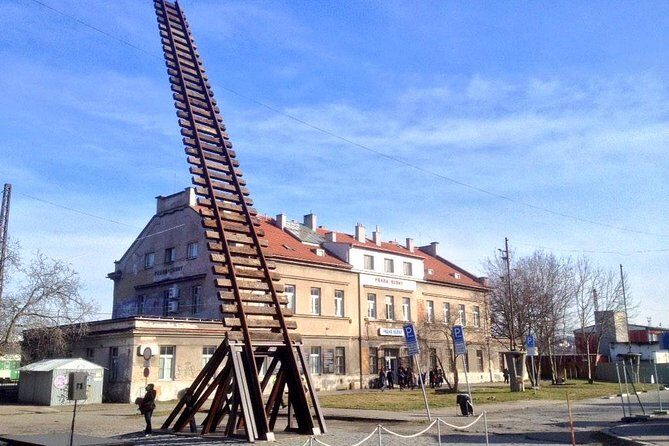
- Prague hlavní nadrazi: Nicolas Winton and 669 saved children
- Jerusalem Synagogue: you’ll see it, but tickets aren’t included
- The private, small-group feel: how it changes your questions
- A few practical tips so you get the most from the 3 hours
- Should you book this Jewish Prague tour?
- FAQ
- How long is the Jewish Prague with a Local Historian tour?
- How much does the tour cost?
- Is it a private tour, and how many people go?
- Where do I meet, and where does the tour end?
- What’s included in the price, and are any ticket costs extra?
- What happens if the weather is bad or I need to cancel?
Key highlights you’ll feel on this walk
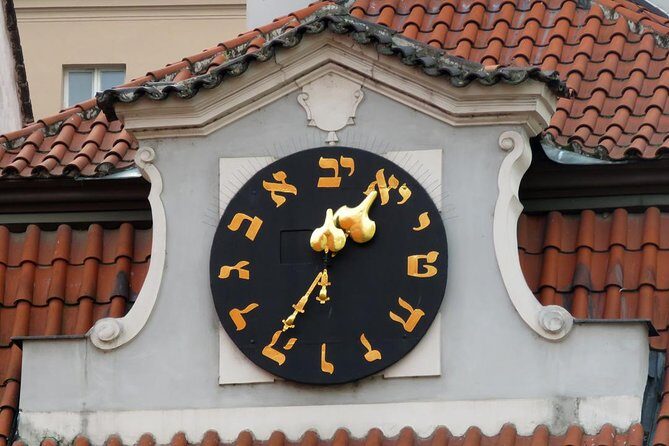
- Josefov street-level history with synagogues and hard-to-spot corners you’d miss on your own
- Holocaust context in the right places, including Bubny and the departure story
- Franz Kafka and Jewish life connections woven into what you see
- Nicolas Winton’s rescue story tied to Prague’s main station area (669 children)
- Judaism sites with clear ticket info, since Jerusalem Synagogue admission is not included
Why Jewish Prague makes more sense with a local historian
Prague’s Jewish sites are not all clustered in one tidy block. They’re spread across Josefov, nearby New Town streets, and the big transportation hub area where stories intersect with history. That’s exactly why I’d do this as a guided walk rather than trying to stitch together notes from maps.
The tour’s strength is the way it links place to story. You’re not only “seeing” synagogues or memorials; you’re getting the meaning behind them—like why Josefov mattered from the 13th century, when it became Europe’s largest Jewish ghetto. Then you move forward in time to the shock of World War II persecution, and to cultural echoes like Franz Kafka.
And it’s not delivered in a lecture voice. The reviews point out the guide’s patient, complete answers, and that matters when you’re dealing with heavy topics. It helps you ask the obvious questions—without feeling rushed—and get direct answers instead of vague ones.
One more practical win: the tour is small (up to 6), which makes it easier for your historian to slow down when a question pulls you off the script—like it should.
You can also read our reviews of more tours and experiences in Prague.

Price and what you actually get for $64
At $64 per person for about 3 hours, this is not a “cheap and cheerful” stop-by-stop script. It’s a focused walking tour with a historian, plus the useful extras that keep you from wasting time.
Here’s what’s included:
- all fees and taxes
- bottled water
- a Prague public transport ticket
You also get admissions that are free for multiple stops, and one stop where admission is included. That combination usually costs you extra elsewhere—either through museum tickets, transport confusion, or buying snacks and water on the go.
So the value isn’t only the price tag. It’s the fact that you’re paying for guided context in the exact places where the stories happened, with basic transit and water handled.
You should also note what isn’t fully included. Jerusalem Synagogue is part of the route, but admission there is not included. In other words, you’re not blindsided with endless ticket surprises—but you do need to plan for that one.
Meeting point and end location: plan your day in advance
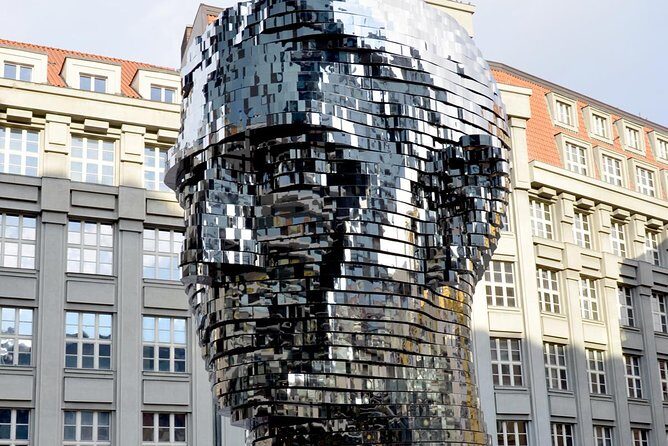
The start point is Nám. Franze Kafky 24/3, Staré Město (near public transport). That’s a smart choice because it puts you close to the center of tourist Prague while still walking into older Jewish Prague streets.
The tour ends at Jeruzalémská in Nové Město. That’s convenient. When you finish, you can keep exploring the broader New Town area without needing a major transit trip back to where you started.
Because there are multiple time options (morning or afternoon), you can match the tour to your energy level and the rest of your schedule. Just remember the tour requires good weather.
Josefov: synagogues, the Klausen Synagogue, and the Jewish Cemetery
Josefov is where your day really takes shape. You’ll spend about 1 hour 30 minutes walking through the Jewish Quarter and seeing synagogues and spots that are hard to spot on your own. That hidden-in-plain-sight quality is exactly what makes a guided walk worthwhile here. Prague’s old streets look simple until someone helps you read what you’re standing next to.
The highlights for this part include the Klausen Synagogue and the Jewish Cemetery area. Even if you’ve seen photos before, walking the streets in person puts scale and layout back into the story. You also get historical context tied to the period when Josefov dated back to the 13th century and became Europe’s largest Jewish ghetto.
A key detail: this tour does not visit the Jewish Museum together. If you want that museum time, the guide can arrange a visit separately. That’s important because the Jewish Museum can take time and attention. By not folding it into the main walk, the tour stays focused on street-level history and the most relevant nearby sites.
Possible drawback to keep in mind: since Josefov is primarily walking and outdoors, you’ll want comfortable shoes. Also, if you’re hoping for a long museum-style experience, you’ll need to plan that add-on yourself since the main route is not built around the museum.
New Town stops: the oldest known Prague Jewish cemetery and quieter corners
After Josefov, you’ll move into Nove Mesto (New Town) for about 30 minutes, focusing on smaller, less obvious Jewish connections. This segment is shorter, but it’s the kind of time-saver that feels good when you don’t want to spend the whole day in one neighborhood.
One highlight here is the oldest known Prague Jewish cemetery. A cemetery stop can sound grim on paper, but this is really about memory and continuity. Cemeteries are often where communities leave behind information that’s not easily found elsewhere, and a guide can help you understand what you’re looking at and why it matters.
You’ll also see other Jewish-related places in this area—three places total are referenced for this stop block. The point isn’t to “collect sites.” It’s to show how Jewish life and Jewish history threaded into the wider city, not only into the walls of the ghetto quarter.
If you hate rushing, this is one of the more forgiving segments because it’s compact. You’ll get a focused amount of time without feeling like you’ve been dragged through New Town at a sprint.

Bubny and the Holocaust Memorial: a departure story tied to place
Next is Bubny, about 30 minutes. This is the part where the tour turns from historical setting to World War II reality. You’ll hear about the departure place of Czech Jews to concentration camps and visit the Holocaust Memorial.
This stop is powerful, but it’s also practical. A memorial by itself can feel abstract until you understand what happened at that location and how people were sent onward. A good historian makes it less about shocking headlines and more about a timeline you can follow.
The main consideration here is emotional weight. If you’re sensitive to Holocaust topics, give yourself time to process after this stop. The tour keeps moving, but you can ask your guide questions to help you make sense of what you’re seeing.
Also, because this is outdoors walking, you’ll want your weather gear ready. Rain or cold doesn’t change the importance of the stories, but it does affect how comfortable it feels to stand and reflect.
Prague hlavní nadrazi: Nicolas Winton and 669 saved children
The tour then shifts to a place you’ll recognize fast: Praha hlavni nadrazi. This is about 15 minutes, and it’s built around a single story with big emotional impact.
You’ll hear the story of Nicolas Winton, who saved 669 Jewish children. Even in a short time, the tour gives this episode structure, so it lands as more than a statistic. Winton’s story is often easier to discuss than the worst parts of persecution because it focuses on action and rescue—still within the same overall WWII context.
Why this stop works for the tour value: it connects the Jewish story to a broader city landmark. If Josefov feels like the “old world” part of Prague, this station stop shows how modern infrastructure and human decisions collided during WWII.
A small practical note: because the time here is short, come ready to listen. This is the kind of stop where you’ll get more out of it if you don’t spend the first few minutes trying to orient yourself.
Jerusalem Synagogue: you’ll see it, but tickets aren’t included
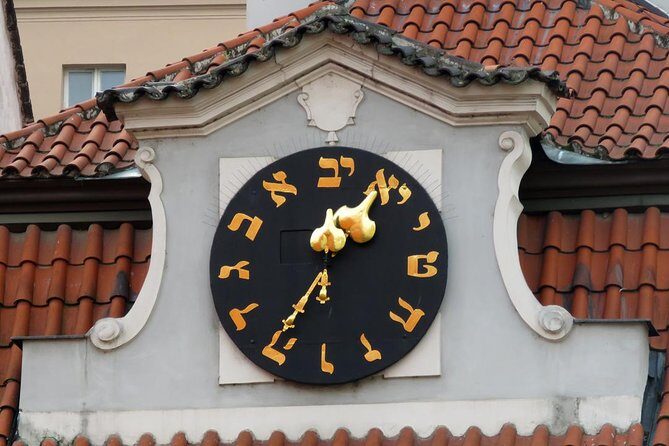
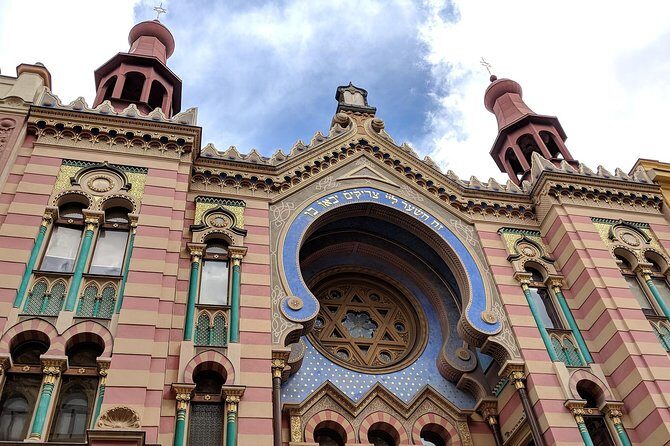
The last stop is at the Jerusalem Synagogue, about 15 minutes. The synagogue itself is on the route and is one of the named highlights, but admission is not included.
That’s a big planning point. If you want entry (instead of only seeing it from outside or from where the tour allows), you’ll need to budget for the ticket on your own. The tour is still structured to work either way, but knowing this up front keeps you from feeling rushed later.
This stop is also where you end the tour at Jeruzalémská in Nové Město. If you like to keep moving after a tour, this ending location helps. You’re already in a lively part of town where you can grab a snack, find a coffee, or continue wandering without backtracking.
The private, small-group feel: how it changes your questions
Even though the word private appears in the tour description, what you’ll notice most is the small group size: max 6 travelers. That gives your historian room to pace the conversation around what you care about.
The reviews emphasize the guide’s PhD-level clarity and the patience in answering questions. In practice, that means you can ask for context—why something was built, what a term means, or how multiple time periods connect—without it turning into a generic script.
It’s also helpful when you’re dealing with complex topics like WWII persecution and Jewish life. Small groups make it easier to ask the uncomfortable “why” questions, and to get calm, direct answers instead of quick one-liners.
A few practical tips so you get the most from the 3 hours
- Wear shoes you can walk in for a full 3 hours. This is not a sit-down tour.
- If you want the Jewish Museum too, plan it separately since the tour doesn’t include it together.
- Bring a layer. The tour depends on good weather, and “good weather” still means you might feel wind or cold at certain points.
- Have your ticket expectations ready: Jerusalem Synagogue admission is not included.
Should you book this Jewish Prague tour?
I’d book this tour if you want Jewish Prague history tied to real locations, not just a checklist of monuments. The structure is strong: Josefov for the core story, New Town for supporting Jewish sites like the oldest known cemetery, Bubny for WWII departure and the Holocaust Memorial, then Prague main station for Nicolas Winton’s 669 children, and finally the Jerusalem Synagogue to close out the day.
It’s especially good for first-timers who feel overwhelmed by the number of Jewish sites in Prague. The small-group, historian-led format makes the city easier to read and the stories easier to follow.
Skip it (or add museum time separately) if you’re looking for a long museum-style afternoon or if you hate walking outdoors for a couple of hours. Otherwise, this is a solid use of time—and a value-friendly one—because the main “cost” you save is confusion.
FAQ
How long is the Jewish Prague with a Local Historian tour?
It’s about 3 hours.
How much does the tour cost?
The price is $64.00 per person.
Is it a private tour, and how many people go?
It’s described as a private tour with a maximum of 6 travelers.
Where do I meet, and where does the tour end?
You start at Nám. Franze Kafky 24/3, Staré Město, and end at Jeruzalémská, Nové Město.
What’s included in the price, and are any ticket costs extra?
The tour includes bottled water, a Prague public transport ticket, and all fees and taxes. The synagogue and cemetery stops listed include free admission for multiple segments, but Jerusalem Synagogue admission is not included.
What happens if the weather is bad or I need to cancel?
The experience requires good weather. If it’s canceled due to poor weather, you’ll be offered a different date or a full refund. You can also cancel for a full refund up to 24 hours in advance.