REVIEW · PRAGUE
Prague: Choco-Story Chocolate Museum Entry with Tasting
Book on GetYourGuide →Operated by Choco-Story Praha · Bookable on GetYourGuide
Chocolate history can taste good.
Choco-Story Prague is a 30-minute hit of cocoa stories and samples, all in the heart of Prague. You follow the journey from ancient Mesoamerican customs to how cocoa helped shape Europe’s sweet tooth, then finish with a live sweets production moment.
I especially like the worldwide chocolate tastings—you try different styles and flavors instead of just one “house” chocolate. I also enjoy the fact that you get to watch pralines being made live, not just look at photos and hope you can imagine the smell.
One thing to watch: this is a tight, short format. If you want a hands-on chocolate-making workshop where you actually make your own sweets, the standard entry isn’t that. It’s tour + tasting.
In This Review
- Key things I’d plan around
- Inside Choco-Story Prague: what 30 minutes is actually like
- Your tasting route: how the chocolate part works
- The exhibits that connect cocoa to world history
- Watching Belgian pralines made in real time
- Audio guide in four languages: your “don’t miss the plot” tool
- The shop side of the museum: where purchases happen
- Price and value: is $14 fair for what you get?
- Who this is for (and who should choose something else)
- Practical tips so your visit feels smooth
- Should you book Choco-Story Chocolate Museum with Tasting?
- FAQ
- How long is the Choco-Story Chocolate Museum visit?
- What does the entry ticket include?
- Do I get tastings during the visit?
- What languages are available for the audio guide?
- Is the experience wheelchair accessible?
- Where is Choco-Story located?
- Is there an option to reserve without paying right away?
- Can I cancel my booking for a refund?
- Does the standard ticket include making chocolates yourself?
- Is the entrance easy to find from the street?
Key things I’d plan around
- Short 30-minute format keeps it light, not a long museum crawl
- Global chocolate tasting gives you a quick flavor comparison across styles
- Aztec and Maya cocoa customs add real-world context to what you’re eating
- Live Belgian pralines production turns the session from passive to watch-and-learn
- Audio guide in 4 languages helps you keep up without reading everything
- Museum entrance connects to the shop so it can be easy to miss from the street
Inside Choco-Story Prague: what 30 minutes is actually like
Choco-Story Prague is built for speed with purpose. You’re not wandering for hours through glass cases; you’re moving through a guided set of stops, paired with an audio guide and multiple tasting moments. The whole experience is designed to land the story of cocoa and chocolate without bogging you down in classroom detail.
The setting is central, so it slots neatly into a day of sightseeing. I like that it’s short enough that you won’t feel like you “lost” your afternoon if you’re already tired from walking. You get an experience that fits into the real rhythm of Prague: a quick cultural detour, then back out into the city.
The only trade-off is that you won’t get deep time for lingering. You’ll enjoy the exhibits, but you’ll move. If you’re the type who likes to stand and re-read every panel, plan to treat this more like a guided preview than a full museum commitment.
You can also read our reviews of more food & drink experiences in Prague



Your tasting route: how the chocolate part works
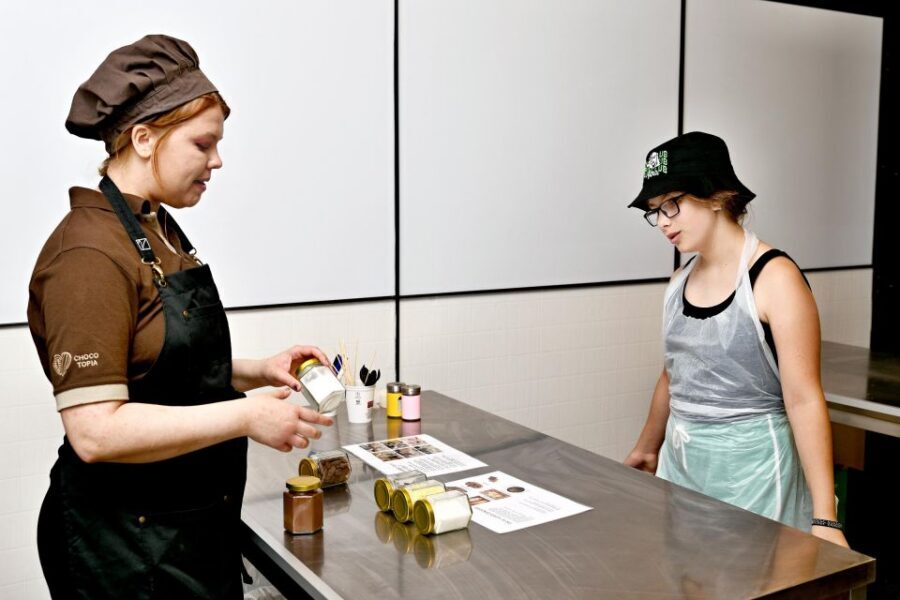
The tasting is the main event for many people, and Choco-Story does it in a structured way. You’ll sample during your visit while you’re hearing the story of cocoa and its transformation into chocolate. That pacing matters. It keeps your brain from treating chocolate like just a snack and helps you connect flavors to origin, processing, and tradition.
You should also know the tasting portion is limited in quantity. One person felt the tasting came down to about five different types. Even if your set varies slightly, the overall idea stays the same: expect a focused tasting, not a long flight that lasts ages.
A practical tip: treat it like a “menu reading.” Take small bites and pause before you chase the next one. Chocolate flavor isn’t just sweetness—it’s bitterness, roast, cocoa character, and sometimes added notes. In a 30-minute visit, that pause is what turns tasting into learning instead of just eating.
The exhibits that connect cocoa to world history
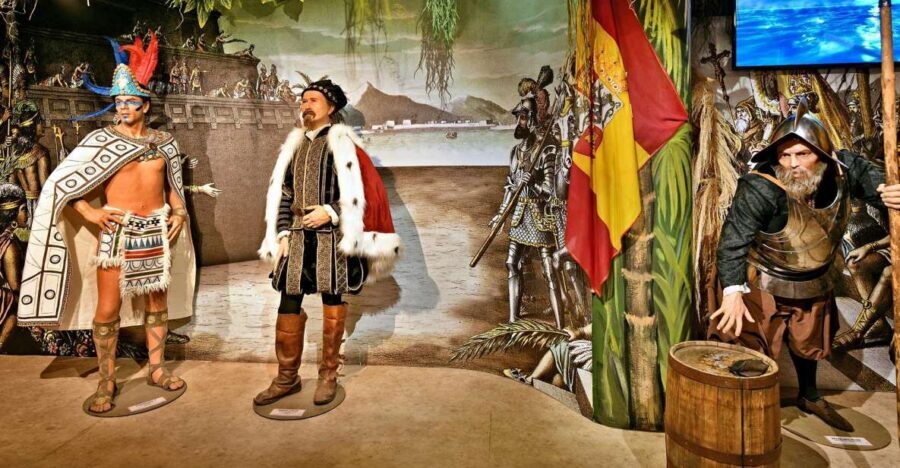
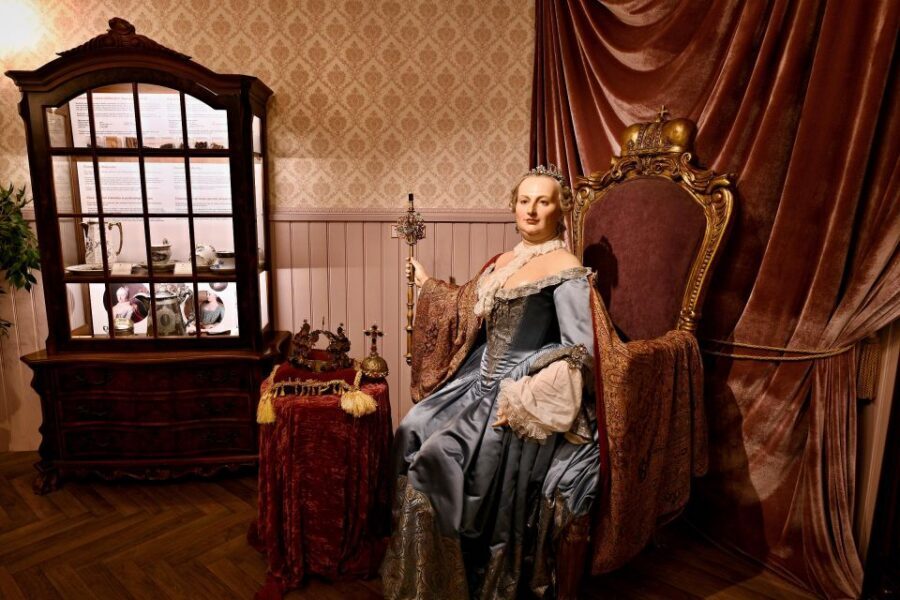
The museum’s big promise is that chocolate isn’t just a treat. It’s a product with a trail: how cocoa customs spread and how Europe changed the story. As you move through the exhibits, you’ll see panels, illustrations, and videos explaining the culture of cocoa and how it traveled—then changed—before becoming the chocolate you buy today.
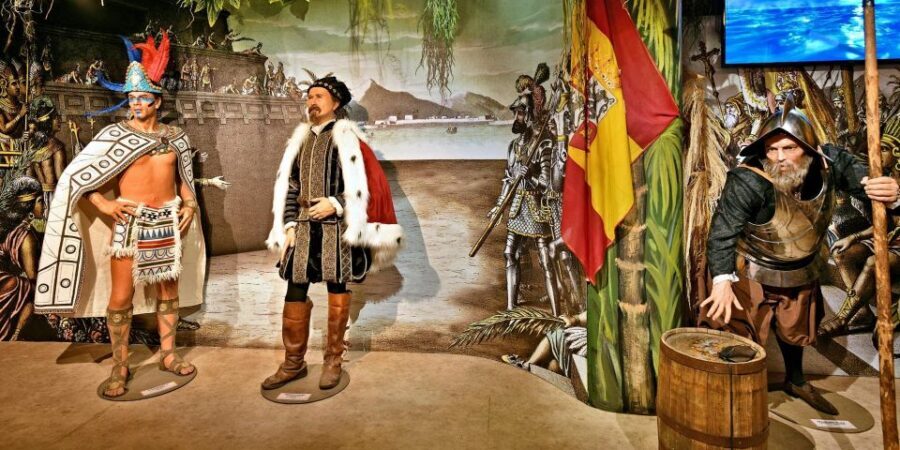
A standout theme is the focus on ancient Mesoamerican traditions. You’ll learn about Aztec and Mayan customs tied to cocoa, which gives the tasting a better sense of place. It’s easier to understand why cacao became symbol, ritual, and eventually commerce once you see how it was used long before it was a candy.
Another theme you’ll hear about is the historical influence chocolate had as it reached Europe. You’ll watch the transformation from cocoa to finished product, and you’ll also get the bigger idea: how a single agricultural ingredient can shape trade routes, culture, and even modern tastes.
The value here is context. If you love chocolate, you’ll likely enjoy the flavor stories. If you don’t usually think about where food comes from, this is an approachable way to learn without needing a textbook.
Watching Belgian pralines made in real time
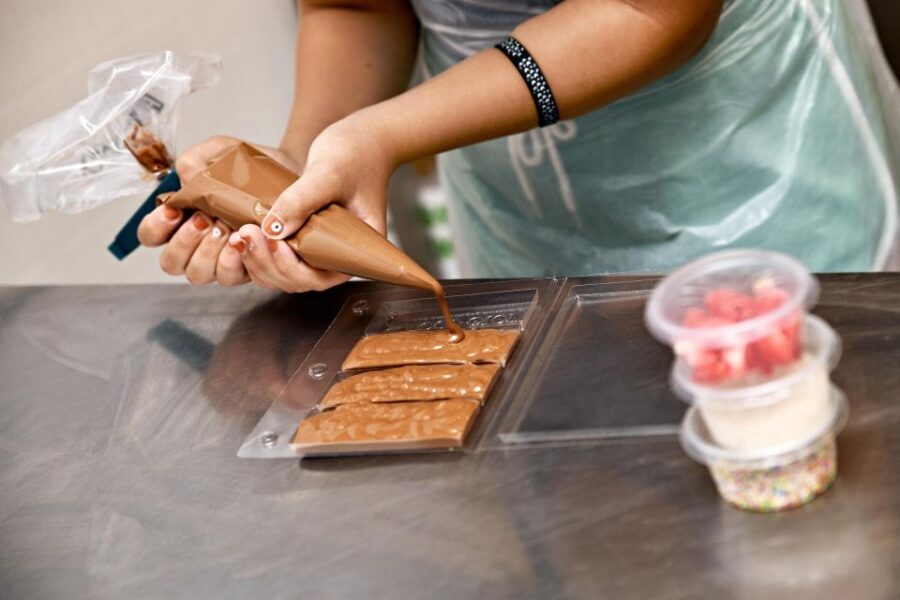
This is one of those “eyes on, mouth ready” moments. Instead of only learning about chocolate through screens and signage, you get to watch a master chocolatier demonstrate the art of making artisanal pralines—specifically Belgian-style pralines.
Watching production changes how you experience chocolate. It turns the subject from abstract history into hands-on craft, even if you’re not doing the work yourself. You’ll see how technique matters: shaping, forming, and presentation that separates a random candy from something made with intention.
Even better, the demo fits the overall short timing. It gives you a payoff moment that feels more memorable than yet another static exhibit. If you’re going with kids or anyone who gets restless in museums, the live making can be the difference between staying engaged and checking the exit sign.
Audio guide in four languages: your “don’t miss the plot” tool
Choco-Story includes an audio guide, and it’s offered in Czech, English, German, and Russian. That’s a big deal in a place like this, because the story depends on what you hear while you’re walking between exhibits.
For you, the practical benefit is simple: you can focus on the visuals without feeling like you must read everything on the spot. When you’re moving quickly, audio helps you keep the timeline straight—especially when the museum is jumping between ancient customs and how chocolate became European.
If you’re traveling in a mixed-language group, the audio options also help everyone participate without everyone crowding one tablet or printed leaflet.
You can also read our reviews of more museum experiences in Prague





The shop side of the museum: where purchases happen
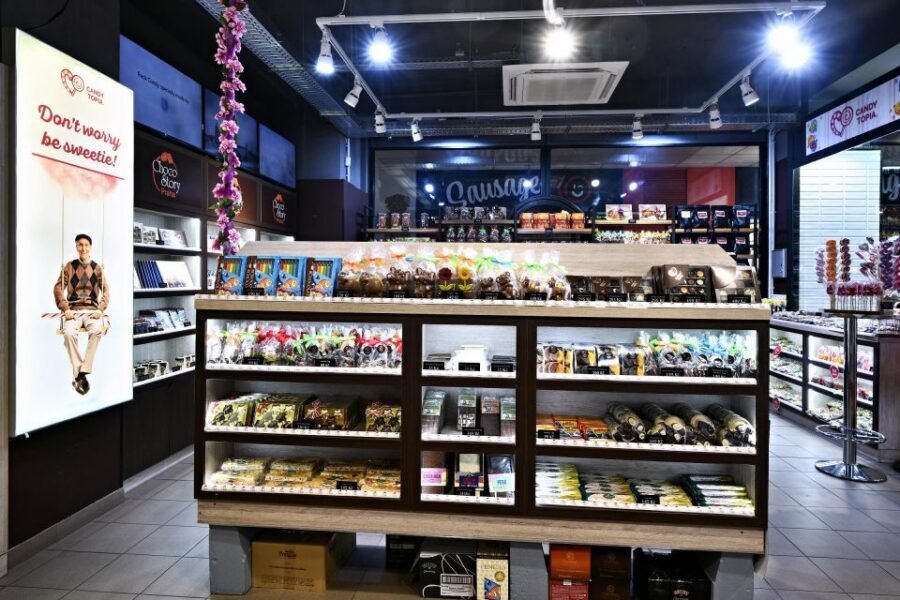
The museum connects directly to the shop. That sounds minor, but it affects your experience. You enter from the shop side, and the layout can make the entrance a little tricky to spot from the street.
I’d treat this as a feature, not a glitch. The shop means you can turn learning into buying immediately. If you tasted something you really liked, it’s right there. No wandering around Prague trying to match a flavor you can’t name.
One caution: it’s easy to overspend if you go in hungry or on a sugar high. If you want value, pick a couple of items you can actually describe in your head (type of praline, style, cocoa strength) and then buy small to try. The shop can eat time and money if you let it.
Price and value: is $14 fair for what you get?
At about $14 per person, Choco-Story sits in the “worth it if you’re hungry for chocolate culture” zone. You’re paying for three things bundled together: the entry, an audio guide, and chocolate tastings. You’re not paying only for access to exhibits.
The fact that it lasts around 30 minutes also changes the value equation. This is good if you want something quick and focused. It’s less good if you planned to spend a long stretch in a museum and see lots of depth.
From a value standpoint, the live pralines demonstration is a meaningful part of what you’re buying. It’s one of those inclusions that makes the experience feel active rather than passive. Combine that with tastings and you get a product that’s hard to call purely “informational”—it’s also sensory.
If you’re on a tight schedule in Prague, this can be a very efficient use of time. If you’re expecting a full-day deep museum, you might feel like the session is too short.
Who this is for (and who should choose something else)
This works best for:
- Chocolate lovers who want quick taste comparisons tied to a story
- People who like history, but don’t want a slow, long lecture
- Families or mixed-age groups where you want a “watch something” moment
- Travelers who want a central, timed activity that’s easy to slot into a day
You might want to skip or adjust expectations if:
- You’re hunting for a long museum experience with lots of reading time
- You want to make your own chocolates on the spot. The standard entry emphasizes tour and tasting; hands-on making requires a separate option.
Also, if you tend to arrive late to attractions, keep yourself on a strict clock. With a short, guided format, you want to be there when the program starts so you don’t feel rushed.
Practical tips so your visit feels smooth
First, give yourself a few extra minutes to find the entrance. Since the museum entrance is tied to the shop, you may need to look around a bit once you’re already nearby.
Second, plan your tasting mindset. In a short visit, flavor differences matter more than quantity. Slow down for the tastings even if you feel tempted to speed-run the chocolate.
Third, use your audio guide actively. When you hear terms about origins and how cocoa became chocolate, connect it to what you’re seeing in front of you. It makes the story feel like one flow instead of separate bits.
Finally, decide in advance whether you’re buying. The shop is right there, and that’s convenient. It’s also how impulse purchases happen.
Should you book Choco-Story Chocolate Museum with Tasting?
Book it if you want a quick, central, chocolate-focused experience that mixes history context, tastings, and a live Belgian pralines production moment. At $14, the value works best when you treat it as a short guided stop that leaves you satisfied and with ideas to explore later—especially because the audio guide in four languages keeps you in the story.
Skip it if your top priority is a long, deeply detailed museum visit, or if you specifically want to do hands-on chocolate-making during your visit. In that case, you’ll likely feel like you came for one thing and got another.
If you’re doing Prague on a packed schedule, this is one of those rare activities that’s both easy to commit to and fun while you’re there—because you don’t just learn about chocolate. You taste it while you learn.
FAQ
How long is the Choco-Story Chocolate Museum visit?
The experience is about 30 minutes.
What does the entry ticket include?
It includes the entry fee, an audio guide, and chocolate tastings.
Do I get tastings during the visit?
Yes. There are multiple chocolate tastings throughout the experience.
What languages are available for the audio guide?
The audio guide is available in Czech, English, German, and Russian.
Is the experience wheelchair accessible?
Yes, the experience is wheelchair accessible.
Where is Choco-Story located?
It’s in the very heart of Prague, in the central area of the city.
Is there an option to reserve without paying right away?
Yes. You can reserve now and pay later, meaning you pay nothing today.
Can I cancel my booking for a refund?
Yes. You can cancel up to 24 hours in advance for a full refund.
Does the standard ticket include making chocolates yourself?
The standard entry focuses on the guided tour and tastings. If you want to make your own chocolates, you’ll need a different ticket.
Is the entrance easy to find from the street?
The entrance is from the shop, so it may be a bit tricky to spot from the street.