REVIEW · PRAGUE
World War II 4WD Tour from Prague with Lunch
Book on GetYourGuide →Operated by Offroadsafari.cz · Bookable on GetYourGuide
Sudetenland has secrets under the ground. I love that you start in an authentic WWII underground shelter where you can see and touch original items. I also like the max-6 small-group setup with plenty of Q&A time with Martin, who’s happy to talk Czech history and how democracy evolved here. The main drawback to consider: this is not wheelchair-friendly, and the topic is heavy, with real accounts tied to occupation and forced labor.
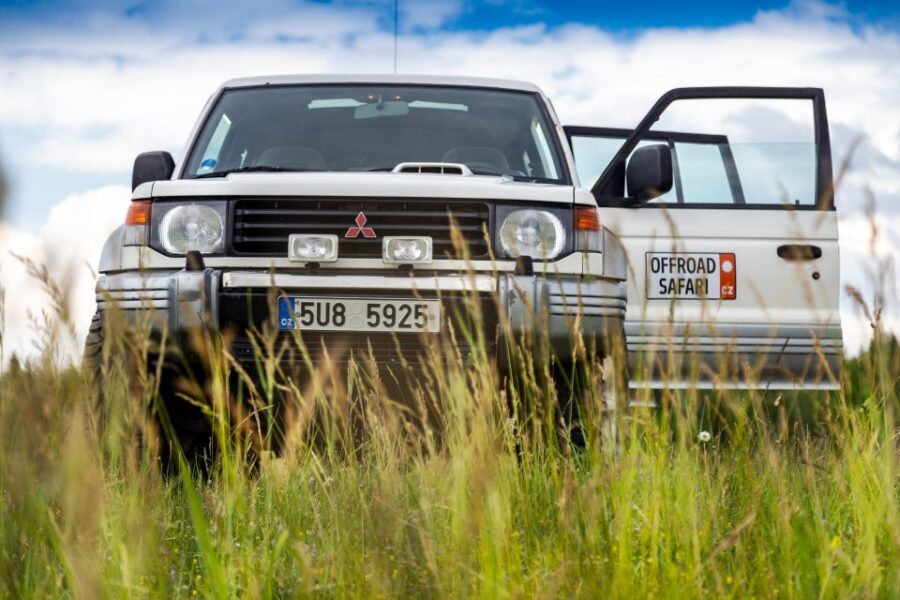
You’ll roll out from Prague in a 4×4, then spend the day bouncing between bunkers, shelters, underground spaces, and traces of WWII industry and war damage. Lunch is genuinely part of the value, not a rushed afterthought, with a local à la carte meal and unlimited Czech beer included.
This tour is built to work across ages and body sizes (kids 8+ through seniors 99). Wear comfortable shoes and plan on being outside around old structures and terrain that are not designed for easy strolling.
In This Review
- What makes this WWII 4WD tour work (key highlights)
- Entering the WWII underground: where the day starts
- The Sudetenland drive: why the 4×4 route is more than just transport
- Bunkers, shelters, and underground tunnels: learning by seeing the system
- Nazi industry and forced labor: seeing what war production looked like
- RAF and US bombing traces: understanding why these sites are scarred
- Lunch break that actually feels local (and beer-included)
- The final short stop: one more piece of the puzzle
- Price and value: is $293 fair for a 7-hour max-6 tour?
- Who should book this WWII 4WD tour from Prague?
- What to bring for comfort and better photos
- Should you book this WWII 4WD tour?
- FAQ
- How long is the WWII 4WD tour from Prague?
- What’s the group size?
- Do I get lunch and drinks included?
- Is pickup included?
- What language is the guide?
- What should I wear?
- Is it suitable for wheelchair users?
- Is it okay for kids?
What makes this WWII 4WD tour work (key highlights)
- Start in a real underground WWII shelter stuffed with original items you can see and touch
- Martin’s guided explanations that connect Sudetenland history to broader Czechoslovakia events
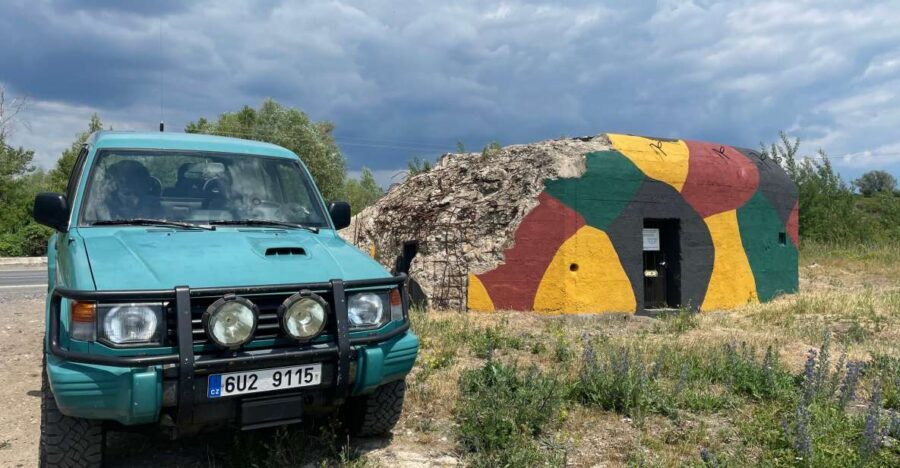
- 4×4 countryside access to multiple bunkers, shelters, and underground tunnels rather than one single stop
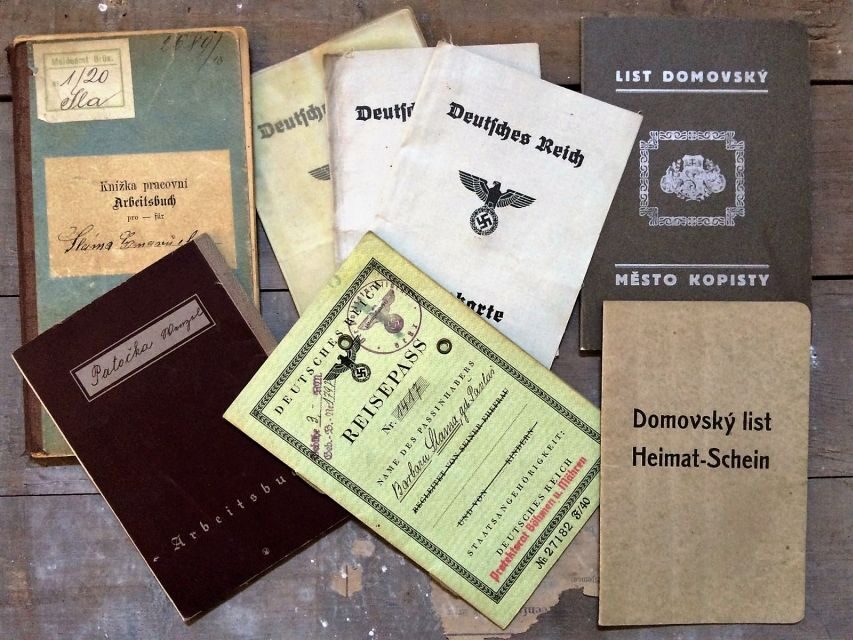
- Hands-on war artifacts and documents, including personal IDs, maps, and aircraft debris
- Bombing and fuel-production context tied to RAF and US forces targeting Nazi industry
- Lunch with unlimited Czech beer and bottled water on board for a calmer reset mid-day
Entering the WWII underground: where the day starts
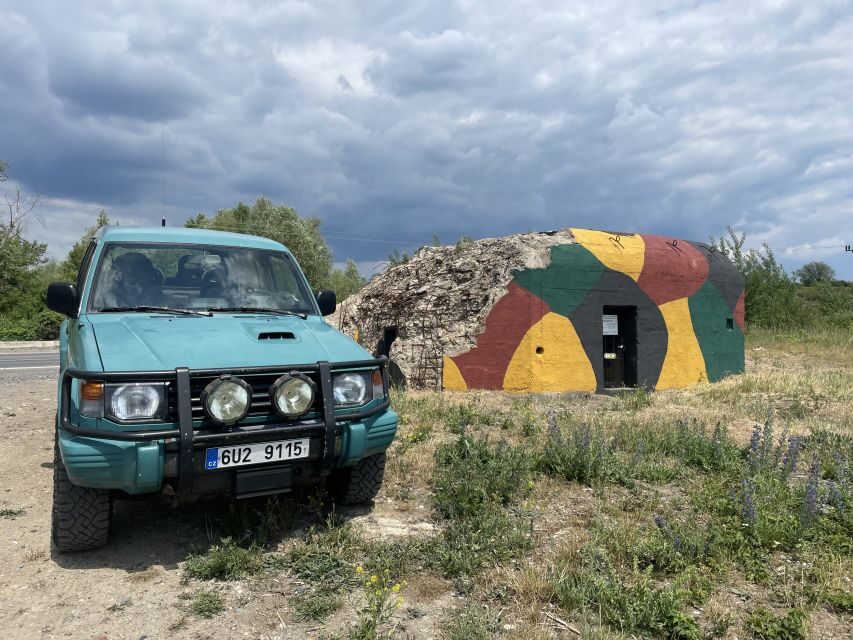
The best way to understand this tour is to picture it starting below ground, not in a tidy museum hall. You begin in an authentic WWII underground shelter that’s prepared with original items. The key word here is original: you’re meant to see real material evidence, not just stand and listen.
That hands-on start matters because it changes how you process the stories. It’s one thing to hear about shelter life during bombardment; it’s another to stand in a space where objects and documents are still there in front of you, close enough to feel the weight of the era. I like that the guide doesn’t gloss over the hard parts. Expect straightforward explanation of what life meant in occupied Sudetenland and Czechoslovakia under Nazi rule.
And because Martin is built for questions, you’re not stuck with a one-way lecture. You can ask about Czech history and traditions, and even about democracy and how people rebuilt after the war. That turns the underground portion from a set piece into a conversation.
Practical note: you’ll want outdoor clothing. Even when the shelter is controlled, you’ll be moving between spaces, and this is an activity day, not a sit-in-a-coach day.
You can also read our reviews of more tours and experiences in Prague


The Sudetenland drive: why the 4×4 route is more than just transport
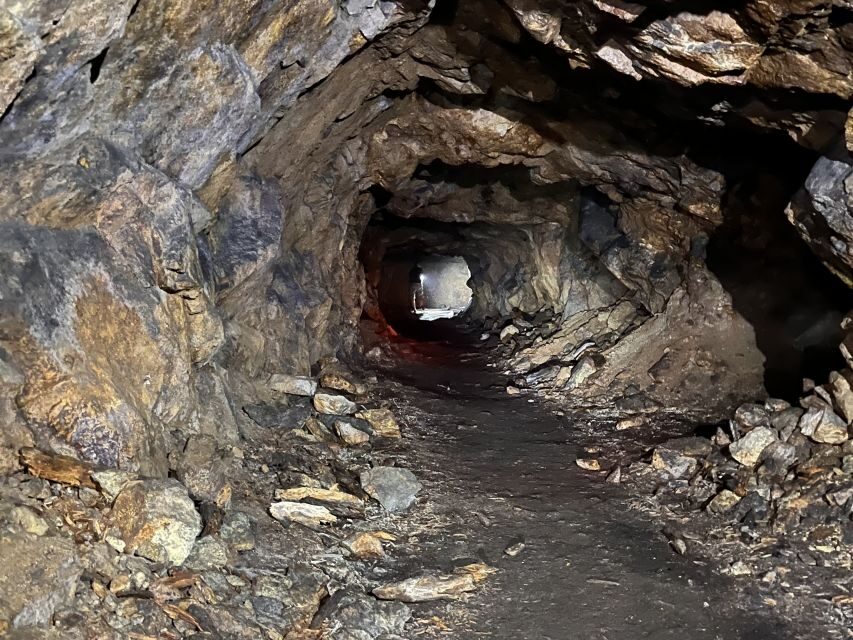
A one-hour ride from Prague takes you toward the former Sudetenland in northwest Bohemia. That drive isn’t filler. It sets the tone: the countryside is where much of the war infrastructure still sits, scattered through rural areas rather than grouped into one museum campus.
In the 4×4 vehicle, the day becomes a sequence of short story stops. You’re not just “seeing” bunkers and shelters—you’re being guided to understand why they were placed where they were. Many tours show you one bunker. This one aims to connect multiple types: shelters, air raid-related structures, and underground passages, with Czech and Nazi-made elements discussed in context.
Also, the vehicle ride is part of the fun if you like the feeling of getting off the main road. If you prefer quiet, paved sightseeing only, the 4×4 may feel more rugged than you want. But if you’re there for history you can touch (and settings you can actually picture as functional parts of war life), the route makes sense.
Bunkers, shelters, and underground tunnels: learning by seeing the system
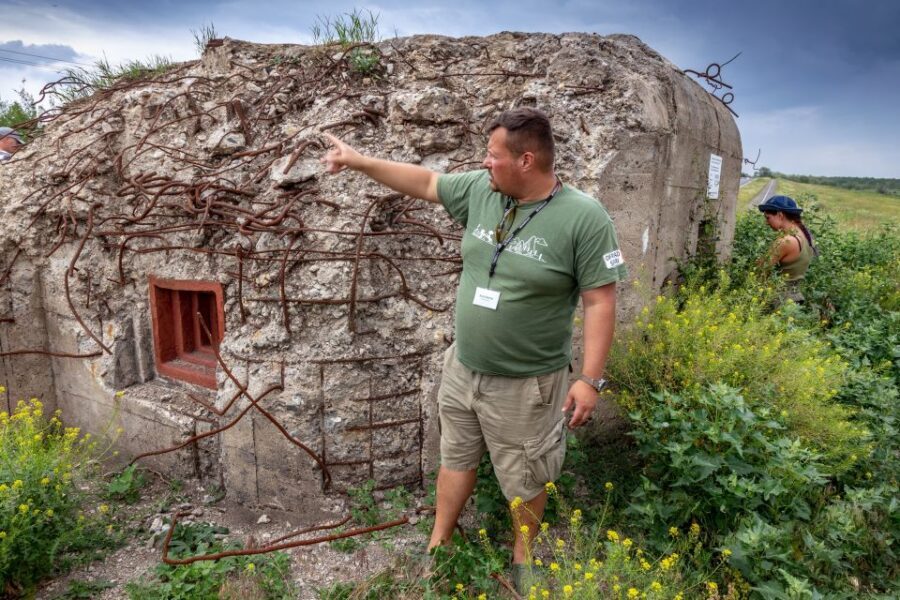
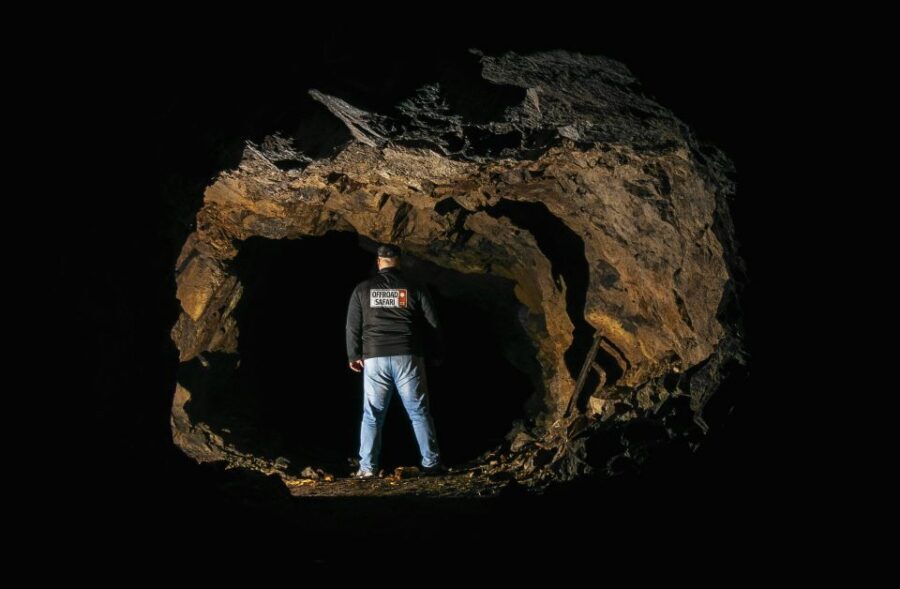
Once you’re out on the ground level sites, the tour leans into variety. You’ll spend time visiting a range of shelters and bunkers—some Czech-made, some tied to Nazi construction—and you’ll also encounter underground tunnels and passages. The point isn’t to memorize a list of sites. It’s to understand how protection, storage, and movement worked during occupation and bombardment.
Martin’s explanation is built to help you read the landscape as war infrastructure. You’ll hear the hard history behind why people needed these spaces, and how occupation shaped daily life. I like that the tour frames the structures as tools used in a real system—rather than as spooky ruins for photos.
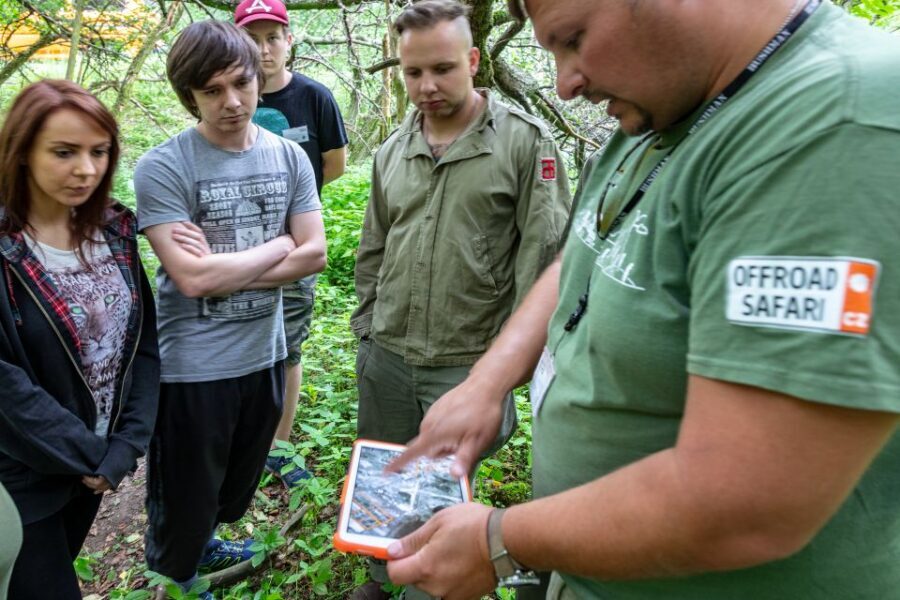
One detail worth noting: you also get access to documentary-style WWII objects. You may see original personal IDs and documents, maps, and even shut down aircraft debris. That’s where the tour becomes more personal. A bunker becomes less abstract when you see the paperwork and the material remnants that tied it to actual people and actual operations.
Nazi industry and forced labor: seeing what war production looked like
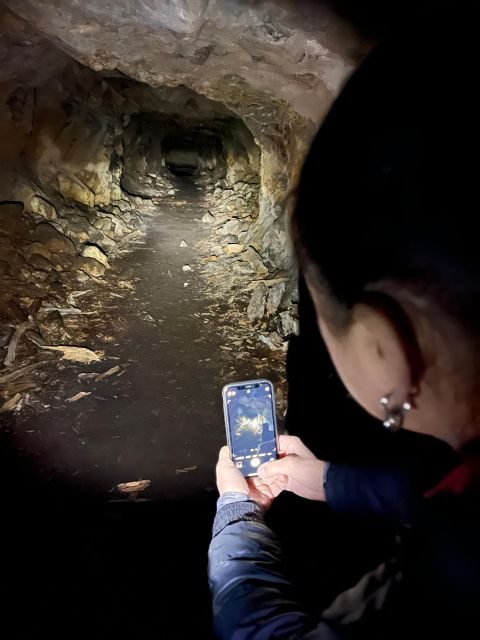
One of the most sobering parts of the day is the countryside story tied to Nazi industrial expansion—specifically a huge petrochemical factory. The tour explains how fuel and production depended on POW labor and force labor, tied to the Nazi concept of totaleinsatz. This is not just a historical footnote. It’s a core reason why so much of this region mattered strategically.
If you’re the kind of person who wants cause-and-effect, you’ll appreciate how this part connects:
- industry in the countryside
- the use of POW and forced labor
- the bombing campaigns that targeted that fuel production
You’ll also learn about former camps in the area and see the physical reminders of what the Nazi war machine required. The tour doesn’t try to make this comfortable. It gives context and leaves space for questions, which I think is the right approach for a subject like this.
RAF and US bombing traces: understanding why these sites are scarred
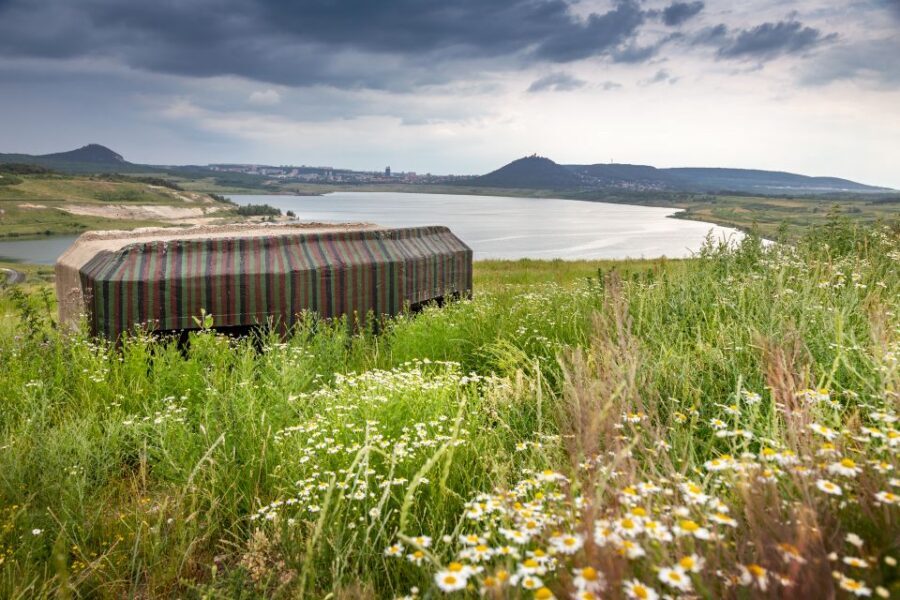
The day also covers the role of air power. The area saw heavy bombing raids by RAF and US forces aiming to stop Nazi fuel production. On the ground, you’ll be shown an air raid shaft and other war-related structures, with the story tied to what these attacks were trying to achieve.
Then there’s the human side: you’ll hear stories of shoot down pilots and related events. Even if you already know WWII broadly, this is where it gets specific. You start connecting dates, missions, and consequences to actual remnants you’re standing near.
A balanced expectation: some people want big museum spectacle. This tour is more grounded and more direct. The emotional weight can land hard, especially if you’re bringing kids. But the tradeoff is authenticity. You’re not just watching a recap—you’re getting the how and why behind the physical remains.



Lunch break that actually feels local (and beer-included)
You get a local à la carte lunch in a restaurant for about an hour, and unlimited Czech beer is included during the meal. That alone makes the middle of the day feel like a real pause instead of a quick sandwich stop.
I also like that lunch isn’t positioned as a generic tour-company box lunch. The meal is part of the local experience, and you’ll likely get a better read on Czech hospitality from how the restaurant setting feels, compared with the typical grab-and-go style.
Bottled water is also available on board, so you don’t have to track down drinks between stops. For a history-heavy day outdoors, that small convenience helps your energy level.
The final short stop: one more piece of the puzzle
After lunch, the tour includes one last shorter visit period. This is where you often feel the “pattern” click. Early on, you notice shelters, bunkers, and documentation details. Later, you start seeing how everything links back to the larger story: occupation control, protection needs, forced production, and air warfare consequences.
If you’re taking photos, this is a good time to focus on details rather than wide views. Old documents and remnants can be hard to capture if you’re rushed, so use this last segment to slow down where allowed and listen to Martin’s explanation rather than just looking.
Timing-wise, expect the final part to be tighter than the earlier visits. Bring your questions, but also bring your attention—this segment works best when you’re ready to process what you already learned.
Price and value: is $293 fair for a 7-hour max-6 tour?
At about $293 per person for a 7-hour small-group tour from Prague, you’re paying for three main things: access, guide time, and included food/drink.
Here’s the value logic:
- Access: you get visits to multiple bunker and shelter sites tied to Sudetenland and WWII-era infrastructure, reached via 4×4.
- Guide time: a licensed English-speaking guide plus time for questions with Martin. In a max-6 setting, that’s a meaningful upgrade over large-bus tours.
- Included lunch: a local à la carte meal plus unlimited beer during lunch is a real offset to the cost you’d otherwise pay on your own.
Compared with tours that pay for their price purely in long driving time or one major stop, this one uses the full day on WWII-specific ground sites plus a lunch that feels like part of your trip rather than a line item.
One balanced caution: if you prefer light, family-friendly entertainment or you don’t want to face intense wartime topics, you might find it less satisfying than a more general history tour. The Canada rating of okay aligns with that idea: the subject and presentation are serious, and not everyone’s looking for that on vacation.
Who should book this WWII 4WD tour from Prague?
This is a strong fit if you:
- like WWII history tied to real locations and material evidence (documents, IDs, remnants)
- want a guide who answers questions, not just a timed script
- enjoy small groups and dislike crowded tours
- are comfortable walking on uneven outdoor ground around old structures
It’s less ideal if:
- you need wheelchair access (not suitable per the tour info)
- you want only gentle, high-level storytelling without direct treatment of occupation and forced labor
- you need a fully comfortable, paved sightseeing pace
Family note: the tour is stated as suitable for kids 8 and up through age 99. That doesn’t mean every child will enjoy the material or pace, but it does mean the operator considers a wide age range and doesn’t target only adults.
What to bring for comfort and better photos
Keep it simple:
- Comfortable shoes for outdoor sites
- Outdoor clothing for changing weather
- A mindset for close-up history: this is a day where details matter
If you’re photo-minded, charge devices ahead of time. Underground and document-focused stops can affect battery performance, and you’ll want your camera ready without rushing.
Should you book this WWII 4WD tour?
My take: book it if your idea of a great day in the Czech Republic is connecting the big WWII story to specific places you can physically understand—bunkers, shelters, tunnels, and the industrial and bombing context that shaped the region. The max-6 group size, Martin’s question-friendly approach, and the fact that lunch is a real meal with unlimited beer make this feel like good use of a full day.
Skip it if you want a lighter outing, need step-free access, or dislike tours where the guide focuses on the hard edges of history instead of keeping it sanitized.
If you’re curious and you come prepared to ask questions, this tour is the kind of experience that sticks because it gives you evidence, not just talking points.
FAQ
How long is the WWII 4WD tour from Prague?
It runs for 7 hours in total.
What’s the group size?
It’s limited to a maximum of 6 guests for the best enjoyment.
Do I get lunch and drinks included?
Yes. Lunch is local à la carte, and Czech beer is included during lunch. Bottled water is also included and available on board.
Is pickup included?
Yes. The tour includes pick-up and drop-off at your hotel in Prague, with driver pick-up in the hotel lobby about 5 minutes before the scheduled time.
What language is the guide?
The tour is guided in English.
What should I wear?
Bring comfortable shoes and outdoor clothing.
Is it suitable for wheelchair users?
No. It is not suitable for wheelchair users.
Is it okay for kids?
The tour is described as suitable for kids from age 8 up to age 99.
If you want, tell me your travel dates and whether you’re traveling with kids or anyone with mobility needs, and I’ll help you sanity-check if the pace and topic fit your group.