REVIEW · PRAGUE
Wars and Totality Private Walking Tour in Prague
Book on Viator →Operated by Spectrum Tours · Bookable on Viator
Prague hits harder when you see it through the 20th century. This private walking tour strings together the WWI-to-Soviet-rule story with real places tied to fear, resistance, and the long road to 1989. I like the personal, private guide attention, and I also like how the route focuses on everyday life under occupation—not just big dates. One thing to weigh: it is still a long walk with plenty of standing, and the pace is built around fitting nearly 100 years into about three hours.
Hotel pickup makes it easy to start, and the whole experience is set up for comfort and clarity. You get a local historian guide in English, plus a sensible mix of walking and occasional public transport when needed (you pay). The biggest watch-out is weather and comfort: if your guide is talking in street-corner clusters, you may want to plan for rain and limited seating.
I booked this kind of tour to understand why Prague feels the way it does today. If you want a fast, light overview with lots of photo stops, you might prefer something shorter or less focused. If you want context for the city’s scars and stubborn hope, this one is a strong match.
In This Review
- Key highlights to look forward to
- Why Prague’s wartime-and-totalitarian story works on foot
- Hotel pickup and what you actually get for about $51
- A quick practical note on pacing
- Municipal House area: declarations and the start of modern Czech identity
- Republic Square: modern history in a public stage
- Time and comfort
- Petschek Palace: a landmark connected to the Gestapo
- Wenceslas Monument: hopes, despair, and a living witness
- My tip
- Old Town to the communist-era ending: National landmarks and meaning
- Museum of Communism: what you’ll learn about everyday life
- A practical heads-up
- Walking route reality: what the 3-hour format feels like
- For whom this tour is (and who should skip it)
- Quick notes on the guide and how the time gets used
- Should you book Wars and Totality in Prague?
- FAQ
- How long is the Wars and Totality Private Walking Tour in Prague?
- Is this tour private?
- Do I get hotel pickup?
- What language is the tour in?
- Do I need to pay for transportation during the tour?
- Is the Museum of Communism included?
- Where does the tour start if I’m not using pickup?
- Is the experience suitable for most people?
- Is there free cancellation?
Key highlights to look forward to
- Private guide, not a group herd: you get commentary aimed at your questions and interests.
- War and totalitarian rule in one thread: WWI, Nazi occupation, then about 40 years under Soviet-style control.
- Places tied to real terror and resistance: you’ll see landmarks connected to the Nazis and the later communist regime.
- Museum of Communism stop: designed to show daily life, not just slogans and history books.
- Multiple departure times: morning or afternoon options so you can fit it into your schedule.
Why Prague’s wartime-and-totalitarian story works on foot
Prague can look timeless. But step into the parts of town tied to 20th-century power, and the city stops feeling like a postcard and starts feeling like evidence.
This tour is built around a simple idea: you understand oppression better when you can trace it from place to place. Your guide connects the Czech lands’ repeated experience with outside control—first the broader pressures of WWI, then the Nazi occupation in WWII, and later the long Soviet grip beginning in 1948. The walking format matters because it forces you to notice how regimes used public space: squares, monuments, and government buildings weren’t just scenery. They were tools.
You’ll also hear resistance stories tied to specific spots. That is where the tour often feels most alive. Instead of only describing what happened to people, you learn how people tried to push back, even with the odds stacked hard.
You can also read our reviews of more tours and experiences in Prague.
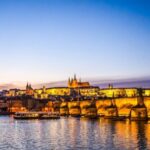
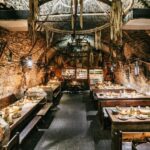
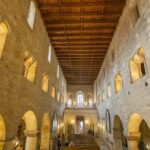
Hotel pickup and what you actually get for about $51
At about $51.06 per person for a private 3-hour experience, the value mostly comes from two things: your own guide time and a tight, structured route. This is not a free-form wandering tour where you guess what to look at. It’s planned to cover a lot of narrative ground without turning into a rushed slideshow.
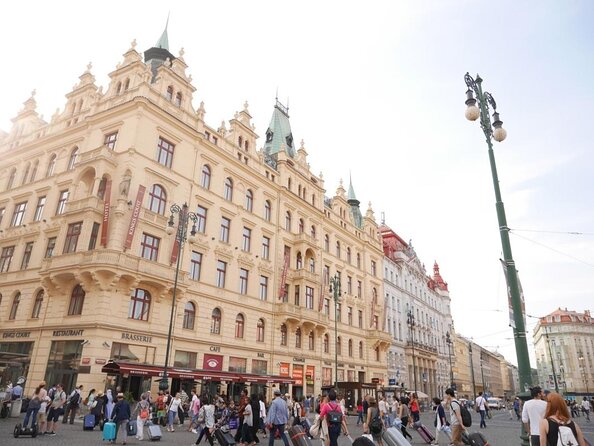
You also get hotel pickup (guide only) in Prague, which is a real advantage in a city where getting to the right starting point can chew up time. The meeting point is Na Příkopě (Nové Město), but the pickup option is there for a reason: you shouldn’t have to plan transportation just to start the story.
Do note what you do not get. Transportation to and from attractions is at your expense. The tour itself is mostly on foot and may include public transport when needed, but that’s your cost.
A quick practical note on pacing
One review complaint fits the math: almost 100 years of history in roughly three hours. The tour provider has even pointed out that guides are covering the 20th-century arc within the set time window, and they may have another tour after. That means you get focus—but you might not get every tangent you wish existed.
If your goal is deep detail on one topic (say, Nazi occupation mechanics or communist everyday life), consider picking questions to prioritize before you start. It helps your guide steer the discussion without derailing the route.
Municipal House area: declarations and the start of modern Czech identity
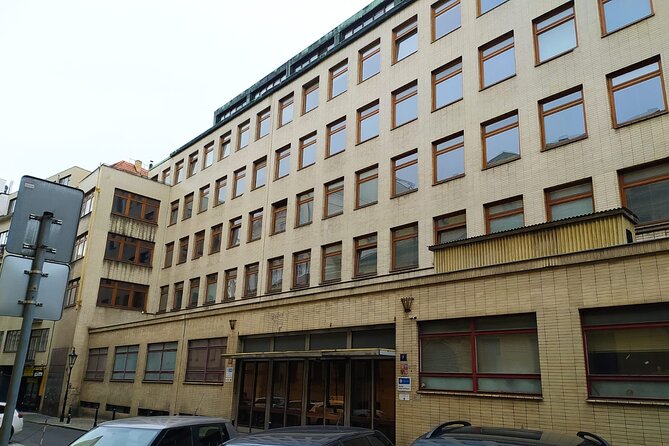
The tour starts near the Municipal House area, tied to a declaration of Czechoslovak independence. Even if you have only a basic sense of Czech history, this opening matters because it sets the frame: modern Czech identity didn’t appear out of nowhere. It formed after a long chain of political pressure—and then it faced new threats almost immediately.
This is the kind of stop where a guide earns their keep. Your historian guide doesn’t just name buildings; they connect them to the shift in power and public life. You’ll get a sense of what independence symbolized and why it mattered to people on the ground, not just in official speeches.
What to watch for here: it’s a good moment to ask your guide how they link the independence story to the later occupations. If that connection feels clear early, the rest of the tour lands harder.
Republic Square: modern history in a public stage
Next is Republic Square, with the Municipal House as a backdrop and a symbolic beginning of modern Czech history. Squares are rarely neutral. In Prague, they show you how governments and national movements use space for messaging—who belongs, who leads, and what the future is supposed to look like.
This stop works well because it’s a gentle ramp from the early 20th-century story into the more difficult parts. You’ll likely notice how your guide sets up the theme of repeated control, then shows how WWII and Soviet rule changed what public life meant.
Time and comfort
This portion is brief, around 10 minutes, but don’t confuse short stops with short standing. Urban history tours often involve talking while you’re parked in one spot. If seating matters to you, keep it in mind for later parts of the walk.
Petschek Palace: a landmark connected to the Gestapo
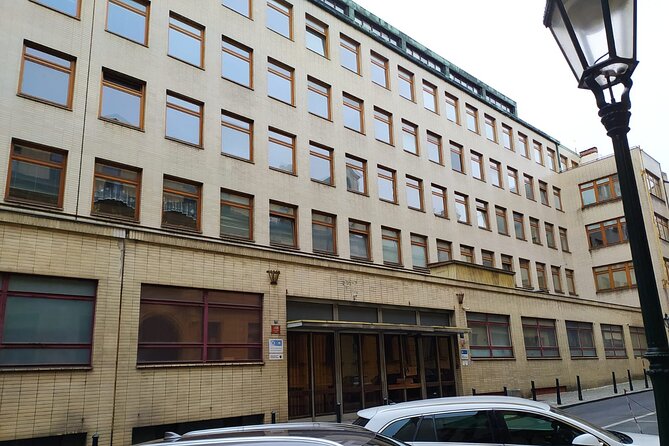
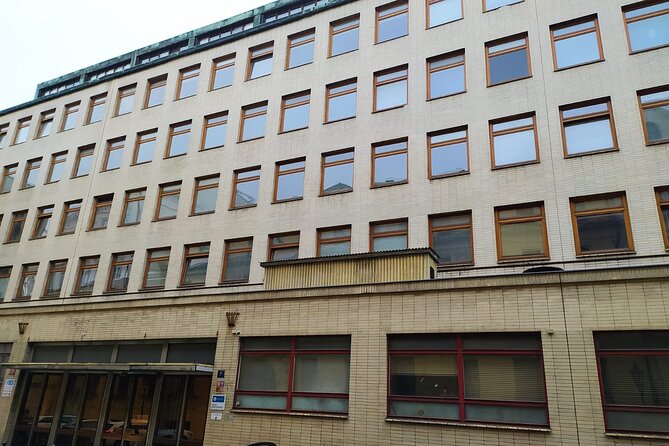
Then you’re at Petschek Palace, described as a former seat of the Gestapo. That single detail changes how you see the building. Even if you pass by quickly, you’re not just looking at architecture—you’re looking at the physical infrastructure behind fear.
This is one of those moments where the tour moves from story to atmosphere. The guide’s job is to explain what the Gestapo presence meant locally and why certain buildings became key nodes in enforcement.
Why it matters for you: if you want to understand Nazi rule beyond the general narrative, stopping at a specific place like this gives you a more grounded picture. You can almost feel how power became real through offices, surveillance, and daily intimidation.
Wenceslas Monument: hopes, despair, and a living witness
You’ll then reach Wenceslas Monument, positioned as a living witness to Czech modern history—filled with both hopes and despair. This stop often becomes the emotional center of the walking portion.
You’re in the area associated with key shifts in the Czech story. Your guide ties together the sense of national aspiration with the fact that public space can flip from celebration to confrontation fast. That is the core lesson here: regimes rise and fall, but the pressure shows up in the streets.
Expect discussion that links the monument area with events unfolding right there. It’s also where you may feel the tour’s “limited time, big story” challenge. The guide has to cover a lot without lingering too long.
My tip
Bring a small umbrella if rain is possible. One complaint centered on continuing to stand outside when the weather turned. If your day is wet, you’ll be happier if you can stay dry without constantly moving around.
Old Town to the communist-era ending: National landmarks and meaning
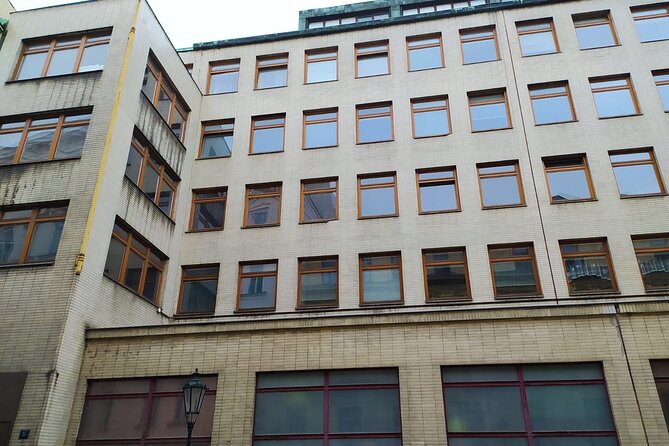
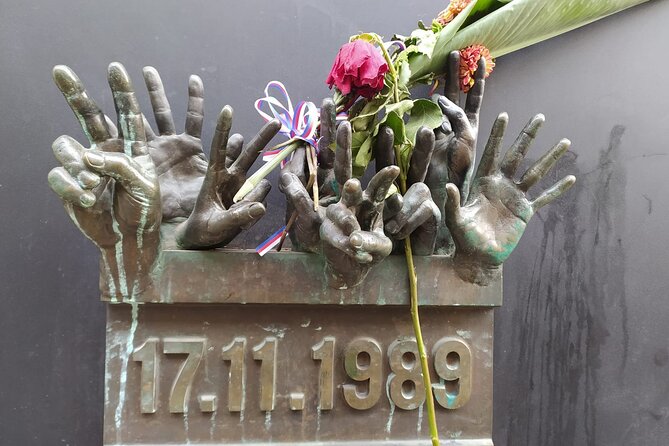
The tour’s later stops focus on the symbolic end of the communist era at Národní. That location is treated as an emblematic endpoint for the story, which makes sense: independence didn’t just happen because one decision was made. It happened because people built momentum and pushed until the system couldn’t hold.
You’ll also see how your guide handles the grim landmarks left by the communist regime. The goal is not to make suffering the whole point. It’s to explain the systems that shaped everyday life—how people adapted, what they learned to keep quiet, and what they risked when they resisted.
Museum of Communism: what you’ll learn about everyday life
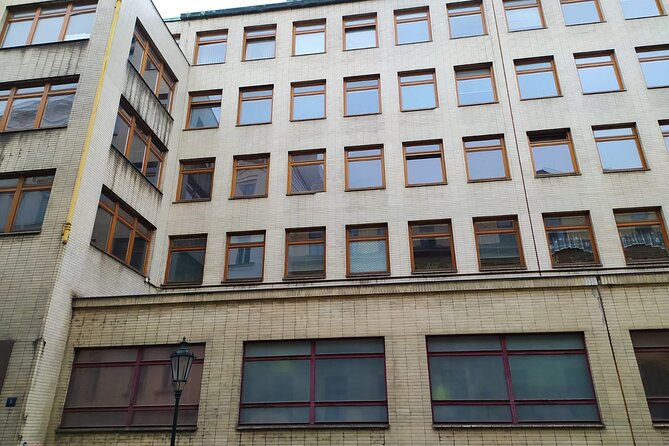
The tour includes a visit to the Museum of Communism, described as using artifacts to trace communist control and explain the harsh realities of Soviet life from 1948 onward. This is where the tour becomes more than street-level narrative.
A good museum stop should do two things:
- Put names and dates into daily routines and objects.
- Explain why the regime worked (and why it eventually collapsed).
That’s what the tour description aims for, and it’s also what makes the museum stop so valuable. Streets can show you symbols. A museum shows you how people lived with the symbols, rules, and shortages.
A practical heads-up
There is at least one account where the museum stop didn’t happen as expected. The standard plan includes it, but real tours can vary with timing, logistics, or conditions. If Museum of Communism access is a top priority for you, ask your guide at the start whether it will be visited as scheduled and what timing to expect.
Walking route reality: what the 3-hour format feels like
This is listed as about 3 hours, with a total walk time that can feel closer to 3.5 depending on pickup, pacing, and how questions slow the group down. It’s a private tour, so the advantage is obvious: your guide can respond to you. The tradeoff is that the route still has to fit inside the time window.
Most travelers can participate, and the tour is near public transportation. That matters because it means you can often adjust your day around the tour rather than locking into a huge logistics plan.
But comfort is still on you:
- Wear good shoes. Even when the distances aren’t extreme, the ground is part cobblestone, part uneven, and your feet will feel it.
- Expect standing during narration. One complaint focused on long street-corner pauses and getting soaked during rain. If seating is important to you, you can politely ask your guide to choose a bench or sheltered spot during longer explanations.
- Ask for focus. If you care most about Nazi-era resistance or communist daily life, tell your guide early. It helps them prioritize within their time constraints.
For whom this tour is (and who should skip it)
This tour is a strong fit if you want:
- A private guide who explains the “why,” not just the “what.”
- A focused look at Nazi occupation and Soviet-era totalitarian rule through places you can actually point at in Prague.
- The emotional arc from oppression to independence in 1989, tied to real sites.
It’s also a good choice for history-minded visitors who appreciate a clear storyline. You’ll get the framework: WWI → Nazi WWII period → about 40 years after 1948 under Soviet control → resistance → 1989 independence.
You might want to choose something else if:
- You dislike walking and standing for long stretches.
- You prefer a flexible, low-structure tour where you control the pace more than the guide.
- You want a light outing that avoids difficult themes. This tour deals with the machinery of oppression.
Quick notes on the guide and how the time gets used
The quality of this experience depends on your guide’s ability to compress a heavy subject into a limited route. One mention included a quality assurance voice (Michael Dolina) explaining that the 3-hour slot forces guides to cover almost a century without missing the key beats. Translation: expect tight sequencing, and expect fewer side trips than you might get on an all-day history tour.
Still, the guide is described as professional and friendly, with undivided attention as the main benefit. If you show up ready with a couple of focused questions, you can get more out of the limited time.
Should you book Wars and Totality in Prague?
If you’re in Prague for a few days and you want a history tour that feels grounded in real places, I think this is worth booking. The private format at this price is hard to beat, especially when it includes hotel pickup and a guide who can tie architecture to oppression and resistance.
Book it if:
- You want a clear 20th-century thread and you’re okay with standing during narration.
- You care about understanding communist-era daily life, not just political theory.
- You like guided storytelling in a small, controlled experience.
Consider skipping (or swapping to a different style) if:
- You need lots of breaks with seating.
- You get uncomfortable with weather and long street-corner pauses.
- You want a super casual, flexible sightseeing day.
If you do book, do one simple thing: wear comfortable shoes, carry rain protection if there’s any chance of storms, and tell your guide what you want most. That’s the easiest way to make a compressed timeline work for you.
FAQ
How long is the Wars and Totality Private Walking Tour in Prague?
It runs about 3 hours (approx.), with a walking focus through central Prague.
Is this tour private?
Yes. It’s a private tour, so only your group participates.
Do I get hotel pickup?
Yes, hotel pickup is offered for the guide only. Pickup is provided at all hotels/residences in Prague.
What language is the tour in?
The tour is offered in English.
Do I need to pay for transportation during the tour?
Transportation to and from attractions is not included and is at your own expense. The tour is mostly walking, and public transport may be used when needed at your expense.
Is the Museum of Communism included?
The tour plan includes a visit to the Museum of Communism. (If this stop is essential to you, it’s smart to confirm the timing with your guide at the start.)
Where does the tour start if I’m not using pickup?
The meeting point is Na Příkopě 864/28, Nové Město, 110 00 Praha-Praha 1, Czechia.
Is the experience suitable for most people?
The tour notes that most travelers can participate.
Is there free cancellation?
Yes. You can cancel up to 24 hours in advance for a full refund.