REVIEW · PRAGUE
Walking tour of Prague in french: Old Town & Charles Bridge
Book on GetYourGuide →Operated by Prague Découverte · Bookable on GetYourGuide
You can read Prague like a story. This French walking tour links Old Town landmarks to the big ideas and conflicts that shaped Bohemia, including the Hussite movement and the defenestrations that fed into the Thirty Years’ War. I love how the guide connects symbols you see every day to what they meant in their time, and I love the Charles Bridge viewpoints for photos and city orientation. One consideration: it’s a brisk 90 minutes of walking in central streets, so comfy shoes matter, and the tour is in French only.
You’ll move from Celetná Street through courtyards and squares, then finish at Charles Bridge in Malá Strana. Along the way you get a focused highlight set—Old Town Square, the Astronomical Clock, major churches, palaces, and the bridge—without feeling like you’re running from stop to stop.
In This Review
- Key things that make this tour worth your time
- A French walkthrough that turns Prague symbols into real stories
- Meeting at Celetná Street (and how to get there fast)
- From Týn Yard to Ungelt: courtyards and trade-era Prague
- Old Town Square: Jan Hus vs the Marian Column (and why it matters)
- Malé Náměstí and Mariánské náměstí: two small squares with sharp stories
- Karlova corridor: Church of Our Lady before Týn and Hussite-era context
- Palaces and civic buildings: Stone Bell House, Renaissance façades, and Charles IV’s birthplace
- Saint Nicolas, the Clementinum, and how Prague educated itself
- Charles Bridge finish: views, statues, and the big photo moment in Malá Strana
- Price and who this tour fits best
- Should you book this Old Town & Charles Bridge French tour?
- FAQ
- Is the tour in French?
- How long is the walking tour?
- How much does it cost?
- Where do I meet the guide?
- Where does the tour end?
- Which sites are included along the route?
- Is transport or food included?
Key things that make this tour worth your time
- French live commentary with a licensed local guide, so the details land in plain language
- Old Town Square explained as a political map, especially the Jan Hus monument versus the Marian Column
- Astronomical Clock breakdown, including how medieval timekeeping worked in different systems
- Hussite Church context and the idea of Prague as a place of religious change and resistance
- Architectural variety in walking distance, from Gothic-relevant sights to Italian Renaissance façades
- Charles Bridge photo angles plus city views that help you understand where everything sits
A French walkthrough that turns Prague symbols into real stories
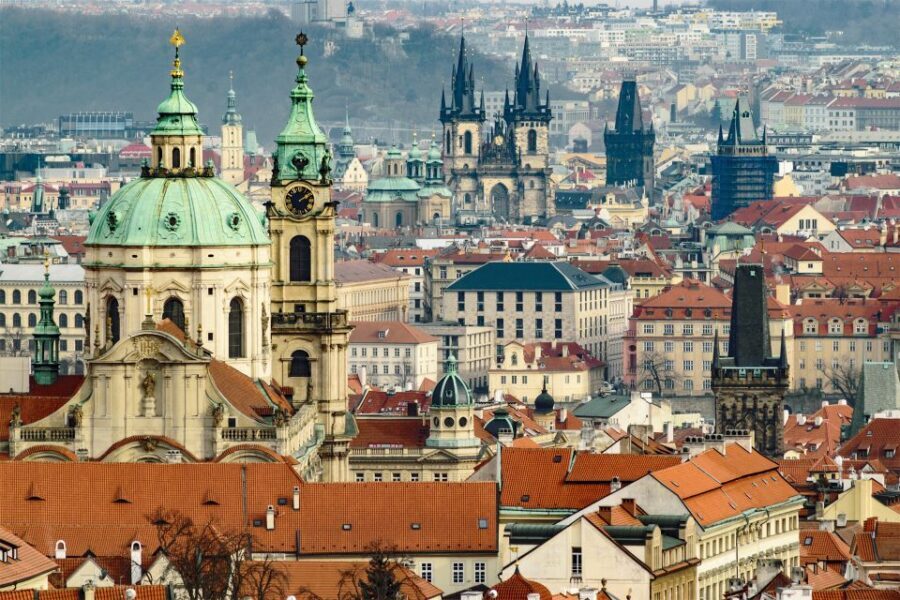
Prague can feel like a “postcard city,” but this tour helps you read it. Instead of just telling you what a building is, the guide explains why people cared about it—politically, spiritually, and socially. That is the real value here: you leave with context you can reuse the next day when you visit on your own.
The tour is designed for rhythm. You get a short segment in one area, then a bigger anchor stop (Old Town Square), then more brief stops that connect the dots, and finally a longer moment on Charles Bridge. At a steady pace, 90 minutes becomes enough time to get oriented and still feel like you learned something specific rather than heard general facts.
If you’re the type who likes walking and learning, you’ll likely enjoy the structure. If you prefer slow sightseeing with lots of stopping for photos on your own, plan to treat this as the learning backbone and do a second, slower pass later.
You can also read our reviews of more walking tours in Prague


Meeting at Celetná Street (and how to get there fast)
You meet at number 5 on Celetná Street, in front of the Swarovski shop. It’s a practical spot because it sits right in the Old Town walking zone. If you want an easy arrival, metro works well: get off at Staroměstská, Mustek, or Náměstí Republiky (lines A and B). Trams are also convenient—get off at Jindřišská station (lines 3, 5, 6, 9, 14, 24).
The walk from the metro or tram exit to Celetná is about 10 minutes. That short approach matters: you start the tour already warmed up, not hunting for the group.
Also note what this tour is not: there’s no hotel pickup or return, and there’s no food or drinks included. If you’re visiting in the colder months, you’ll be glad you planned a warm layer for the outdoor walking.
From Týn Yard to Ungelt: courtyards and trade-era Prague
The first stop is Týn Yard and Ungelt, where you get a short guided segment (about 10 minutes). Even in that brief time, the payoff is how it frames Prague not just as monuments, but as a working city.
This area helps set the tone for what’s coming. Old Town Square can grab your attention immediately, but the tour works better when you understand Prague as a place of movement—goods, people, and ideas. That context makes the later religious and political stories feel more grounded.
If you’re taking photos early, use this stretch to find a steady angle and get comfortable with the lighting. Morning and late afternoon can look different fast in this part of town, and having a warm-up moment helps you avoid rushing later.
Old Town Square: Jan Hus vs the Marian Column (and why it matters)
Old Town Square is the big anchor, and you spend about 35 minutes there. This is where the tour shifts from architecture to meaning.
You’ll learn why two monuments facing each other—one for Jan Hus and the other the Marian Column—feel contradictory in theme. That’s not an abstract debate. It’s a snapshot of competing ideas about faith and authority, and it ties directly into the story of religious conflict in Bohemia.
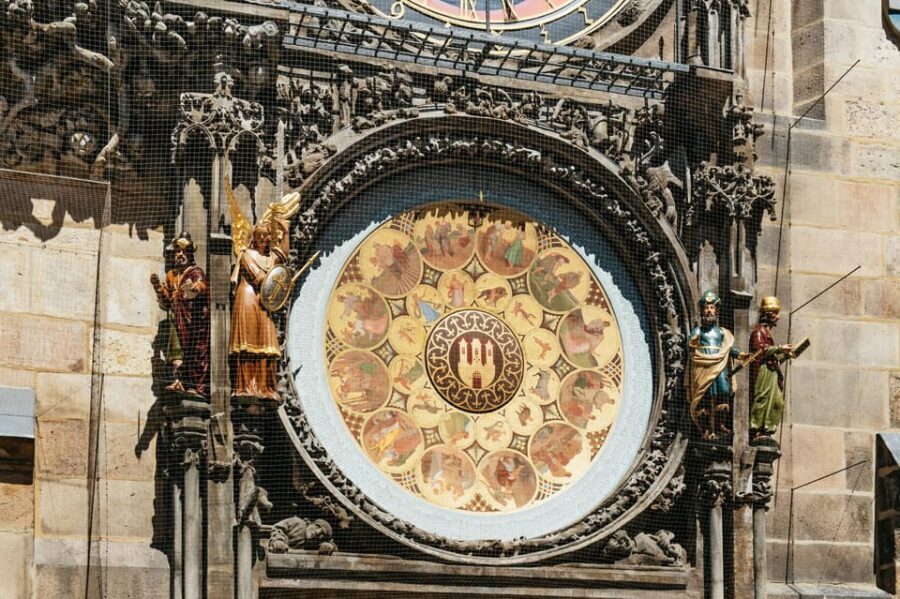
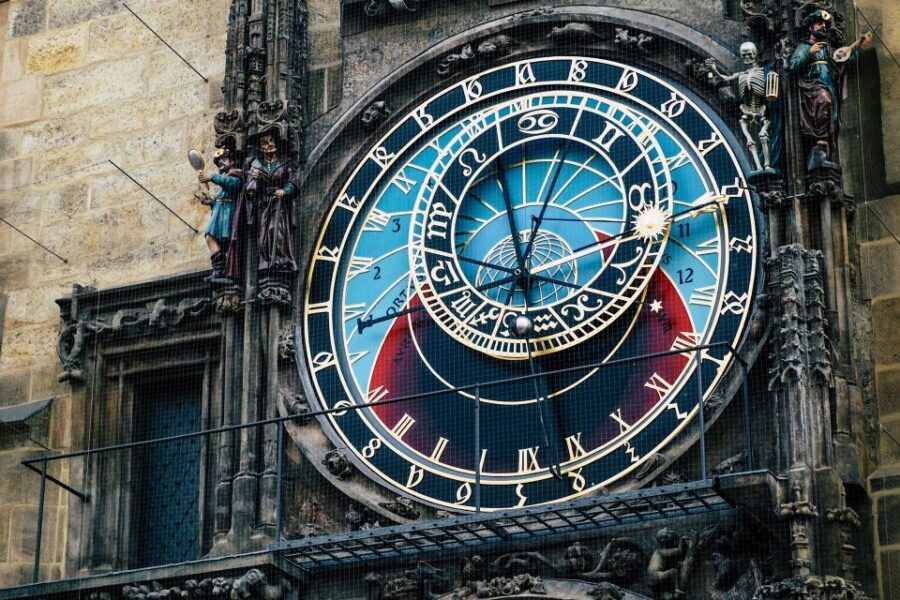
The tour also explains the Astronomical Clock in detail, including features that explain how time was measured in medieval ways. You’ll hear about the clock’s many details and learn that the city used different systems to measure time. That’s a fun twist for modern visitors: you stop seeing the clock as just a photo spot and start understanding it as a piece of scientific thinking and civic life.
A practical tip: Old Town Square can be crowded, and the guide’s best work happens when you can hear clearly. If you can, position yourself where you’re not at the very edge of a moving crowd. It makes the history clearer and your photos easier.
Malé Náměstí and Mariánské náměstí: two small squares with sharp stories
After Old Town Square, the tour moves quickly through Malé Náměstí (about 5 minutes) and Mariánské náměstí (about 10 minutes). These stops are short, so treat them as “connective tissue.”
The value is that you get a sense of how Prague’s town planning and religious/political landmarks relate to each other. In other words: you start to see the city’s logic. It’s easier to understand the major sights when you’ve walked through the smaller spaces that funnel you between them.
If you like architecture, this is also a good moment to look closely at façades and openings rather than only the biggest monuments. The tour’s emphasis on architectural diversity shows up here: you get to notice how different styles and influences live side by side.



Karlova corridor: Church of Our Lady before Týn and Hussite-era context
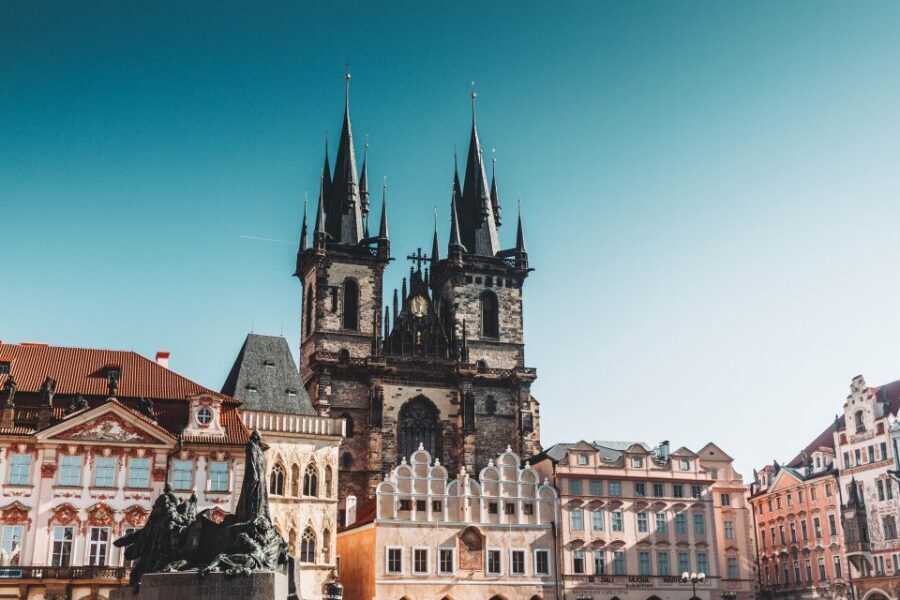
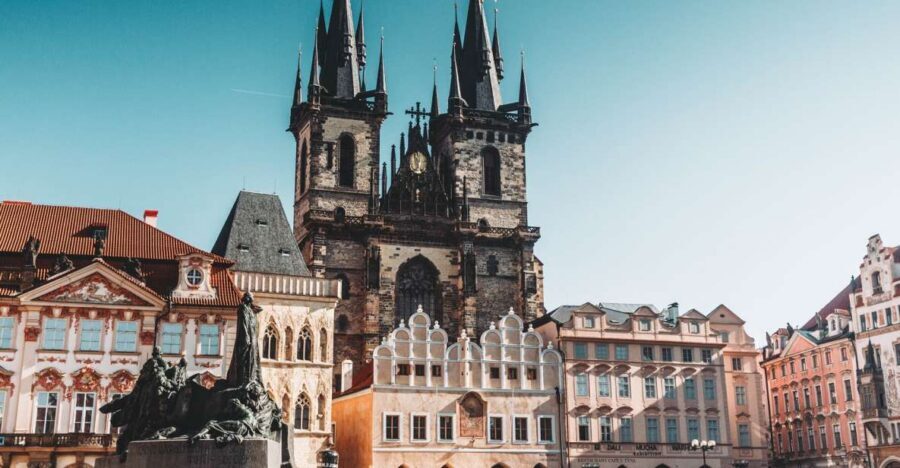
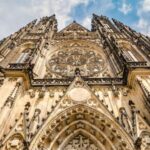
On the Karlova stretch (about 5 minutes), the tour gives you a crucial cultural frame. You’ll hear about major religious sights, including the Church of Our Lady before Týn, described here as a stronghold connected to the Hussite Church.
That’s important because it’s not just “this is a famous church.” You learn how religious identity in Bohemia shaped the city’s public face, and how the Hussites contributed to one of the first Protestant churches in Europe. The tour also connects those tensions to the larger European conflict that followed.
One more angle the guide brings: you’ll learn about the defenestration story that sparked the Thirty Years’ War. You might think of it as a dramatic headline, but the tour explains the terrible consequences for people in Bohemia. That shift—from drama to human impact—is what makes this stop feel weighty, not sensational.
If you’re visiting with kids, this is often where the stories click best because the guide explains conflict in a way that feels understandable. One review noted a family experience where even a child of 7 was captured by the story thread.
Palaces and civic buildings: Stone Bell House, Renaissance façades, and Charles IV’s birthplace
The tour doesn’t linger only on churches. It also moves through civic and residential architecture that shows Prague’s power. Along the way you get explanations connected to:
- the Stone Bell House
- the birthplace of Charles IV
- the Town hall and its successive extensions
- the Kinsky palace
- the Granovsky palace, highlighted as an Italian Renaissance masterpiece
This blend of religious, political, and architectural stops is one of the tour’s strengths. Prague’s center isn’t separated into neat categories. The same streets hold the story of rulers, city governance, wealth, and belief.
Charles IV is a key thread throughout the tour framing the 14th century achievements that helped shape what Prague became. If you’ve visited Prague before and felt that the city has “layers,” this is the part that helps you name them.
A practical note for photos: palaces and civic façades look great when you can shoot slightly from the side to catch depth. The guided pacing is helpful here, because it pushes you to look at buildings at the moment the street angle is working for you.
Saint Nicolas, the Clementinum, and how Prague educated itself
The itinerary also includes major sights such as the churches of Saint Nicolas (of Staré Město) and the Clementinum. Even though each stop is not a long sit-down moment, the explanations give you a sense of why they matter.
This part helps you see Prague as more than a heritage museum. The Clementinum, in particular, tends to represent learning and institutional life, which supports the tour’s larger theme: Bohemia’s Golden Age wasn’t only about buildings—it was about ideas and influence.
If you enjoy learning how cities build identity through institutions, you’ll likely appreciate how this tour keeps returning to the same question: who shaped Prague, and how?
Charles Bridge finish: views, statues, and the big photo moment in Malá Strana
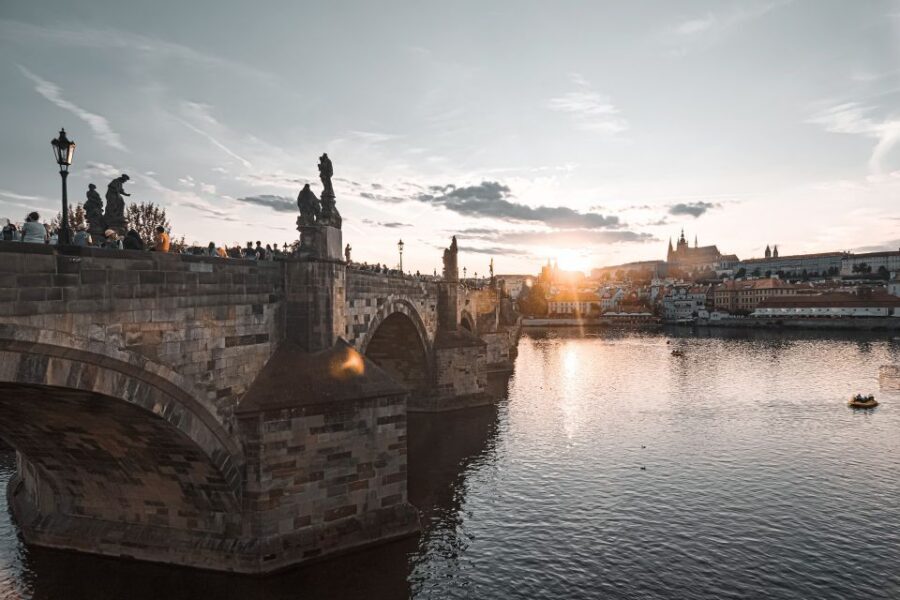
You finish at Karlův most (Charles Bridge) in Malá Strana, with about 25 minutes on the bridge itself. This is the tour’s payoff stretch.
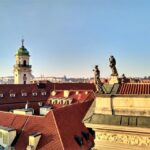
The guide focuses on city views from the bridge and helps you appreciate why it’s so emblematic. It’s also a photo-friendly moment because the bridge gives you sightlines back toward Old Town and forward into Malá Strana. Even if you’ve seen Charles Bridge before, having a guided explanation around timing, viewpoints, and what to notice can turn it from “just crowded photos” into a real orientation tool.
Also, keep in mind that Charles Bridge is usually active. Your best strategy is to follow the guide for the narrative points first, then take photos where you can stand comfortably without blocking anyone.
When the tour ends at the bridge, you’re in a perfect position for a next step in your day. Malá Strana is close, and you can continue walking with a much better sense of direction than you’d have if you started there cold.
Price and who this tour fits best
At $19 per person for 90 minutes, this tour is strong value if you want a high-impact introduction. You’re paying for a licensed local guide and a structured route that hits major landmarks, explains big historical threads, and gives you a concentrated visual tour.
It also helps that the tour is in French. If you speak French, you’ll get more from it than you would with a basic audio app. Reviews back up that the guides—often highlighted by name, like Alexandre—are attentive to the group and able to keep the flow easy and engaging.
Who should book?
- First-time visitors who want Old Town orientation fast
- People who like history but don’t want to spend the day planning five separate stops
- Families who want stories that work for different ages (one review specifically mentioned a 7-year-old enjoying it)
- Anyone who wants better Charles Bridge photos than point-and-shoot snapshots
Who might skip?
- If you strongly prefer to read at your own pace with long breaks, you may find 90 minutes a bit tight.
- If you don’t speak French, this won’t be comfortable. The tour is explicitly French.
Should you book this Old Town & Charles Bridge French tour?
If you want a tight, smart intro to central Prague—with historical context you can actually remember—this is a good bet. The route is built around the city’s most recognizable symbols (Old Town Square and Charles Bridge) but it doesn’t treat them as empty sightseeing. The guide’s explanations tie the visuals to the Hussite story, the defenestration episode, and the political symbolism you see face-to-face in the square.
Book it if you value structure, a live licensed guide, and photo-ready viewpoints. Consider it less if you’re allergic to walking or you’re expecting a self-paced museum tour. For most people visiting Prague for the first time, this is exactly the kind of “make sense of the city” experience that pays off all trip long.
FAQ
Is the tour in French?
Yes. The live tour guide provides the walking tour in French.
How long is the walking tour?
The duration is about 90 minutes.
How much does it cost?
The price is listed as $19 per person.
Where do I meet the guide?
You meet at Celetná 601/5, number 5 on Celetná Street, in front of the Swarovski shop.
Where does the tour end?
The tour finishes at Karlův most (Charles Bridge), in Praha 1–Malá Strana, Czechia.
Which sites are included along the route?
The tour covers stops such as Týn Yard – Ungelt, Old Town Square, Malé Náměstí, Mariánské náměstí, Karlova, and Charles Bridge, with guided explanations of key sights like the Astronomical Clock and major churches/buildings mentioned in the itinerary.
Is transport or food included?
No. Pick-up/return to your hotel, transport tickets, and food or drinks are not included.