REVIEW · PRAGUE
Prague: Classical Music Concert at Rudolfinum
Book on GetYourGuide →Operated by ClassicsInternational · Bookable on GetYourGuide
A concert that feels close to the music. This Prague classical music stop is all about Rudolfinum’s Suk Hall and a program of famous masterworks played by top Czech musicians. For me, the sweet spot is how the venue keeps the sound focused, while the show gives you recognizable hits like Vivaldi’s Four Seasons. One thing to consider: the featured soloists can change in September/October 2024, so check your exact date.
You’ll also get a solid value for your money: a full 65-minute performance in a central, landmark building, with an included printed program. If you’re short on time in Prague but still want “proper classical,” this format is hard to beat.
In This Review
- Key highlights you’ll care about before you go
- Rudolfinum’s Suk Hall: why the venue matters
- What the 65-minute concert includes (and how it flows)
- Soloists to watch: Stanislava Jirku and the violin spotlight
- Piece-by-piece guide so you know what you’re hearing
- Vivaldi: The Four Seasons (Spring & Summer)
- Händel: Largo from Xerxes
- Pachelbel: Canon and Gigue
- Mozart: Salzburg Symphony K 136 (Allegro)
- Bizet: Carmen – Habanera
- Ravel: Bolero
- Beethoven: Symphony No. 5 (Allegro)
- Smetana: Vltava
- Price and value: is $39 actually a smart buy?
- Logistics that matter on the day
- Who this concert fits best (and who might skip it)
- Should you book this Prague classical concert?
- FAQ
- How long is the concert?
- Where do I enter Rudolfinum for this concert?
- What is included with the ticket?
- Who performs in the concert?
- Does the soloist lineup change in September and October 2024?
- What pieces are on the program?
- Is the venue wheelchair accessible?
- Are unaccompanied minors allowed?
- Can I pay later instead of paying right away?
- What is the cancellation policy?
Key highlights you’ll care about before you go
- Suk Hall intimacy: a smaller-feeling space inside the historic Rudolfinum
- A hit-heavy program: Vivaldi, Beethoven, plus show-stoppers like Bizet’s Habanera and Ravel’s Bolero
- Featured Czech soloists: mezzo-soprano Stanislava Jirku and violin solo by the Czech Radio concertmaster
- Soloist swaps in Sep/Oct 2024: Petr Zdvihal may play violin, and the mezzo-soprano can vary by date
- Central Prague venue: enter via the left-side entrance, right where you want to be
- Included printed program: helpful for following along during the 65-minute set
Rudolfinum’s Suk Hall: why the venue matters
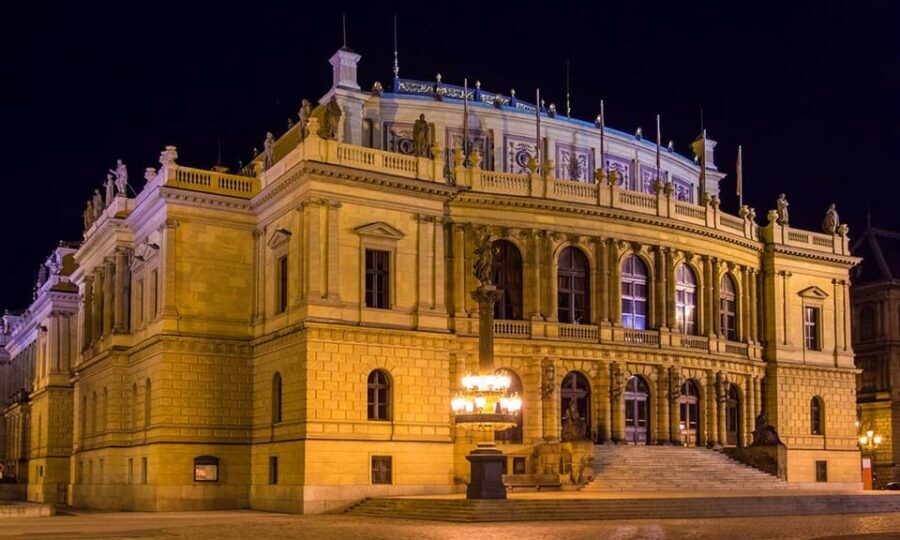
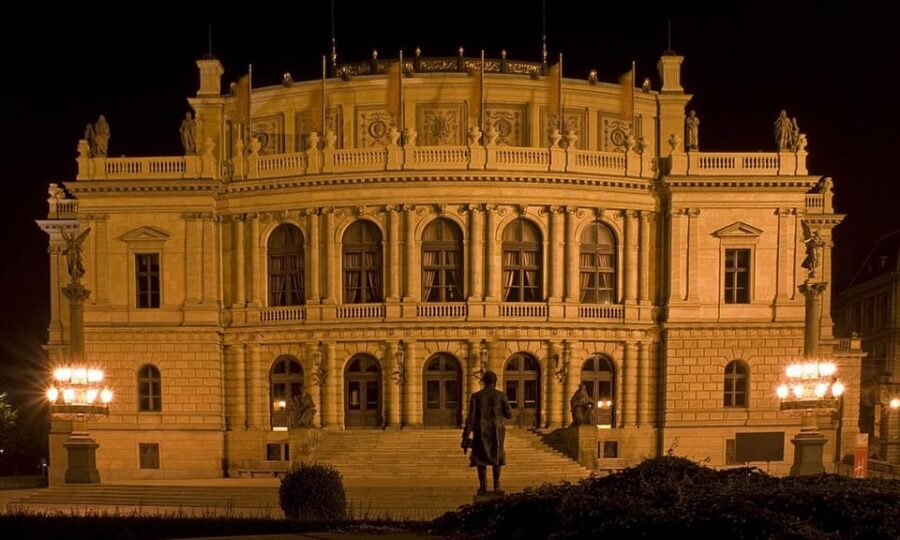
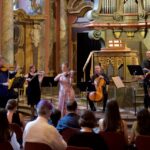
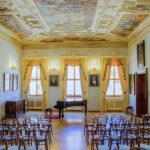
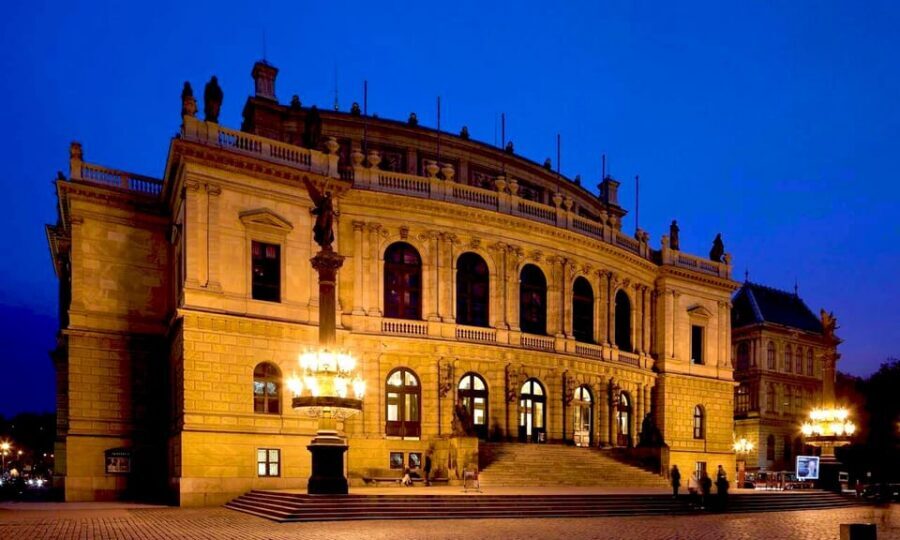
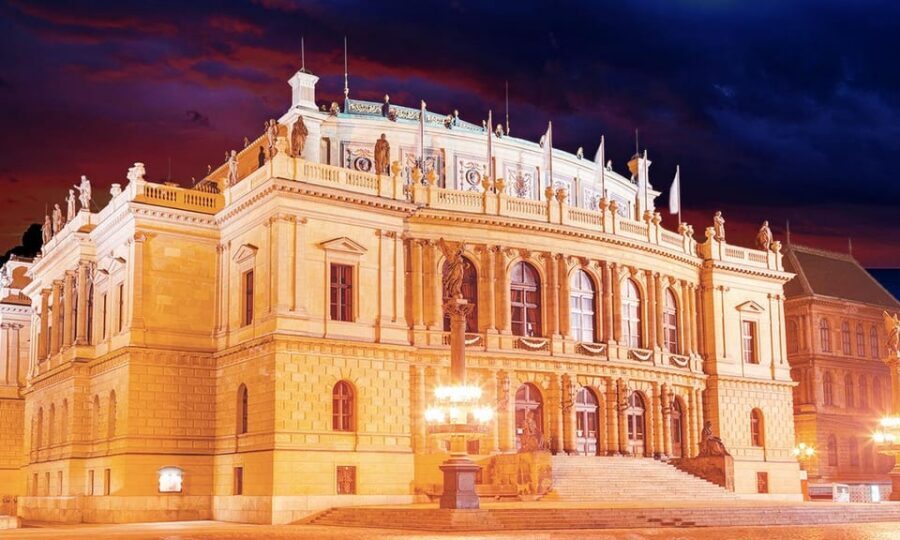
Rudolfinum isn’t just a pretty backdrop. It’s one of Prague’s best-known performance buildings, and the Suk Hall is the key here—named for Josef Suk. The space is set up to make a concert feel direct, not distant. That matters most for people who don’t read music and want to follow the ideas through sound, phrasing, and how themes return.
Another practical plus: this concert is only 65 minutes, so you’re not spending your whole evening “waiting for the good part.” With a venue like this, the time flies because the acoustics and the room size do you a favor. You’re hearing fewer surprises in logistics and more in the performance itself.
Also, location matters when you’re doing Prague sightseeing. Rudolfinum sits in the central area, so you’re not building your day around a long transport shuffle. The meeting point is simple: use the entrance on the left side of the building, and the event ends back there.
You can also read our reviews of more tours and experiences in Prague

What the 65-minute concert includes (and how it flows)
This ticket gives you entry to a classical program that moves through Baroque, Classical, and Romantic-era favorites. The pacing is part of the value. You’ll recognize melodies and styles without needing a music degree.
The program runs in this order:
- A. Vivaldi: The Four Seasons (Spring & Summer)
- G. F. Händel: Largo from Xerxes
- J. Pachelbel: Canon and Gigue
- W. A. Mozart: Salzburg Symphony K 136 (Allegro)
- G. Bizet: Carmen – Habanera
- M. Ravel: Bolero
- L. van Beethoven: Symphony No. 5 (Allegro)
- B. Smetana: Vltava
One of the smartest things about this sequence is the way it mixes “brain-friendly” works with crowd-pleasers. You get lyrical and reflective moments (like Händel’s Largo), then the mood shifts hard into rhythm and drama (think Bizet and Ravel), then you close with big Czech spirit in Smetana’s Vltava. If you like concerts that make you feel like you walked out knowing something, this program does that.
Soloists to watch: Stanislava Jirku and the violin spotlight
Vocal solo is a big deal in this show. You’ll hear mezzo-soprano Stanislava Jirku, known for performances on global stages and for appearances with major Czech orchestras. Based on the information you’re given for your date, she’s the voice you’ll want your ears on during the Bizet selection.
Then there’s the violin focus. The plan includes a violin solo by Vlastimil Kobrle, described as concertmaster of the Symphony Orchestra of Czech Radio. That’s exactly the sort of credit that signals real musical leadership—not just “someone holding a violin part.”
Now the practical catch: soloists can change around September and October 2024. If your concert date falls in that window, the lineup may shift like this:
- Sep 19: Petr Zdvihal (violin), Stanislava Jirku (mezzo soprano)
- Sep 20: Petr Zdvihal (violin), Stanislava Jirku (mezzo soprano)
- Sep 22: Petr Zdvihal (violin), Veronika Hajnová (mezzo soprano)
- October: Petr Zdvihal (violin)
So if you’re picking a date to match a specific soloist, check carefully. That small step can turn a good concert into the one you’ll talk about later.
Piece-by-piece guide so you know what you’re hearing
If you’ve ever felt lost in classical music, here’s the simple fix: know the “job” each piece plays in the evening. Use this as your mental checklist while the music happens.
Vivaldi: The Four Seasons (Spring & Summer)
Even if you only know the famous theme, this is where the concert starts working its magic. The Four Seasons is the kind of music that paints with sound—quick sections, repeating ideas, and bright textures. With Spring and Summer only, you’ll get two distinct moods rather than a whole multi-part cycle. That keeps the opening energetic and gives you a strong sense of Vivaldi’s style right away.




Händel: Largo from Xerxes
Then you slow down. Largo is built for emotion: long phrasing, controlled intensity, and a “hold the line” kind of drama. You’ll hear how a single melody can carry a room even without flashy speed. If you want a moment to settle in, this is it.
Pachelbel: Canon and Gigue
Pachelbel’s canon is one of those pieces that seems to float. The canon structure means one part answers another in a steady, satisfying way. The gigue brings energy back with dance-like motion. This pairing is a classic “calm then bounce” transition, and it works well inside a short concert like this.
Mozart: Salzburg Symphony K 136 (Allegro)
Mozart here leans into clarity and forward motion. An Allegro usually means faster tempo and crisp ideas. The practical thing for you: listen for the way themes restart and reshape. Mozart can sound “light,” but it’s tightly organized.
Bizet: Carmen – Habanera
This is one of the biggest mood shifts in the whole program. The Habanera from Carmen is famous for its rhythmic identity and vocal character. If you’re listening for when the singer really has the spotlight, this is it. Even if you don’t know the opera, the feel of the piece is unmistakable once it starts.
Ravel: Bolero
Bolero is the masterclass in building tension. It’s repetitive by design, but that’s the point: the music thickens step by step. You’ll hear how orchestration changes over time while the core pattern keeps returning. In a room like Suk Hall, that slow “pressure increase” can feel surprisingly dramatic for a 65-minute concert.
Beethoven: Symphony No. 5 (Allegro)
Then the show pivots into muscle. Beethoven’s Fifth—at least the Allegro portion included here—is built for drive. That’s why it’s such a crowd favorite: it doesn’t ask permission. You feel momentum, contrast, and that signature momentum that makes people sit up a little.
Smetana: Vltava
Smetana’s Vltava is the closing note that brings it home as unmistakably Czech. It’s the kind of music that helps you picture a river journey in sound—movement, turning points, and a sweep that feels bigger than the room. This finale is a great “last taste” before you walk back into the street.
Price and value: is $39 actually a smart buy?
At about $39 per person for a 65-minute concert in a major landmark hall, the value is in the mix:
- You’re paying for a central Prague venue and not sacrificing comfort or time.
- You get entry plus a printed program, so you can follow along with the composers and works listed.
- The program is stacked with recognizable pieces: Vivaldi, Mozart, Bizet, Ravel, Beethoven, plus a Czech closer in Smetana.
What you’re not getting is a multi-hour, museum-style evening. If you want a long “event night,” this is short. But if you want a high-quality cultural hit without burning your whole day, $39 for an hour-plus of major works is the kind of buy that makes Prague feel affordable.
Also, the show holds a 4.7/5 rating from 24 reviews, which suggests consistent satisfaction with performance quality and selection of popular works.
Logistics that matter on the day
There are a few simple things you should plan for so the night stays calm.
Meeting point: use the left-side entrance of Rudolfinum. The event ends back at the meeting point, so you won’t need a separate pickup or transfer.
Duration: plan for 65 minutes total. Starting times vary, so you’ll want to check what time your slot begins.
Minors: unaccompanied minors aren’t allowed. If you’re traveling with kids, plan accordingly.
Seating and mobility: the venue is described as wheelchair accessible, which is a big practical win if you need it.
And that printed program can be more useful than you’d think. When you can glance down and spot the next piece name, your listening focus improves fast.
Who this concert fits best (and who might skip it)
This is a strong choice if you:
- want famous classical works in a single night
- enjoy vocal moments as well as instrumental highlights
- like the idea of a short event that still feels “real” and cultural
- want a seated plan that’s easy to fit between sightseeing blocks
It might be less ideal if you:
- need a child-friendly event where minors can attend without an adult
- prefer very long concerts with full symphonies and multiple movements
- are picking your date specifically to guarantee a certain soloist name, since the lineup can vary in September/October 2024
Should you book this Prague classical concert?
If your goal is a high-value evening that centers on well-known music and a prestigious hall, I’d book it. The combination of Rudolfinum’s Suk Hall, a hit list of major composers, and featured Czech musicians makes this a straightforward cultural win.
My “yes” checklist:
- You like hearing classic works in one concentrated program
- You’re okay with a 65-minute format
- You’ll check your specific date if you care about the exact soloists
If that matches you, this is the kind of Prague evening you’ll remember long after the walk back through the streets.
FAQ
How long is the concert?
The concert duration is listed as 65 minutes.
Where do I enter Rudolfinum for this concert?
Use the entrance on the left side of the building.
What is included with the ticket?
Your ticket includes entry and a printed concert program.
Who performs in the concert?
The concert features soloists including mezzo-soprano Stanislava Jirku. It also includes a violin solo by Vlastimil Kobrle, with soloist changes for some September/October 2024 dates.
Does the soloist lineup change in September and October 2024?
Yes. For example, violin may be performed by Petr Zdvihal on Sep 19 and Sep 20, and the mezzo soprano may change on Sep 22 and in October.
What pieces are on the program?
The program includes The Four Seasons (Spring & Summer), Händel’s Largo from Xerxes, Pachelbel’s Canon and Gigue, Mozart’s Salzburg Symphony K 136 (Allegro), Bizet’s Carmen Habanera, Ravel’s Bolero, Beethoven’s Symphony No. 5 (Allegro), and Smetana’s Vltava.
Is the venue wheelchair accessible?
Yes, the activity is described as wheelchair accessible.
Are unaccompanied minors allowed?
No, unaccompanied minors are not allowed.
Can I pay later instead of paying right away?
Yes. The option is listed as reserve now and pay later.
What is the cancellation policy?
Free cancellation is available up to 24 hours in advance for a full refund.