REVIEW · TEREZIN
Terezin: Guided Tour of the Concentration Camp and Museum
Book on GetYourGuide →Operated by Prague Sightseeing Tours s.r.o. · Bookable on GetYourGuide
Terezín hits hard, and it should. This is one of the places in Central Europe where a guided route helps you understand the machinery of persecution, not just the dates. I like that the tour is built around the Ghetto Museum and the concentration camp areas, so you’re not piecing things together alone. I also like the focus on authentic recollections from the past, which makes the history feel less abstract. One thing to keep in mind: the schedule is tight, so traffic or sound issues can make the experience feel rushed.
If you want a serious, structured day with a live English guide, this works well. You start in Prague at Náměstí Republiky 1037/3, ride about an hour each way by bus, and spend roughly 3 hours on guided site visits plus 30 minutes of on-site free time.
In This Review
- Key highlights worth planning around
- Getting from Prague to Terezín: a 6-hour day with a clear rhythm
- Terezín Memorial and Ghetto Museum: why the order of stops matters
- The concentration camp guided tour: where the explanations do most of the work
- Crematorium and Jewish cemetery: the stops you shouldn’t rush through
- Free time on site: use the 30 minutes for reset, not sightseeing sprees
- Coach details that affect your experience (more than you think)
- Price and value: what $57 gets you in a guided memorial day
- The English guide experience: why your ability to hear matters
- Who should book this tour, and who should think twice
- Should you book Terezín: Guided Tour of the Concentration Camp and Museum?
- FAQ
- How long is the Terezín guided tour?
- Where do I meet for the tour?
- Is the tour guided in English?
- What does the price include?
- Is this tour wheelchair accessible?
- Can I cancel for a full refund?
- Is it pay later or pay now?
Key highlights worth planning around
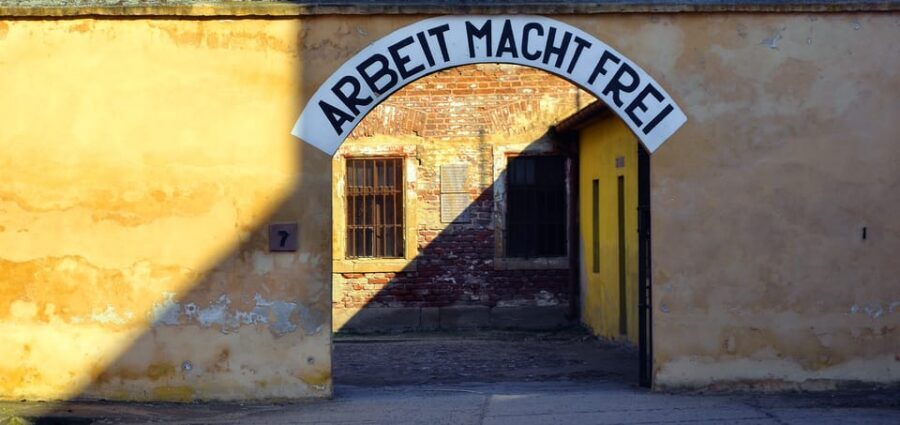
- Ghetto Museum and guided walk that gives context before you enter the camp areas
- Concentration camp tour with a route that is meant to be followed in order
- Crematorium and Jewish cemetery included as part of what the site teaches
- English live guide for explanations and question time
- Coach logistics from Prague so you don’t have to figure out transport
Getting from Prague to Terezín: a 6-hour day with a clear rhythm
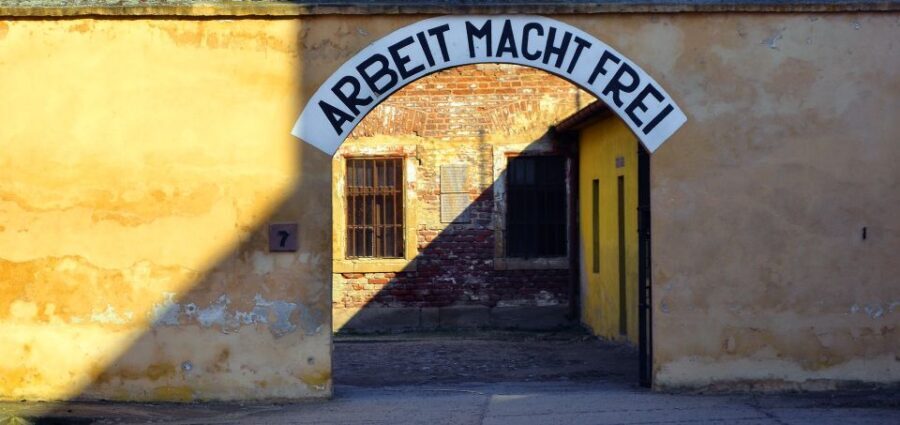
This is a full-day outing that’s paced like a guided “procession,” not a hop-on/hop-off plan. You meet at the yellow kiosk opposite the municipal building at Náměstí Republiky 1037/3. From there, you’re on a coach for about an hour to reach Terezín. On the way back, the return ride is also about an hour.
That rhythm matters because Terezín isn’t the kind of place where you’ll enjoy “winging it.” You’ll get more out of your time on site if you show up rested and ready to listen. The day is built around two guided blocks of about 1.5 hours each, then a short stretch of free time.
One practical tip: leave yourself extra buffer to get to the meeting point on time. If the group is running behind, you can lose the chance to take in what you’re seeing at a human pace. And since this is a guided experience with transitions between locations, I’d treat the group as your safety net—stay with it, especially when you move between the bus and the memorial areas.
You can also read our reviews of more guided tours in Terezin
Terezín Memorial and Ghetto Museum: why the order of stops matters
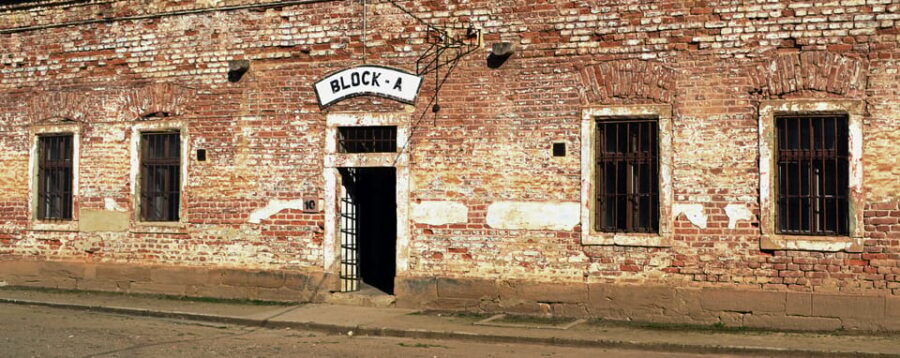
The first major stop is the Terezín Memorial – Ghetto Museum, with guided time plus a walk (about 1.5 hours total). This is the part that helps the rest of the day make sense. You’re not jumping straight into camp structures without context. The museum portion is where the story is framed—how the ghetto system worked, how daily life was controlled, and what the broader Nazi plan looked like on the ground.
I like this sequencing because it changes how you look at everything afterward. When you understand the rules, the restrictions, and the purpose behind the space, the concentration camp visit stops being a “tour of buildings.” It becomes a guided explanation of a process: how imprisonment was organized, how people were processed, and how suffering was systematized.
Also pay attention to how the guide uses authentic recollections. Even when you already know the broad facts, personal descriptions anchor the meaning. They can turn a list of horrors into something you can actually follow with your mind.
The concentration camp guided tour: where the explanations do most of the work
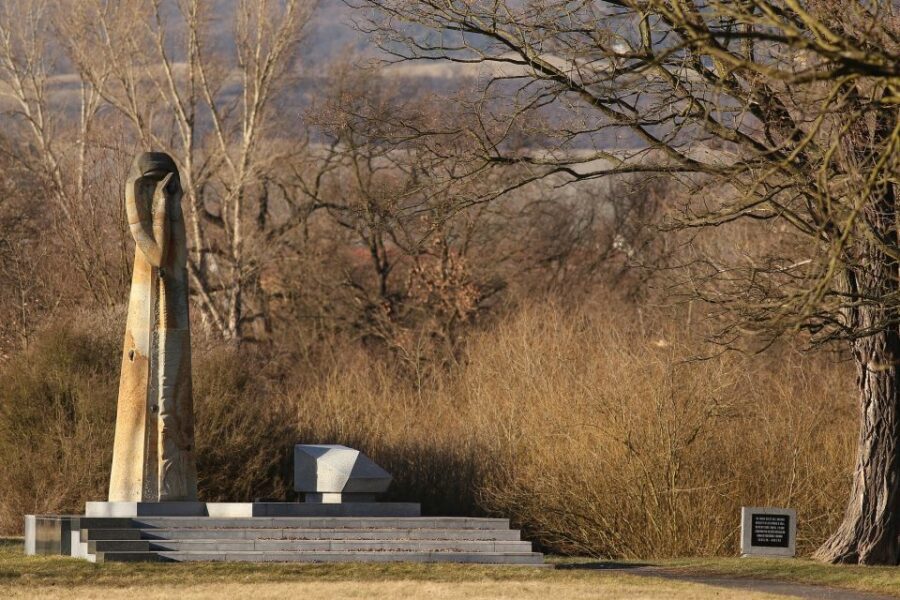
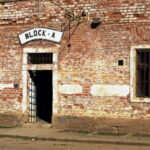
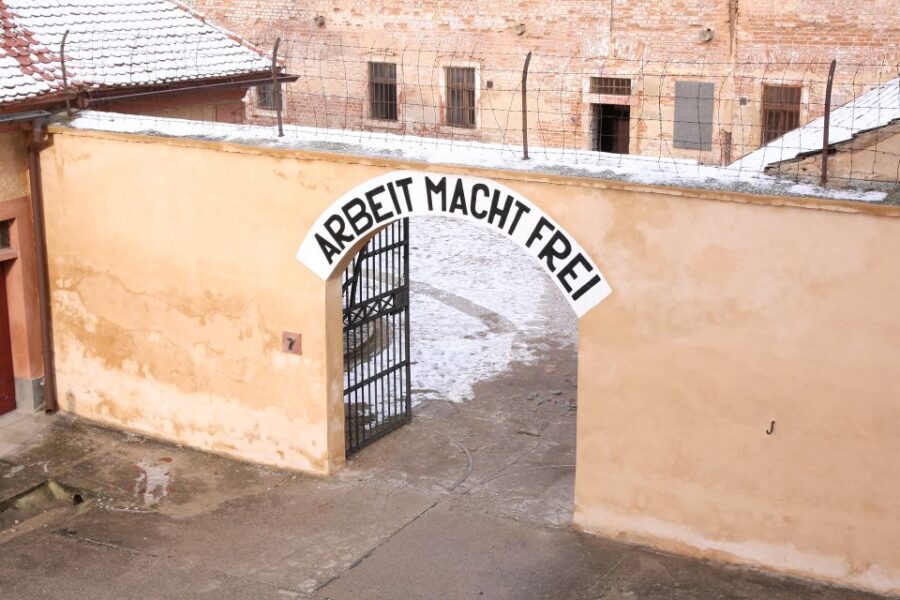
Next comes the main memorial area: Terezín’s concentration camp section, again with a guided tour for about 1.5 hours. This part is where you’ll see what the camp experience was like in physical terms and what it was designed to do to people.
On a site like this, I find the guide’s role is more important than usual. The grounds can feel overwhelming if you’re trying to translate everything by yourself. A live guide helps you connect what you’re standing in front of with the story you’ve been hearing. It’s not just narration—it’s orientation. You learn what you’re looking at, why it matters, and how each part fits into the larger picture.
A small detail that can make a big difference: sound. If the guide’s voice is hard to hear, you miss meaning fast. I can’t control the tour environment, but I’d plan to position yourself where you can hear clearly. If you want to take in every word, aim for a spot where you’re not far from the guide.
Crematorium and Jewish cemetery: the stops you shouldn’t rush through
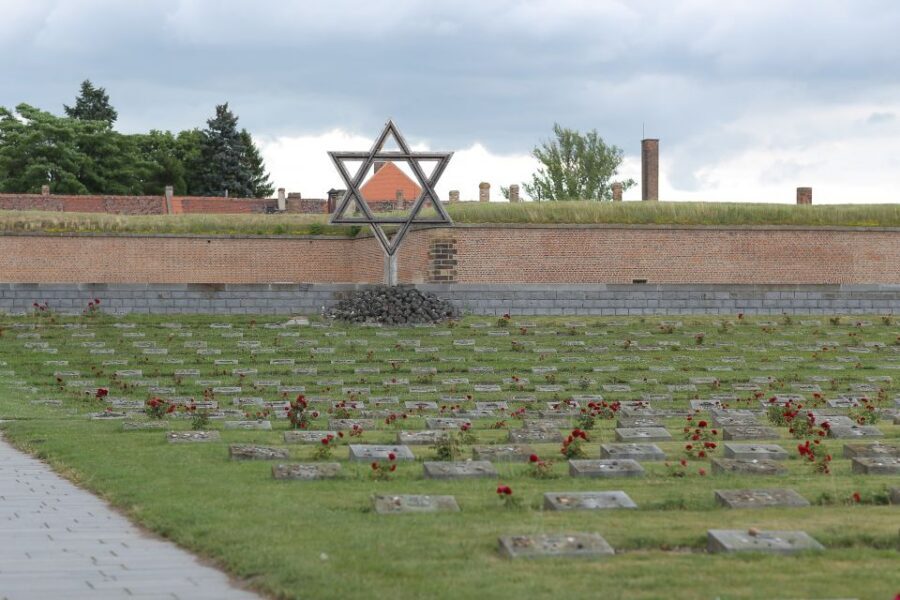
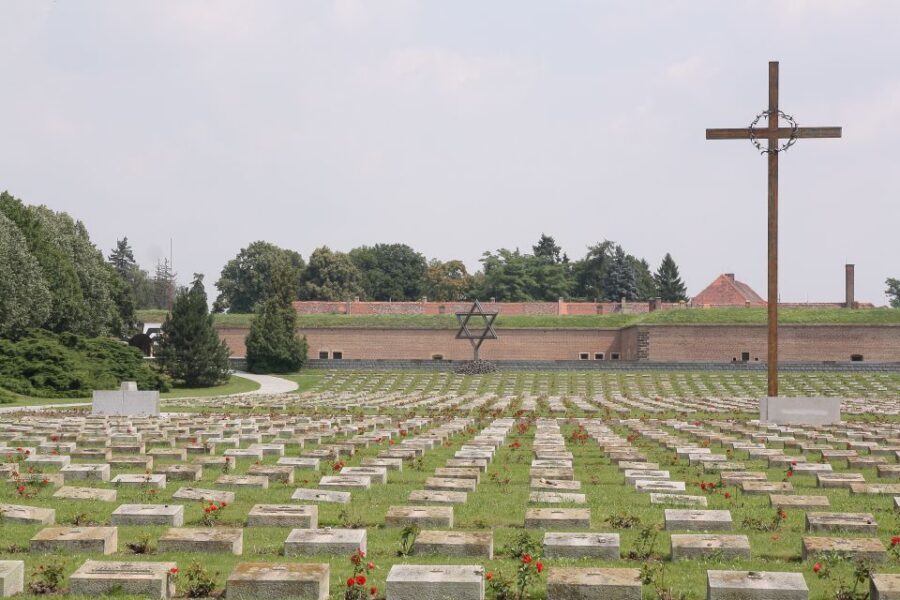
Among the key highlights of this experience are the crematorium and the Jewish cemetery. These are the kinds of places where “quick sightseeing” feels wrong. The purpose isn’t to tick boxes; it’s to face what happened and understand it honestly.
Because these stops are part of the guided route, you’ll likely move through them with the group rather than at your own timing. That’s actually a benefit on a memorial day. The guide can explain why these sites are included and what the camp’s actions meant, not just what physical features remain.
If you tend to feel emotional quickly, that’s normal here. Don’t fight it. Give yourself permission to slow down mentally even if the walking pace is steady. You’ll absorb more if you treat each stop like a moment, not a photo opportunity.
Free time on site: use the 30 minutes for reset, not sightseeing sprees
After the guided portions, you get about 30 minutes of free time on site. That’s not a lot, but it’s enough for a reset. I’d use it for two things: reflect and get your bearings after the structured route.
It’s also smart to use this time to handle practical needs. This tour format is built around fixed guided blocks, and there isn’t a long break scheduled for shopping or meals. So if you know you’ll need a restroom stop, do it early or right when your free time begins. Plan for hydration before the day gets fully moving.
One more reason to treat this time carefully: it’s easy to get distracted when you’re between guided segments. Set a simple goal—like finding a place to sit briefly or revisiting one area that stayed with you. Then return to the meeting point with time to spare so you don’t end up scrambling.


Coach details that affect your experience (more than you think)
This trip runs with a coach for about an hour out and about an hour back. That sounds straightforward, but the coach changes the feel of the day in two ways.
First, it means you’re commuting with a group. When the day is sensitive and structured, staying together prevents stress. Second, the drive time and traffic can affect how much attention you can give to the tour stops. If your schedule is tight, build in patience for the fact that this is a group operation.
There’s also a real comfort factor here: the driver has been described as patient, including with older tourists. That matters if you’re the type who appreciates smooth logistics during a heavy day.
Price and value: what $57 gets you in a guided memorial day
At about $57 per person for a 6-hour experience, the value is mainly in three places: the English-language live guide, the structured visit time, and paid access to the memorial areas. The tour includes entrances to the Getto and Museum, and you’re also covered for the coach transfer from Prague.
Think of this as paying for clarity and time. If you try to build the day independently, you’ll still need a route that makes sense, timed access, and a way to understand what you’re seeing. Here, the guide does that work with explanations and the walk-through structure.
Also, the group format helps. You don’t have to coordinate your own transport window while keeping track of memorial-site etiquette and meaning. For a place as serious as this, I’d rather pay for guided structure than spend hours trying to make an imperfect plan.
On overall satisfaction, the experience holds a 4.3 rating based on 54 bookings. The standout theme is the quality of guided explanations on the better departures, with some people noting that clear audio and pacing can vary.
The English guide experience: why your ability to hear matters
This is an English live guided tour. That’s a big deal at a memorial site. You want to hear the specifics: what each area represents, what the guide is connecting, and how they respond when people ask questions.
In at least one departure, the guide Eva was praised as excellent and professional, with the kind of clear explanations that make the material stick. There’s also mention of a driver Daniel being patient, which can help your stress level when you’re traveling with others.
Now for the consideration: some departures can feel harder to follow if the guide’s voice isn’t carrying well. If you’re sensitive to hearing, try to choose a spot in the group where you’re close enough to catch the words. If you’ve got trouble hearing spoken English in open outdoor spaces, earplugs can sometimes help, but the best fix is simply proximity to the guide.
Who should book this tour, and who should think twice
This experience is best for people who want a structured, guided visit to a memorial site and who can handle intense subject matter. If you’re traveling with someone who likes lectures, explanations, and a clear route, you’ll probably feel supported.
It’s also a good match if you want authentic recollections rather than only signage. The tour is built to teach through a guide-led format.
You should think twice if you have mobility constraints that don’t work well with a walking-focused memorial tour, because it is not suitable for wheelchair users.
And if you’re the type who gets frustrated by tight schedules, take note of the day’s rhythm: you’ll have two guided blocks and a short free window. Bring the mindset of a “guided day,” not a flexible self-guided experience.
Should you book Terezín: Guided Tour of the Concentration Camp and Museum?
I’d book it if you want an English-led, coach-based day that gives you context first and then takes you through the concentration camp areas in an ordered way. The inclusion of the Ghetto Museum, plus memorial stops like the crematorium and Jewish cemetery, is exactly the kind of coverage that’s hard to arrange solo.
I’d also book it if you care about not missing meaning. A guide’s explanations at places like this matter more than comfort features.
Skip it or plan carefully if you know you need lots of breaks, have trouble hearing in groups, or can’t handle a walking-oriented memorial day. If your comfort depends on audio clarity and slow pacing, arrive early, stay close to the guide, and treat the group transitions seriously so you don’t lose your place.
FAQ
How long is the Terezín guided tour?
The tour lasts 6 hours.
Where do I meet for the tour?
You meet at the yellow kiosk, opposite the municipal building, at Náměstí Republiky 1037/3.
Is the tour guided in English?
Yes. The tour includes a live tour guide in English.
What does the price include?
The price includes entrances to the Getto and Museum.
Is this tour wheelchair accessible?
No. It is not suitable for wheelchair users.
Can I cancel for a full refund?
Yes. It offers free cancellation up to 24 hours in advance for a full refund.
Is it pay later or pay now?
You can use reserve now & pay later, meaning you can book your spot and pay nothing today.