REVIEW · TEREZIN
Terezin concentration field excursion
Book on GetYourGuide →Operated by Los Torres s.r.o. · Bookable on GetYourGuide
Fortresses tell a hard story.
This Terezín concentration field excursion is built around walking the same kind of route and information chain that helps the sites make sense, from the memorial context to the fortress spaces. I like the way the day links bigger Czech history to what happened inside the prison system, including a stop connected to the Anthropoid Operation.
Two things I really value: the guided explanations are clear and respectful (the guide Eric is specifically praised in recent bookings), and you get a “before and after” feel for how Terezín was used—first as a ghetto city and then as a camp system. One possible drawback: it’s a Spanish-language tour, so if you’re not comfortable with Spanish narration, you may struggle to fully follow the story.
In This Review
- Key things that make this tour worth your time
- Why Terezín is more than a visit to ruins
- The drive from Prague: time to get oriented before the fortress
- Terezín Memorial Museum: names, facts, and a guided start
- Ghetto vs. camp: what the guide makes you compare
- Following the prisoner route: administrative courtyard to the main camp spaces
- Inside the fortress system: casematas and the reality of confinement
- The great fortress as the Jewish ghetto: how the “city” idea comes alive
- The small fortress and the Lecca resistance angle
- Price and value: a 6-hour story for $68
- Who should book this Terezín excursion
- A few practical tips for a smoother, more meaningful day
- Should you book this tour?
- FAQ
- What time does the tour start?
- How long is the excursion?
- What language is the guide?
- How much does it cost?
- What’s included in the price?
- Is wheelchair access available?
- Are pets allowed?
Key things that make this tour worth your time
- Anthropoid Operation monument en route: you start with Czech resistance context before you even reach Terezín.
- Terezín Memorial Museum focus: you spend time on names, facts, and what the memorial teaches.
- Ghetto vs. field/camp comparisons: the guide explains differences as you move through the sites.
- Prisoner-route walking pattern: the visit follows a sequence starting in the administrative courtyard.
- Casematas de la Fortaleza and the shooting field: you see key spaces that shaped daily reality.
- Great and small fortress perspectives: the day covers the Jewish ghetto in the great fortress and the Lecca resistance angle linked to the smaller one.
Why Terezín is more than a visit to ruins
Terezín isn’t framed as history-on-a-placard. It’s presented through the mission of the Terezín Memorial, which focuses on commemorating victims of Nazi political and racial persecution during the occupation of Czech lands in World War II. The goal is not just to mark suffering, but to support museum work, research, and education tied to the pain and deaths of thousands.
What I find useful is how the tour structure supports that mission. You’re not just dropped at a viewpoint and left to interpret. You move from general context to specific spaces, so the fortress architecture actually helps explain what the words mean.
You can also read our reviews of more tours and experiences in Terezin.

The drive from Prague: time to get oriented before the fortress
You meet at V Celnici 4 at 9:00 a.m., and the ride to Terezín takes almost an hour. That travel time matters more than it sounds, because the narration starts early with historical and technical details that will connect directly to what you see later.
On the way, you pass through the monument connected to the Anthropoid Operation. This isn’t a random roadside stop. It helps you place Terezín in a broader map of resistance, repression, and Czech wartime reality before the tour shifts to the memorial sites.
If you want to do this kind of day well, my advice is simple: go in ready to listen. The first part of the story is doing groundwork, and it makes later stops easier to follow.
Terezín Memorial Museum: names, facts, and a guided start
Once you arrive, you start with the Terezín Memorial – Ghetto Museum. There’s a photo stop built into the flow, then you shift into the guided museum portion. Even without getting lost in details, you can feel what the museum is trying to do: connect people and events, not just buildings.
The tour’s language emphasizes learning names, facts, and ways—basically, giving you anchors so the day doesn’t turn into a blur of stone corridors. This is one reason the tour gets strong marks for the guide’s clarity. When the guide stays respectful and organized, the museum portion becomes emotionally heavy but intellectually usable.
Practical tip: bring a notebook or plan to screenshot key points on your phone. If the story hits you hard, you’ll thank yourself later when you can’t remember every name.
Ghetto vs. camp: what the guide makes you compare
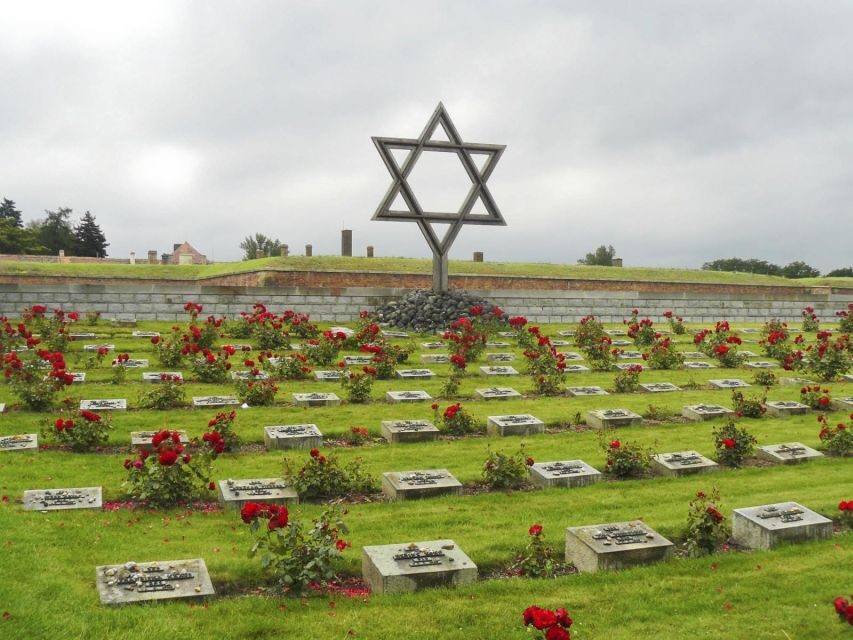
After the museum, the day continues toward the national cemetery area. This section is where the narration explicitly explains differences between a ghetto and what the tour calls the field/concentration camp system.
That comparison is valuable because many people lump everything under one word. Here, the guide’s job is to help you see the specific functions and how the system evolved. You don’t just learn vocabulary—you learn why those terms mattered to what happened to prisoners.
You’ll also hear guided explanations connected to the cemetery complex, including details about figures, motives, and methods. That’s not “extra background.” It helps explain how policies turned into procedures and how procedures became routine.
Following the prisoner route: administrative courtyard to the main camp spaces
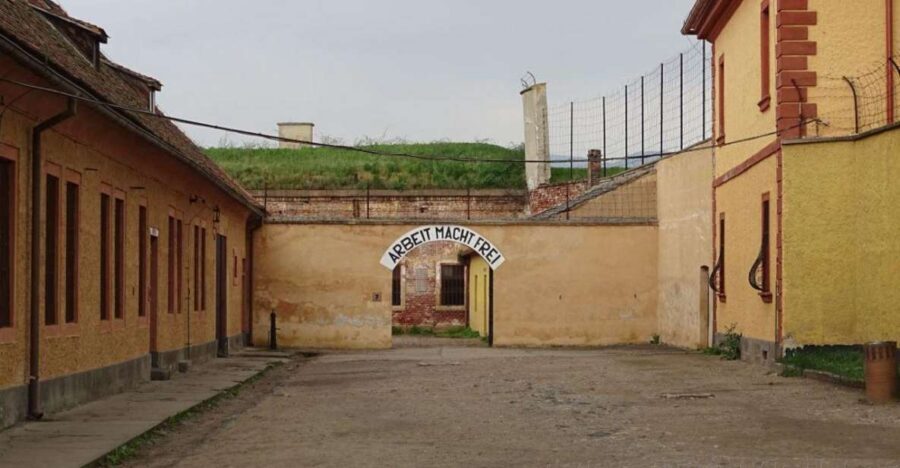
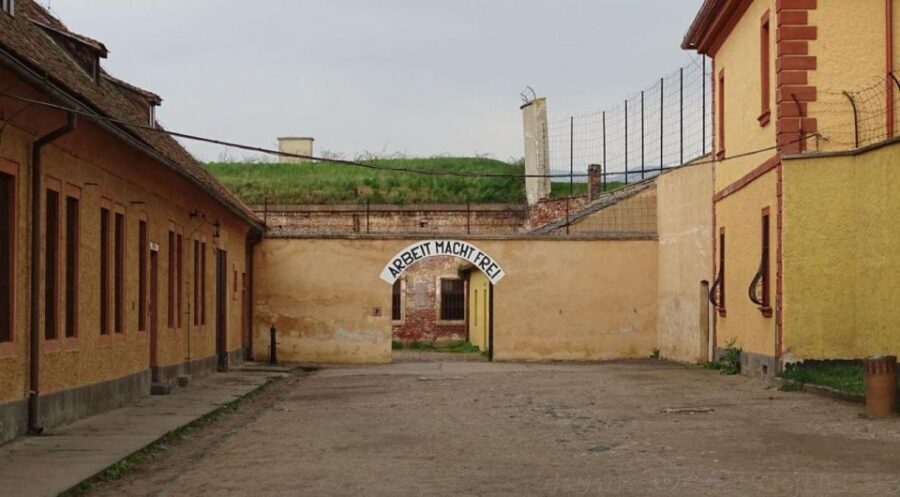
The tour then moves into the concentration-camp portion following the same kind of sequence prisoners followed, starting in the administrative courtyard. This is one of the most important shifts in the whole excursion, because it moves you from explanation to embodied layout.
The administrative courtyard works like a hinge point. It’s the place where you can understand the transition from the world outside into the controlled system inside. Even if you’ve read about Terezín before, walking in a guided sequence is a fast way to get your bearings.
You’ll then move along the route that includes passing the area marked with Arbeit Macht Frei, reaching the prisoners’ area afterward. Expect the guide to connect what you see with what it meant—space used for control, movement, and confinement.
If you do one thing to make this part better, it’s this: slow down where the guide pauses. The value isn’t in racing through. It’s in letting the story stick to the actual layout.
Inside the fortress system: casematas and the reality of confinement
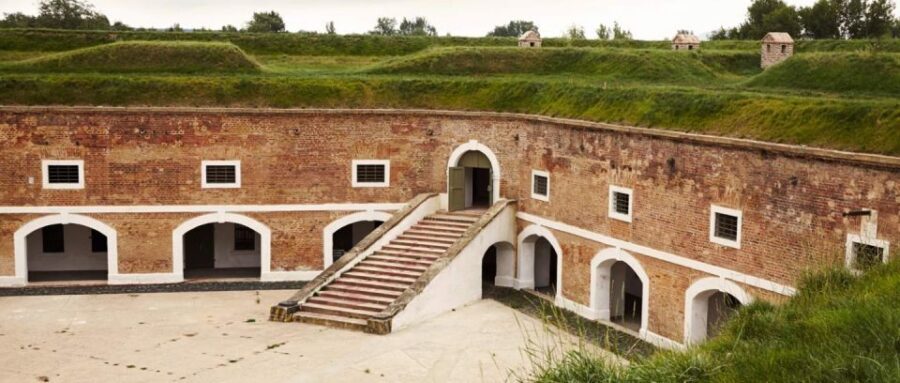
After the main route segment, you pass through the Casematas de la Fortaleza. This is a key stop because casemates are about hard structure—thick walls, enclosed spaces, and the sense that you’re moving through a design meant for containment.
From there, the tour reaches the shooting field. This part is blunt, and the narration’s role is to keep it factual and respectful, focused on what the memorial is meant to teach. The inclusion of this location in the guided path is exactly why the tour is more than a casual sightseeing day.
Then you continue to a part of the residential area. That final movement matters, because it helps you understand the contradiction of the site: places that were built and used to function, even while the system inflicted terror and death.
The great fortress as the Jewish ghetto: how the “city” idea comes alive
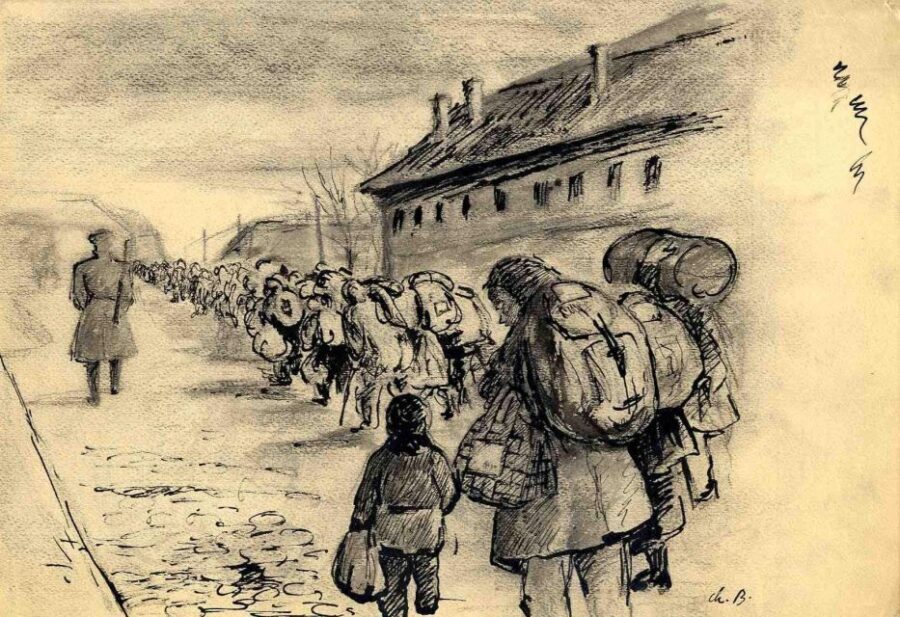
One of the highlights is the great fortress, described as the Jewish ghetto. On this tour, the ghetto idea isn’t treated like a slogan. It’s framed as a whole system—often referred to in the narration as a fortress that operated like a city.
You’ll see that framing reinforced as you connect the museum context with the later fortress spaces. The tour’s storyline helps you understand how a place designed for defense turned into a tool of persecution, with rules and routines that prisoners had to live under.
This section is also where a strong guide makes the difference. In recent Spanish-language bookings, people praised the tour for having a guide who was clear and respectful when explaining life during the use of Terezín as a concentration camp system. That kind of tone helps you stay present without feeling steamrolled.
The small fortress and the Lecca resistance angle
Another highlight is the small fortress, linked to the Lecca resistance. Even when your focus is on the memorial and the camp system, this matters because it reminds you that the fortress story includes resistance as well as repression.
I like that the tour doesn’t only aim for darkness. It includes the “other side of the coin” in how Terezín is remembered and interpreted. You come away with a fuller sense of the period, including how resistance efforts existed under extreme pressure.
Because the day is organized around guided stops, you’ll want to pay attention to how the guide connects this angle to the larger memorial message. The goal isn’t to shift the topic away from victims; it’s to show how the site fits into the broader wartime picture.
Price and value: a 6-hour story for $68
At $68 per person and 6 hours total, this excursion isn’t trying to be a budget “quick stop.” You’re paying for three things you don’t get when you go solo: round-trip transportation from Prague, guided interpretation, and admission to the facilities.
That value can be especially good if you want to avoid the common problem of memorial visits becoming confusing. Terezín is built from multiple key areas that can feel disconnected if you’re reading on your own. Here, the guide ties the stops together in a sequence that supports understanding.
It’s also worth noting that the tour runs in Spanish with a live guide, so the cost is tied to the narration quality and the fact you’re not relying only on labels.
Who should book this Terezín excursion
This is a strong fit if you want a structured, guided visit that links multiple Terezín sites into one coherent story. It’s also ideal if you prefer a route that follows what prisoners experienced, since the excursion is arranged to do that starting from the administrative courtyard.
You’ll also like this if you care about Czech wartime context beyond just the camp facts, because the stop connected to the Anthropoid Operation sets the stage early.
If you’re sensitive to intense historical subjects, plan your mental energy like you would for a museum day with heavy content. This is a memorial with a serious educational mission.
A few practical tips for a smoother, more meaningful day
- Wear shoes you can trust for long guided walking.
- Bring water and plan for a quieter mindset once you enter the fortress/camp areas.
- If you’re Spanish-speaking, lean into the narration; the guide’s clarity is a key reason this tour earns top ratings.
- If you’re not fluent in Spanish, consider how you’ll handle missing nuance, since the tour is offered in that language.
Should you book this tour?
Yes, you should book if you want a guided, sequence-based Terezín Memorial experience that connects the museum, national cemetery explanations, and fortress spaces into one story. The tour’s strongest points are the guided clarity and the respectful way the day explains how Terezín functioned—from ghetto conditions to camp procedures.
Skip it only if Spanish narration is a dealbreaker for you or if you’re looking for a lighter, casual outing. This is built for learning and remembrance, not easy sightseeing.
FAQ
What time does the tour start?
It starts at 9:00 a.m. at V Celnici 4.
How long is the excursion?
The total duration is 6 hours.
What language is the guide?
The live tour guide speaks Spanish.
How much does it cost?
The price is $68 per person.
What’s included in the price?
You get round-trip transportation, a guide service, and entry fees to the facilities.
Is wheelchair access available?
Yes, the tour is listed as wheelchair accessible.
Are pets allowed?
No, pets are not allowed.