REVIEW · PRAGUE
Terezin Concentration Camp – A town of rich and painful history
Book on Viator →Operated by Prague Tours by Tatiana · Bookable on Viator
Terezín hits hard, even with warning. This trip gives you a clear-eyed look at how a fortress town in Bohemia became a Jewish ghetto and a Nazi holding place. What makes it especially worth your time is the way the sites connect: you don’t just walk around, you understand how people lived, suffered, and were processed for deportation. Private pickup from your Prague hotel helps you focus on the day, not on logistics.
Two things I like a lot. First, the format is truly small-group private (up to 3), so you can ask questions without feeling rushed. Second, the guide-led explanations (run by Tatiana, with transport handled by a driver such as Victor in at least some departures) help you make sense of the place beyond the headline labels. One drawback to plan for: the subject is extremely somber. If you’re not ready for heavy material—or if your group needs lots of breaks—this won’t be a light day.
In This Review
- Key highlights you will feel on this trip
- Terezín’s story makes more sense when you’re taught what you’re seeing
- Getting to Terezín from Prague: 9:00 am start, hotel pickup, real time savings
- Main Fortress: from fortress town to ghetto system
- Small Fortress and the Gestapo prison: the part that feels the most frightening
- The crematorium stop: why the details matter, even when it’s hard to look
- How a six-hour private format keeps you from feeling rushed
- What you’ll learn about daily life, not just famous labels
- If you bring kids: how to make this respectful and workable
- Price check: is $236.59 per group good value?
- Should you book this Terezín tour?
- FAQ
- FAQ
- How long is the Terezín concentration camp tour?
- What time does the tour start?
- Where do we meet for pickup in Prague?
- Is this tour private?
- What language is the tour offered in?
- What is the price and group size?
- What is included in the price?
- What is not included?
- Is service animals allowed?
- Is there anything I should know about physical fitness?
- What are my cancellation options?
Key highlights you will feel on this trip
- Hotel pickup and drop-off so you lose less time to transit
- Up to 3 people for more personal pacing and Q&A
- Main Fortress + Small Fortress to see how the system worked at multiple levels
- Gestapo prison and crematorium among the most important places on-site
- English narration to keep the details clear
- About 6 hours to cover the big story without feeling like a blur
Terezín’s story makes more sense when you’re taught what you’re seeing
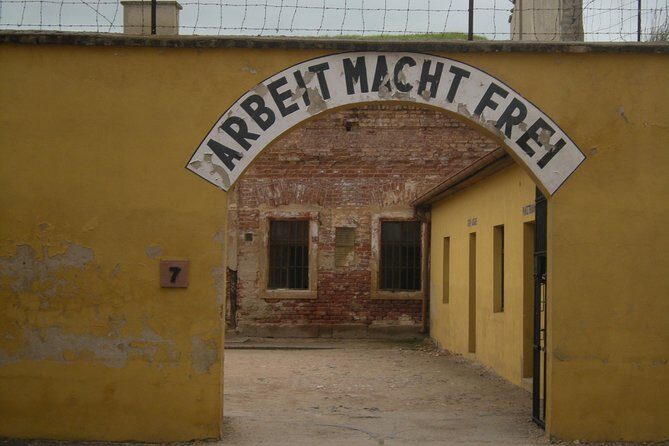
Terezín (in English you’ll also see it written Terezín or Theresienstadt) is often described as a ghetto-camp system. But the most important thing to carry into your visit is that it wasn’t built as an extermination camp. It functioned largely as a transit holding place, where people were incarcerated and then deported farther east.
Once you know that frame, the sites start talking. You can look at buildings and grounds and understand why certain areas mattered, how confinement was organized, and why death still occurred there in large numbers. From the basic timeline—fortress to garrison to prison—through Nazi occupation, the guide helps you connect the dots instead of memorizing names.
You’ll also appreciate the honest wording around what happened here. In the chaos of war, around 155,000 people were held there, and many—including children—died in Terezín itself. That’s not trivia. It’s the reality that makes every corner of the place feel less like a museum stop and more like a historical scene.
You can also read our reviews of more historical tours in Prague


Getting to Terezín from Prague: 9:00 am start, hotel pickup, real time savings
This tour starts at 9:00 am, and pickup is arranged with you ahead of time. You meet at the registration desk of your hotel of choice, not at some distant office. For a day trip to a place like Terezín, I think that door-to-door approach is a big deal.
You’re also booking a private vehicle, not a crowded bus. That matters because the day is long enough. About 6 hours on the clock means you want comfortable travel both ways and a guide who can set the context while you’re en route, so you arrive ready to listen.
There’s one planning reality you can’t ignore: this tour needs good weather. If conditions are poor and the operator has to adjust, you’ll likely be offered another date or a full refund. Also note the physical side of it. The tour asks for moderate physical fitness, so you’ll want comfortable shoes and a steady pace.
Main Fortress: from fortress town to ghetto system
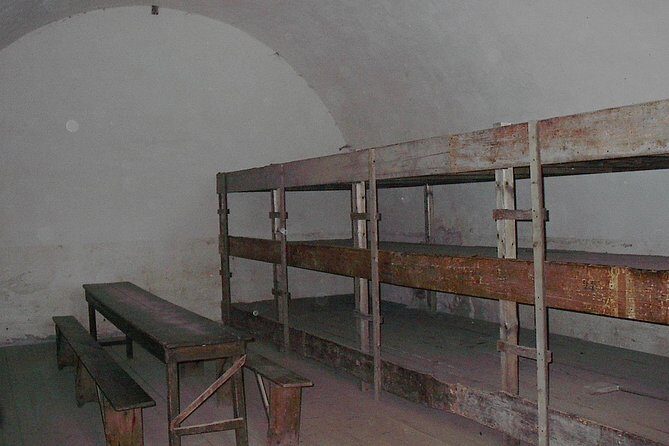
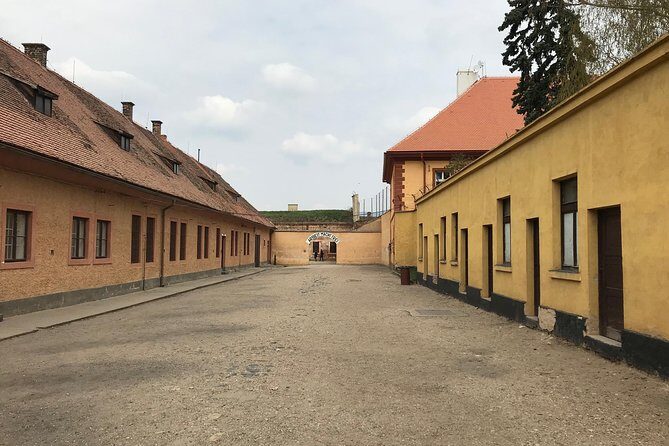
The Main Fortress is where you begin to grasp the scale and the machinery of the system. This place began as a fortress named after Maria Theresa, and over time it became obsolete for its original military purpose. Under the Nazi occupation, the Main Fortress was turned into the “special” Jewish ghetto.
When you walk here with a guide, you’ll notice how the fortress shape influences everything. Stone walls and sections create a sense of separation that feels immediate. Even if you’ve read about Terezín before, being on the ground helps you understand why control was so visible—and why daily routines were so constrained.
One of the sites you’ll focus on is the Magdeburg Barracks. Barracks aren’t just “historical buildings.” In places like this, barracks are where people were grouped, processed into overcrowded living, and forced into routines that stripped away normal life. Having your guide explain the context makes the structure easier to interpret, instead of leaving you guessing about what you’re supposed to notice.
This is also where you’ll learn why Terezín shows up so often in Holocaust history. It sits at the intersection of imprisonment and deportation. And because it was used as a holding place, it shaped people’s lives even when the goal was to send them onward.
Small Fortress and the Gestapo prison: the part that feels the most frightening
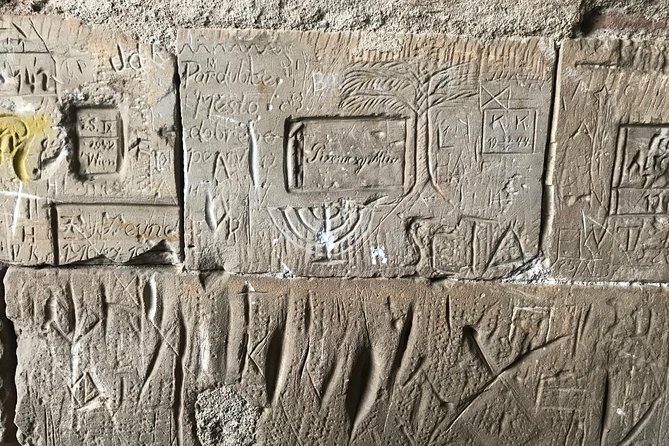
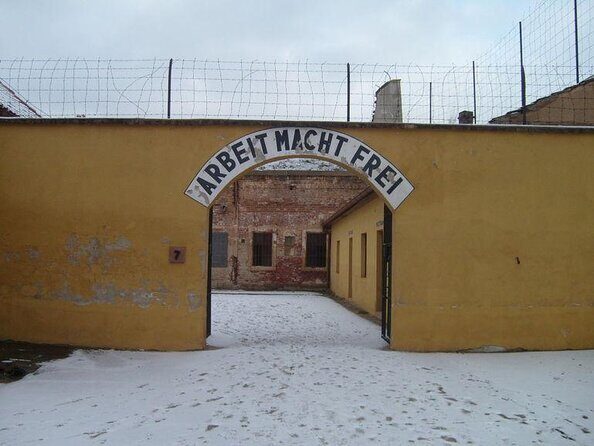
If the Main Fortress shows the broader system, the Small Fortress adds the terrifying edge. The Small Fortress is described as a cruel prison of the Reich’s secret police—the Gestapo. That detail changes how you interpret what you see on the ground.
Here’s the key practical point: you don’t want to treat this like a standard “sightseeing” stop. The guide’s job matters because the atmosphere can make your mind start inventing gaps. With clear explanations, you can follow the logic of what detention meant here, instead of relying on general ideas that might miss what the place actually represented.
While you’re at the Gestapo-related prison areas, the value is in understanding how fear was built into the experience. This is where the word transit can feel almost cold, because people weren’t just waiting for trains. They were trapped inside a brutal system of interrogation, control, and punishment.
This portion of the tour is often emotionally heavy. The good news is that a competent guide can pace you through it. In one experience described for this operator, the guide handled questions patiently even with kids in the group. That doesn’t make it easy, but it can make it manageable for families who want to do this responsibly.
The crematorium stop: why the details matter, even when it’s hard to look
Another major site included on the visit is the Crematorium. Even though Terezín wasn’t an extermination camp in the same sense as places like Auschwitz, death still happened here—at a terrible scale—because of overcrowding, starvation, disease, and the brutal conditions of imprisonment.
Seeing a crematorium during a guided tour changes the tone of the day. It becomes less about learning dates and more about facing consequences. And because your guide can place it in context, you avoid the common trap of thinking the site is just a symbol. You learn what it represented operationally and why it belonged to this particular camp reality.
I’d suggest you slow down here, even if you’re tempted to rush for emotional reasons. Looking away doesn’t help the story land. But don’t force yourself either. The better move is to listen, ask any question that’s nagging at you, and let the guide’s explanations do the work.




How a six-hour private format keeps you from feeling rushed
A day trip to Terezín can become either focused and meaningful or stressful and flat. The private structure helps it stay the first kind.
With pickup at your hotel, you’re not spending time hunting for meeting points. With private transportation, you’re also not stuck waiting for a rolling schedule that someone else controls. And with a duration of about 6 hours, you have enough time to cover key parts of the site without turning it into a hurried checklist.
This also means the guide can respond to your group’s pace. If you want to ask follow-ups, you can. If you need a moment, you can take one without losing the whole day. That flexibility is a real quality-of-life upgrade for a tour that’s emotionally demanding.
What you’ll learn about daily life, not just famous labels
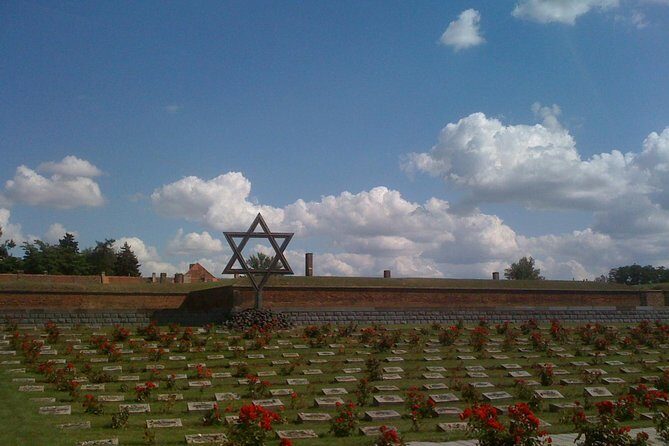
Yes, the Nazi system is the centerpiece of the story. But the tour’s value comes from what you learn about daily life inside Terezín’s walls and how that life was shaped by control.
You’ll hear about the place’s transformation—how a fortress eventually became part of a ghetto network, and how that network functioned alongside other prisons and detention sites. You’ll also learn the meaning behind the camp’s different areas, like the contrast between the Main Fortress as a ghetto and the Small Fortress as a Gestapo prison.
And you’ll gain clarity on the often confusing way terms get used in history. A transit camp can sound abstract until you realize it still held people in desperate conditions for extended periods. That’s when the sites click: the buildings, the layout, and the roles of each area all start to connect to the same core idea—people were trapped long enough for daily life to be distorted into something unrecognizable.
This is the kind of understanding you can’t always get from reading alone. On-site, with a guide, you can look and think at the same time.
If you bring kids: how to make this respectful and workable
This tour can be done with children, but it needs a careful approach. One family experience shared with this operator included kids ages 13 and 6, and the guide was patient with questions while keeping explanations clear.
The practical takeaway for you: if your child can handle uncomfortable topics and long quiet moments, a guided visit can actually help. A guide can translate what you’re seeing into age-appropriate language and help your family stay grounded.
That said, go in with realistic expectations. This isn’t the day for jokes or easy answers. It’s a solemn, educational visit. If your kids get overwhelmed easily, plan extra breaks mentally, and be ready to adjust your pacing on the spot.
Price check: is $236.59 per group good value?
The price listed is $236.59 per group, for up to 3 people, with English-language guiding and private transportation. That number can look high until you compare what you’re buying.
You’re paying for:
- A private guide for roughly 6 hours
- Hotel pickup and drop-off
- Private transportation
- An organized, English-led explanation focused on major sites like the Gestapo prison, crematorium, and the Magdeburg Barracks
For a small group, private logistics can be the difference between a good educational day and a chaotic one. If you’re traveling as two or three people, the cost per person drops fast compared to solo tours that charge per head. And since this is a place where context matters, I’d rather pay for a guide who can explain than try to “figure it out” alone.
One note: all fees and taxes are not included. So budget a little extra for anything you might be charged on-site, if applicable.
Should you book this Terezín tour?
If you want a serious visit to one of the most important sites in Czech and Holocaust history, this is a strong option. You’ll get door-to-door pickup, a private group size, and a guide-led route that includes the places that matter: the Gestapo prison, the crematorium, and the Magdeburg Barracks, with enough context to make the story coherent.
Book it if:
- You like learning through explanation, not just walking
- You’re traveling with a small group (up to 3)
- You want a well-timed day trip from Prague starting at 9:00 am
Skip it or rethink the plan if:
- Your group isn’t ready for very heavy subject matter
- You struggle with moderate walking or long periods on your feet
FAQ
FAQ
How long is the Terezín concentration camp tour?
The tour lasts about 6 hours.
What time does the tour start?
The start time is 9:00 am.
Where do we meet for pickup in Prague?
You meet all guests at the registration desk of your hotel of choice. Pickup time and date are arranged in advance.
Is this tour private?
Yes. It is a private tour/activity, and only your group participates.
What language is the tour offered in?
The tour is offered in English.
What is the price and group size?
The price is $236.59 per group, up to 3 people.
What is included in the price?
Included are services of a private tour guide, private transportation, and hotel pickup and drop-off.
What is not included?
All fees and taxes are not included.
Is service animals allowed?
Yes, service animals are allowed.
Is there anything I should know about physical fitness?
Travelers should have a moderate physical fitness level.
What are my cancellation options?
You can cancel for a full refund up to 24 hours in advance. The experience may also be changed or refunded if canceled due to poor weather.