REVIEW · PRAGUE
Taste, Cook and Dine Traditional Czech
Book on Viator →Operated by Good Mood Food · Bookable on Viator
Prague tastes better when you cook it. This 3.5-hour class in Karlín is built like a real Czech evening: you’ll snack your way through traditional flavors, help cook a few dishes, then finish with dessert and Czech wines.
I especially like the hands-on rhythm, where you’re not just watching and sampling, but actually participating alongside the hosts. I also appreciate the small group size, max 8 people, which makes it easier to get pulled into the cooking and the conversation.
One thing to consider: the menu is traditional and often includes meat-forward dishes on the main courses, so if you avoid certain foods, you’ll want to ask what’s available for your preferences.
In This Review
- Key highlights at a glance
- Your Czech evening starts in Karlín, not a tourist kitchen
- The hosts: Bret (and sometimes Aide or Svetlana) make it feel personal
- What you eat before the cooking starts
- Your hands-on cooking moment: seasonal dishes and shared techniques
- The main course: you learn the classics, even if you don’t cook all of them
- Wine pairing: three Czech wines plus a sample of fruit brandy
- Dessert choices: fruit dumplings or Kremrole
- Why this class feels like real Czech culture (and not a food show)
- Price and value: what $167.75 buys in real terms
- Practical logistics that matter on the ground
- Who should book this Czech food class in Prague
- Should you book Taste, Cook and Dine Traditional Czech?
- FAQ
- How long is the Taste, Cook and Dine Traditional Czech class?
- Where does the class meet and where does it end?
- What language is the experience offered in?
- How big is the group?
- What dishes and menu items can I expect?
- Are drinks included?
- What kind of ticket do I get?
- Will I get confirmation after booking?
- Can I cancel for a full refund?
Key highlights at a glance
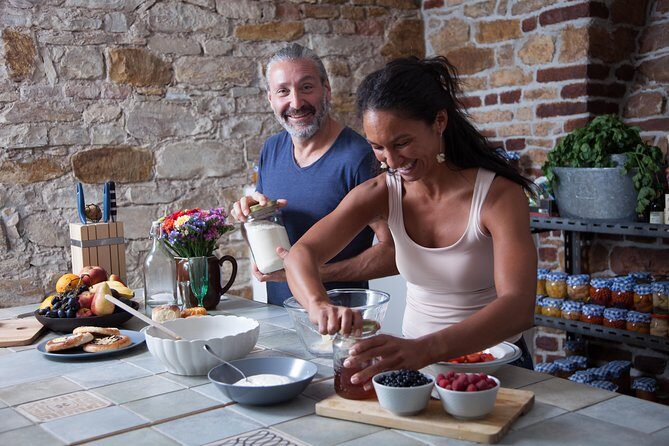
- Small group (max 8) means more time with Bret and the rest of the kitchen crew
- Seasonal cooking: you may help make three Czech dishes, like bread/bread dumplings, vegetable pancakes, and a dessert component
- Eat-first format with starter tastings plus a fuller lunch-style meal later
- Drink pairing includes three Czech wines and a sample of Czech fruit brandy
- Hands-on bread dumplings: a shared side you prepare together
- Host-led and social: led by one or both hosts (often Bret, and sometimes with Aide and/or Svetlana), in a cozy, history-tinged setting
Your Czech evening starts in Karlín, not a tourist kitchen
You meet in Karlín, at Křižíkova 70/67, Prague 8. The activity ends back at the same meeting point, so it feels self-contained. And it runs about 3 hours 30 minutes, long enough that you’ll actually learn something and not just rush through a few bites.
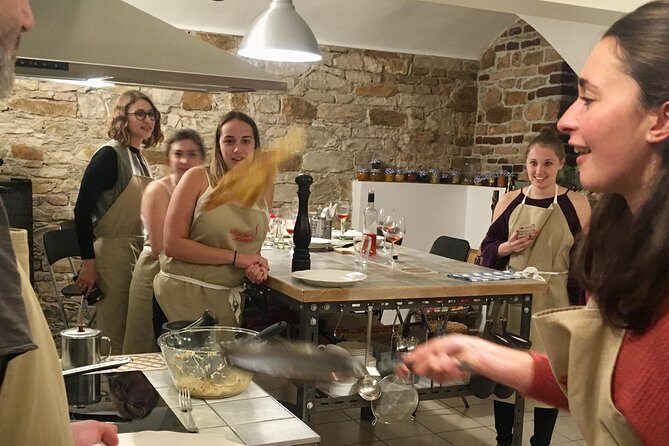
This is not a giant classroom. The cap is 8 travelers, and that size matters in Prague. You get time to ask questions, you get time to help with the food, and you don’t spend the evening standing off to the side.
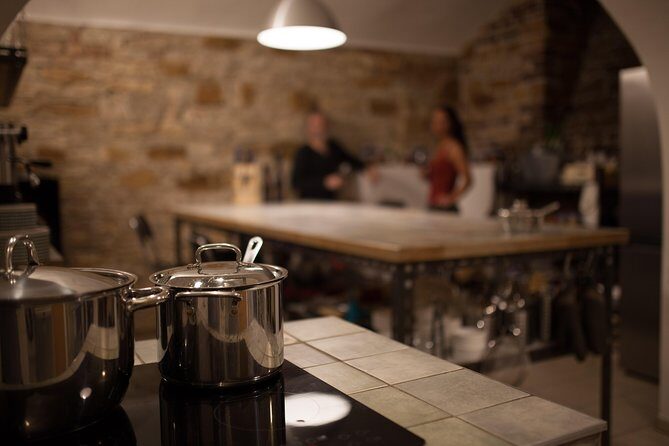
Also, the vibe is consistently described as relaxed and fun. Bret leads the experience (and on some nights you may meet co-hosts such as Aide and Svetlana), and the tone is friendly rather than stiff. One important detail: you’re not going to a warehouse-style “show cooking” spot. People describe a charming, historical basement feel, which makes the evening feel more like a local hangout than a ticketed performance.
You can also read our reviews of more tours and experiences in Prague.


The hosts: Bret (and sometimes Aide or Svetlana) make it feel personal
What you’re paying for here is more than food. It’s the host energy and the way the class flows. Bret’s role is the thread that ties together tasting, cooking, wine, and talk.
In practice, that means you’re not stuck with a one-way lecture. You’ll be guided through what you’re making and why it belongs in Czech meals. And since the class is small, you get the chance to participate instead of waiting for your turn.
You should also expect a lively atmosphere. The hosting style is built around laughter and conversation, including swaps with others in the group. If you’re traveling solo, this kind of structure is a big plus: it gives you a reason to talk to people without forcing small talk all night.
What you eat before the cooking starts
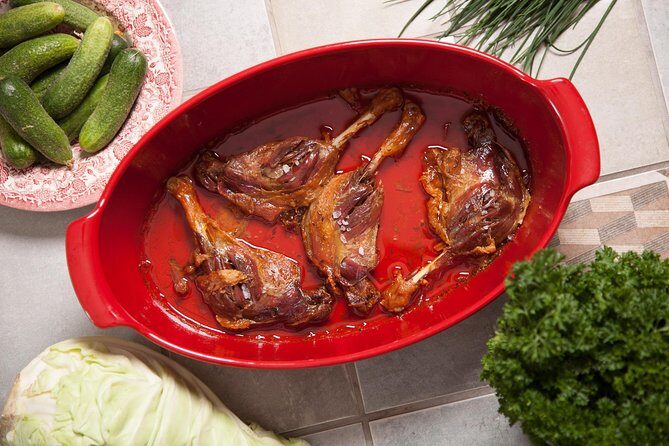
The experience is designed around a tasting menu that gives you context as you go. You’ll start with a variety of typical Czech delicacies and work through an appetizer-style spread.
That includes:
- tastings of sausages and cheeses
- homemade items such as jams, pickles, and bread
- local and seasonal vegetables and fruits
Then you hit a second starter track that sets you up for the hands-on part. Depending on the season and the format, you might see options like potato-sauerkraut pancakes, a cheese quark spread, or a carrot/kohlrabi salad.
This matters because it’s not only about flavor. You’re learning the logic behind Czech comfort foods: the way everyday ingredients turn into familiar dishes. The hosts focus on how local growing and farming shaped what ended up in household kitchens and what people came to expect in their meals.
And yes, there’s drinking. You’ll sip wine as you cook and taste, which keeps the tempo moving. It also makes the class feel like an evening out, not just a scheduled activity.
Your hands-on cooking moment: seasonal dishes and shared techniques
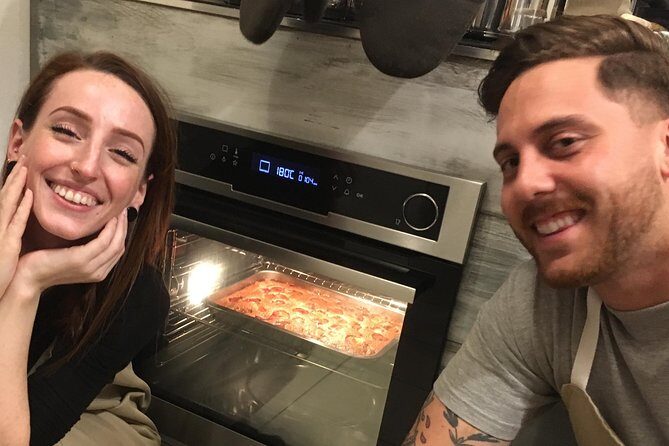
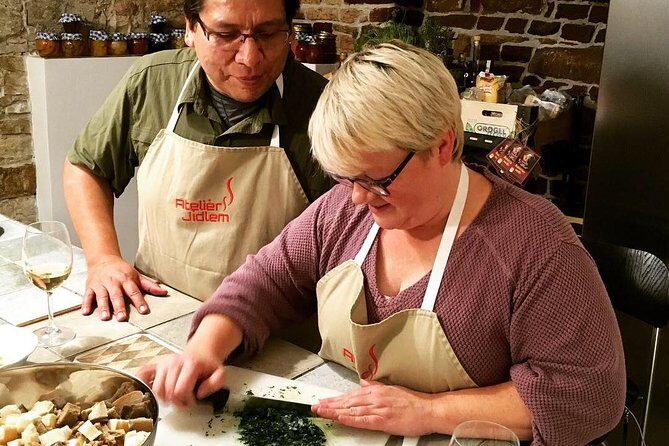
A highlight of this class is how often you actually put your hands to work. Depending on the season, you’ll cook three traditional Czech dishes. The exact line-up can shift, but the examples are very “Czech household” style.
Common cooking examples include:
- bread or bread dumplings with a spread
- vegetable pancakes
- a cake or dessert element (as the season allows)
You’ll also take part in preparing one of the starters mentioned earlier using typical Czech ingredients. This is the part where the class stops being a tasting tour and becomes real cooking.
Here’s why that’s valuable: technique is easier to remember than a recipe list. When you flip, shape, mix, or plate with guidance, the dish clicks in your head. Later, if you see a similar dish in a restaurant or market, you’ll know what you’re looking at.
Also, in a small group, you’re more likely to get coaching on the bits that matter. People describe getting involved with everything from helping with dumpling-style work to the fun chaos of cooking together.
The main course: you learn the classics, even if you don’t cook all of them
You don’t just taste Czech food. You get a main course that’s designed to represent what people actually order and make.
The class includes one main dish prepared by the host in advance, with choices such as:
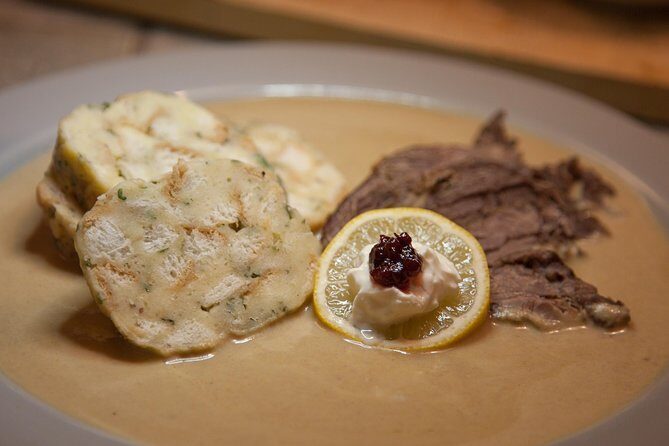
- Svíčková (vegetable cream sauce with beef)
- beef goulash
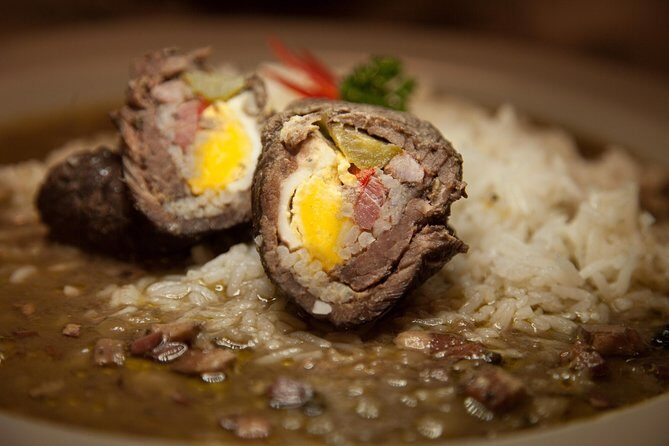
- Spanish bird (stuffed beef roll)
- roasted duck
- rabbit with vegetables
- beef with mushrooms
This host-prepared main format is smart. It gives you a benchmark dish to study. You can compare flavors across the evening, and then connect those flavors back to the simpler starters you tasted earlier.
You’ll also get a main-course side that’s cooked together: bread dumplings. That shared element is a great moment because you’ll see how an “everyday” starch becomes part of the plate, not just an afterthought.
If you like understanding food systems, this is where it clicks. Dumplings, sauces, and hearty mains are built for the Czech climate and the way people eat. You’re not only tasting; you’re seeing how the pieces of a Czech plate fit together.




Wine pairing: three Czech wines plus a sample of fruit brandy
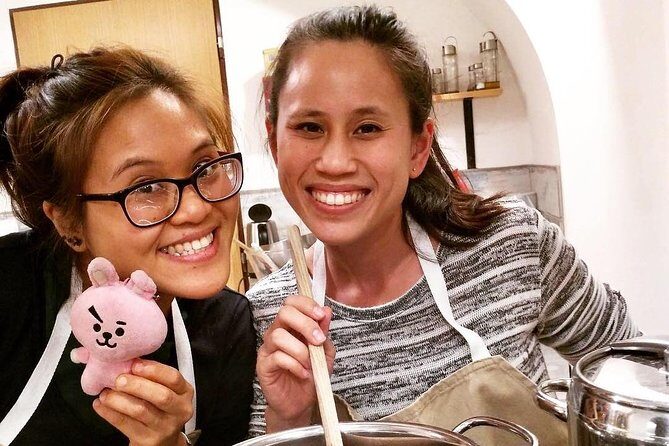
Czech food here is paired with three Czech wines. You’ll also get a sample of Czech fruit brandy.
What I like about this setup is that it avoids the awkward moment where wine just appears and nobody explains how it connects. The class keeps it tied to the meal you’re making and the flavors you’re tasting.
As a practical matter, take your time between bites. When you’re tasting cheese, sausages, and pickled items early, the wine does a job beyond pleasure: it helps reset your palate so the next dish stays interesting.
If you’re a wine fan, this is one of the better “food + drink” classes in Prague because it’s specific. The focus is Czech wines, not a generic pairing.
And if you’re the curious type, bring your questions. The host side of the class usually includes explanations about what you’re drinking and how it lines up with the food.
Dessert choices: fruit dumplings or Kremrole
You’ll finish with a dessert option, and you’re not stuck with one generic sweet. Depending on what’s available and what the season supports, you’ll get either:
- Fruit dumplings, stuffed with fresh seasonal fruits, served with poppy seeds and/or quark
- Kremrole, a fragile pastry filled with sweet meringue
This final course is a good end to the evening because it mirrors Czech comfort food logic: fruit, dairy, and pastry show up again and again in different forms.
Also, dessert is where a lot of classes fail by making it an afterthought. Here, it’s part of the same structured food journey, with wine and tastings leading you into the final sweet.
If you’re hoping to leave with a few real ideas for what to order next time, these desserts are excellent “memory anchors.” You’ll remember what Czech sweetness tastes like, not just what it looks like.
Why this class feels like real Czech culture (and not a food show)
This is the kind of experience that works because it teaches through doing. The hosts connect dishes to habits and history, using the foods as the entry point. You’ll learn about what’s typical for the region and how it shaped people and the local economy.
In plain terms, the class helps you understand why Czech meals feel the way they do:
- hearty starters and comfort textures
- familiar sauces and dumpling-style carbs
- a meal rhythm that includes wine
- sweets that fit the same ingredient story
And the social piece matters too. Since you’re cooking in a small group, you end up talking with other people about flavors, markets, and what you’ve been noticing around Prague. It’s a low-pressure way to meet local people and get answers you wouldn’t ask in a museum line.
Price and value: what $167.75 buys in real terms
At $167.75 per person for about 3 hours 30 minutes, you’re paying for a lot more than one prepared meal. The value comes from the mix: tastings, wine, hands-on cooking, and a full sequence of courses.
You’re getting:
- starter tastings with charcuterie and homemade items
- additional starter components that may be cooked with the group
- a main dish plus a shared side of bread dumplings
- dessert (either fruit dumplings or Kremrole)
- three Czech wines plus sample of fruit brandy
If you’ve eaten in Prague and then tried to add up the cost of wine, appetizers, and a dessert, the class can start to look like a bundled deal. You’re also buying something harder to price: time with a host who guides the story and keeps you actively involved in the food.
One more value point: with max 8 people, your evening is less likely to feel like you’re being processed. You get more participation per person, which is exactly what you want from a cooking class.
Practical logistics that matter on the ground
A few nuts-and-bolts details make this easier to fit into a trip.
- It’s offered in English, so you won’t be guessing what you’re tasting.
- It uses a mobile ticket, which removes one more thing to print or manage.
- The meeting point is near public transportation, so you can plan without a complicated commute.
- It’s a small group (max 8), so it runs more smoothly than big-group tours.
Also, confirmation happens at booking time. That helps if you’re building your Prague schedule and trying to avoid uncertainty.
Who should book this Czech food class in Prague
This class is a strong match if you:
- want a food experience that’s hands-on, not only observational
- like learning through tasting and cooking
- enjoy Czech wine and want pairing built into the meal
- want a small-group social evening in Prague
It’s also a good option for couples and solo travelers. The format naturally creates conversation, especially when you’re cooking together and tasting in rounds.
If you’re traveling with family, it can work well since the hosts guide the steps and everyone eats the same courses. Just remember the cuisine is traditional and can be meat-forward on the main list.
Should you book Taste, Cook and Dine Traditional Czech?
If your idea of a great Prague night includes real food, wine, and a host who talks you through the why, I’d book this. The class has the right mix of tasting + cooking + dessert, and the small size keeps it from feeling like a production.
You might skip it only if you want a purely restaurant-style evening with zero cooking involvement. This is still a cooking class at heart, even though some main dishes are prepared in advance.
One simple test: if you’re the type who likes dumplings, sauces, cheese boards, and learning by doing, this Czech evening is exactly your lane.
FAQ
How long is the Taste, Cook and Dine Traditional Czech class?
It runs for about 3 hours 30 minutes.
Where does the class meet and where does it end?
The meeting point is Křižíkova 70/67, 186 00 Praha 8-Karlín, Czechia, and the activity ends back at the same meeting point.
What language is the experience offered in?
The experience is offered in English.
How big is the group?
The group has a maximum of 8 travelers.
What dishes and menu items can I expect?
You can expect a variety of Czech starters, plus a main dish and side, and dessert. Depending on the season, you may help cook items like potato-sauerkraut pancakes, vegetable pancakes, bread/bread dumplings with a spread, and desserts such as fruit dumplings or Kremrole.
Are drinks included?
Yes. You’ll taste three Czech wines and sample Czech fruit brandy.
What kind of ticket do I get?
You receive a mobile ticket.
Will I get confirmation after booking?
Yes. You’ll receive confirmation at the time of booking.
Can I cancel for a full refund?
Yes, you can cancel for a full refund if you cancel up to 24 hours in advance. Changes made less than 24 hours before the experience start time are not accepted.