REVIEW · BRNO
Skip the Line: 10-Z Bunker Entrance Ticket in Brno
Book on Viator →Operated by AMERFO o.p.s. · Bookable on Viator
One ticket. A whole different world.
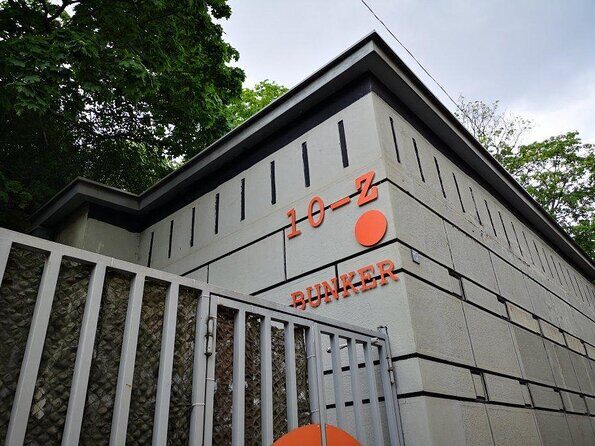
The 10‑Z Bunker in Brno turns WWII and Cold War fears into a self-guided, walk-through experience with lots of physical rooms, screens, and special effects. You get an English map and media to help you find your way out, plus Wi‑Fi and QR codes that add more context along the route.
I especially like two things here. First, the visit is self-guided, so you can move at your pace instead of being rushed. Second, the experience focuses on concrete places and objects (like the telephone switchboard and filtration spaces), so it feels less like a slideshow and more like stepping into the setting.
One thing to consider: the exhibit is mostly English-subtitled screenings, and the English may feel thin if you want deeper storytelling and use-case details. If you’re the type who likes lots of narrative explanation, go in with that expectation.
In This Review
- Key Things That Make the 10‑Z Bunker Ticket Worth Your Time
- 10‑Z Bunker in Brno: What You’re Actually Buying
- Skip-the-Line With a Mobile Ticket: Getting In Without Fuss
- Following the Path: Map, Wi‑Fi, and QR Videos
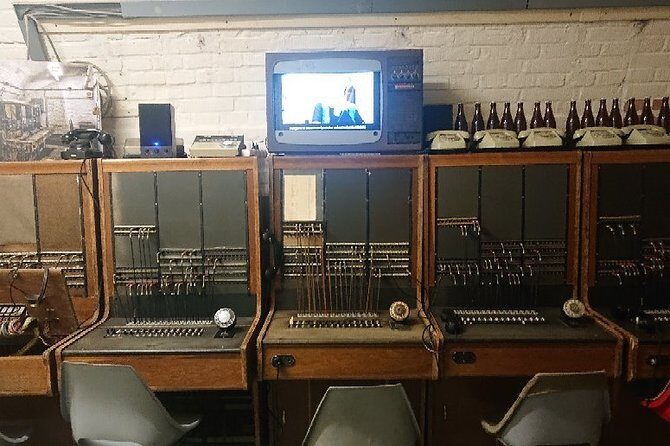
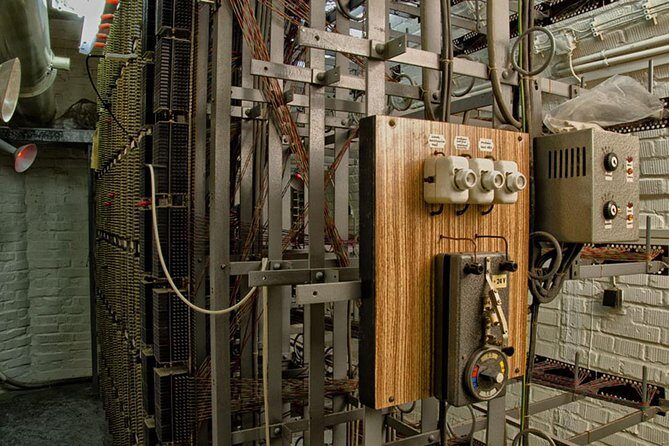
- Inside the Rooms: The Diesel Generator, Filtration Area, and Telephone Hub
- Brno Connections You’ll Remember: Polášek Tables and a Door From the Cell of Death
- The Screen Stations: Old Footage, English Subtitles, and Why It Works
- Milk Bar Moment: A Break at the End of the Route
- How Long Should You Plan for? Timing for a Better Atmosphere
- Who Should Book This 10‑Z Bunker Ticket (and Who Might Skip)
- Price and Value: $12.01 for a Museum Route With Real Machinery
- Should You Book the Skip-the-Line 10‑Z Bunker Ticket?
- FAQ
- How long is the 10‑Z bunker entrance ticket visit?
- Is the ticket self-guided or do I get a guide?
- Are there English subtitles or English materials?
- Do I need cash or can I find refreshments during the visit?
- What are the opening hours for 10‑Z bunker?
- What’s included in the Skip-the-Line ticket?
Key Things That Make the 10‑Z Bunker Ticket Worth Your Time
- Self-guided navigation: you get an English map and are meant to find your way out through the bunker layout
- QR code add-ons: hidden QR codes link to extra video material during your walk
- Real bunker functions on display: you’ll see the diesel generator, filtration room, and PBX telephone switchboard
- Brno-specific artifacts with political baggage: the Polášek tables and a door from the cell of death connect the bunker to local history
- About 15 English-subtitled screenings: audiovisual stations do the storytelling work
- Calm, low-key vibe if you time it right: the setup can feel quiet and unrushed, especially when crowds are light
10‑Z Bunker in Brno: What You’re Actually Buying
This isn’t just an entrance ticket. It’s admission to the WWII and Cold War museum in the 10‑Z bunker, packaged as a short-to-medium self-guided route. Based on the format, you should plan for anywhere from 15 minutes to around 1.5 hours, depending on how long you watch the screens and how carefully you follow the route.
The ticket also comes with a few practical perks that matter in real travel life. The big one is the skip-the-line entry, delivered as a mobile ticket, so you’re not stuck hunting paperwork when you arrive. And because the whole point is the bunker path, you don’t need a guide to start. You just need to read the map, follow the stations, and press play when the screens invite you to.
If you like WWII and Cold War history but don’t love guided tours that feel scripted, this works well. It gives you structure through stations and media, yet leaves the pace to you.
You can also read our reviews of more tours and experiences in Brno.
Skip-the-Line With a Mobile Ticket: Getting In Without Fuss
The visit is designed for visitors to enter smoothly and start right away. You’ll use a mobile ticket, and you’ll receive confirmation at booking time. The experience runs Tuesday to Sunday, 11:30 AM to 7:00 PM, which is handy because it covers most of the day.
On timing: the experience is capped at a maximum of 99 travelers, which generally helps keep the flow from turning into a cattle-car museum crush. And because it’s self-guided, even if people enter around the same time, you can still space out at each station.
One practical tip I’d give you: arrive with a realistic plan for your day. If you’re in Brno for only a couple of stops, the bunker is perfect as a focused indoor block. If you’re doing a long sightseeing day, it’s still manageable because the route is short enough to fit between other sights.
Following the Path: Map, Wi‑Fi, and QR Videos
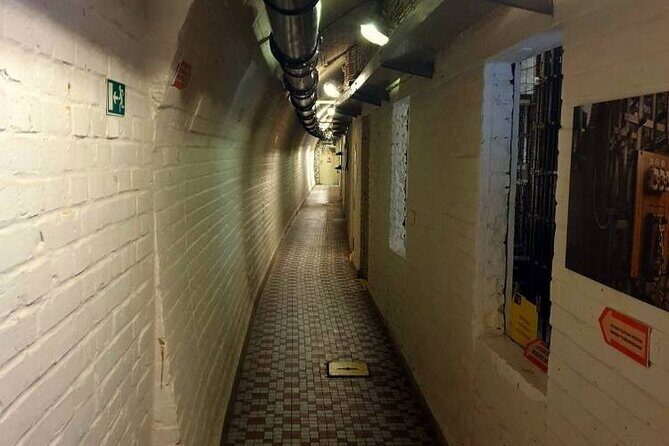
Here’s the backbone of the experience. At the entrance, you receive a map of the bunker’s labyrinth. Then you’re given a simple goal: follow the clues and find your way out.
Along the route, you’ll see how the story is told in layers:
- images and projectors showing people and events tied to the fallout shelter world
- audiovisual stations where the narrative plays out on screens
- hidden QR codes that open up additional video materials
Even better for sanity: all areas of 10‑Z have Wi‑Fi, so the QR-based add-ons are meant to work smoothly as you walk. That’s a big deal in places like this, where your phone is your guide, translation helper, and curiosity tool all in one.
And about language: the exhibit includes about 15 screenings with English subtitles. That means the main content is designed for you, but it’s not the kind of fully guided, spoken-English lecture you might expect from a tour with a live guide.
Inside the Rooms: The Diesel Generator, Filtration Area, and Telephone Hub
The standout value of this ticket is that it doesn’t treat bunker history like a vibe. It shows you the mechanics behind survival and communication.
As you move through the key stops, expect to encounter rooms such as:
- the diesel generator, the kind of core “we keep the lights on” piece every bunker needed
- the filtration room, tied to air and contamination control
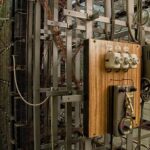
- the PBX telephone switchboard, which hits a very human nerve—communication during fear
These aren’t just props. They’re presented as parts of how a bunker functioned. That makes the experience feel grounded. You’re not only thinking about politicians and dates; you’re seeing the infrastructure that made those eras possible.
A small drawback to keep in mind: because the format is self-guided, you control how much time you spend at each station. If you skim, you’ll get the bones of the story but miss some of the emotional weight. If you slow down, you’ll likely feel more of the intended effect.
Brno Connections You’ll Remember: Polášek Tables and a Door From the Cell of Death
What makes the 10‑Z bunker feel especially tied to Brno is the presence of objects that connect national and political power directly to local spaces.
One of the most talked-about elements in the exhibit is the Polášek functionalist tables from the New Town Hall. These are described as being forgotten in the bunker, then used during visits by Adolf Hitler and communist presidents while they were visiting Brno Town Hall. That detail adds a sharp edge: the bunker isn’t only a place to hide. It’s also a place where politics traveled and stayed functional behind closed doors.
Another strong, heavy element is the inclusion of the door from the cell of death from the former Regional Prison at Cejl in Brno. This is linked to people sentenced to death during WWII and Stalinism, including mention that they carved messages before facing capital punishment.
Those objects change the mood. They turn the bunker from background atmosphere into something more personal and uncomfortable. If you’re the type who appreciates history that has consequences rather than just dates, you’ll likely latch onto these sections.




The Screen Stations: Old Footage, English Subtitles, and Why It Works
The exhibit’s storytelling leans on audiovisual technology. You’ll run into stations that use old footage and city/region-related exhibit content. The screens are paired with the physical rooms, so you get a kind of two-layer experience: the bunker as a machine, and the era as lived experience.
Because there are around 15 screenings (with English subtitles), the flow isn’t one long movie. It’s more like a sequence of media “stops.” That structure is good for your attention span. You can watch just enough to understand, then move on.
One word of caution: subtitles can be a blessing and a trade-off. If you want lots of context—why certain actions were taken, what the practical plan was in more detail—some visitors have found the English narrative less satisfying than they hoped. If that’s you, plan to read any on-site context carefully, and treat the visit as a tour of settings and evidence, not a full explanatory lecture.
Still, if you prefer quiet focus and don’t mind reading subtitles, this format can feel surprisingly effective in a place like a bunker.
Milk Bar Moment: A Break at the End of the Route
Every good dark-history stop needs a small breath of normal life. At the end of the exhibit, you can rest at the Milk Bar of Marcel Ihnačák. The idea is that you finish underground, then surface into a calmer space with refreshments.
There’s also mention of buying drinks early in the experience, so you don’t have to wait until the end if you know you’ll want a break. That’s practical. Bunker visits can be mentally intense, and a simple drink can make it easier to stay present for the last screens and the final walk through the route.
Also, it’s worth noting that the bunker is described as having a central location, which makes it easier to tack onto a day of Brno sights rather than turning it into a separate trek.
How Long Should You Plan for? Timing for a Better Atmosphere
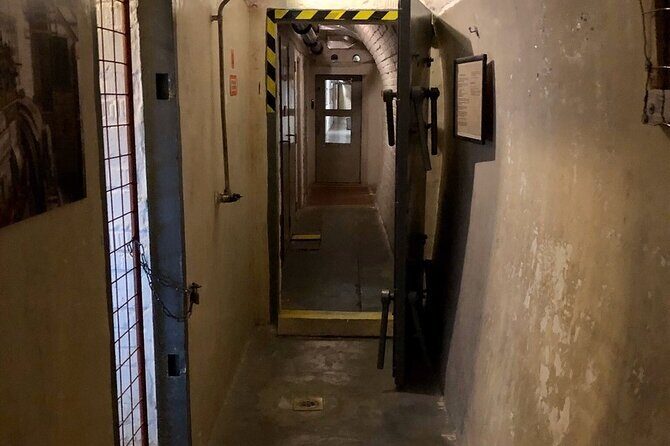
The duration range—15 minutes to 1.5 hours—is real flexibility, and you should use it.
Here’s a simple way to choose your pace:
- If you want a quick, clear overview, aim closer to 15–30 minutes and prioritize the key rooms (generator, filtration, switchboard) plus a few screen stations.
- If you’re curious and you like to take in subtitles and details, plan 45–90 minutes so you can slow down at the Brno-specific artifacts and read the station content.
One practical advantage is that the layout supports self-paced wandering. In a quieter time window, it can feel calm and not rushed. If you’re trying to get the best atmosphere, go when you can avoid the busiest hours of the day.
Who Should Book This 10‑Z Bunker Ticket (and Who Might Skip)
This ticket makes the most sense if you fit at least one of these profiles:
You’ll probably love it if you:
- enjoy WWII and Cold War themes but want a mix of objects, rooms, and media
- like self-guided attractions where you control your pace
- want a clear, physical experience with engineering details (generator, filtration, switchboard)
- appreciate Brno-specific connections, like the Polášek tables and the cell-of-death door
- value value-for-money: this is relatively affordable for a focused museum stop
You might want to reconsider if you:
- need heavy spoken storytelling in English or very deep historical context on the spot
- get frustrated by subtitles and prefer live narration
- only want the “most famous” highlights and don’t want to follow the map route
Even then, you might still enjoy it as a compact indoor experience. Just go with the expectation that it’s structured for you to watch and read, not for someone to narrate every turn.
Price and Value: $12.01 for a Museum Route With Real Machinery
At $12.01 per person, the key question is whether you get enough content for the money. In this case, you do—mainly because you’re paying for more than entry. You’re getting:
- skip-the-line access
- a self-guided route with an English map
- about 15 English-subtitled screenings
- QR-code video add-ons and Wi‑Fi to support them
- access to the standout functional rooms and Brno-specific artifacts
- a finish at the Milk Bar
That’s a lot packed into a short museum visit, especially if you’re traveling on a reasonable budget. If you’re comparing to attractions that require a guided tour to feel “complete,” this one already comes with enough structure to work on its own.
Is it the kind of experience that replaces a deep lecture? Not necessarily. But for the money, it’s a strong way to experience a specific historical setting without spending big or losing your time in logistics.
Should You Book the Skip-the-Line 10‑Z Bunker Ticket?
Yes, if you want a compact, self-paced museum that’s built around real bunker spaces and supported by English maps and subtitles. I’d book it if you’re curious about how communication and survival tech worked, and if you like Brno-connected stories that go beyond generic WWII facts.
Maybe skip—or at least adjust your expectations—if you’re hunting for a detailed spoken English explanation of every exhibit. This is more “walk, watch, read, and connect the dots” than “guided narrative.”
One final practical note: plan your day so you’re not rushing. If you give yourself enough time to follow the route and pause at the screens, this ticket turns from just another museum stop into a memorable, slightly chilling time capsule of what people feared—and built to survive.
FAQ
How long is the 10‑Z bunker entrance ticket visit?
Plan for about 15 minutes to 1.5 hours, depending on how long you spend at the different rooms and screenings.
Is the ticket self-guided or do I get a guide?
The ticket is skip-the-line entry only and does not include a guide. You explore on your own using an English map and the exhibit stations.
Are there English subtitles or English materials?
Yes. The exhibition includes about 15 screenings with English subtitles, and you receive an English map.
Do I need cash or can I find refreshments during the visit?
You can rest at the Milk Bar of Marcel Ihnačák at the end of the exhibit, and drinks are available during the visit.
What are the opening hours for 10‑Z bunker?
It’s open Tuesday to Sunday from 11:30 AM to 7:00 PM.
What’s included in the Skip-the-Line ticket?
You get admission to the 10‑Z WWII and Cold War bunker museum, with a mobile ticket for entry and access to the self-guided exhibit experience.