REVIEW · PRAGUE
Prague: Traditional Czech Cooking Class with Market Tour
Book on GetYourGuide →Operated by Ondřej Molina · Bookable on GetYourGuide
Czech food gets hands-on fast. This Prague class pairs a Holešovice Market ingredient run with a real cooking session in Chef Ondřej Molina’s kitchen, then ends with you sitting down to eat what you made. I love that it’s not just watching, it’s learning the choices behind Czech staples like kulajda and beef goulash with dumplings.
One possible drawback: if you book the Thursday evening slot (17:00), you may miss the market shopping part due to market closing, so you start with food and wine before cooking.
What makes it work is the way the market and kitchen connect: you shop for what you’ll cook, then you cook it with guidance on technique, spice aromas, and practical knife skills. The second thing I like is that you leave with a printed recipe set plus takeaway boxes, so the meal doesn’t end when the class ends. Still, if your group has unusual dietary needs, it can affect the flow of a shared menu, so communicate allergies in advance.
In This Review
- Key highlights you will actually care about
- Starting at Holešovice Food Market, Hall 22 (and why that matters)
- How the chef shops for your 3-course Czech menu
- The kitchen start: local delicacies and wine before you cook
- Cooking kulajda: learning Czech soup beyond the basics
- Beef goulash with dumplings: hands-on work you can taste
- Povidlové buchty dessert: Czech plum comfort in dumpling form
- The meal together: wine tasting, beer, and actual sharing
- What’s included (and what that means for your money)
- Allergies and dietary restrictions: plan ahead so the class stays fun
- Getting the most out of the hands-on knife skills and technique
- Logistics you should know before you go
- Who this cooking class suits best (and who should rethink it)
- Should you book this Czech cooking class?
- FAQ
- Where do I meet for the class?
- How long is the cooking class?
- What menu will we cook?
- Are drinks included?
- Do I take home what I cook?
- What languages is the instructor?
- What if I have allergies?
Key highlights you will actually care about
- Holešovice Market at Hall 22: meet right by Hall 22 outside next to Pekárna; rain means you wait inside the hall.
- A true 3-course menu: Kulajda, beef goulash with dumplings, and povidlové buchty (plum dumpling dessert).
- Hands-on instruction: knife skills, spice aromatics, and how to cook each component—not just assembling plates.
- Drinks with the meal: wine tasting plus wine, beer, coffee, and non-alcoholic drinks during the activity.
- Small-group energy: reviews point to a setup where the chef has time for everyone.
Starting at Holešovice Food Market, Hall 22 (and why that matters)
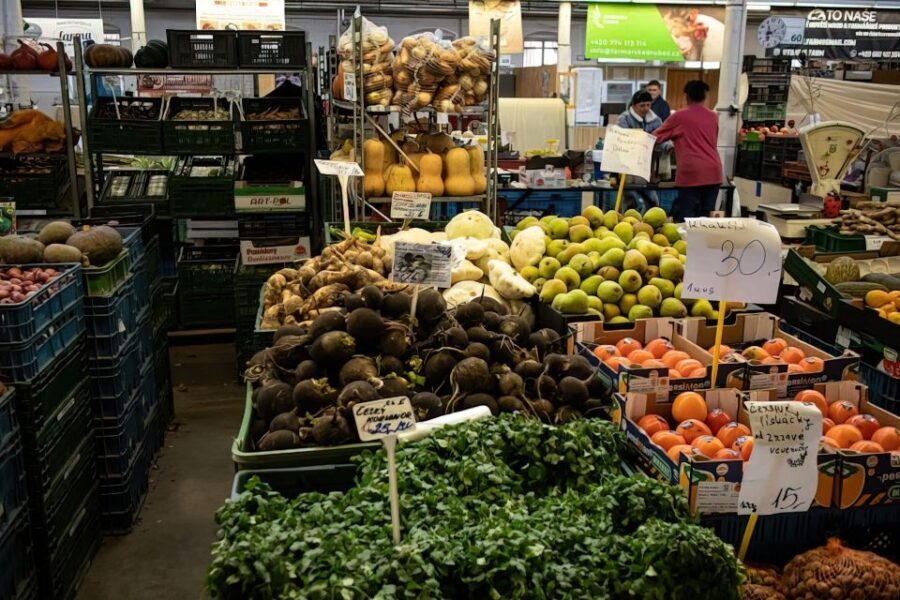
Your evening (or afternoon) starts at Holešovice Food Market, Holešovická Tržnice. Meet your guide right in front of Hall 22 next to Pekárna (bakery). If it rains, your guide waits inside Hall 22, so you won’t be standing around in a storm with everyone else.
This isn’t a quick photo stop. The whole point of the market phase is that you’re learning how Czech cooks choose ingredients—what’s freshest, what’s worth paying for, and what flavors work together in a classic menu. In other words: you don’t just buy food. You learn the logic behind the dish.
A useful detail: on Thursdays, the experience starts at 17:00 and you may miss the market shopping because of closing hours. In that case, the pace shifts so you get cosy in the kitchen first, with local delicacies and wine, then you cook the full menu.
You can also read our reviews of more shopping tours in Prague
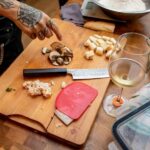

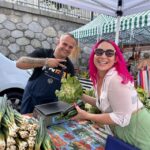
How the chef shops for your 3-course Czech menu
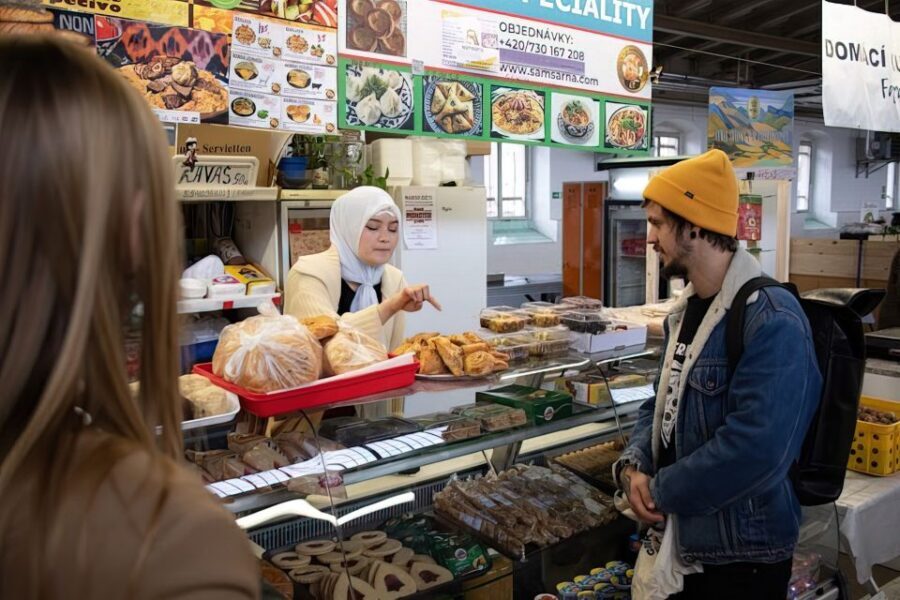
After meeting, your guide picks and purchases ingredients for the class. The market is known for a wide variety of products, and you’ll see that variety in action: vendors with meats, produce, and pantry items that show you what “everyday Czech cooking” is built from.
Chef Ondřej Molina’s approach, as reflected in the class vibe, is practical and flexible. He tends to teach you the process of choosing ingredients, not just hand you a list. Some classes can adjust if the group reacts to what they find at stalls—so you might end up cooking what looks best that day, not exactly what’s written on paper.
That matters for value. At $155 per person, you’re paying for more than a meal. You’re paying for someone to turn the market into a lesson you can reproduce later—plus the ingredients, drinks, and recipes that would cost extra if you tried to DIY it.
The kitchen start: local delicacies and wine before you cook
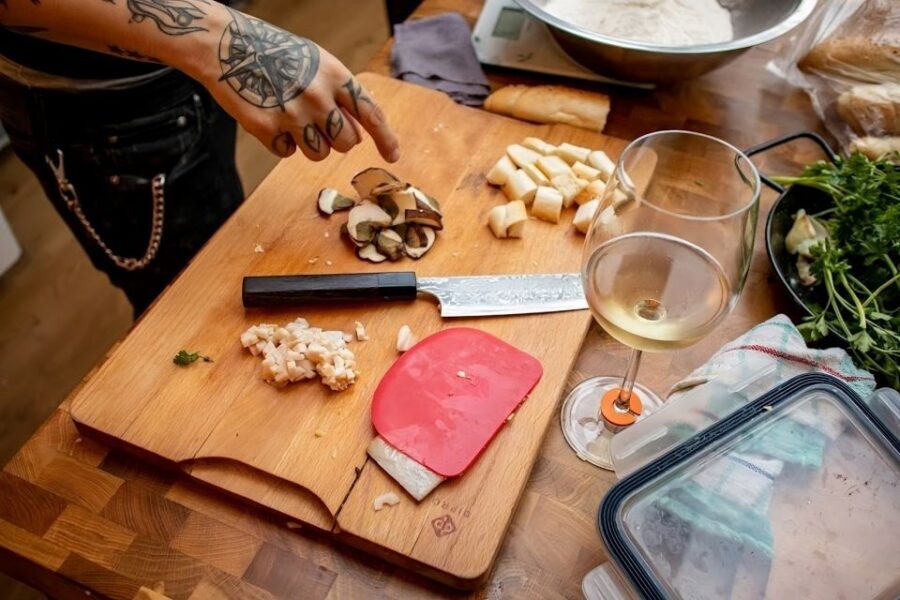
If you’re on a Thursday evening, you begin with a more relaxed start. Instead of racing through market aisles, you get local delicacies and wine and settle into the kitchen environment. It’s a nice setup because it takes some pressure off right at the beginning.
Even when you do shop the market, the transition to the kitchen has the same goal: get you ready to cook without feeling rushed. Reviews mention a friendly atmosphere and a chef who keeps things light. You’ll also get a quick sense of what the kitchen expects from you—tools, workspace flow, and the sequence of tasks for the three-course menu.
Cooking kulajda: learning Czech soup beyond the basics
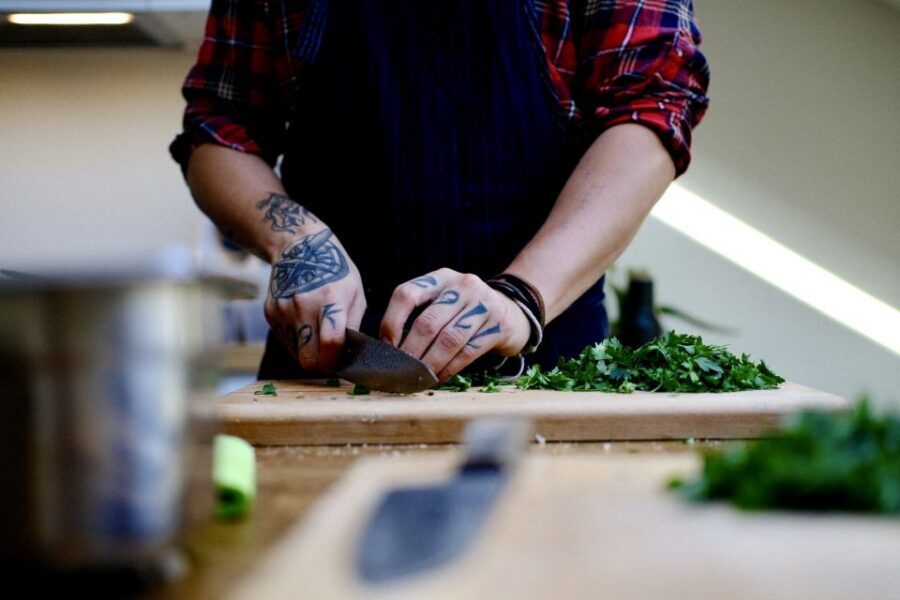
The first course is kulajda, a classic Czech soup that brings together creamy textures, herbs, and a savory backbone. You won’t just taste it later—you’ll learn how to build it.
In a class like this, the lesson is less about memorizing a recipe and more about cooking decisions:
- how to handle herbs and flavor balance,
- how to recognize when ingredients are working together,
- and how to use your time while multiple components are going.
Chef Ondřej’s teaching style shows up in reviews: he’s patient, and he explains with humor. One person even called out learning better knife technique, which tells you this class goes beyond “chop something” and into skill-building that you can keep using at home.
Practical tip: soups move fast in the kitchen. Watch for the cues your chef gives on timing and doneness. If you want the best results later, ask one follow-up question while it’s easy to adjust in real time.
Beef goulash with dumplings: hands-on work you can taste
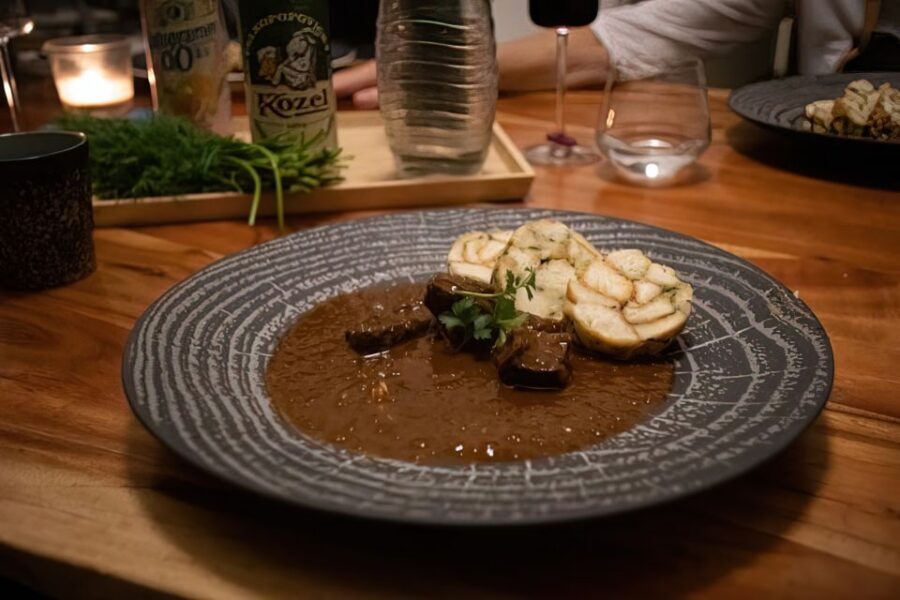
Next comes beef goulash with dumplings, the kind of hearty dish that makes Czech comfort food feel instantly satisfying. This is a course where you’ll do real work—more than just mixing a bowl.
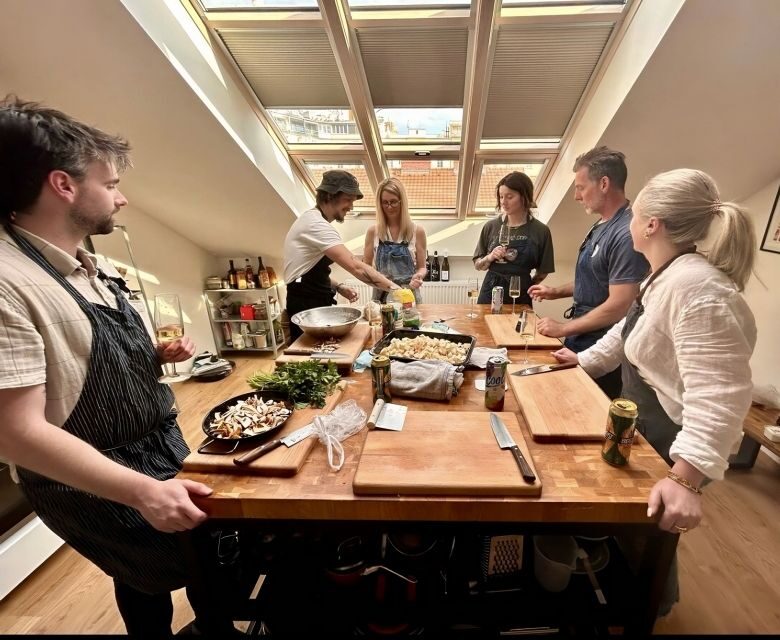
You can expect to participate actively: chopping, preparing components, and following technique cues as the dish comes together. Reviews mention people being especially engaged during the goulash and dumplings stage, and that matches the overall structure of the experience. The class is designed so you’re busy for the whole cooking block.
The payoff is also direct. Once the meal is assembled, you eat what you made alongside local wine and beer. That’s the difference between a cooking class and a cooking performance. You learn, then you benefit immediately.
Also, this is where your market ingredients really show. If the chef sourced what looks and smells best at the market that day, you’ll taste it in the meat, the aromatics, and the final balance.




Povidlové buchty dessert: Czech plum comfort in dumpling form
For dessert, you’ll make povidlové buchty, a typical Czech plum dumpling-style sweet. It’s sweet, comforting, and different enough from the soup and goulash that it rounds out the menu without repeating flavors.
Dessert can feel “faster” in many classes, but here it’s still part of the hands-on lesson. You’ll follow the chef’s process and see how a classic Czech dessert is put together. Reviews also mention learning new techniques and finishing with a satisfying meal you can recreate later.
If you’re the type who loves getting one signature recipe to take home, dessert is a strong pick. It’s memorable, it looks impressive, and it’s not the same old chocolate or cake that you get everywhere else.
The meal together: wine tasting, beer, and actual sharing
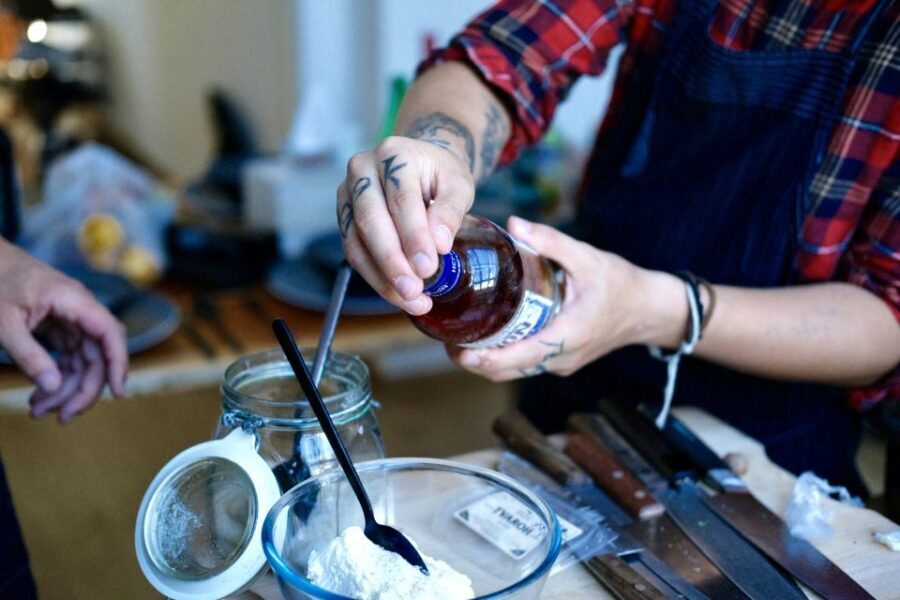
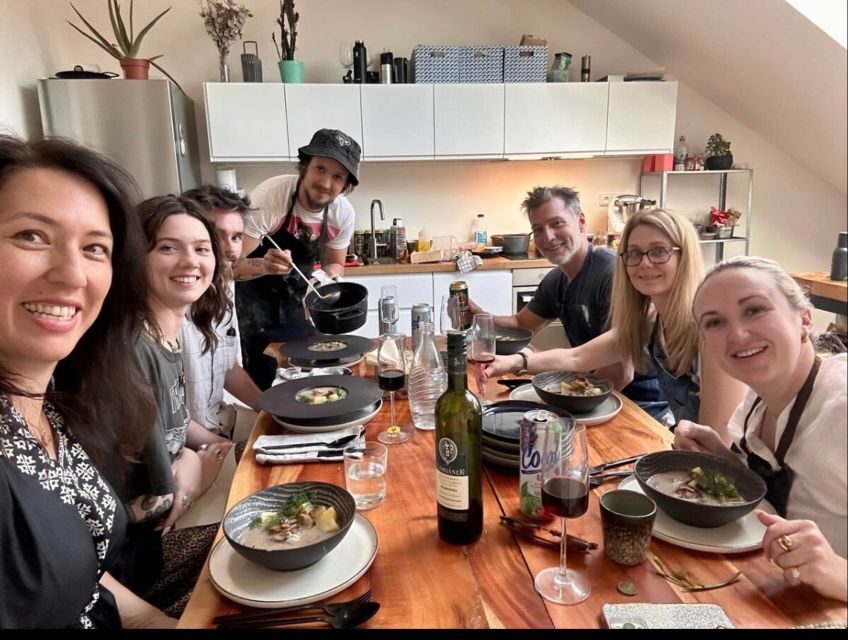
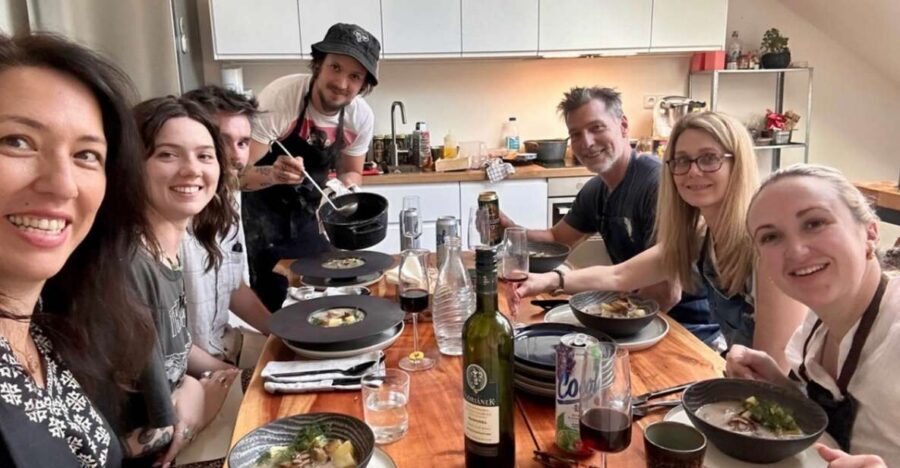
After cooking, you sit down and enjoy all three courses together. This is where the class turns into an evening meal, not a workshop you rush through. You’re provided wine tasting and also drinks during the activity, including wine, beer, coffee, and non-alcoholic options.
This pacing is smart. You get the learning first, then the reward. It also helps with conversation. Several reviews describe meeting new people and enjoying conversation during the meal, and the small-group setup makes that easier.
If you drink alcohol, take it slow in the kitchen and follow the chef’s timing. Cooking works better when you’re present, not tipsy. And if you prefer non-alcoholic drinks, you still get included refreshment throughout.
What’s included (and what that means for your money)
Here’s what you’re actually getting for the $155 per person price:
- Market tour ingredient shopping
- Transportation from the market
- Ingredients for the three courses
- Snacks
- Wine tasting plus wine and beer, along with coffee and non-alcoholic drinks
- Printed recipes
- Takeaway boxes
The value angle: you’re paying for three things most DIY plans can’t easily match. First, expert sourcing—someone choosing products at the market. Second, instruction—especially with knife skills and cooking cues. Third, the whole eating package—so you don’t have to plan where to go for dinner after the class.
If you compare it to buying groceries and trying a three-course menu yourself, you’ll also realize that you’re getting the “hidden cost” covered: time, mistakes, and the extra ingredients you usually end up buying but don’t use.
Allergies and dietary restrictions: plan ahead so the class stays fun
The class notes say you should contact the supplier in advance if you have allergies. That’s important here because the menu is specific: kulajda, beef goulash with dumplings, and povidlové buchty.
One review highlights a case where religious dietary restrictions caused friction and affected the experience for the participant left in the middle of the meal. You don’t want that kind of surprise moment.
So do this: tell them your needs early. If you have dietary restrictions beyond a simple allergy, ask what adjustments are possible before you arrive. You’ll protect your own experience and help the chef keep the class moving at a good pace.
Getting the most out of the hands-on knife skills and technique
Many cooking classes teach recipes. This one leans toward skills. Reviews call out proper knife holding, identifying spice aromas, and learning the science of how to cook. That means you can walk away with better results, not just a souvenir recipe sheet.
To get more value in practice:
- Pay attention while chopping and ask about grip and speed, not just the final shape.
- When spices come out, pause and smell them the way the chef demonstrates. That’s a transferable skill.
- Watch how tasks are staged so soup, main, and dessert don’t collide in timing.
If you enjoy cooking already, this class feels like a friendly coaching session. If you’re a beginner, it feels like a guided path—because the work is broken into clear steps and you’re not left alone with a confusing recipe card.
Logistics you should know before you go
This experience lasts 270 minutes, so plan on about 4.5 hours total. You meet at Holešovice Food Market, and transport is included from the market. Hotel pickup and drop-off are not included, so you’ll want to plan your own way to the meeting point.
Also note the instructor languages: English and Czech. That’s helpful if you want clarification or if you’re more comfortable cooking terms in one language.
In the weather question: rain is handled by meeting inside Hall 22 when needed, so you won’t lose the start time to bad weather.
Who this cooking class suits best (and who should rethink it)
This is a great fit if you want a practical way to experience Czech culture. You’ll cook the classics, understand why they work, and then eat them with drinks—so it hits food, learning, and atmosphere in one block of time.
It’s also ideal if you like small-group interactions. Reviews describe a setup where the chef has time for everyone, including when the group is just two people after last-minute changes.
Reconsider if:
- you need a highly customized menu and haven’t already discussed your needs,
- you dislike hands-on cooking or prefer purely observational activities,
- or you’re only interested in a quick tasting without learning techniques.
Should you book this Czech cooking class?
Yes, if you want a meal that feels earned. The combination of Holešovice Market shopping, hands-on cooking with Chef Ondřej Molina, and then eating the full three-course Czech menu with wine and beer makes this feel like real Prague, not an imitation of Prague.
Book it especially if you care about technique—knife skills, spice aromatics, and cooking cues you can use at home. And if you have allergies or dietary restrictions, book it only after you contact the supplier in advance so your menu can be planned properly.
If you want Prague dinner plans that start with ingredients and end with a skill you keep, this one is worth your evening.
FAQ
Where do I meet for the class?
Meet your guide at Holešovice Food Market, Holešovická Tržnice. The meeting point is right in front of Hall 22 next to Pekárna. If it’s raining, your guide waits inside Hall 22.
How long is the cooking class?
The experience is 270 minutes.
What menu will we cook?
You will prepare a three-course traditional Czech menu: Kulajda (Czech soup), Beef goulash with dumplings, and povidlové buchty (a Czech plum dumpling-style dessert).
Are drinks included?
Yes. The class includes wine tasting, plus wine and beer, coffee, and non-alcoholic drinks during the activity, along with snacks.
Do I take home what I cook?
Yes. You get take away boxes, and you also receive printed recipes.
What languages is the instructor?
The instructor teaches in English and Czech.
What if I have allergies?
The class advises contacting the supplier in advance if you have allergies.