REVIEW · PRAGUE
Prague: Private Cubism & Art Nouveau Walking Tour
Book on GetYourGuide →Operated by Supreme Prague · Bookable on GetYourGuide
Prague has a secret side to its streets. This private 3-hour walking tour focuses on two styles you rarely see explained in the same breath: Cubist architecture and Art Nouveau. You’ll start with a hotel pickup and then slow down at buildings most people rush by.
I especially love that the guide makes Cubism feel readable, not just decorative. You get help noticing the shapes and street details that make Prague feel oddly modern—often right in the Old Town and New Town.
One possible drawback: it’s a walking tour through the city center, so you’ll be on your feet for a solid stretch. If you’re not into architecture and street-level detail, the time might feel like it’s moving fast.
In This Review
- Key highlights you’ll actually notice
- Why this Prague tour works so well (Cubism + Art Nouveau in 3 hours)
- The real advantage of the hotel pickup (and a private group that stays focused)
- Entering Prague Cubism on the street: what the guide helps you see
- What to watch for during the Cubism portion
- A note on pacing
- Art Nouveau in Prague: how the tour turns ornament into a story
- What to focus on with Art Nouveau
- Why the 1880s-to-1914 context matters (it changes how you see the city)
- Museums that pair perfectly with this walk: Czech Cubism and Mucha
- Price and value: what $229 per group really buys you
- Who should book this tour (and who might skip it)
- Practical tips to get the most from a 3-hour architecture walk
- Should you book Supreme Prague’s Private Cubism & Art Nouveau Tour?
- FAQ
- How long is the Prague Private Cubism & Art Nouveau Walking Tour?
- How much does the tour cost?
- Is the tour private?
- Does the tour include hotel pickup?
- What languages are available for the live guide?
- Is the tour wheelchair accessible?
- Can I cancel for a refund?
- Are there museums you can visit after the tour?
Key highlights you’ll actually notice
- Hotel pickup for a no-stress start, with a private guide waiting for you.
- Rare Prague Cubism, including the architectural forms and street elements most visitors never clock.
- Art Nouveau storytelling tied to the late-19th to early-20th century building boom.
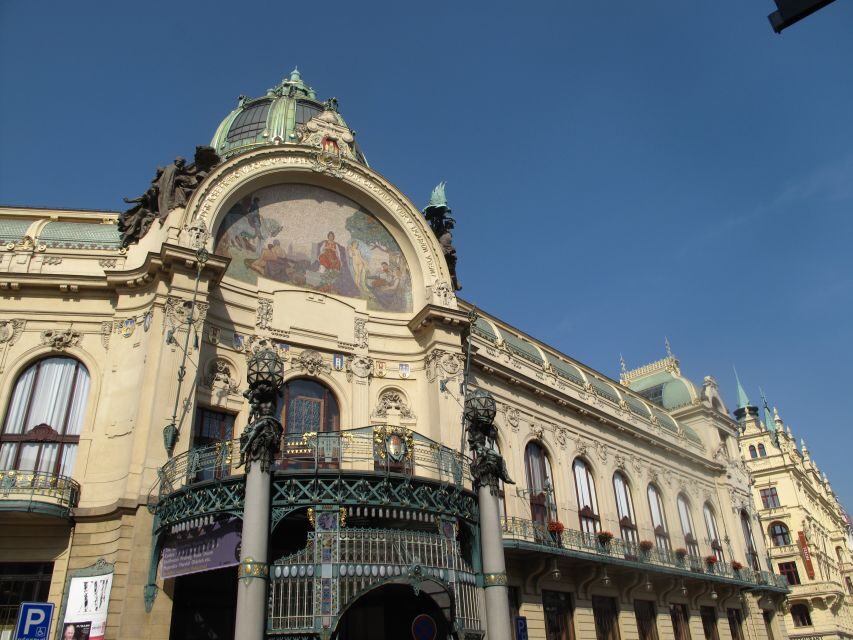
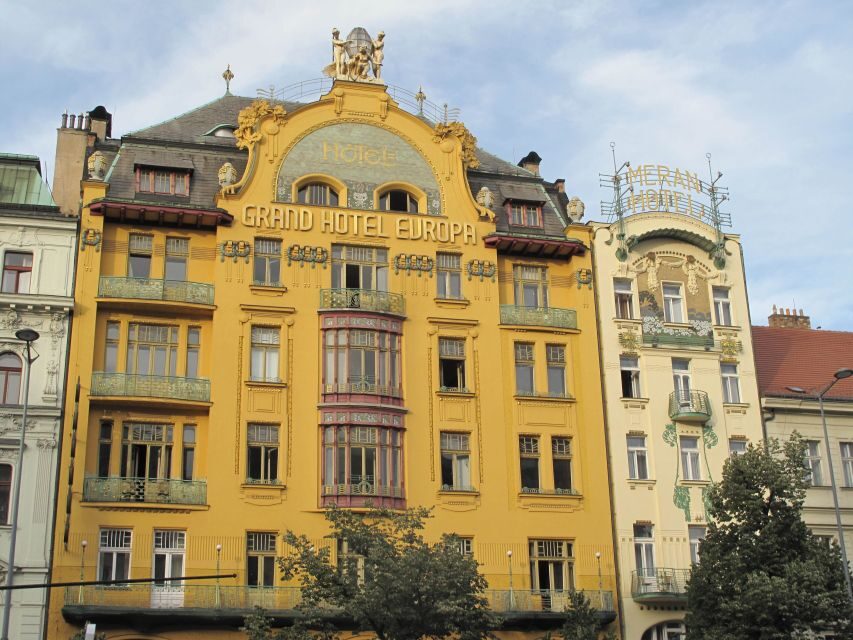
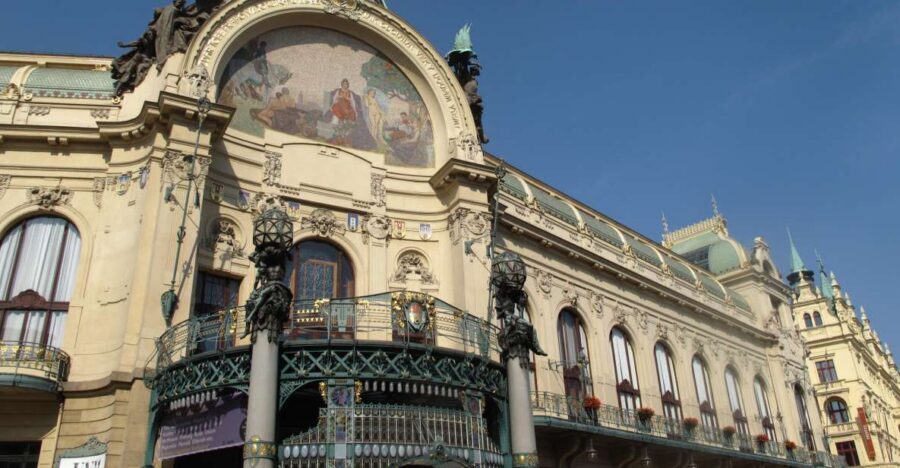
- Major Prague reference points like Municipal House, Wenceslas Square area buildings, National Avenue, Old Town Square, and the Jewish quarter.
- Museums that click after the walk, including the Museum of Czech Cubism and the Museum of Alfons Mucha.
Why this Prague tour works so well (Cubism + Art Nouveau in 3 hours)
Prague can feel like one long picture postcard. But after a few minutes on a street, you realize it’s also a live catalog of styles that changed fast. This tour is built for that moment when you start seeing patterns: how one period wanted to look bold and new, and how another period wanted to feel artistic, graceful, and current.
The big value here is the combination. Cubism in architecture is rare in the world, and Prague is one of the places where you can actually spot it in the built environment. Then Art Nouveau shows up everywhere once you know what to look for—curving ornament, decorative facades, and the kind of design that feels like it’s attached to the city’s personality, not just its buildings.
You’ll get a local guide for the whole walk, and the route is centered on the areas where Prague’s “new money” and ambition show up in stone and glass. That’s what makes a guided version more worthwhile than a self-guided stroll: you’re not just looking, you’re learning how to look.
You can also read our reviews of more walking tours in Prague


The real advantage of the hotel pickup (and a private group that stays focused)
A walking tour sounds simple until you’re in a city like Prague trying to match streets, landmarks, and meeting points. The tour handles that with pickup included—your guide comes to you, so you can start thinking about architecture instead of logistics.
The private group format also matters. This isn’t a “follow the leader” line where you have to keep pace and hope your questions fit into a group schedule. With a private setup for up to 2 people per group, the pacing can match you—slower at the buildings that catch your eye, quicker past the ones that don’t.
Another practical upside: the tour offers live guidance in English, French, German, and Russian. So if you’re traveling with someone who doesn’t want to rely on phone translation, you can keep the whole experience in the same language.
Entering Prague Cubism on the street: what the guide helps you see
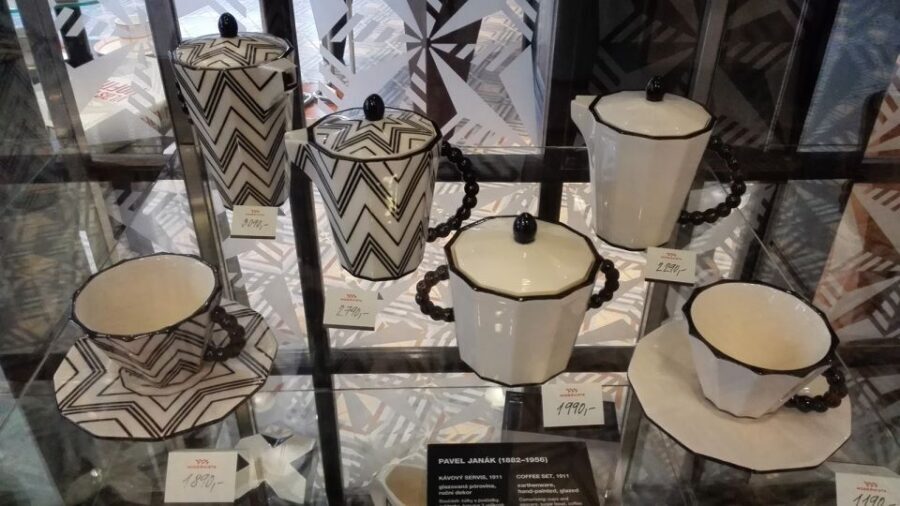
Let’s be honest: if you’ve never studied architecture styles, “Cubism” can sound like an art-school term. On this tour, you learn that Cubism isn’t just paintings. It can show up as fractured geometry, faceted forms, and angular compositions built into the architecture and street details.
What I like about this approach is that it gives you a checklist in your head. Once you’ve seen the patterns, you start spotting them even when you’re walking away from the guide. That’s why people come away feeling they’ve found something special: Prague’s Cubism isn’t always obvious from far away, and plenty of visitors miss it entirely because they don’t know what to look for.
Your guide also connects Cubism to context. Prague was changing—companies, banks, and wealthy real estate owners wanted buildings that reflected status. During the late-1800s into the early-1900s (the rebuilding wave running roughly from the 1880s to 1914), you see transformations and enlargements that were meant to look modern. In other words, the city wasn’t just growing; it was showing off.
What to watch for during the Cubism portion
You’ll spend time in central areas of both Old Town and New Town. The guide points out rare Cubist buildings and other street elements, with explanations designed to help you read the design choices at human walking speed.
Even without naming every single facade, you can prepare yourself with a simple mindset:
- Look for shapes that feel “cut up” into planes rather than smooth lines.
- Notice whether windows, edges, and decorative elements form a structured, angular rhythm.
- Pay attention to how the building transitions from one part to another—Cubist design often feels intentional rather than random.
A note on pacing
Cubism-focused segments can feel a little concept-heavy if you’re tired. If you get that “I can’t process one more explanation” feeling, ask the guide to slow down at the next standout building. This is one of those tours where asking for a second look is time well spent.
You can also read our reviews of more private tours in Prague



Art Nouveau in Prague: how the tour turns ornament into a story
Once you’ve got Cubism in your head, Art Nouveau becomes way more fun. Art Nouveau in Prague isn’t just a single building. It’s an atmosphere the guide helps you recognize through repeated details—facades that look like they’re moving, decorative flourishes, and the sense that design was treated like art.
The tour takes you past major reference points such as:
- Municipal House
- Wenceslas Square area buildings
- National Avenue
- Old Town Square
- And you’ll pass through the Jewish quarter area too
The value isn’t that you simply stand in front of famous spots. It’s that your guide connects style to time and ambition. In the late 19th century, Prague’s wealthier residents and businesses wanted their architecture to signal cultural standing. That’s why buildings were reconstructed or enlarged with fashionable aesthetics from about 1880s to 1914.
So when you see Art Nouveau elements, you’re also seeing a snapshot of what people wanted their city to communicate. That’s a different kind of history than dates in a museum—this history is carved into the street.
What to focus on with Art Nouveau
Art Nouveau can overwhelm you if you try to absorb everything at once. Instead, pick one “language” to watch for:
- Curving lines and ornamental patterns
- Decorative facade details that feel layered rather than flat
- The way craftsmanship is used to make the whole building feel like a designed object
Your guide will point out elements that you’d likely miss if you were just walking by. People often think Art Nouveau is only about famous buildings, but the real win on this tour is learning how to spot it across the streets.
Why the 1880s-to-1914 context matters (it changes how you see the city)
Here’s the trick: if you understand why buildings got rebuilt and redesigned, Prague stops looking like a random mix of styles. It starts looking like a timeline of people trying to shape how the city would be remembered.
During the second half of the 19th century, Prague developed and prospered. Then, in the period leading up to World War I, lots of major private and commercial owners had money—and they used it on architecture. The tour’s explanation makes that obvious: this wasn’t “styling for fun.” It was a public statement.
That mindset helps you connect the dots between the Cubist buildings and the Art Nouveau sections. Cubism and Art Nouveau are different visually, but they share the same human goal: status, modernity, and identity expressed through design. When you realize that, every facade becomes part of the story instead of just a pretty sight.
Museums that pair perfectly with this walk: Czech Cubism and Mucha
A good walking tour does more than entertain. It sets you up for the next step—especially when it comes to museums.
After the walk, you can visit:
- The Museum of Czech Cubism
- The Museum of Alfons Mucha
I like this pairing because the tour primes your eye. When you’ve just spent a few hours learning what to notice outdoors, you walk into the museum with a mental framework. You’re not starting from zero. You already know what kind of forms and design choices matter in the Prague version of these movements.
Even if you don’t have time for both museums, pick the one that matches your curiosity:
- If the angular, faceted look got you excited, choose the Cubism museum.
- If decorative details and the style’s artist-driven feel pulled you in, choose Mucha.
Price and value: what $229 per group really buys you
The tour is priced at $229 per group up to 2 and lasts about 3 hours. So the real question isn’t just “Is it expensive?” It’s “What are you purchasing?”
You’re buying:
- A private guide (not an open-group lecture)
- Pickup included from your hotel
- A focused architecture route aimed at rare Cubism plus Art Nouveau
- Time that’s structured so you understand what you’re looking at, not just where to stand
For two people, this can be strong value compared with paying for two separate guided options. And the private format is what makes architecture tours work for real. Otherwise, you end up spending half the time trying to figure out where you are and what you’re supposed to be seeing.
Who should book this tour (and who might skip it)
This experience is ideal if you:
- Love architecture and want to train your eye
- Want the kind of Prague detail that you can’t easily pull from a map
- Like tours where the guide helps you interpret what’s in front of you
- Plan to visit the Museum of Czech Cubism and/or the Museum of Alfons Mucha afterward
You might skip it if you mainly want big views and “tick the squares” sightseeing. This is a street-level design tour. It’s less about panorama chasing and more about pattern spotting.
Also, if you’re traveling with someone who doesn’t care about architecture, this still can work—but only if they’re curious enough to tolerate a slower pace at buildings. The payoff is in noticing.
Practical tips to get the most from a 3-hour architecture walk
Since you’ll be moving through central Prague for about 3 hours, plan for comfort:
- Wear shoes that can handle a lot of walking without complaint.
- Bring a camera or phone, but don’t only photograph. Take a moment to look without the lens.
- If something catches your eye—especially a Cubist detail—don’t be shy about asking the guide to spend an extra minute there.
Because the tour includes pickup and a private setup, you can keep your day simple. One person doesn’t need to plan the route, and you don’t need to rely on guesswork for what you’re seeing.
Should you book Supreme Prague’s Private Cubism & Art Nouveau Tour?
If you’re the kind of traveler who gets excited when a city shows you something unusual, I think you should book it. Cubism in Prague is rare, and a guide is the difference between “I saw a cool building” and “I understand why it looks the way it does.”
This is also a great choice if you want your Prague trip to feel more personal and less like a checklist. The tour’s focus on buildings you might otherwise rush past, plus the Art Nouveau stops around Municipal House, Wenceslas Square, National Avenue, Old Town Square, and the Jewish quarter area, makes the walk feel tailored rather than generic.
One last check before you decide: make sure you’re in the mood for architectural detail. If you are, this private 3-hour format gives you the most return per hour in central Prague—especially with the option to follow up at the Museum of Czech Cubism or the Museum of Alfons Mucha.
FAQ
How long is the Prague Private Cubism & Art Nouveau Walking Tour?
It lasts 3 hours.
How much does the tour cost?
It’s $229 per group, up to 2 people.
Is the tour private?
Yes. It’s a private group experience.
Does the tour include hotel pickup?
Yes, pickup from your hotel is included.
What languages are available for the live guide?
The live tour guide is available in English, French, German, and Russian.
Is the tour wheelchair accessible?
Yes, the tour is listed as wheelchair accessible.
Can I cancel for a refund?
Yes. Free cancellation is available up to 24 hours in advance for a full refund.
Are there museums you can visit after the tour?
Yes. You can visit the Museum of Czech Cubism and the Museum of Alfons Mucha after the walking tour.