REVIEW · PRAGUE
Prague: Historical Walking Tour with Focus on World War 2
Book on GetYourGuide →Operated by Spectrum Tours · Bookable on GetYourGuide
Prague gets heavy fast. This historical walking tour keeps World War 2 grounded in Czech streets and Czech choices, with a guided mix of lecture, photos, and real-world stops that matter. You’ll spend three hours connecting the big story to what it looked like on the ground.
Two things I like a lot: the clear WWII + Czech history framing and the minute of silence at the former Gestapo headquarters. Those moments don’t feel like a lecture-only exercise; they’re built into the walk.
One thing to consider: this is intense information in a short time. If you’re sensitive to heavy topics or you move slowly, you’ll want comfortable shoes and a pace that can keep up.
In This Review
- Key things that make this Prague WWII walk stand out
- WWII in Prague, told through Czech streets (not just dates)
- Meeting outside Skautský Institut: quick start, no guessing
- Where it ends
- How the 3-hour format works (and why it’s a good length)
- Former GeStaPo headquarters: the minute of silence that sets the tone
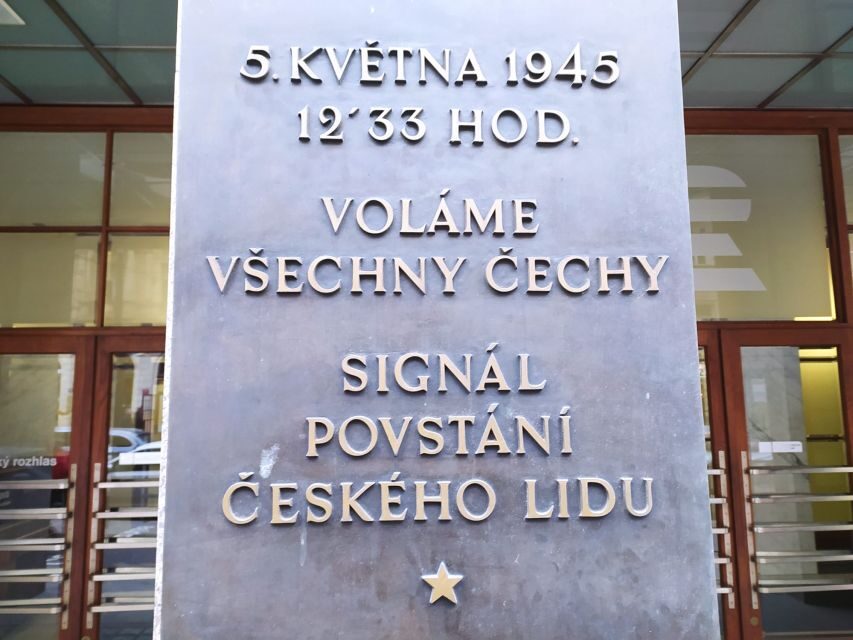
- Prague Uprising May 1945: Old Town Square, Wenceslas Square, Czech Radio
- Old Town Square: history you can’t ignore
- Wenceslas Square: a stage for survival and resistance
- Czech Radio headquarters: the power of information in wartime
- Reinhard Heydrich assassination: the story, the stakes, the aftermath
- The crypt beneath a church: where the last resistance ended
- The guide’s role: photos, professional comments, and a real Czech voice
- Is it worth $58 for a 3-hour Prague WWII walking tour?
- Who should book, and who might want a different kind of history walk
- FAQ
- FAQ
- How long is the Prague historical walking tour focused on WWII?
- How much does the tour cost?
- Where do I meet the guide?
- Where does the tour finish?
- What languages is the tour offered in?
- Is the tour wheelchair accessible?
- Is this tour suitable for children?
- What should I bring?
- Is there cancellation flexibility?
- Should you book this WWII walking tour in Prague?
Key things that make this Prague WWII walk stand out
- WWII context first, with Czech history tied in so the streets don’t feel like random stops
- Former GeStaPo headquarters memorial moment, including a minute of silence
- Prague Uprising (May 1945) street-level stops like Old Town Square and Wenceslas Square
- Reinhard Heydrich assassination explained step-by-step, not just mentioned
- A crypt beneath a church linked to the last resistance members, described as especially impressive
WWII in Prague, told through Czech streets (not just dates)
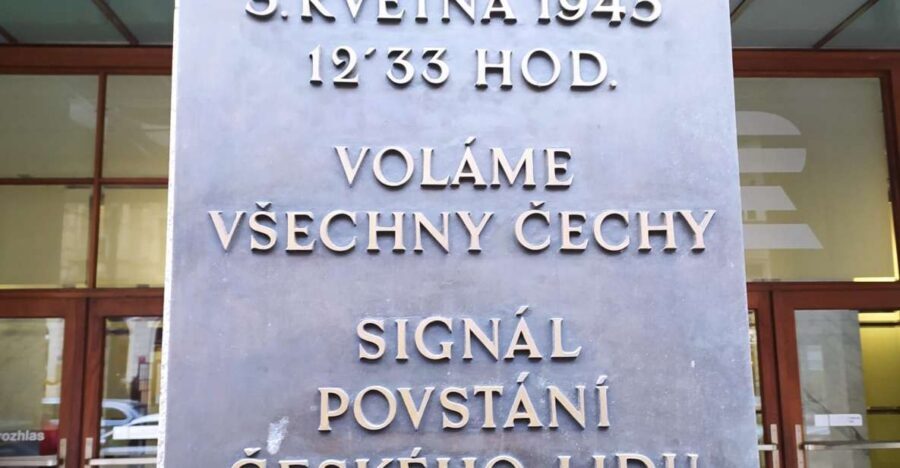
This tour is built like a short course that walks as it teaches. You get a theoretical introduction to the problematics of World War 2, plus extra context on Czech history so you can follow why events played out the way they did. It’s also strongly anchored in physical places, so you’re not only picturing the past—you’re standing near it.
What makes it feel different is the blend of lecture + photographs. The guide uses lots of photos with professional comments, which helps when you’re trying to understand fast-moving wartime events and how they connect to specific locations in Prague. If you like your history organized and explained clearly, this structure helps a lot.
The tone is serious. You’re also asked to take part in a minute of silence at the former GeStaPo headquarters, which shifts the walk from sightseeing into remembrance. If you come for WWII facts only, you may find that respectful pause moves beyond what most tours do.
You can also read our reviews of more walking tours in Prague
Meeting outside Skautský Institut: quick start, no guessing
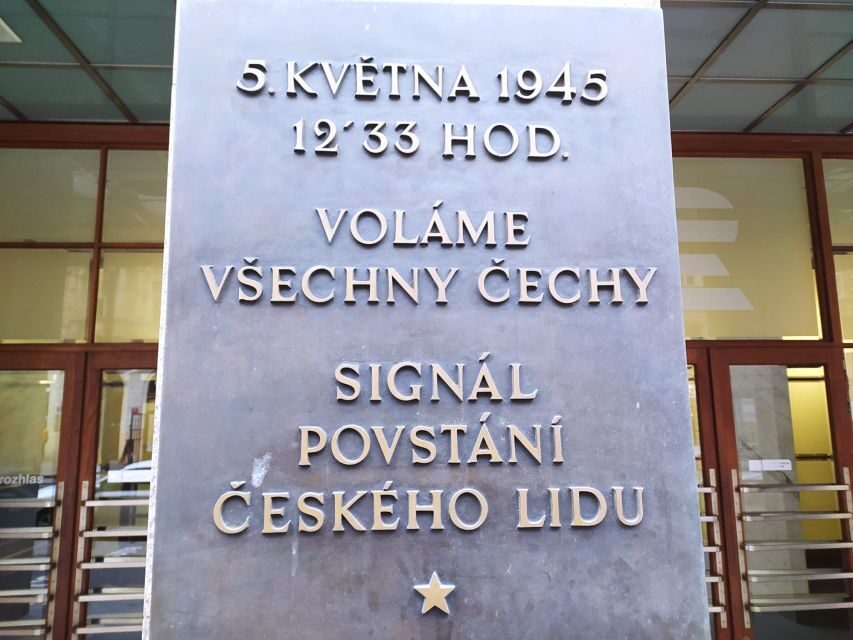
The meeting point is outside the entrance door to Skautský Institut, tucked in an archway. The guide holds a paper that says Spectrum Tours, so you shouldn’t have to hunt.
That small detail matters because the tour is only three hours. You’ll want your start to be friction-free so you can spend your time on the stops themselves, not figuring out where the group is gathering.
Where it ends
The tour finishes at Resslova 9a, 120 00 Praha 2-Nové Město. Plan your next move around that area so you don’t end up rushing across town right after you leave the last site.
How the 3-hour format works (and why it’s a good length)
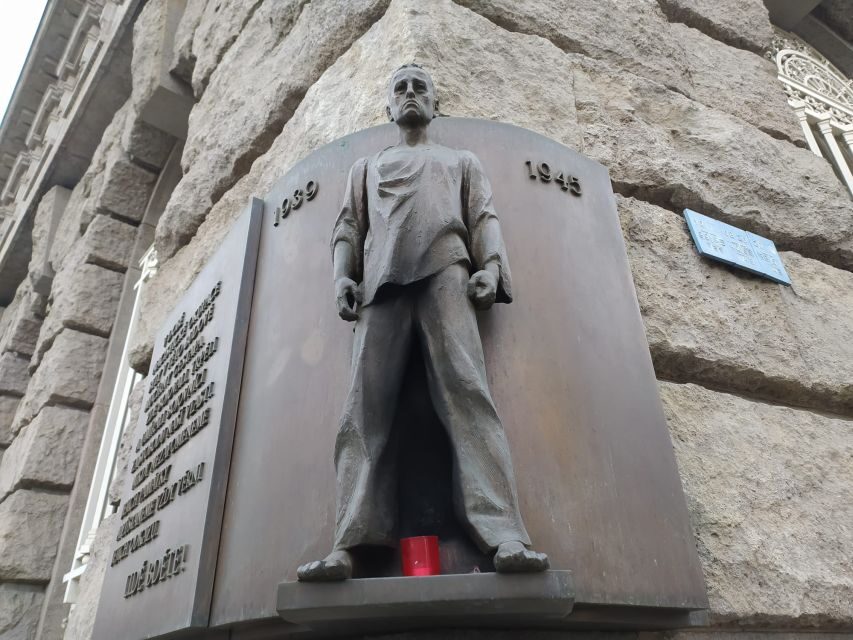
Three hours is long enough to build understanding, but short enough that you stay focused. The tour doesn’t just list memorials; it tries to connect them—first with the big-picture WWII framing, then with the Czech-centered wartime story, and finally with specific episodes like the Prague Uprising and the Heydrich assassination.
You’ll likely be moving between central locations tied to major events. That’s why the practical advice is simple: bring comfortable shoes and be ready to walk while you listen. One review highlighted that you need to be quick on your feet to follow along, which makes sense for a route that packs in several meaningful stops.
Also, this is not a kid-focused activity. It’s marked as not suitable for children under 10, likely because the content involves heavy topics and the pace is fast.
Former GeStaPo headquarters: the minute of silence that sets the tone
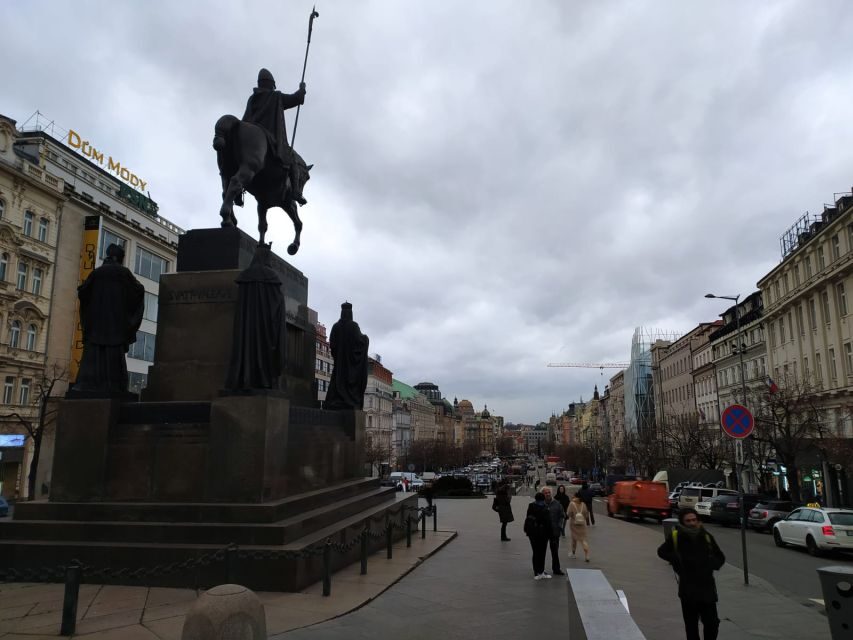
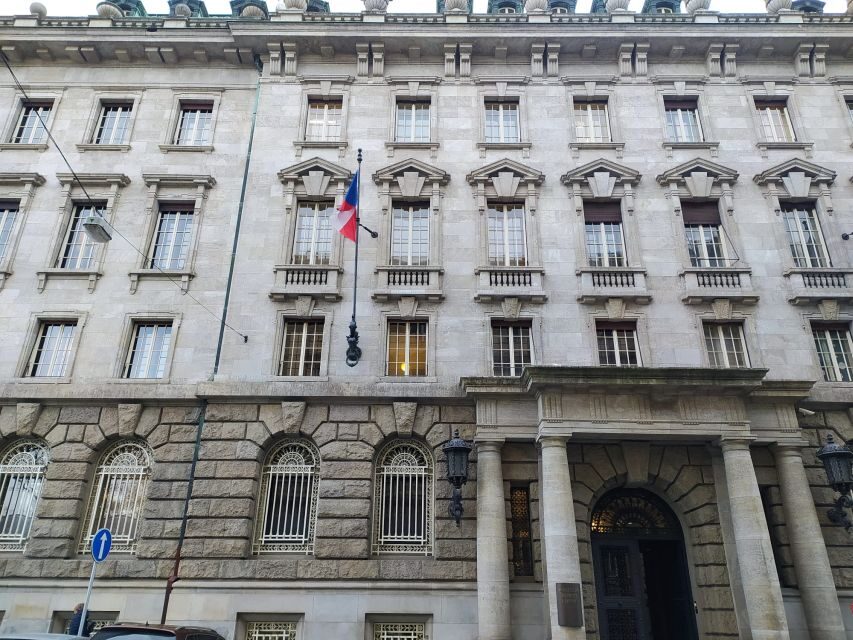
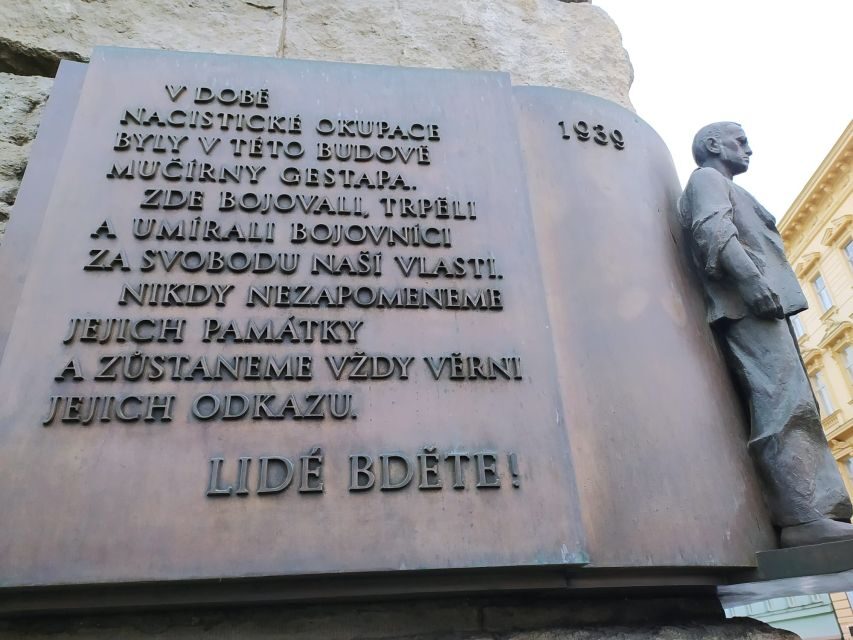
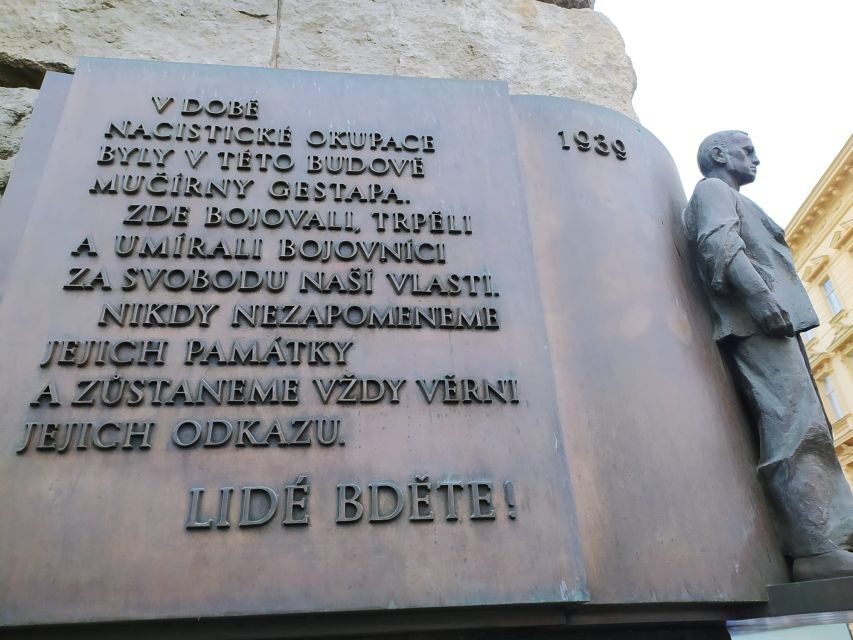
One of the strongest parts of this tour happens at the former GeStaPo headquarters. You don’t just pass by it for a photo. The guide builds an explanation around it first, then you hold a minute of silence at the site—described as a memorial to the victims of Nazism.
That pause is more than a ritual. It gives your brain a moment to switch modes from learning to remembering. For many people, that’s exactly what makes a WWII tour feel real: not just the facts, but the respect built into the experience.
If you’re trying to understand Czech history during the Nazi era, this stop is a key anchor. A headquarters isn’t a neutral building; it represents the machinery of fear and control. Standing there, with a guide framing what happened and why the site matters, helps the rest of the story click.
You can also read our reviews of more historical tours in Prague



Prague Uprising May 1945: Old Town Square, Wenceslas Square, Czech Radio
The route includes key places tied to the heaviest fights during the Prague Uprising in May 1945. This is where the tour shifts from background context to street-level conflict and the immediate stakes for people living in Prague.
Old Town Square: history you can’t ignore
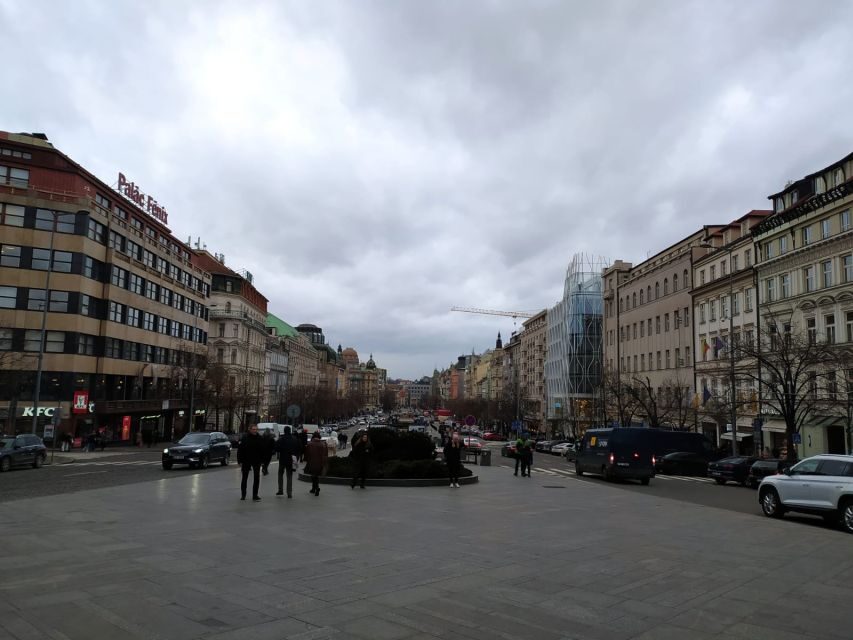
Old Town Square is one of the city’s main public spaces, so it makes sense to use it as a WWII chapter anchor. It helps you understand how wartime struggle unfolded in places people already recognized and used—public squares, not isolated battlefields.
This stop also works well for photo-based explanation. Even if you know Prague visually, the guide’s photos and commentary can show you what to imagine about the uprising right where you’re standing.
Wenceslas Square: a stage for survival and resistance
Wenceslas Square is another big, central stage. When a tour connects a major historic event to a major historic square, you get contrast: today’s flow of pedestrians versus the pressure of those days.
Because the tour includes heavy scenes, it’s best to listen closely here. The guide’s job is to prevent the space from turning into just a backdrop, and the tour’s format—photos plus professional comments—aims to do exactly that.
Czech Radio headquarters: the power of information in wartime
The stop at the Czech Radio headquarters adds an important angle. Wartime isn’t only about guns and streets; it’s also about communication, announcements, and the struggle to control narratives.
Having a media site in the middle of a WWII route is a smart teaching choice. It helps you understand why the uprising wasn’t only a physical event. It was also a contest over what people could hear, believe, and act on.
Reinhard Heydrich assassination: the story, the stakes, the aftermath
After the uprising stops, the tour focuses on the assassination of Reinhard Heydrich. He’s explained as one of the highest-ranked Nazis until 1942, which gives you the size of the target and why his death mattered.
Instead of tossing out the name and moving on, the tour provides a problemacy-style explanation of the assassination. That kind of framing is useful because it helps you see the surrounding logic—why the event happened when it did, and how it rippled through the resistance and the Nazi response.
If you’re the kind of traveler who likes to understand cause-and-effect, this section is one of the best parts of the tour. It’s also where the photos can be especially helpful, since real-world locations help make the timeline feel less abstract.
The crypt beneath a church: where the last resistance ended
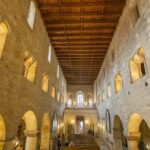
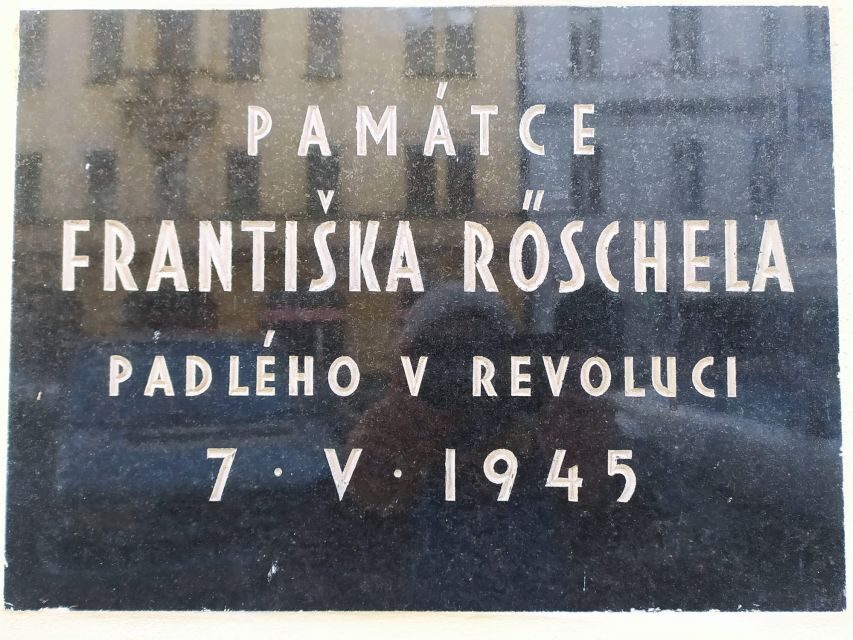
The final storyline stop is the place of the last resistance members’ resistance and death. The tour describes it as a crypt beneath a church, and calls it incredibly impressive.
Even without extra dramatics, this kind of site does something your brain can’t do with a classroom diagram: it shrinks the gap between historical event and human outcome. When a guide connects the Heydrich assassination to what happened next for the resistance, the meaning becomes harder to brush off.
This is also a good moment to slow down mentally. If you’ve been moving fast, listening hard, and collecting details, the crypt is a natural place to let the story settle. It’s the part that tends to stick because it’s both specific and personal.
The guide’s role: photos, professional comments, and a real Czech voice
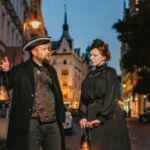
You’re not walking with a lecturer who only talks. You’re walking with a licensed local guide who uses lots of photographs and provides professional comments and explanations throughout.
One review specifically mentioned Petr—highlighting that he’s knowledgeable on history and present politics, and that he shared personal experiences growing up in Prague. That combination matters. It means you get not only the past, but a sense of how local understanding and memory shape what people say today.
The tour runs in German, Czech, and English, so you can choose the language you’re most comfortable processing quickly in. If you pick English, you still get the heavy content, but the structure helps you keep up.
Is it worth $58 for a 3-hour Prague WWII walking tour?
At $58 per person for about three hours, you’re paying for three things at once: a professional licensed local guide, a route that covers multiple WWII-linked locations, and a guided explanation using photos and commentary.
Is it “cheap”? No. But it also isn’t trying to be a quick hit. For this price, you’re getting more than a route map—you’re getting interpretation. The minute of silence at the former GeStaPo headquarters, the specific Prague Uprising stops, and the Heydrich assassination storyline all suggest a curated narrative, not a random history stroll.
Also, the group can be private, which can raise value if you’re traveling with people who want a tighter pace and more direct questions. If you’re the solo type, you still get the guided structure that makes a central Prague walking tour more than just checkpoints.
Who should book, and who might want a different kind of history walk
This tour is a strong fit if you:
- Want WWII history told with a Czech perspective rather than only broad European summaries
- Like guided routes that connect memorial sites + key streets + major events
- Prefer a lecture structure that comes with visuals (photos) and on-the-spot context
It’s likely less suitable if:
- You’re traveling with kids under 10 (it’s not recommended for them)
- You prefer light, casual sightseeing rather than serious wartime content
- You want a slow, relaxed pace. The tour covers a lot in three hours, and one review noted you need to keep up physically to follow the flow
FAQ
FAQ
How long is the Prague historical walking tour focused on WWII?
It lasts 3 hours.
How much does the tour cost?
The price listed is $58 per person.
Where do I meet the guide?
You meet outside the entrance door to Skautský Institut in an archway. The guide will be holding a paper that says Spectrum Tours.
Where does the tour finish?
It finishes at Resslova 9a, 120 00 Praha 2-Nové Město, Czechia.
What languages is the tour offered in?
The guide offers live interpretation in German, Czech, and English.
Is the tour wheelchair accessible?
Yes, it is listed as wheelchair accessible.
Is this tour suitable for children?
It is not suitable for children under 10.
What should I bring?
Bring a passport or ID card, and wear comfortable shoes.
Is there cancellation flexibility?
Free cancellation is available up to 24 hours in advance for a full refund.
Should you book this WWII walking tour in Prague?
I’d book it if you want WWII history that sticks to Prague’s actual locations and explains why they matter. The standout combination here is the serious memorial framing at the former GeStaPo headquarters plus the narrative arc that connects the Prague Uprising and the Heydrich assassination, down to the crypt tied to the last resistance members.
Skip it if you’re looking for a lighter history stroll or if you need something tailored for younger kids. Also, because it’s a compact three hours with multiple stops, show up ready to walk and listen.
If your goal is to understand the Czech side of the war through the city itself, this tour gives you a focused route and the kind of guidance that helps you leave with more than facts—you leave with a clearer picture of what happened and why it still resonates.