REVIEW · PRAGUE
Walking tour of Prague in French : Nové Město
Book on GetYourGuide →Operated by Prague Découverte · Bookable on GetYourGuide
Prague’s New Town has a plan.
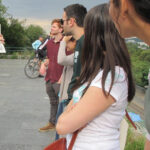
This French walking tour through Nové Město was laid out under Charles IV in 1348, and the route also tracks the Vltava River so you get both urban history and river views. You’ll spend about 2.5 hours learning why this area feels so intentionally designed, from its market-centered squares to the dramatic mix of architectural styles.
What I like most is how the guide ties culture and Czech identity to what you’re looking at, not just dates on a sign. I also love the architectural variety you pass—Gothic, Baroque, Art Nouveau, and even Cubist touches—while still keeping the walk readable and story-driven.
The one thing to consider is simple: it’s a walking tour in rain, shine, or snow, and it runs in French. If you prefer English or you don’t enjoy long outdoor stretches, plan accordingly.
Key highlights to know before you go
- Charles IV’s 14th-century urban plan, built around three central markets: Charles Square, Wenceslas Square, and Senovážné Square
- River time on the Vltava quays and stops near Archer’s Island for easy photo moments
- Architectural sweep across Gothic, Baroque, Art Nouveau, and Cubist-style landmarks
- Czech National Renaissance context, with major sites tied to national identity ahead of 1918 independence
- Recent history + modern Prague, including references to the Prague Spring and a stop connected to the House Who Dances
- A licensed Czech Ministry of Tourism guide with an emphasis on practical context and good local addresses
In This Review
- A French walk through Nové Město’s planned 14th-century city
- Price and timing: what you really get for $27 and 2.5 hours
- Meeting at Jindřišská věž: how to start smoothly
- The route in plain order: where the story turns at each stop
- Stop 1: Jindřišská věž
- Stop 2: Senovážné náměstí (about 10 minutes)
- Stop 3: Na Příkopě 864 (about 10 minutes)
- Stop 4: Náměstí Republiky (about 15 minutes)
- Stop 5: Ovocný trh (about 10 minutes)
- Stop 6: Václavské nám. 826 (about 10 minutes)
- Stop 7: Jungmann Square (about 10 minutes)
- Stop 8: Franciscan Gardens, Prague (about 10 minutes)
- Stop 9: Sculpture David Černý Kun (about 5 minutes)
- Stop 10: Wenceslas Square (about 10 minutes)
- Stop 11: Sokolská 1595/62 (about 5 minutes)
- Stop 12: Na Rybníčku (about 5 minutes)
- Stop 13: Charles Square (about 10 minutes)
- Stop 14: Resslova (about 10 minutes)
- Stop 15: Masarykovo nábřeží (about 5 minutes)
- Stop 16: Prague National Theatre (about 10 minutes)
- Stop 17: Legion Bridge (about 5 minutes)
- Stop 18: Park Legií (about 10 minutes)
- Stop 19: Finish at Park Legií
- Architectural styles you’ll actually notice on the walk
- Czech identity stories: National Renaissance, 1918, and Prague Spring
- Modern Prague moments: House Who Dances and contemporary art
- Photo tips along the Vltava quays and Archer’s Island area
- Who this tour fits best (and who should pick something else)
- Should you book this French Nové Město tour?
- FAQ
- What language is the walking tour in?
- How long is the tour?
- How much does the Prague Nové Město walking tour cost?
- Where do I meet the guide?
- What’s the easiest way to reach the meeting point by public transport?
- What is the route like after the start?
- Does the tour run in bad weather?
- What’s included in the price?
- What’s not included?
- What’s the main focus of the tour?
A French walk through Nové Město’s planned 14th-century city
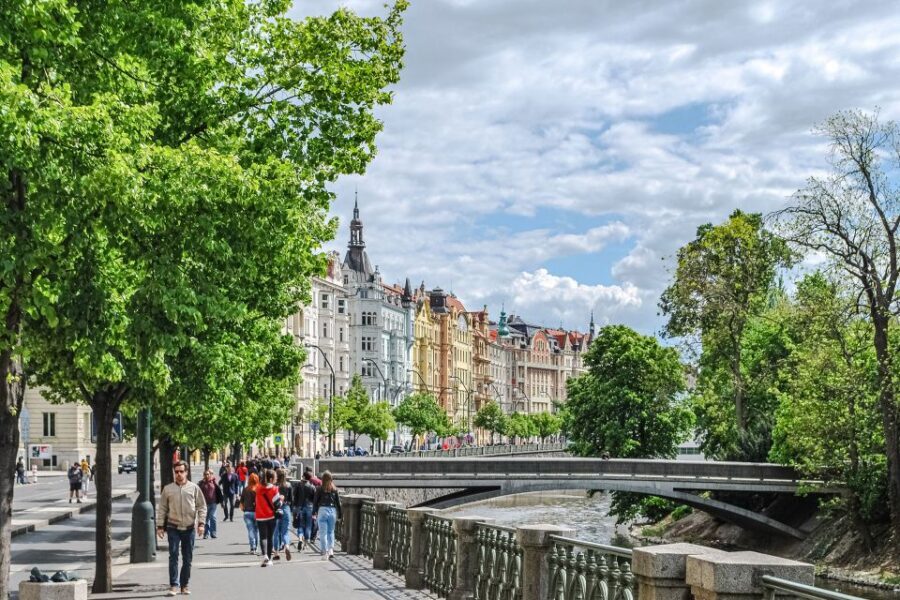
Nové Město is where Prague starts to feel carefully engineered. You’ll learn how Charles IV created a new district in 1348, then how the area grew around three central points: the cattle market at Charles Square, the horses market at Wenceslas Square, and the hay market at Senovážné Square.
What makes this more than a standard sightseeing loop is the way the guide keeps connecting the “why” to the “what.” When you understand the market logic behind the layout, the streets and squares start to click in your head.
And because the tour also follows the Vltava edge, you get a nice change of pace from pure city-center stone. That balance is a big part of the charm.
Price and timing: what you really get for $27 and 2.5 hours
At $27 per person for about 2.5 hours, this is strong value if your goal is orientation plus context. You’re not just collecting postcard images—you’re walking a corridor of Prague where history, architecture, and national identity stories overlap.
The time matters. Two and a half hours is long enough to cover a meaningful set of landmarks, but short enough that you won’t feel like you need a full day just to “do the Old Town again, but different.”
The main trade-off is that you’ll move at a guided pace. You’ll get stops and explanations, but not unlimited time inside buildings—so it’s best if you like learning while walking and grabbing photos at the right moments.
You can also read our reviews of more walking tours in Prague



Meeting at Jindřišská věž: how to start smoothly
The tour begins at Jindřišská Tower. Getting there is straightforward by tram: from Jindřišská station, served by lines 3, 5, 6, 9, 14, and 24.
Starting at a tower is a smart choice for a walking tour. From the first minutes, you get that Prague “sense of place,” and the guide can steer the stories with clear reference points.
Bring a jacket even when it looks fine. The tour runs rain, shine, or snow, so you’ll be outside through changing weather.
The route in plain order: where the story turns at each stop
This tour is built as a line of connected ideas, moving through Nové Město’s squares, cultural landmarks, and river frontage. Below is the flow of the route—and what each stop contributes to your understanding.
Stop 1: Jindřišská věž
You start at Jindřišská Tower, the kind of meeting point that helps you settle in fast. It’s also a natural anchor for the guide’s bigger picture: how the district’s design and growth shaped what Prague looks like today.
Stop 2: Senovážné náměstí (about 10 minutes)
At Senovážné náměstí, the guide brings the market-planning idea to life. This is one of the three centralities tied to Charles IV’s layout, and it sets the theme for the rest of the walk.
You’ll understand that this wasn’t random sprawl. It was planned, organized, and meant to work.


Stop 3: Na Příkopě 864 (about 10 minutes)
This stop helps you see how the district’s urban fabric evolves as you move onward. The guide’s explanations here are typically about how architecture and street structure reflect different periods.
If you like noticing transitions—old forms, newer layers, and changing styles—this is one of the spots where that mindset pays off.
Stop 4: Náměstí Republiky (about 15 minutes)
Náměstí Republiky gives you a longer pause, so it’s a good moment to slow down, look, and take photos before the route continues. The guide typically uses this kind of square time to connect architecture with national and cultural shifts.
Stop 5: Ovocný trh (about 10 minutes)
At Ovocný trh, you’ll get more of that “new town designed around markets” feeling. Even without going deep into shopping details, the square context helps you picture how Prague functioned day to day.
Stop 6: Václavské nám. 826 (about 10 minutes)
You’ll move into the Wenceslas area zone next. The guide uses these street-facing stops to keep the narrative consistent—how different eras show up in buildings and façades.
Stop 7: Jungmann Square (about 10 minutes)
Jungmann Square is a useful breathing point. By now you’ve heard about planning, markets, and style shifts, and the guide can help you assemble the pieces into a mental map.
Stop 8: Franciscan Gardens, Prague (about 10 minutes)
Franciscan Gardens works as a visual reset. It’s a short stop, but those small breaks matter on a 2.5-hour walk. It also sets up the next moments with a more relaxed feel.
Stop 9: Sculpture David Černý Kun (about 5 minutes)
This quick stop is about modern Prague details. You’ll see a recognizable artistic marker tied to the city’s more contemporary edge, and it’s the kind of photo moment you can do fast and well.
Stop 10: Wenceslas Square (about 10 minutes)
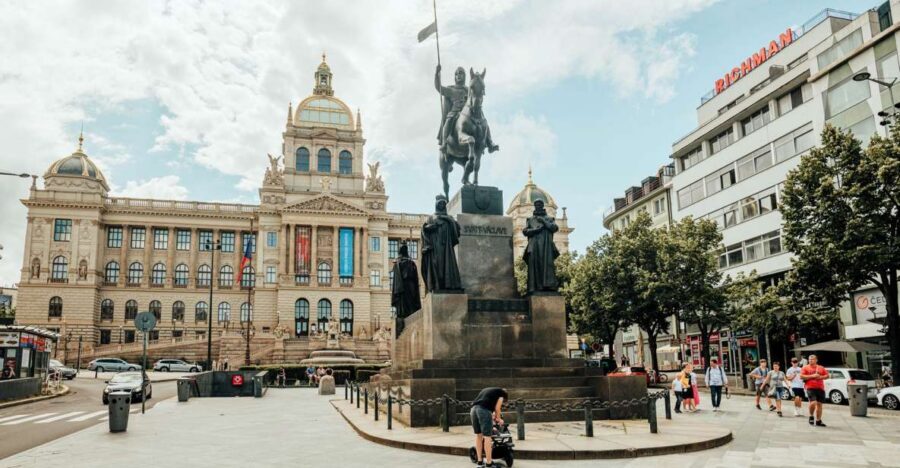
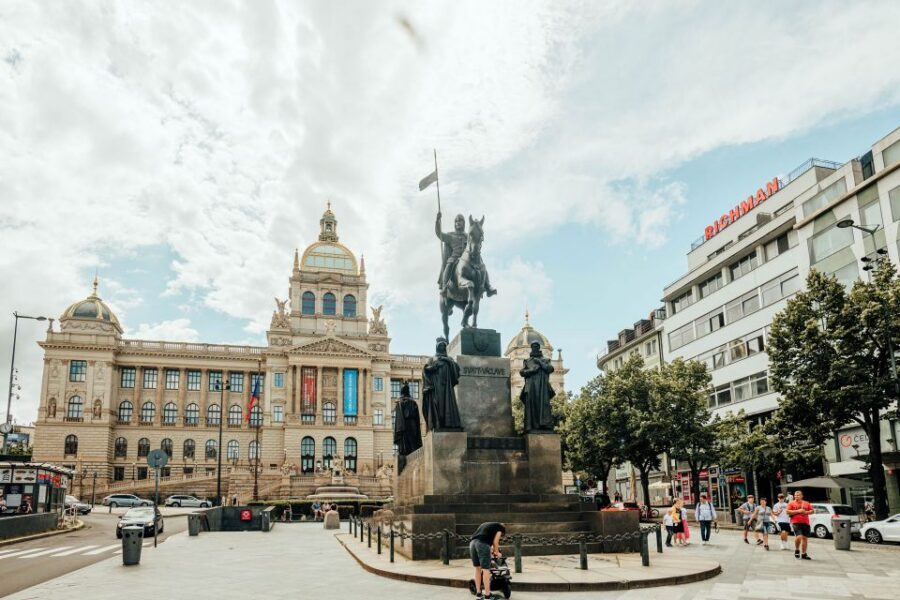
Wenceslas Square is one of the key centralities from Charles IV’s 14th-century plan—the horses market—so the guide will return to the district’s core logic here. This stop is important because it blends the large-scale feel of the square with the “designed for a purpose” explanation.
It’s also a practical photography stop. You can frame buildings and open space without racing the group too much.
Stop 11: Sokolská 1595/62 (about 5 minutes)
This short stop keeps momentum while giving you a place to connect architecture to the story. Think of it as a “blink-and-you’ll-miss-it” context point—worth paying attention to, because the guide threads style clues through the route.
Stop 12: Na Rybníčku (about 5 minutes)
Na Rybníčku continues the walk’s steady pattern: small pauses, short explanations, and steady movement toward the heart of the Nové Město identity.
Stop 13: Charles Square (about 10 minutes)
Charles Square anchors the cattle market side of the district’s original three-centralities idea. This stop is where the planning theme feels most concrete: you’re seeing a location the district was organized around.
Stop 14: Resslova (about 10 minutes)
Resslova is the kind of street stop that helps you read Prague like a timeline. The guide links what you see now to which architectural era it represents.
If you like structure—Gothic here, Baroque there—this is where it becomes easier to spot patterns.
Stop 15: Masarykovo nábřeží (about 5 minutes)
Now you start moving toward the river-feel parts of the experience. Masarykovo nábřeží is a quick but meaningful bridge between city squares and the Vltava’s edge.
Stop 16: Prague National Theatre (about 10 minutes)
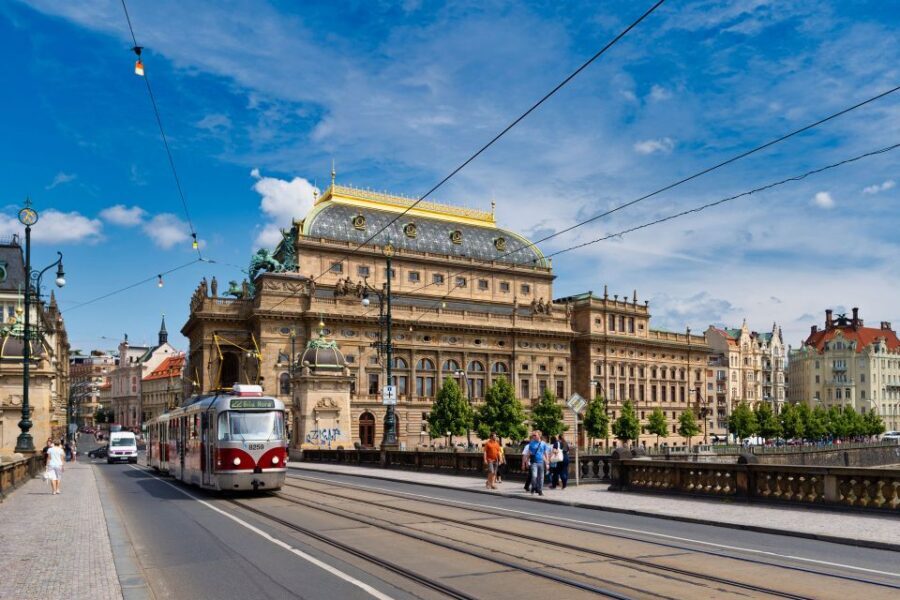
Prague National Theatre is a major cultural stop and a reason the tour is worth doing even if you’ve seen Prague buildings before. Here, the guide connects the site to the Czech National Renaissance and the sense of identity-building that preceded Czechoslovak independence in 1918.
This is also where the tour’s “not just pretty buildings” element becomes very clear.
Stop 17: Legion Bridge (about 5 minutes)
You get a short view-oriented moment at Legion Bridge. Bridge stops are great for grabbing wider shots and resetting your orientation—especially after a cluster of square and theatre content.
Stop 18: Park Legií (about 10 minutes)
Park Legií is where the walk’s final stretch ties back to the Vltava-area experience and the open-air rhythm of Prague.
Stop 19: Finish at Park Legií
You end at Park Legií. In other words: you’ll finish near the river zone, with a natural “walk a bit more on your own” feeling rather than ending in the middle of nowhere.
Architectural styles you’ll actually notice on the walk
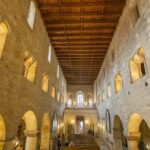
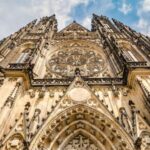
A big promise here is architectural diversity, and you can feel that diversity as you move. The tour explicitly calls out masterpieces across Gothic, Baroque, Art Nouveau, and Cubist influences.
You’ll also hear about iconic landmarks connected to those styles, including the Powder Tower, the Estates Theater, the Municipal House, and the House of the Black Madonna. Even if you don’t stop for long at each one, the guide’s explanations help you recognize what you’re looking at.
This is one of those tours where your “eyes” improve. After enough context, you stop seeing Prague as random beautiful buildings and start seeing it as a pattern of eras and influences.
Czech identity stories: National Renaissance, 1918, and Prague Spring
The tour doesn’t treat history like a lecture. It uses real places to make bigger ideas feel grounded.
Two themes show up strongly:
- Czech National Renaissance, tied to culture and identity-building
- The build-up toward 1918 independence of Czechoslovakia
And then the story extends forward with references to more recent events like the Prague Spring. That adds a useful layer, especially if your Prague trip includes other history stops and you want the timeline to connect.
Modern Prague moments: House Who Dances and contemporary art
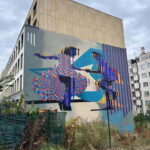
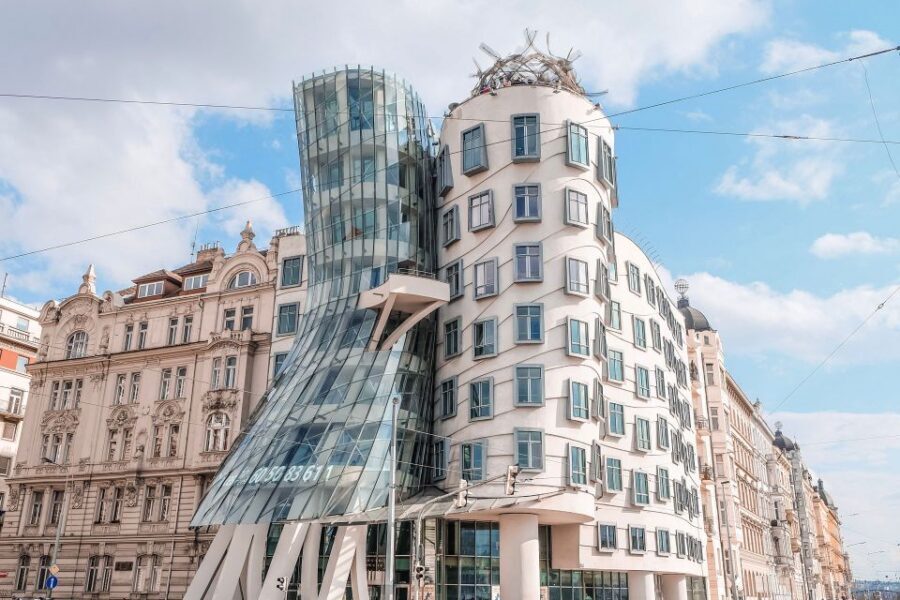
Prague isn’t only “old town.” The tour includes modern references like the House Who Dances and an art stop featuring a David Černý sculpture (Kun).
These are short stops, but they matter. They remind you that Nové Město is still evolving, and that today’s architecture is part of the same city identity—just on a different chapter.
Photo tips along the Vltava quays and Archer’s Island area
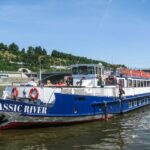
The walk includes time along the quays of the Vltava and near Archer’s Island. That’s where you’ll usually get the easiest “wide angle” photo opportunities: water, bridges, and skyline lines that feel more dramatic than a street-level shot.
My practical advice: wear shoes you trust and keep your camera or phone accessible in the last minutes of each river-adjacent stop. The tour rhythm means the best views can appear right at the end of a segment.
Also, plan on overcast or wet conditions changing light fast. If it’s gray, shoot anyway. The river reflections can look great even when the sky isn’t cooperating.
Who this tour fits best (and who should pick something else)
This is a great choice if you want a French-guided introduction to Prague beyond the most basic route. It’s also ideal if you care about how architecture connects to Czech culture and national identity, not just aesthetics.
It’s less ideal if you only want casual sightseeing with zero explanations, or if French is a barrier. The tour is explicitly French, and the value comes from following what the guide is saying as you walk.
If you’re the kind of traveler who likes planning (markets, squares, the “why” behind a city), you’ll enjoy the structure here. Charles IV’s district logic gives the whole experience a backbone.
If you prefer lots of inside time, this probably won’t be your main activity. It’s designed as a guided walk with explanations and photo stops, not a museum marathon.
Should you book this French Nové Město tour?
I’d book it if:
- You want a 2.5-hour way to understand Nové Město as a planned district, not just a list of landmarks
- You like architecture and want the style timeline explained while you see it
- You want a guide who brings in Czech culture themes like the National Renaissance, 1918, and the Prague Spring
I’d pass or choose another option if:
- You’re not comfortable with French-only guidance
- Weather makes long outdoor walking hard for you
- You need mostly indoor time or self-paced wandering without a guided pace
Overall, for the $27 price and the amount of context packed into a short walk, it’s a solid way to see Prague with your brain turned on.
FAQ
What language is the walking tour in?
The tour is in French.
How long is the tour?
The duration is about 2.5 hours.
How much does the Prague Nové Město walking tour cost?
It costs $27 per person.
Where do I meet the guide?
Meet in front of the entrance of Jindřišská Tower.
What’s the easiest way to reach the meeting point by public transport?
Take the tram from Jindřišská station. It’s served by lines 3, 5, 6, 9, 14, and 24.
What is the route like after the start?
You’ll visit a series of stops across Nové Město, ending at Park Legií.
Does the tour run in bad weather?
Yes. It runs rain, shine, or snow.
What’s included in the price?
You get a local licensed guide, a guided walking tour (about 2.5 hours) in French, explanations on sites and Czech culture, good addresses in the area, advice for your stay, and the general good mood.
What’s not included?
Pick-up and return to the hotel, transport tickets, and food and drinks are not included.
What’s the main focus of the tour?
The focus is Nové Město’s 14th-century urban design under Charles IV, major squares and landmarks, architecture across different periods, and the Vltava riverside area, with some modern references like the House Who Dances.