REVIEW · PRAGUE
The Plague Doctor of Prague
Book on Viator →Operated by Night Watchman of Prague · Bookable on Viator
A strange mask, a serious disease, and Prague street corners. The Plague Doctor of Prague turns a walk through the Old Town into a story about how people explained the plague, coped with fear, and survived day by day. You start in character and then move stop by stop through places tied to quarantine, medicine, and the city’s most vulnerable communities.
Two things I really like: you get a clear sense of how Prague residents thought about the plague long ago, and the tour connects that illness to real locations you can still stand in today. It also includes how the plague affected Jewish communities, not as a side note, but as a core part of the route.
One consideration: this is not an architecture-and-art-only walking tour. If you mainly want buildings and dates, you may wish the historical thread stayed heavier through every stop, since the strongest moments are often the storytelling and medical-human side of the plague.
In This Review
- Key things to know before you go
- Why this plague doctor walk is such an effective Prague evening plan
- Meeting Alexander Schamsky at Aurus Hotel Prague and the Golden Well house
- Klementinum, the New Library, and life in quarantine near the New Town Hall
- Old Town Square: merchants, Hussite Church, and the 30 Years War thread
- Kafka statue to the Jewish Quarter: La Peste and plague-era Jewish life
- Na Frantisku hospital visit: healing methods and the 200 million figure
- Convent of St. Agnes ending at the National Gallery and what plague means today
- Price, group size, and time: what you’re really paying for
- Who should book the Plague Doctor of Prague tour
- FAQ
- How long is the Plague Doctor of Prague tour?
- Where does the tour start?
- Is the tour offered in English?
- How big is the group?
- Do I need separate admission tickets for the stops?
- What should I wear since it includes multiple city stops?
- What happens if the weather is bad?
- Can I cancel if plans change?
- Should you book this tour
Key things to know before you go
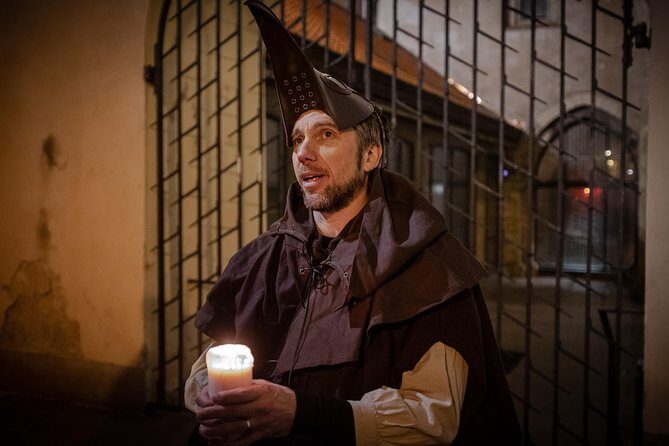
- 1715 Prague roleplay with the plague doctor Alexander Schamsky, starting at Aurus Hotel Prague
- Short, efficient stops across major Old Town landmarks, ending with a group photo
- Jewish Quarter focus and context on how the plague hit Jewish communities in Prague and Europe
- Quarantine and Black Death beliefs explained in plain language, including how wealthy and common people differed
- Medicine and hospitals through the Na Frantisku site and older healing methods
- Small group size (maximum 10), which makes questions easier to ask
Why this plague doctor walk is such an effective Prague evening plan
Prague is great for history, but it can also feel like you’re collecting facts. This tour does something different. It uses a plague doctor character to anchor the timeline, then keeps steering you back to human behavior: what people believed caused the disease, how they acted when fear spread, and what quarantine life meant in everyday terms.
What makes it work is the mix of locations and themes. You don’t just stop at one dramatic site and move on. The route threads through places tied to learning and public life (like the Klementinum area and town hall spaces), then into commerce and square life, and finally toward medical care and a Jewish Quarter segment. The story stays connected to where you are standing.
It also helps that this tour is timed for focus. At about 1 hour 30 minutes, you cover six main stops without feeling like a full-day commitment. That matters when you’ve already done a lot of walking in Prague and you want one more smart activity that still feels manageable.
Finally, you’ll see plenty of praise for the guides’ performance and humor. Depending on which plague doctor performer you get, names like Thomas, David, or Oskar show up in the guide roster, and the common thread is clear speaking, staying in character, and keeping the tone fun without turning the topic into pure comedy.
You can also read our reviews of more tours and experiences in Prague.


Meeting Alexander Schamsky at Aurus Hotel Prague and the Golden Well house
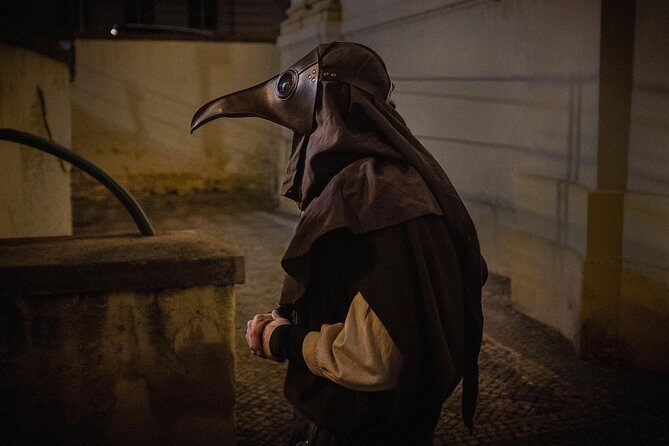
Your tour starts at Aurus Hotel Prague (Karlova 3, Praha 1-Staré Město). This is a strong opener because it immediately sets the year: 1715, when the plague story in Prague is treated as lived experience rather than museum display.
The plague doctor Alexander Schamsky is introduced right away, and you explore the building associated with the House of the Golden Well. That setup does two useful things for you. First, it grounds the performance in a specific place, so the costumed character doesn’t feel random. Second, it frames what follows: the plague wasn’t just a disease. It was also wrapped up in saints, fear, and “why did this happen to us?” explanations.
You also learn about saints tied to plague protection—St. Sebastian and St. Rochus—and how people linked faith to survival. The guide talks about the root causes people believed in at the time. Even if you know the modern science of epidemics, hearing those older explanations helps you understand behavior: panic, blame, and the search for certainty.
Practical note: this first stop is short (around 10 minutes). Treat it like your warm-up. If you’re the type who likes asking questions, this is a good moment to ask something broad, like what belief systems the guide will be focusing on next.
Klementinum, the New Library, and life in quarantine near the New Town Hall
Next comes the New Town Hall area, with a stop that points you toward the old monastery Klementinum and both the old and newer library spaces. This matters because it signals a shift from superstition and saints toward organized knowledge and civic response.
Here, you’ll hear about different types of Black Death as people talked about it back then. You also get a sense of how plague experiences could differ by social position. The tour touches on how wealthy and common people in Prague suffered and, in some cases, managed to escape the worst outcomes.
Then the key theme becomes quarantine. You spend time on what a life in quarantine meant in practice: restrictions, separation, and the strain of waiting for a threat to pass. That’s valuable because it takes plague from abstract history and turns it into routine. You get a mental model for how a city changes when movement and normal life get shut down.
This stop also gives you a “brain pause.” Squares and streets keep pulling your eyes outward. This is where the tour asks you to focus inward on systems—how authorities and society tried to manage an invisible enemy.
Old Town Square: merchants, Hussite Church, and the 30 Years War thread
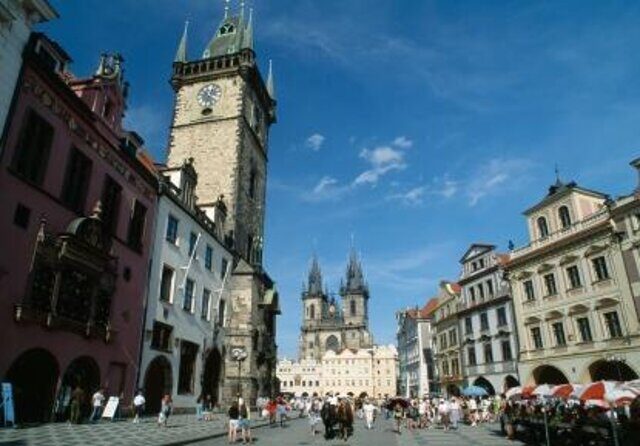
At Staroměstke namesti (Old Town Square), the tour goes big. You’re around iconic church buildings like the Hussite Church and Týn Church, plus the Old Town Hall area. The guide uses these landmarks as a springboard to talk about plague-era city life—especially the business side.
Merchants during plague times are a central theme. You learn how commerce changed when fear and illness disrupted daily routines. That’s the kind of detail that makes the story feel real. It’s not only about sickbeds; it’s about how a city’s economy and social rhythm can stall.
The stop also includes an excursion into the 30-years-war. That’s a useful addition because it places plague in a broader era of stress. If you’re trying to understand why communities were so tense and so vulnerable, connecting disease to conflict helps the picture make more sense.
One thing to watch: this is a busy-looking area, even when your group is small. Keep your eyes on the guide for direction and stay aware of your footing on Prague’s uneven street surfaces, especially if it’s damp.
Kafka statue to the Jewish Quarter: La Peste and plague-era Jewish life
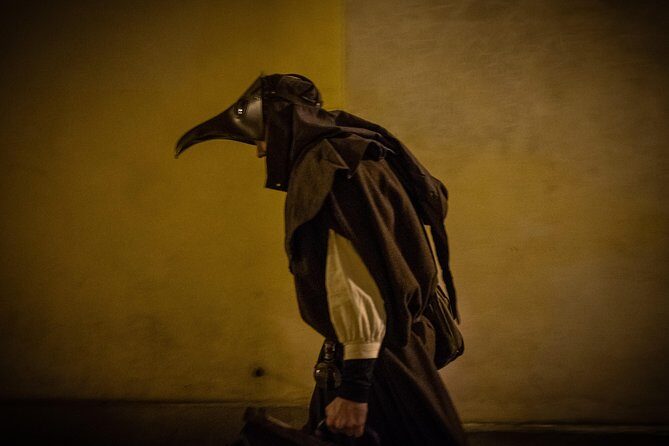
A standout moment comes near the Franz Kafka Statue. The guide introduces Kafka and then pivots to insights into the lives of Jewish people during plague times in Prague and across Europe.
After that, you move into the Jewish Quarter. This isn’t treated as a quick stop for atmosphere. The Jewish Quarter segment connects plague to community life—how people faced illness, stigma, and the social shocks that came with outbreaks.
This stop also brings in literature: the novel La Peste by Albert Camus. Even if you’ve never read it, hearing how the guide references it gives you a different angle on what plague stories do. They’re not only about medical events; they’re about human behavior under pressure.
For many people, this is the emotional heart of the route. It’s where the tour becomes more than “spooky facts.” It asks you to think about what outbreaks do to real communities, not just what doctors wore.
If you care about respectful context, this segment is worth paying extra attention to. Stay quiet when others ask questions, and don’t be afraid to ask for clarification if you want the guide to connect the historical story to the moral questions the topic raises.
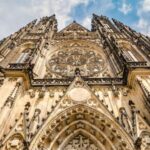
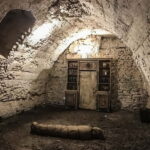


Na Frantisku hospital visit: healing methods and the 200 million figure
The Church of Saint Simon and Jude stop sets up the next phase: medicine. Here, you visit the old hospital Na Frantisku and explore further aspects of plague in Prague.
This portion is where the tour turns to healing methods and medical background. You also hear that plague killed approximately 200 million people worldwide, which gives the disease scale beyond Prague. It’s a heavy number, and the guide’s job is to keep it understandable without losing the human sense of cost.
One especially praised angle here is how the tour highlights unknown heroes of medicine who worked in the hospital. That matters to you because it shifts the focus away from only famous names. You start seeing plague response as a network of workers and caretakers doing what they could with the tools they had.
In a practical sense, this stop is also useful if you’re interested in public health. You’ll see how earlier medical ideas shaped behavior, treatment choices, and hope.
If you’re doing Prague in a single trip, this mid-to-late segment is a good time to slow down. Ask yourself what you’re learning: were people chasing explanations, protecting communities, or trying to keep order in a chaotic setting? This tour gives you enough detail to compare those motivations.
Convent of St. Agnes ending at the National Gallery and what plague means today
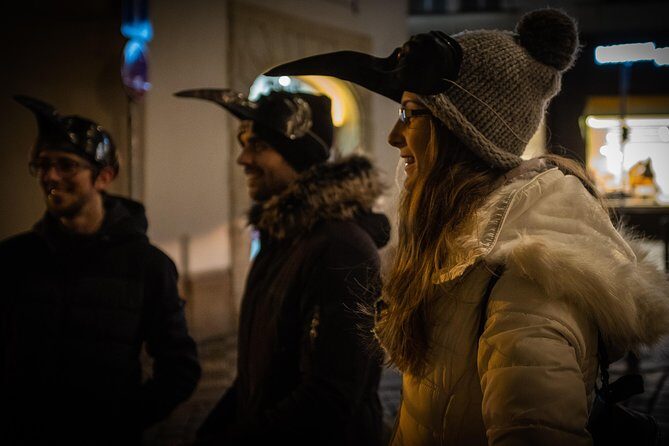
The tour ends at the National Gallery Prague: Convent of St. Agnes. This last stop brings a different kind of “time travel.” You hear about St. Agnes of Bohemia—her life and work—before the guide wraps up the plague story in Prague and Europe.
Then you get a forward-looking moment. The tour includes interesting facts about the current status of the disease. The goal isn’t to scare you or overload you with science terms. It’s to help you connect what you just learned to what the world knows now about plague and how epidemics are discussed today.
The final touch is also simple and fun: you end with a group picture with the plague doctor. It’s a small souvenir moment, and it gives you a clean finish line for the 90-minute walk.
From a reader’s point of view, this ending works because it ties history to meaning. You don’t leave with only images of masks and streets. You leave with a clearer chain from past beliefs to real public response, plus a hint of how our understanding has shifted.
Price, group size, and time: what you’re really paying for
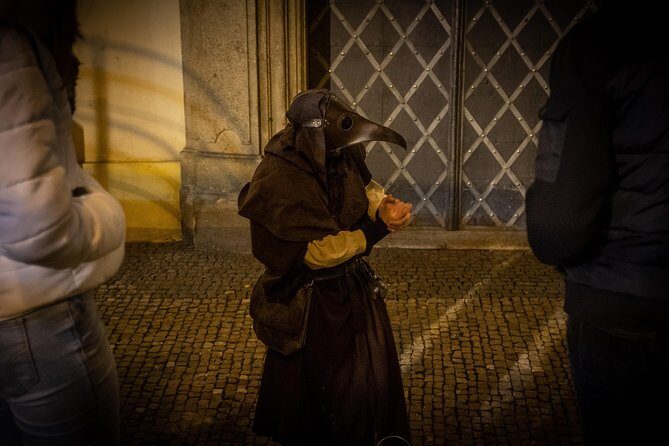
At $26.61 per person for about 1 hour 30 minutes, this tour sits in the “good value” zone for Prague evening activities—mainly because you’re not paying for views alone. You’re paying for interpretation.
A small group (maximum 10) is a big deal here. It makes the guide’s storytelling easier to follow and more interactive. In your case, it means you can ask questions, or at least get your curiosity answered as the route moves.
Also, it’s in English, with a mobile ticket. That matters if you’re trying to keep your planning simple after a long day of sightseeing. Add in the fact that each stop is listed as admission ticket free, and the cost feels even more reasonable—you’re not stacking extra entry fees on top.
Lastly, the tour is commonly booked about 16 days in advance. I’d treat that as a hint. If your Prague dates are fixed, book early so you can pick a time that fits your schedule and avoids decision stress.
Who should book the Plague Doctor of Prague tour
This tour is ideal if you like:
- Public health topics with real place context (quarantine, how cities respond)
- History told through characters and everyday behavior, not only dates and architecture
- A story that includes Prague’s Jewish Quarter and the plague’s social impact
- A small-group evening activity that keeps moving but doesn’t exhaust you
It may not be the best match if:
- You want a building-by-building architectural lecture only
- You’re extremely sensitive to strong performance elements (costumes and character work)
- You dislike humor mixed with dark history (most guides use humor, though the tone aims to stay respectful)
And one comfort tip: since it’s a street walk, wear shoes that handle cobblestones. If it rains, the atmosphere can add to the mood, but you still want your feet to be happy.
FAQ
How long is the Plague Doctor of Prague tour?
It runs about 1 hour 30 minutes (approx.).
Where does the tour start?
It starts at Aurus Hotel Prague, Karlova 3, Praha 1-Staré Město, Czechia.
Is the tour offered in English?
Yes, it’s offered in English.
How big is the group?
The group size is limited to a maximum of 10 travelers.
Do I need separate admission tickets for the stops?
Each stop in the itinerary is marked as admission ticket free in the tour description.
What should I wear since it includes multiple city stops?
It’s a walking tour through several Prague locations, so wear comfortable shoes and dress for the weather.
What happens if the weather is bad?
The tour requires good weather. If it’s canceled due to poor weather, you’ll be offered a different date or a full refund.
Can I cancel if plans change?
You can cancel for a full refund up to 24 hours before the experience starts. If you cancel within 24 hours, the amount you paid will not be refunded.
Should you book this tour
Yes, if you want a plague-history experience that feels like a story you can walk through, not a slideshow of dates. The best reason to book is the combination: Alexander Schamsky’s performance, the route through major Prague spaces, and the attention to how quarantine and the plague affected communities, including the Jewish Quarter.
Book it especially if you like guided humor and clear explanations, and if you want an evening plan that covers a lot of ground in a tight time window. Just go in knowing it leans more toward people, beliefs, and medicine than toward a pure architecture tour.