REVIEW · PRAGUE
Terezin Concentration Camp Day Tour from Prague
Book on Viator →Operated by Cedok · Bookable on Viator
Terezín doesn’t waste time. This 6-hour day trip from Prague takes you from normal city life to one of Europe’s most painful Holocaust sites, with expert-led storytelling along the way. You’ll ride out by air-conditioned coach, walk the grounds, and end with a guided visit centered on remembrance and education.
I love the fully narrated format—so you’re not just wandering in silence. I also like that the schedule includes admission to the main memorial/exhibit areas, so the learning doesn’t feel like a rushed check-box.
My only real caution: the pace can feel fast, with limited chances to stop and process. The day is emotionally heavy, and some stretches are practical-drain too (think walking + heat + not much downtime), so plan like you’re doing a full-day hike, not a stroll.
In This Review
- Key things that make this tour worthwhile
- Why Terezín from Prague feels both close and unreal
- The coach ride: time, narration, and how to prepare
- Entering the Terezín Memorial: where the learning turns into remembrance
- Small Fortress walking: guided storytelling that helps you picture the scale
- Big Fortress and the Jewish Ghetto museum time: make your minutes count
- Jewish cemetery and crematorium: the hardest stop needs space
- Guides and narration: what to expect from names like Petr, Helen, George, and Oleg
- Price and value: is $78.70 worth it?
- Logistics that matter: meeting point, group size, and pace
- Who should book this Terezín day tour—and who should think twice
- Final verdict: should you book?
- FAQ
- What is the duration of the Terezín concentration camp day tour from Prague?
- Where does the tour start and end?
- What time does the tour depart?
- Is admission included?
- Is the tour offered in English?
- Do I need to arrange transportation from Prague?
- Are meals included?
- How large is the group?
- What is the cancellation policy?
Key things that make this tour worthwhile
- Expert narration on the coach and at the sites: you get context fast, then move through the grounds with a clear story.
- Sites connected to the Jewish ghetto and prison camp: the tour is built to follow how this place functioned during Nazi rule.
- Terezín Memorial exhibits included: you’ll have time to see educational displays and memorial materials, not just outdoor stops.
- A guided walk-through at the forts (with local specialists): smaller-fortress content is often handled by a separate local guide like Denisa.
- Language is English, but timing can get weird: one guide has used both English and French briefly, which can throw off the flow.
- Bring your own water and snacks: some guides don’t make it easy to eat or drink, and bathroom breaks can be limited.
Why Terezín from Prague feels both close and unreal
Prague is beautiful. Then you cross into Terezín and the mood flips hard. Terezín began as a fortress town meant to protect Prague (founded in 1780), but during WWII it was converted into a Jewish ghetto and concentration camp. The point of this tour is to help you understand how that transformation happened—and what it meant for the people trapped inside.
What makes it especially powerful in a guided day format is the way the story is structured. You don’t just see buildings. You get the “how” and “why” behind the suffering. And you get that structure before you’re left alone with exhibits, which helps a lot.
You can also read our reviews of more tours and experiences in Prague.


The coach ride: time, narration, and how to prepare
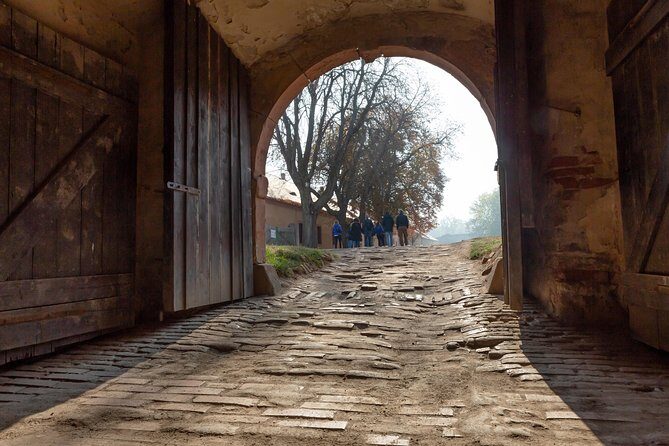
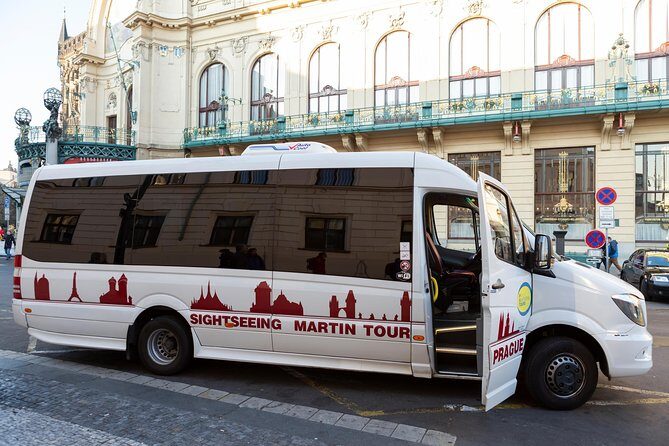
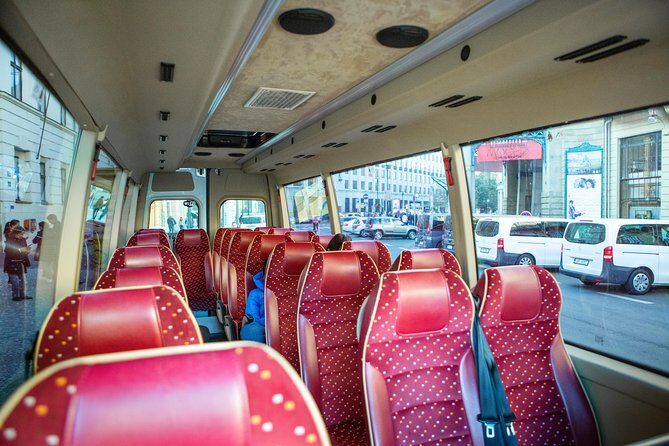
You meet at Náměstí Republiky 1037/3 in Prague 1, and the tour starts at 12:15 pm. From there, you board an air-conditioned coach. The drive is usually around an hour each way, though traffic can change things a bit.
One thing you should know: the coach portion is often treated like an introduction lecture, with the guide explaining history and setting up the sites you’ll see next. That’s good for clarity. It can also make the day feel more “scheduled” than “free,” especially if you’re the type who likes to breathe between stops.
Practical tip: bring a small bottle of water and a few snacks. Some people found water and food options limited and no true meal break. Also pack for walking; even when the pace is controlled, you’ll be on your feet for long stretches.
Entering the Terezín Memorial: where the learning turns into remembrance
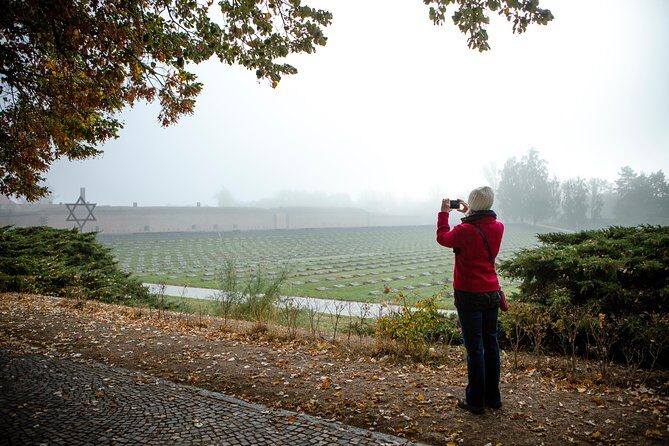
Your day centers on the Terezín Memorial and its educational exhibits. This is where the visit becomes more than sightseeing. The memorial is the place to take in how the site is presented today: the history, the human loss, and the reason this location is protected and taught.
From the way the tour is described, you’ll start with guided narration on-site, then spend time paying homage to the victims. You’ll also have access to exhibits designed to deepen your understanding of the Holocaust in the Czech context—so you’re not only dealing with outdoor spaces and stone walls.
Two things I like about this approach:
- It gives you emotional grounding before you go into specific fort areas.
- It helps you connect the story you heard on the coach to objects and information you can read at your own speed.
If you’re sensitive to heavy material, pace yourself here. I’d treat the memorial time as your “reset” moment, even though it’s still difficult.
Small Fortress walking: guided storytelling that helps you picture the scale
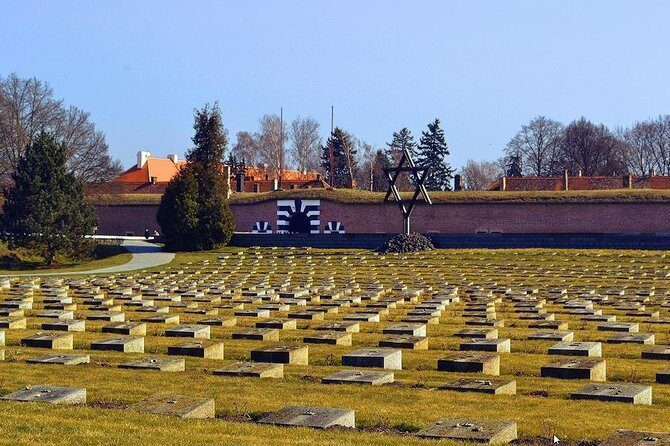
After the memorial portion, the tour typically moves into the fort complex areas, and the Small Fortress is often handled by a local specialist guide. One name that comes up is Denisa, who is described as speaking English well and adding detailed context at this specific stop.
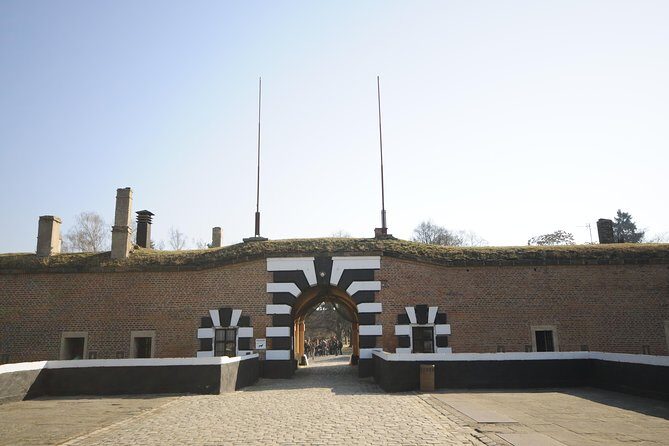
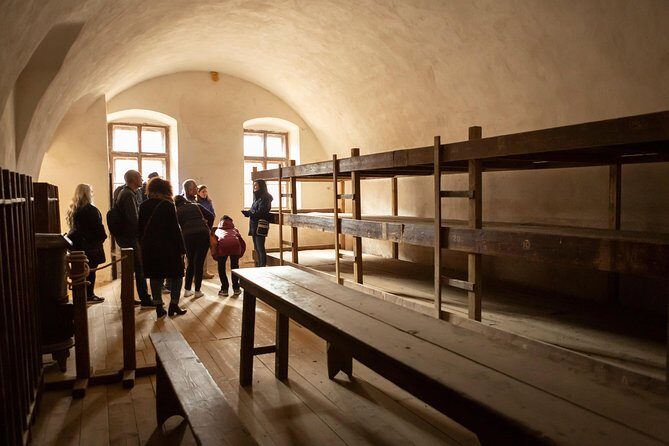
This part matters because it’s where you start to feel how the prison system operated. The Small Fortress is not “a museum walk.” It’s more like stepping into a system designed to break people down—through isolation, harsh conditions, and relentless control.
The best guided moments here tend to be the ones that turn architecture into lived reality. When a guide can explain what happened in each space, you stop thinking in generalities and start tracking the logic of the place: how people were processed, where they were held, and how the Nazi system ran day to day.
A drawback to keep in mind: the tour can move quickly. If you’re the type who needs time to stop, look closely, and sit with what you’re seeing, you might feel pushed along.
Big Fortress and the Jewish Ghetto museum time: make your minutes count
Then you shift toward the Big Fortress / Jewish Ghetto Camp areas, where the tour usually includes museum time. Here’s where the schedule can feel tight. Some people felt they didn’t get enough time in the museum spaces, especially if they wanted to slow down and read more.
That’s not a deal-break for everyone. In fact, for many people it’s fine—because you’re getting guided context on top of what you’ll see. But if museum browsing is your main goal, you should prepare for a more “guided overview” feel than a long, independent visit.
If you want to get more out of shorter museum time:
- Pick a few sections to focus on first.
- Take notes on the specific names, dates, or themes your guide mentions.
- Don’t try to read everything. Try to understand the structure of the story instead.
Also, the tour route can include places like the area connected to the cemetery and crematorium after the museum components. That means you may see multiple heavy sites back to back. A quick museum visit can still be meaningful—but it helps to have your head organized going in.



Jewish cemetery and crematorium: the hardest stop needs space
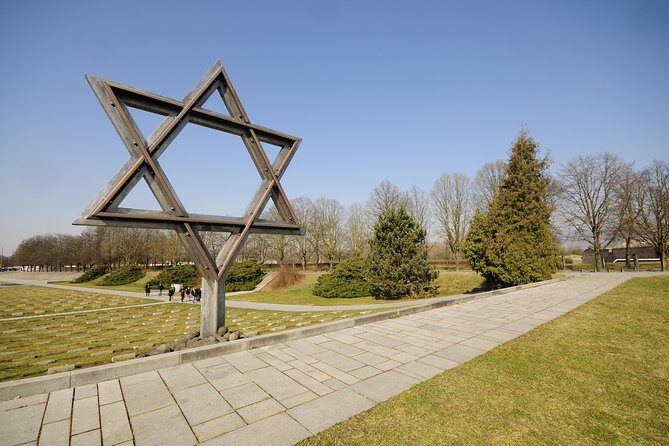
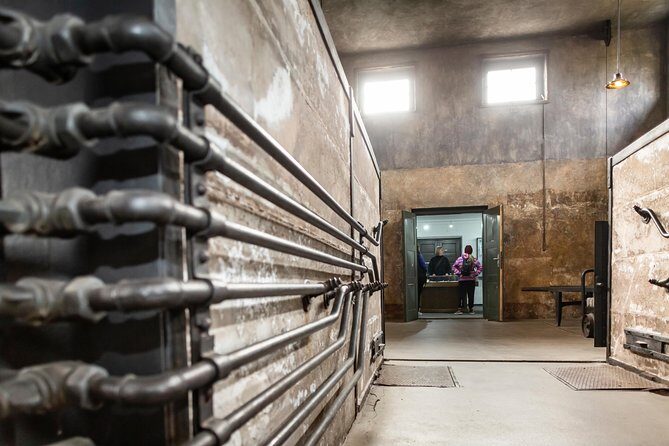
The tour commonly ends with remembrance at the Jewish cemetery and the crematorium area. Several reviews describe this portion as humbling and intense—often with less time than people wish they had to sit, reflect, and take in details slowly.
This is one of those segments where the guided format can be a double-edged sword:
- Guidance helps you avoid confusion and see the significance of what you’re standing next to.
- A tight schedule can make it harder to truly absorb what you’re seeing.
If you know you’ll struggle with rushed pacing, build your own coping rhythm. Slow your footsteps the moment you reach the cemetery area, and give yourself permission to pause even if the group is moving. You’re there to remember, not to “keep up.”
One more note: there can be rare operational issues. A past departure reportedly missed museum time due to a city-wide power outage. That doesn’t happen every day, but it’s a reminder that sometimes the day’s plan can shift.
Guides and narration: what to expect from names like Petr, Helen, George, and Oleg
A big reason this tour scores well is the quality of guidance. Names that have appeared include Petr, Helen, George, and Oleg. On top of that, there’s often local expertise at the forts—like Denisa at the Small Fortress stop.
What you’ll notice with strong guides is how they shape attention. They don’t just list facts. They connect the history to what you can physically see: buildings, walls, memorial areas, and exhibit content. That makes the visit stick longer after you’re back in Prague.
One watch-out from the experience: while the tour is offered in English, some briefings can run in more than one language (English and French were mentioned by a participant). When that happens, timing can feel off—like you’re being told to look at something after you’ve already walked past it.
If you’re very sensitive to timing and language clarity, arrive with patience and keep your camera ready—but also keep your brain in slow mode when you start the walking parts. Short attention loops work better than trying to capture everything at once.
Price and value: is $78.70 worth it?
At $78.70 per person, this is not a “cheap day out.” But it’s also not just transportation. You’re paying for an air-conditioned vehicle plus a professional guide, and the memorial/exhibit portion includes admission.
Value here comes from three things:
- You avoid the hassle of figuring out how to get there, coordinate your own schedule, and piece together site context on your own.
- You get narration that turns a set of locations into one connected story.
- You don’t have to spend your Prague planning time building your own itinerary around a complex day.
The biggest value killer would be if you need lots of free time. The tour is structured and can feel tight. If you’re hoping for slow museum wandering and long quiet breaks, you might find you want more time in specific areas like the cemetery or the ghetto museum exhibit spaces.
Logistics that matter: meeting point, group size, and pace
The tour meets at Náměstí Republiky 1037/3. There’s no hotel pickup, so you’ll want to build in time to reach the meeting spot calmly. The activity ends back at the same meeting point.
The group size is capped at 29. That’s a sweet spot: small enough that you’re not lost in a crowd, large enough that the tour can run smoothly. Still, you should expect a guided pace where you’re moving between stops rather than hanging out at one location for ages.
Also consider the day’s emotional weight. When you’re tired, it’s easier to feel rushed. When you’re prepared with water, snacks, and the right attitude, the visit becomes more manageable.
Who should book this Terezín day tour—and who should think twice
This tour fits best if you want:
- A clear, guided Holocaust learning experience tied to specific locations.
- Expert storytelling that helps you understand what you’re seeing.
- A day trip that saves you from arranging transport on your own.
It may feel less suitable if you’re looking for a casual outing, scenic views, or lots of downtime. One participant described it as not being a children-focused visit (with an emphasis that it’s more appropriate for adults and older teens). Even if you’re comfortable with history, the atmosphere is intense.
It’s also not ideal if you’re the kind of person who needs long reflective pauses at every stop. Some people wished for more time at places like the Jewish cemetery and the ghetto museum, and others noted the pace can feel like a conveyor belt.
Final verdict: should you book?
I’d book this tour if you want a guided, structured Holocaust visit with admission included and a coach that keeps things simple from Prague. The strongest part is how narration + site access creates a coherent story—from the memorial-focused education to the fort areas and the cemetery remembrance.
You might skip—or plan differently—if you know you’ll struggle with tight timing, limited breaks, and heavy emotional processing. If that’s you, still consider going, but go with your expectations set: this is a learning day with walking, not a relaxed day off.
If you do book, do two things: bring water and snacks, and give yourself permission to slow down emotionally at the cemetery portion even if the group keeps moving. That’s where the day’s meaning lands.
FAQ
What is the duration of the Terezín concentration camp day tour from Prague?
The tour is about 6 hours.
Where does the tour start and end?
It starts at Náměstí Republiky 1037/3 in Prague 1 and ends back at the same meeting point.
What time does the tour depart?
The start time listed is 12:15 pm.
Is admission included?
Yes. Admission ticket coverage is included for the memorial portion of the experience.
Is the tour offered in English?
It is offered in English.
Do I need to arrange transportation from Prague?
No. You’ll take an air-conditioned coach from Prague as part of the tour, with transportation back at the end.
Are meals included?
Food and drinks are not included unless specifically noted.
How large is the group?
The tour has a maximum of 29 travelers.
What is the cancellation policy?
You can cancel for a full refund up to 24 hours before the experience starts. After that point, the amount paid won’t be refunded.