REVIEW · PRAGUE
Prague: World War II and Communist History Tour
Book on GetYourGuide →Operated by Discover Prague Tours sro · Bookable on GetYourGuide
Prague’s streets tell dark stories. This 2.5-hour walking tour connects Nazi occupation, Czech resistance, Communist rule, and the Velvet Revolution with stops you can actually stand in front of. I love how the guide keeps the timeline clear so the big events feel personal, not like a textbook.
Two things really work for me: the route hits major landmarks like the Municipal House, Jewish Quarter, Dancing House, and Wenceslas Square, and the storytelling has real energy. Guides such as Daren, Adam, Tony, Zac, and Sean are repeatedly praised for bringing history to life through local detail and good pacing.
One consideration: the subject matter turns heavy fast, from occupation and reprisals to political repression and persecution. If you prefer lighter sightseeing, this might feel intense.
In This Review
- Key Highlights You’ll Feel on the Walk
- Starting At Týnská: How the Tour Gets You Oriented Fast
- WWII in Prague: Nazi Rule, Resistance, and the Assassination Site
- The Communist Coup to Normalization: How Control Replaced Chaos
- Velvet Revolution Places: Havel, Dissidents, and Sudden Public Hope
- Jewish Quarter Stop: WWII’s Impact You Can’t Skip
- Municipal House and Dancing House: Two Buildings, Two Signals
- Wenceslas Square: Where Politics Shows Up in Everyday Motion
- Film Suggestions and Story Follow-Ups: What to Ask Your Guide
- Duration, Walking Pace, and How to Plan Your Day
- Price and Value: Why $34 Can Feel Like a Steal
- Who Should Book This, and Who Might Want to Skip It
- Should You Book the Prague WWII and Communist History Tour?
- FAQ
- What is the length of the tour?
- Is this a walking tour?
- Where does the tour meet?
- What language is the tour guide speaking?
- What sites and areas are included?
- Does the tour cover both WWII and the Communist period?
- Is the guide included?
- What is the cancellation policy?
- Is there a reserve and pay later option?
Key Highlights You’ll Feel on the Walk
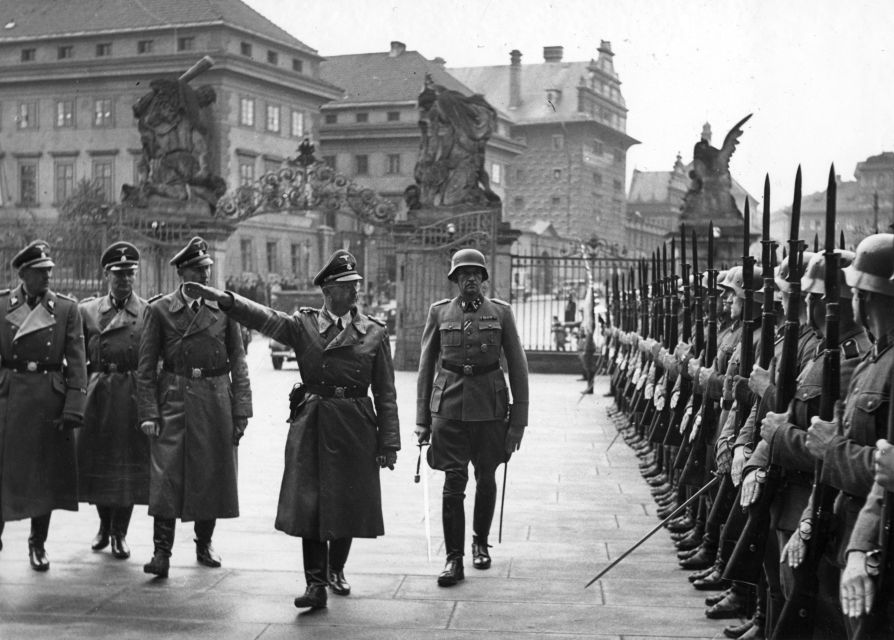
- A straight-line timeline from Nazi control to Communist Normalization to 1989’s Velvet Revolution
- Key Prague landmarks like Municipal House, Jewish Quarter, Dancing House, and Wenceslas Square
- Operation Anthropoid context, including the assassination of a top Nazi security figure and its fallout
- Local perspective and good pacing so 150 minutes feels full, not rushed
- Film and story follow-ups (including recommended movies like Anthropoid and Munich)
- Dark history without whitewashing, including the way power was taken and used
Starting At Týnská: How the Tour Gets You Oriented Fast
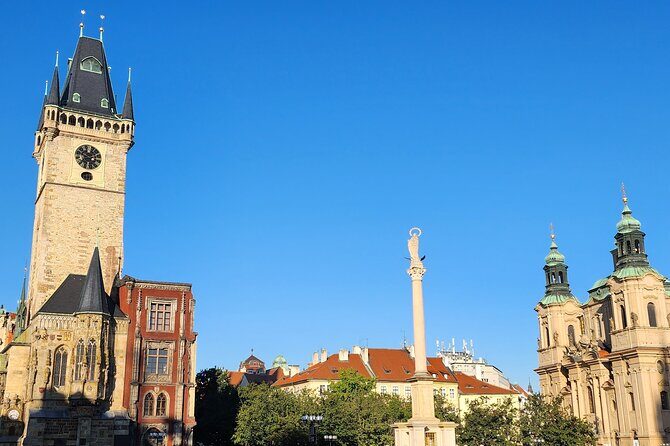
The experience begins at Týnská 639/4, Staré Město, right in Prague’s Old Town. That location matters because it helps you “read” the city before the tour starts jumping eras. Prague can look seamless—beautiful facades, pretty streets, riverside views—but the 20th century layers are all there if you know where to look.
From the start, the guide frames what you’re about to see: how Nazi occupation transformed everyday life, how resistance and uprising followed, and how power later shifted again under Communism. You’ll notice the tour doesn’t treat WWII and Communism like two separate chapters. Instead, it shows how one trauma leads into the next—occupation into upheaval, then into a new system of control.
This is one of the reasons the tour is so satisfying even for people who are not lifelong history buffs. You don’t need background knowledge. You just need to keep up with a story that moves like a chain reaction.
You can also read our reviews of more tours and experiences in Prague.
WWII in Prague: Nazi Rule, Resistance, and the Assassination Site
The tour’s WWII portion isn’t just dates and uniforms. It’s about the way occupation changed the city’s mood—who felt protected, who felt hunted, and how resistance survived anyway.
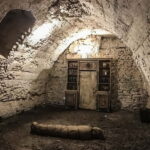
A standout part is the focus on where a top Nazi security leader was assassinated. The experience ties this event to Operation Anthropoid, and it also includes a stop connected to the resistance network, with many guides taking you to the crypt/church area associated with Czech resisters hiding there. Reviews specifically mention the emotional weight of visiting the church/crypt, and how the guide’s narrative makes the setting feel immediate.
Even if you already know the name Heydrich, you’ll likely learn something new about how the assassination played out on the ground. The tour doesn’t stop at the dramatic act; it explains the aftermath—especially the brutal retribution that followed. That matters because it shows a hard truth: resistance could strike, but it also triggered reprisals that swept up ordinary people.
You’ll also hear about the Czech uprising and the “letdown” that followed. The wording varies by guide, but the idea is consistent: hope rises, then reality hits. That emotional rhythm is one reason the walk works. It doesn’t just inform—you feel the turning points.
The Communist Coup to Normalization: How Control Replaced Chaos
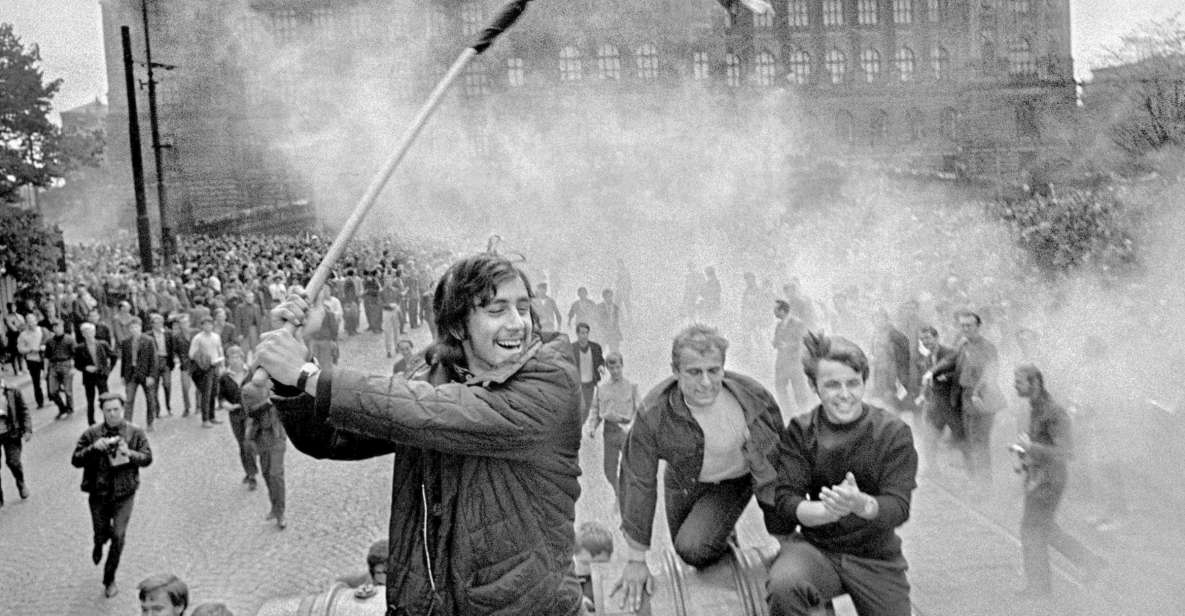
After the Nazi occupation story comes the next painful shift: the Communist coup and the years that followed. This is where the tour earns trust, because it doesn’t pretend the transition was neat or heroic from everyone’s perspective. It treats the era as complicated and often grim.
The guide moves from post-WWII turmoil into Communist Normalization, a period defined by tightening control after earlier attempts at reform. You’ll hear about the disappointment that followed the end of hope—and then the way the state enforced conformity.
The tour also touches on cultural and civic pressure points that many visitors remember from history books but don’t understand as lived experience. You’ll learn about the persecution of the Plastic People of the Universe—a band and scene targeted because it represented independent culture—and you’ll hear about Charta 77, the civic initiative tied to rights and dissent. These aren’t random side topics. They help explain how Communism worked beyond politics. It worked on art, language, public life, and who was allowed to speak.
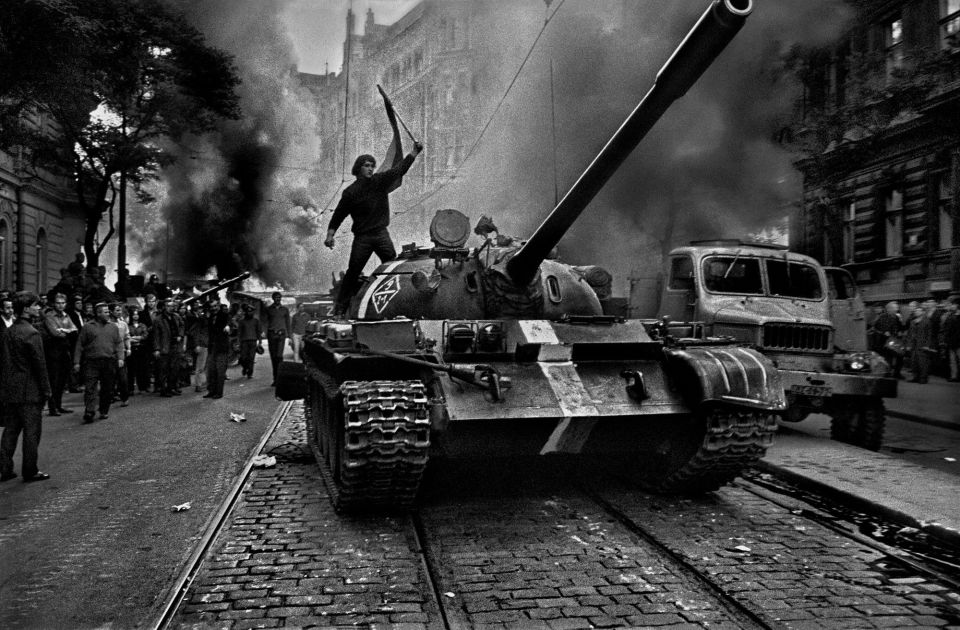
Then comes the shock that ended even limited reform: the Warsaw Pact invasion and the crushing of the Prague Spring’s optimism. If you want a simple way to remember this section, think of it as: reform, suppression, then routine control.
This portion is often what separates a decent history walk from a truly memorable one. The guide’s job is to connect the politics to the streets you’re standing on—so you leave seeing Prague as a place where public space and private fear were linked.
Velvet Revolution Places: Havel, Dissidents, and Sudden Public Hope
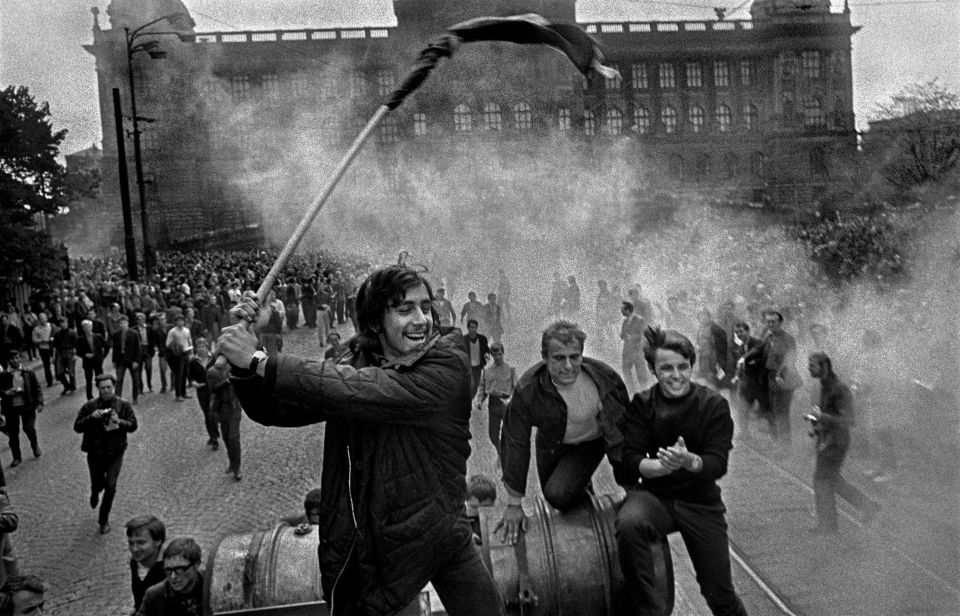
The final act of the story is where Prague starts to feel lighter—without becoming fake or rose-colored. The Velvet Revolution of 1989 brought euphoria after years of repression, and the tour frames this as a real human shift: dissidents, activists, and wider society gaining enough momentum to change the future.
You’ll hear about Václav Havel and the eclectic group of dissidents who helped push change forward. The best guides in this experience make this chapter feel less like a slogan and more like a movement. They explain how dissidents weren’t just “angry people”—they were organized, vocal, and persistent even when the system tried to erase them from public life.
As you walk, you’ll also be shown where that hope showed up in Prague’s public life. Stops such as the Municipal House and Wenceslas Square help make the point: political turning points don’t stay in archives. They show up in crowds, speeches, and the re-use of public space.
Even if you already know what the Velvet Revolution achieved, this tour is useful because it connects the achievement to the earlier decades of pressure. By the time 1989 arrives, you understand why it felt like more than politics. It felt like oxygen.
Jewish Quarter Stop: WWII’s Impact You Can’t Skip
The tour includes the Jewish Quarter, and this isn’t included as a decorative add-on. It’s part of the wider WWII narrative: Prague’s Jewish community was central to the city’s culture before the war—and tragically became one of the groups most targeted during Nazi rule.
What makes this stop valuable is how it functions in the overall story. It adds human scale to the occupation portion, reminding you that the era’s policies had real victims and real losses, not just military outcomes.
Depending on the guide and timing, you might get extra context that ties the Jewish Quarter to resistance, survival, and the city’s later rebuilding. Either way, the key point is that the tour uses the neighborhood to show how WWII damage wasn’t abstract. It changed who Prague was, and it changed what came after.
If you’re sensitive to heavy themes, this is one of the moments where you’ll want to slow down and let the guide’s framing do its work.
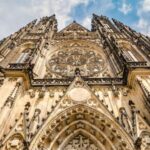
Municipal House and Dancing House: Two Buildings, Two Signals
Two of the most talked-about visual stops are the Municipal House and the Dancing House. They look like classic Prague landmarks—but in this tour they’re used like chapter headers.
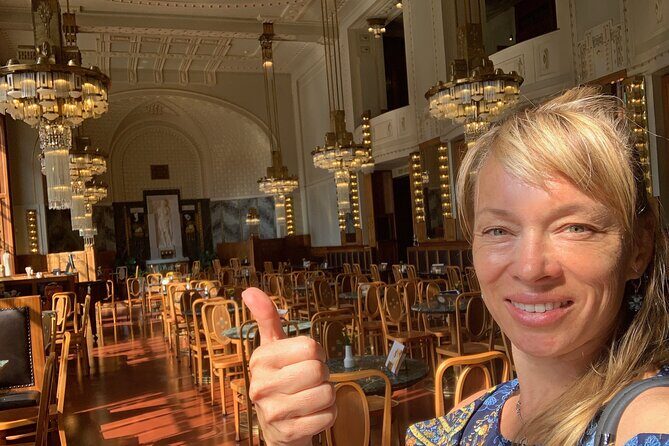
The Municipal House ties into the broader story of civic life and public identity. It’s a place that helps you see how Prague’s culture and governance show up in architecture. In other words: even when the political system changes, the city keeps projecting its character through major public buildings.
The Dancing House adds another angle. It’s modern, expressive, and slightly off-beat in feel. On this kind of tour, that matters because it contrasts the brutal straight lines of dictatorship with a city that later finds new ways to express itself. You’re not supposed to treat it as “just a photo spot.” You’re meant to connect it to Prague’s later evolution after periods of control—when the city could once again breathe and build differently.
Put those together and you get a useful lesson for visitors: buildings aren’t neutral. They carry the era that shaped them and the era that chose to display them.
Wenceslas Square: Where Politics Shows Up in Everyday Motion
The walk ends (or near-ends) with Wenceslas Square, and it’s one of the best choices the tour makes. This is one of Prague’s main public stages, the kind of place where demonstrations, speeches, and crowds naturally happen.
In a tour about WWII and Communism, that choice is practical. It gives you a recognizable setting for understanding how public life changes when regimes change. Even if you’ve never studied Czech politics, Wenceslas Square helps you picture how people gathered, how they protested or celebrated, and how the state’s relationship with the street evolved over time.
It’s also a good reminder that the 20th century isn’t sealed in museums. It lives in the habits of public space—how people move, wait, meet, and react to power.
If you’re the type who likes to connect history to current city feel, this stop is satisfying. You see the bridge between past and present without forcing it.
Film Suggestions and Story Follow-Ups: What to Ask Your Guide
One of the nicest “bonus” elements isn’t a formal extra—it’s the guide’s habit of pointing you toward follow-up material. A clear example: guides have recommended films like Anthropoid and Munich to build context around events discussed on the walk.
You don’t need to watch everything. But if you want the tour to stick, asking your guide what to watch next is smart. It’s also a good way to keep your experience active after you leave. The best history walks create a second learning session at home—and these guides seem to know that.
Also, if you’re visiting during cooler weather or rain, this tour is built for the real world. Reviews mention guides keeping energy up even in downpours, which matters because Prague weather doesn’t care about your plans.
Duration, Walking Pace, and How to Plan Your Day
This is a 150-minute tour, so it sits in a sweet spot: long enough to build a full storyline, short enough to fit between museum visits and dinner plans. You’ll be walking through multiple city areas, and the pace is meant to keep the narrative moving without turning into a marathon.
Here’s how I’d plan your day around it:
- Schedule it earlier rather than late. You’ll carry the history into the rest of Prague.
- Wear shoes you can move in. It’s a walking tour with multiple stops.
- Keep some time for questions. Many guides answer thoroughly, especially when you ask about the relationship between WWII resistance and later Communist repression.
A few guides also add context stops like museum time connected to Operation Anthropoid, and some reviews mention assistance with a tram ticket to save walking time. That means the tour can feel flexible without losing structure—just don’t assume every added moment will happen every day.
Price and Value: Why $34 Can Feel Like a Steal
At $34 per person, this tour offers strong value if you care about accuracy and storytelling. The price sounds low compared with many specialty tours, and one review notes it was almost half the price of other options. That’s not just about cost. It’s about getting a lot of narrative structure in a short time window.
What you’re really paying for is:
- A focused route through major 20th-century turning points
- A guide who can explain big systems without turning them into slogans
- Stops tied to real events, including Operation Anthropoid and the Communist-era repression story
The recurring praise is that the time flies by. Guides are described as energetic, funny at times, and able to hit the right level of depth without turning the walk into a lecture. That balance is rare, and it’s exactly what you want when the subject is heavy.
If you’re the kind of traveler who wants to understand Prague beyond its postcard views, this is one of the better uses of your hours.
Who Should Book This, and Who Might Want to Skip It
You should book this if you:
- Want a clear WWII-to-Communism-to-1989 timeline you can remember
- Like walking tours where the setting matters
- Are okay with difficult themes like occupation, reprisals, political repression, and censorship
You might hesitate if you:
- Prefer light entertainment sightseeing
- Get uncomfortable with political history presented with honest consequences
Also, if you love Czech history, you’ll probably enjoy the way this tour connects culture to politics—Plastic People of the Universe and Charta 77 are good examples of that.
Should You Book the Prague WWII and Communist History Tour?
If your goal is to understand Prague’s 20th century without getting lost in facts, this tour is an excellent choice. It’s priced like an easy add-on, but it delivers real structure: Nazi occupation, resistance, the Communist shift, Normalization, the Prague Spring’s collapse, and 1989’s euphoria—mapped onto real buildings and real streets.
Book it if you want meaning behind the landmarks. Skip it if you want only scenic sightseeing. For most people who come to Prague curious, this is one of the best “story-to-streets” walks you can do.
FAQ
What is the length of the tour?
The tour lasts 150 minutes, which is about 2.5 hours.
Is this a walking tour?
Yes. It is a 2.5-hour walking tour.
Where does the tour meet?
The meeting point is Týnská 639/4, Staré Město, 110 00 Praha-Praha 1, Czechia.
What language is the tour guide speaking?
The live tour guide speaks English.
What sites and areas are included?
The experience includes key Prague locations connected to the WWII and Communist era story, including the Municipal House, Jewish Quarter, Dancing House, and Wenceslas Square.
Does the tour cover both WWII and the Communist period?
Yes. The tour includes the Nazi occupation and resistance, the Communist coup, Prague Spring, Warsaw Pact invasion, Normalization, and the Velvet Revolution.
Is the guide included?
Yes. The tour includes a live tour guide.
What is the cancellation policy?
You can cancel up to 24 hours in advance for a full refund.
Is there a reserve and pay later option?
Yes. You can reserve now and pay later, keeping your travel plans flexible.