REVIEW · PRAGUE
Prague: Tyn Church Classical Music Concert
Book on GetYourGuide →Operated by ClassicsInternational · Bookable on GetYourGuide
Prague sounds different in Týn Church.
This 70-minute classical concert turns the Church of Our Lady before Týn (Old Town Square) into a real live-sound experience, not just a pretty stop. I love the way the venue lets major composers like Bach and Mozart come through with clarity. I also love the lineup of headline soloists, including soprano Anda-Louise Bogza, organist Aleš Bárta, and violin soloist Vlastimil Kobrle.
There is one watch-out: at 70 minutes, the program packs in famous music quickly. If you want long, slow “sit and talk about the music” time, this is more of a performance-and-go show than a full deep-detailed evening.
In This Review
- Key takeaways before you buy
- Týn Church Acoustics: Old Town Square Meets Real Concert Sound
- The Performers: Prague Philharmonic Strings Plus Three Featured Soloists
- The 70-Minute Program: A “Name-Composer” Set That Still Feels Planned
- Vivaldi: The Four Seasons (Spring & Summer)
- Bach: Magnificat, then Jesu, Joy of Man’s Desiring
- Beethoven: Symphony No. 5 (Allegro)
- Schubert: Ave Maria
- Bach + Smetana + Handel: Sacred, tone painting, and opera-style beauty
- Mozart and Pachelbel: lighter mechanics, satisfying closure
- Mozart: Requiem (Lacrimosa)
- What It Feels Like On the Ground: A Straight 70 Minutes of Listening
- Value Check: Is $36 a Good Deal for This Lineup?
- Who Should Book This Concert (And Who Might Skip It)
- Practical Tips for Your Night at the Church of Our Lady before Týn
- Should You Book This Týn Church Classical Music Concert?
- FAQ
- How long is the concert?
- Where does the concert take place?
- What is included with the ticket?
- Who performs at the concert?
- What pieces are in the concert program?
- How much does it cost?
- Are unaccompanied minors allowed?
Key takeaways before you buy
- Historic Týn Church setting in Old Town Square, built for listening
- Anda-Louise Bogza as a featured soprano for big aria moments
- Aleš Bárta on organ, well known for his Bach recordings
- Vlastimil Kobrle on violin, with major spotlight passages
- A music-heavy program that jumps from Baroque to Classical to Romantic tone painting
- 70 minutes of pure concert time with a printed program included
Týn Church Acoustics: Old Town Square Meets Real Concert Sound
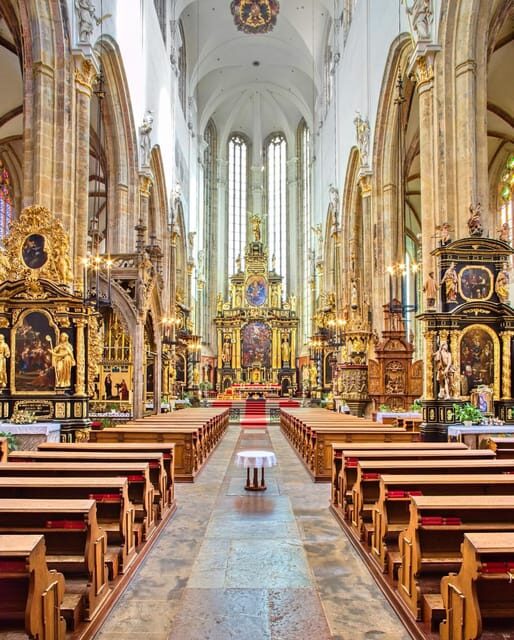
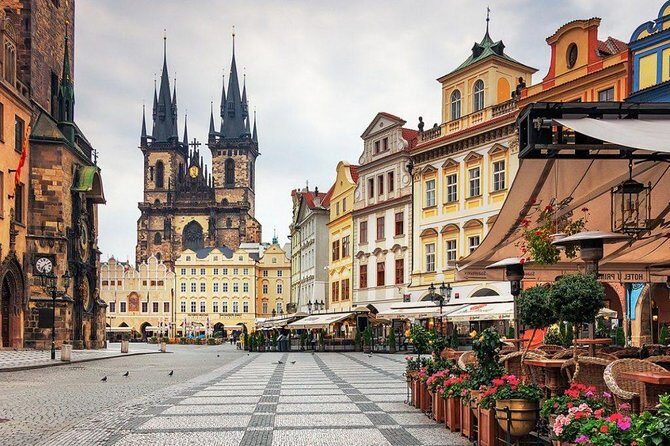
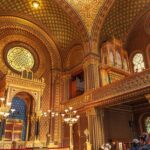
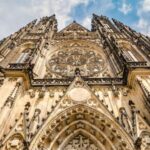
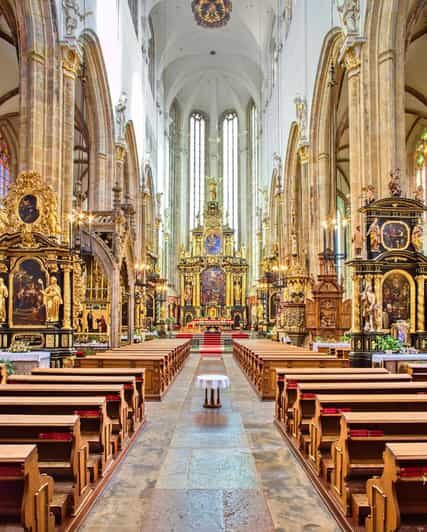
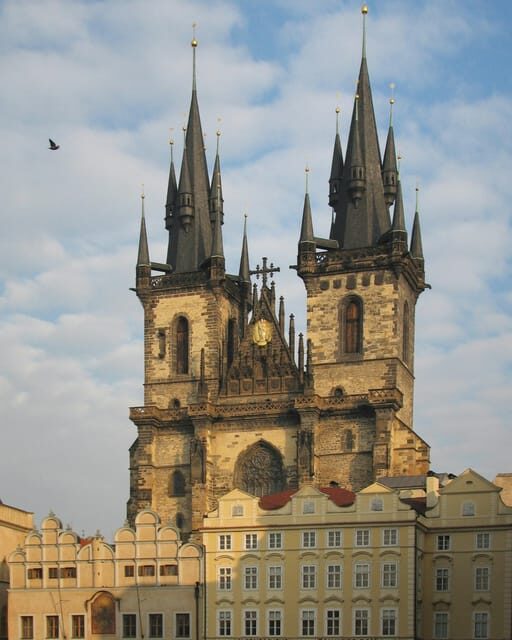
You’re not just attending a concert in Prague. You’re stepping into one of the city’s most distinctive church interiors, the Church of Our Lady before Týn, right by Old Town Square. That matters because music changes depending on where it lands. In a space like this, strings, voices, and organ don’t feel like separate events. They feel like one connected sound world.
What I like about this venue choice is that it supports both drama and detail. The concert includes music that needs crisp rhythm (think Beethoven), music that benefits from lyrical phrasing (think Schubert and Handel), and music that thrives on architectural resonance (think organ, and also the broader orchestral writing in works like Smetana’s Vltava). In other words, the program isn’t just famous by name. It’s famous because it works with the kind of sound a church like this can create.
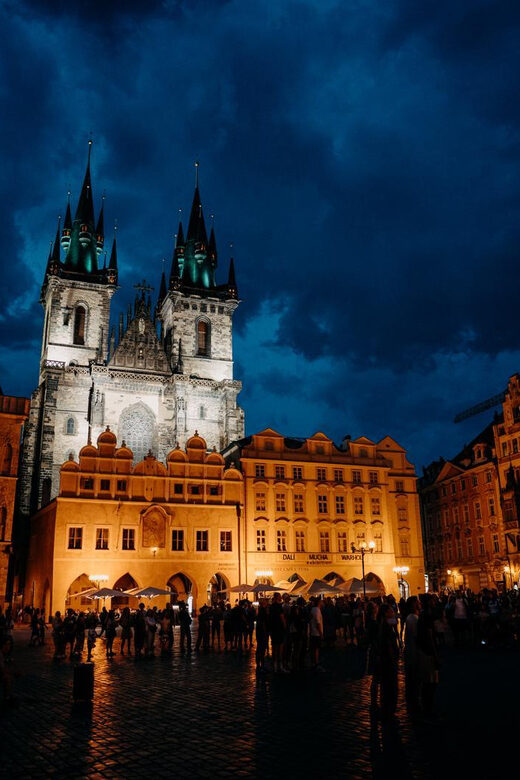
One practical thing: because it’s in the center of Prague’s Old Town, you can build a simple evening plan around it. You can catch a pre-concert wander for photos and then come in ready to listen, without needing any special transport planning.
You can also read our reviews of more tours and experiences in Prague

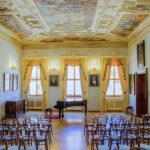
The Performers: Prague Philharmonic Strings Plus Three Featured Soloists
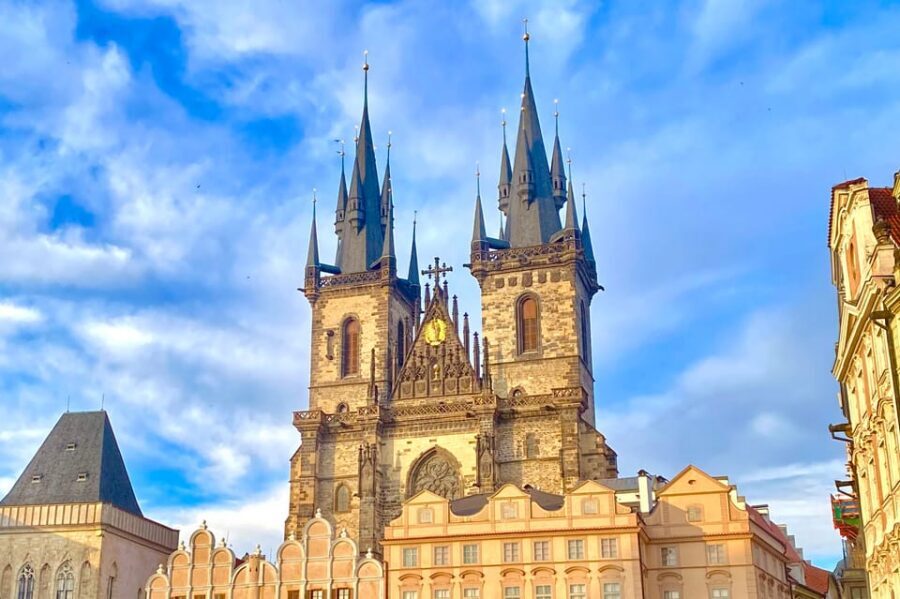
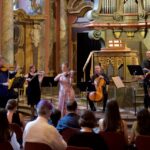
The core ensemble comes from the strings section of the Prague Philharmonic Orchestra. That gives the concert a focused sound—less “band of everything,” more “strings forward,” which helps you follow melodies and inner lines as the program moves across composers.
Then the three soloists bring major star power:
- Anda-Louise Bogza (soprano): She’s featured for the vocal works in the program, including Bach and Mozart-style sacred-leaning pieces and opera-inspired moments like Handel. If you care about clear diction and expressive line, this is a smart booking.
- Aleš Bárta (organ): The concert includes an organ solo by a performer known for his Bach recordings. Organ music isn’t just about volume. It’s about structure—how patterns breathe, how harmonies stack, how lines stay readable even in a big hall.
- Vlastimil Kobrle (violin soloist): Your violin spotlight moments are the kind that classical audiences line up for. When a concert features a named violinist and then schedules works like Vivaldi’s Four Seasons material, you should expect the violin to carry real musical weight, not just sit in the background.
In the end, this lineup is built for variety without feeling random. Strings anchor the sound, and the soloists let the famous melodies hit with the right emphasis.
The 70-Minute Program: A “Name-Composer” Set That Still Feels Planned
The program is 70 minutes of heavyweight classics, moving in a way that keeps your ear awake even if you only know a few themes.
Here’s how the music is laid out, and what each section does for you:
Vivaldi: The Four Seasons (Spring & Summer)
Starting with Spring & Summer from The Four Seasons is a strong choice. These movements have that instantly recognizable energy—bright phrasing, vivid pacing, and violin-forward writing. They also set expectations: this concert won’t be a museum-like recital. It’s meant to feel alive.
Bach: Magnificat, then Jesu, Joy of Man’s Desiring
You get two Bach moments, which is a nice balance: Magnificat brings gravity and structure, while Jesu, Joy of Man’s Desiring is all about singing line and emotional warmth. If you like hearing how the same composer can write both architectural and tender music, this is where you notice it.



Beethoven: Symphony No. 5 (Allegro)
Beethoven’s Symphony No. 5 is basically musical shorthand for momentum and drama. Even when you hear only the Allegro portion, it changes the energy level in a hurry—rhythm becomes the storyteller.
Schubert: Ave Maria
A quick shift into Schubert is refreshing. Ave Maria is the kind of piece that gives your ear a breather and lets the soprano’s phrasing do more than hit notes—it shapes the mood.
Bach + Smetana + Handel: Sacred, tone painting, and opera-style beauty
After Schubert, the concert keeps moving:
- Bach: Jesu, Joy of Man’s Desiring returns you to that calm, singable comfort.
- Smetana: The Moldau (Vltava) turns music into picture-making. Vltava is famous because it feels like a landscape you can hear—even if you don’t have perfect musical training.
- Handel: Ombra mai fu from Xerxes is an aria moment that’s elegant and human. It’s a smart “everyone recognizes the style” piece.
Mozart and Pachelbel: lighter mechanics, satisfying closure
The program then leans into Classical clarity:
- Mozart: Divertimento in D Major brings playful phrasing and clean orchestral movement.
- Pachelbel: Canon and Gigue in D Major gives you one of the most recognizable chord-and-melody frameworks in Western music. It’s also a great test of ensemble tightness—when the canon lands cleanly, it feels effortless.
Mozart: Requiem (Lacrimosa)
Ending with the Lacrimosa is a powerful final note. It’s dramatic, it’s emotional, and it’s the kind of ending that makes you sit a second longer in your seat because the sound has weight.
One more bonus: with the organ solo included (by Aleš Bárta), you get at least one moment where the sound engine of the room becomes part of the show. Even if you only know a few Bach melodies, the organ feature can make you appreciate why people talk about organ performance in the same breath as great keyboard art.
What It Feels Like On the Ground: A Straight 70 Minutes of Listening
This concert is built around a simple promise: you get ticketed entry, a printed concert program, and a focused listening session for about 70 minutes.
That matters in a city like Prague where evenings can turn into a blur of transit lines, crowded dinner spots, and last-minute decisions. Here, you have a defined time box. You can plan around it without turning your night into a chase.
The church setting also helps you stay present. You don’t need to “translate” the experience into something else. The room does the work: the music carries, the acoustics support the melodies, and the soloists give you clear moments of attention.
Also, the program length means you won’t be stuck through slow stretches. It’s a thoughtful sequence of famous works—some uplifting, some solemn, some rhythm-driven—so your ear keeps switching gears.
And yes, it’s absolutely reasonable to treat this as both a concert ticket and a cultural stop. The Týn Church isn’t a background detail. It’s part of why the concert feels worth doing in the first place.
Value Check: Is $36 a Good Deal for This Lineup?
At $36 per person for a 70-minute concert, the best way to judge value is to look at what you’re getting, not just the price tag.
You’re paying for:
- A major Prague-based ensemble (Prague Philharmonic Orchestra strings)
- Three named soloists (soprano Anda-Louise Bogza, organist Aleš Bárta, violin soloist Vlastimil Kobrle)
- A program with big, widely loved composer names, from Vivaldi and Bach to Beethoven, Mozart, Smetana, and Handel
- A printed concert program, which is genuinely useful if you want to follow along
In plain terms: this isn’t an anonymous “generic classical night.” It’s a ticket that focuses money where music listeners care—on performers and on works that land well in the venue.
If you love classical music but don’t want a multi-hour event, this is also a smart price-to-time match. Two hours plus breaks can blow up your plans. Seventy minutes keeps it focused.
And if you’re new to classical music, you still get plenty of recognizable pieces, plus the chance to hear an organ solo in a historic Prague church, which is the kind of experience you don’t recreate easily later.
Who Should Book This Concert (And Who Might Skip It)
I think this concert fits best if:
- You want a high-impact, shorter classical experience rather than a full evening of uncertainty
- You like the “big name” composers and want them in one ticketed package
- You want an authentic Prague night that’s not only sightseeing
- You care about vocal expression as well as instrumental playing, since the program includes soprano features and a violin spotlight
You might consider skipping if:
- You want extensive background commentary or long, slow-moving sections
- You’re traveling with someone who needs a more flexible schedule than a strict 70-minute performance block
- You’re bringing unaccompanied minors (see below)
Practical Tips for Your Night at the Church of Our Lady before Týn
Here’s how to make the evening feel smooth.
First, give yourself a little time to get your bearings in Old Town Square. This church is right where you’ll want to be walking anyway, so you can plan for a quick warm-up stroll and then arrive ready to listen.
Second, use the printed program. Even if you only half-follow the names, it helps you catch transitions—like when the concert moves from Bach into Beethoven’s punchy energy, or when it shifts to Smetana’s Vltava storytelling.
Third, be ready for a performance that jumps styles quickly. The program includes Baroque sacred music, Classical instrumental writing, romantic tone painting, and a solemn closing with Mozart’s Requiem. That’s the point. It’s designed to keep variety high without losing coherence.
Finally, this is the kind of ticket that works well when your plans are slightly flexible. The activity notes free cancellation up to 24 hours in advance and a reserve-and-pay-later option, which is handy if you’re juggling dinner reservations or your Prague itinerary.
Should You Book This Týn Church Classical Music Concert?
I’d book it if you want a focused, high-quality classical night in a famous Prague venue. The combination of the Prague Philharmonic strings section and headline soloists (Bogza, Bárta, Kobrle) gives you enough “real performance” to justify the ticket. Then the program does the rest: Vivaldi and Bach for familiarity, Beethoven and Mozart for structure, and Smetana and Handel for that storytelling and aria beauty.
If you’re the kind of traveler who likes doing one standout cultural thing and then getting on with the rest of your evening, this fits your style. Just go in knowing it’s 70 minutes of music, not a long lecture.
FAQ
How long is the concert?
The concert runs for 70 minutes.
Where does the concert take place?
It takes place at the Church of Our Lady before Týn in Prague’s Old Town Square.
What is included with the ticket?
Your ticket includes entry and a printed concert program.
Who performs at the concert?
Musicians from the strings section of the Prague Philharmonic Orchestra perform, along with three soloists: soprano Anda-Louise Bogza, organist Aleš Bárta, and violin soloist Vlastimil Kobrle.
What pieces are in the concert program?
The program includes Vivaldi (The Four Seasons: Spring & Summer), Bach (Magnificat; Jesu, Joy of Man’s Desiring), Beethoven (Symphony No. 5 Allegro), Schubert (Ave Maria), Smetana (The Moldau / Vltava), Handel (Ombra mai fu from Xerxes), Mozart (Divertimento in D Major; Requiem – Lacrimosa), and Pachelbel (Canon and Gigue in D Major).
How much does it cost?
The price listed is $36 per person.
Are unaccompanied minors allowed?
No, unaccompanied minors are not allowed for this activity.