REVIEW · PRAGUE
Prague: Tickets for the Franz Kafka Museum
Book on GetYourGuide →Operated by Discover Prague Tours sro · Bookable on GetYourGuide
Kafka fans, this one’s for you.
This museum ticket is built around one goal: seeing Franz Kafka’s life through primary items and modern exhibit tech. I like that you start with a short, focused briefing so you know what you’re looking at, and then you’re free to explore at your own rhythm. Two things I especially like are the chance to see Kafka’s letters and manuscripts, and the museum’s 3-D installations with audiovisual pieces and a soundtrack. One thing to keep in mind is that the museum can feel small and busy, so a slow, take-everything-in visit may be harder than you’d like.
You meet your guide outside, grab your tickets, and get set up with context before going in. Then it’s you, the exhibits, and your curiosity. If you’re sensitive to crowds or prefer lots of reading time, plan your mindset (and your timing) accordingly.
In This Review
- Key things to know before you go
- Why the Franz Kafka Museum ticket feels like good value
- Meeting your guide at the yellow umbrella
- The museum’s “timeline” feel: Kafka’s Prague in 1883–1924
- Inside the collection: letters, diaries, manuscripts, photographs, and drawings
- How the 3-D installations and soundtrack change the experience
- The museum size and crowding: plan your pace
- What’s included vs. what’s not (so you don’t expect a guide later)
- Practical tips to make your visit smoother
- Who this ticket suits best
- Should you book this Franz Kafka Museum ticket?
- FAQ
- How long is the experience?
- What’s included with the ticket?
- Is there a guide inside the museum?
- What language is the guide in?
- Where do I meet the guide?
- Can I cancel for a full refund?
Key things to know before you go
- 20-minute guided intro outside the museum sets context before you explore on your own
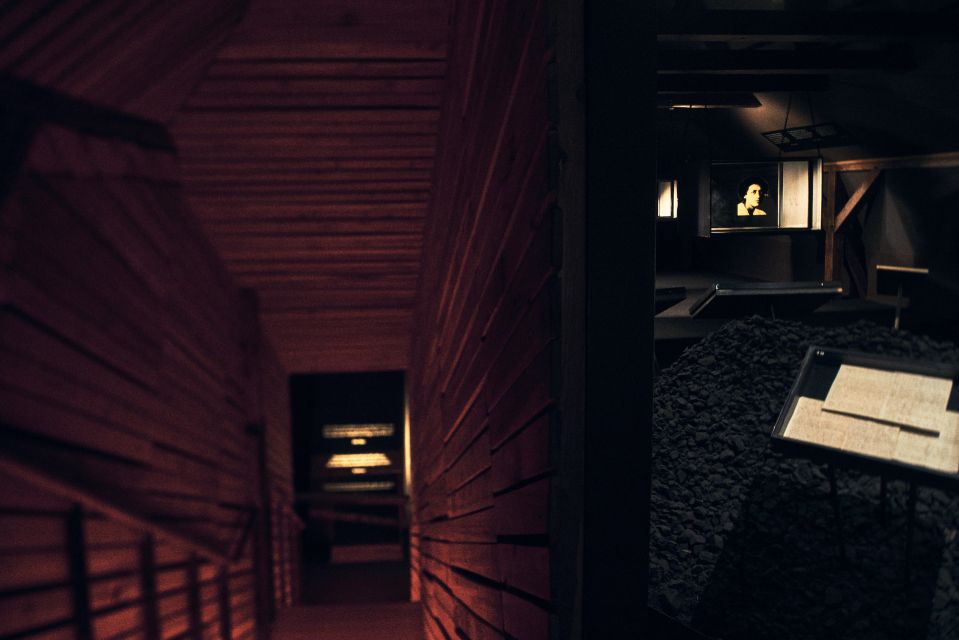
- First editions and personal papers like letters, diaries, manuscripts, photographs, and drawings
- 3-D installations plus audiovisual content and a custom soundtrack make themes feel present
- The visit follows Kafka’s lifetime (1883–1924), so it’s more than a random collection
- No museum guide inside after the introduction, so you’ll rely on exhibit text
Why the Franz Kafka Museum ticket feels like good value
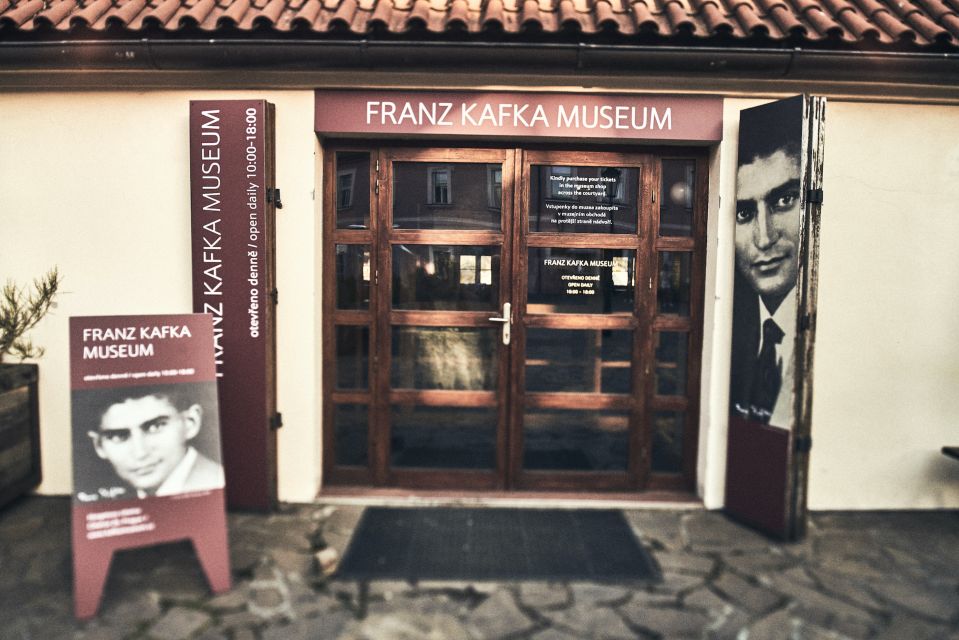
At about $28 per person for a 1-day ticket, this isn’t a huge splurge—especially because you get museum entry plus a live, English introduction before you start. That 20-minute start matters. Without it, a collection like Kafka’s can still be fascinating, but you might miss how the displays connect events, writing, and the man behind the work.
The museum also does something smart for visitors who don’t want to spend hours hunting for meaning: it pairs original documents with 3-D and audiovisual exhibit elements. So you’re not stuck staring at glass cases the whole time, and you’re not only watching presentations either. The mix helps you keep moving, even when you’re tired of reading.
My practical take: if you love literature, original documents, or Prague cultural history, this ticket is the kind of pay-once setup that saves you guesswork. You show up, you get oriented, and you go straight into the good stuff.
You can also read our reviews of more tours and experiences in Prague.


Meeting your guide at the yellow umbrella
Your experience begins with a simple setup: meet your guide at the museum and look for the person holding a yellow umbrella. That detail sounds small, but it’s exactly the kind of thing that prevents wasted time at the start—especially if you’re arriving early or you’re juggling a walk through central Prague.
The guide provides a brief introduction outside the museum and helps start your visit in the right direction. It’s 20 minutes, in English, so it’s enough to give you a framework without eating up your whole day.
One key point for your expectations: the ticket includes this outdoor intro, but it does not include a guide inside the museum. After the introduction, you’re on your own in the exhibits. That means you’ll want to be comfortable reading exhibit labels and letting the displays do the teaching.
The museum’s “timeline” feel: Kafka’s Prague in 1883–1924
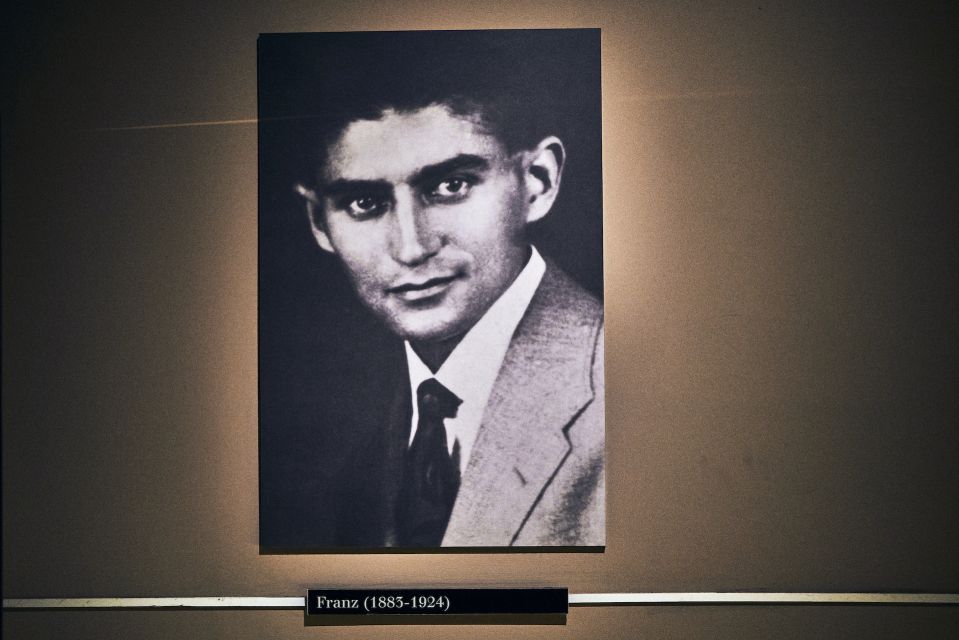
The visit is designed to move you through the period when Kafka was alive and living in the city—1883–1924. For you, that gives the experience a timeline shape. Instead of jumping from one artifact to another with no story thread, you can feel the progression of Kafka’s life alongside the evolution of his writing.
This matters because Kafka’s work can feel intensely personal and sometimes hard to map to real-world events—unless the exhibit guides you with context. The outside briefing is there to help you notice connections while you’re inside.
As you wander, you’re meant to “see first, then think.” You’ll encounter photos, writings, and materials that help you understand Kafka not as a distant literary icon, but as a working person whose mind and habits shaped the pages.
Inside the collection: letters, diaries, manuscripts, photographs, and drawings
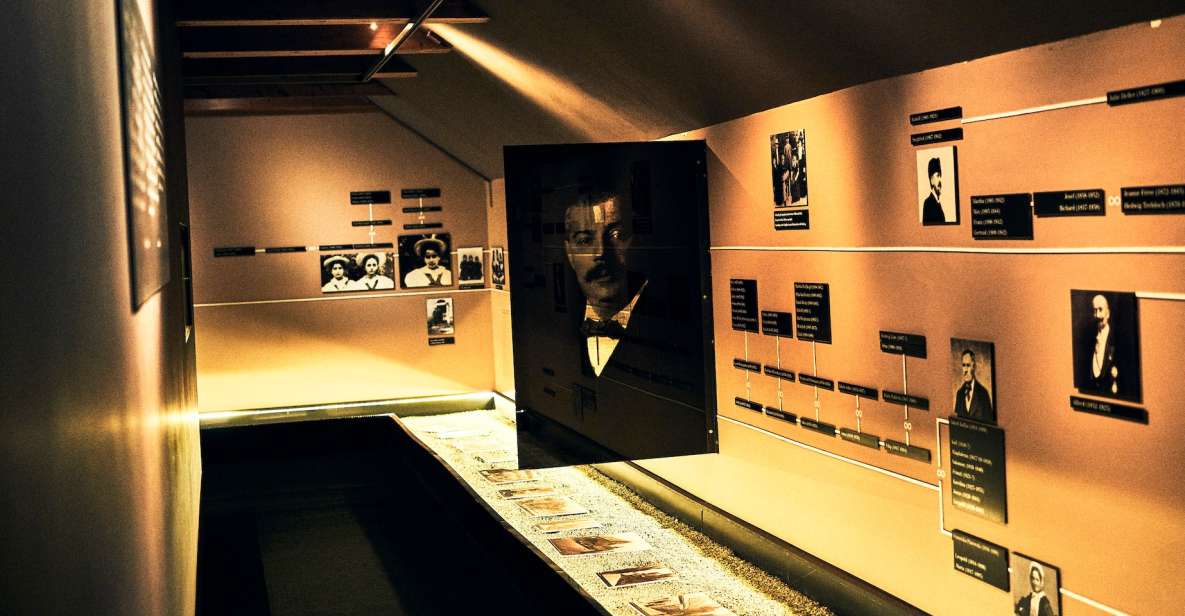
Here’s the core reason to go: you get access to Kafka’s letters, diaries, manuscripts, photographs, and drawings. This is the type of museum content you can’t fake. Reading Kafka’s words, seeing his work-in-progress style, and looking at the documents gives you a different kind of closeness than hearing a summary later.
You’ll also see first editions of Kafka’s works. For many visitors, that’s the highlight because it turns famous titles into tangible objects. Seeing early prints and original material helps you understand why people treat this author as a major figure of 20th-century literature.
A practical note for your visit: if you’re expecting every display to explain the connections in detail, keep your expectations flexible. The museum is small, and exhibit text can vary in how much it spells out. Some parts may feel more “object-forward,” and you may have to infer relationships yourself.
How the 3-D installations and soundtrack change the experience
Kafka museums don’t just have to be about documents. This one adds 3-D installations, audiovisual pieces, and a soundtrack created for the exhibition. That combination is useful because it tackles a real problem: Kafka’s themes—anxiety, bureaucracy, alienation, self-contradiction—can be hard to “see” on paper alone.
The multimedia elements can give you a mood and a tempo, which helps you connect the writing to atmosphere. Think of it like a bridge between reading and feeling. You’re not required to read every line before moving to the next component, and that keeps the visit from becoming only a museum of text.
If you like modern museum design, you’ll probably appreciate this tech layer. If you prefer quiet, object-only spaces, you may want to slow down and treat the media components as optional stops rather than the main event.




The museum size and crowding: plan your pace
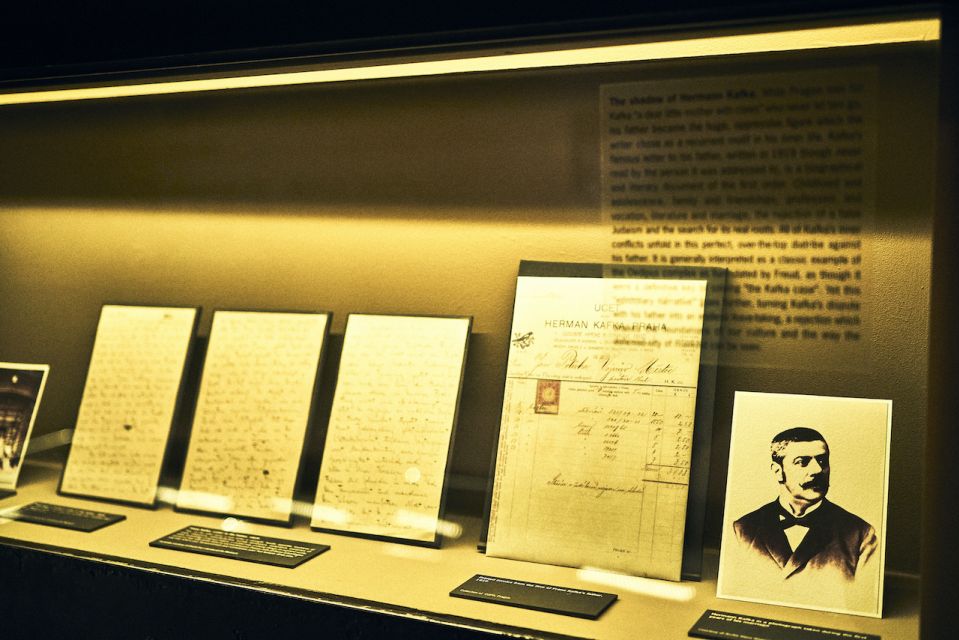
One of the most common practical issues with this experience is that the museum can feel small and crowded. If you like to take your time—linger over each artifact, read every label, and then reread your favorites—go with a strategy.
Your best move is to decide what “must-see” means for you before you walk in. For example:
- If you want the writing materials most: prioritize letters, diaries, manuscripts, and first editions first.
- If you want the modern exhibit parts most: make the 3-D and audiovisual areas a second pass.
Because it’s a compact museum, crowd flow can affect how comfortable you feel in certain rooms. You’re not likely to have endless empty space to read slowly. So instead of trying to consume everything, aim for a smart path: see the major sections, then circle back to what genuinely pulled you in.
What’s included vs. what’s not (so you don’t expect a guide later)
Included with your ticket:
- Entrance to the museum
- A 20-minute guided introduction outside the museum
Not included:
- A museum guide inside the exhibits
That last point changes how you should plan mentally. You’re not signing up for a full guided tour with explanations at each display. You’re signing up for orientation plus self-paced exploring. If you enjoy reading and figuring things out on your own, that’s a great setup.
If you want constant narration, you might find the lack of an in-museum guide limiting. You’d still get plenty from the displays, but you’re doing more of the connecting work yourself.
Practical tips to make your visit smoother
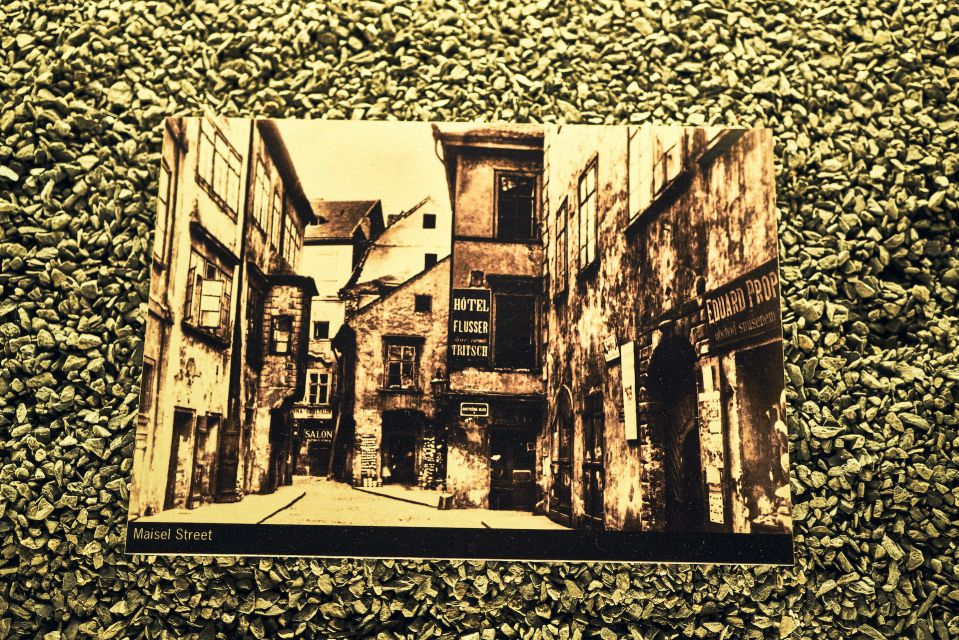
A few small choices will make a big difference:
- Arrive with time to wander. Even if the intro is only 20 minutes, you’ll want buffer time to enter calmly and not feel rushed.
- Use the briefing like a checklist. After the outdoor introduction, mentally note the themes or areas you want to focus on.
- Don’t get stuck reading every label. In a compact museum, reading everything at once can become exhausting fast. Pick your top items and spend your deep attention where it matters most to you.
- Watch the media with intention. If you tend to tune out audiovisual content, take a seat for a minute and treat it like a short performance.
Also, the provider is Discover Prague Tours sro, and the host/greeter is English. If your German or Czech reading is strong, you might enjoy the extra layer of cross-checking translations, but nothing in the ticket depends on that.
Who this ticket suits best
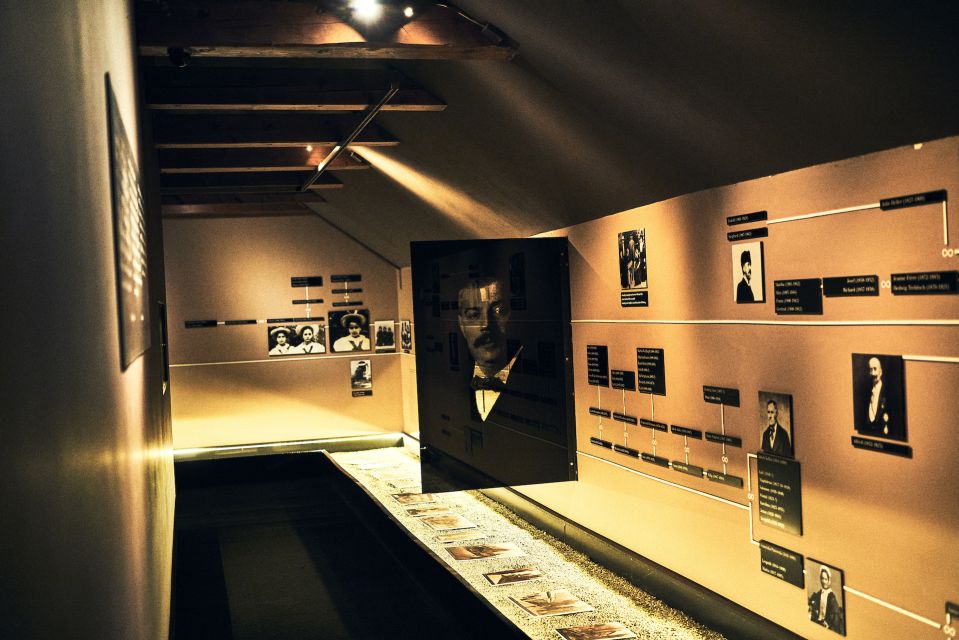
This experience works especially well if you:
- Love literature and want to see Kafka’s original writings and related materials
- Prefer a mix of documents and exhibit technology (3-D, audiovisual, soundtrack)
- Want a guided start, but still like exploring on your own
You might not love it as much if you:
- Hate crowds or feel uncomfortable in tight spaces
- Need constant commentary at every step
- Want every exhibit to be explained in a very detailed way
With a 4.2 rating across 188 reviews, it’s clearly popular, and most people seem to get something valuable from that document-plus-tech approach. Just keep your expectations aligned with the museum’s size and the self-paced format.
Should you book this Franz Kafka Museum ticket?
Book it if you’re excited by the idea of seeing Kafka up close—through letters, diaries, manuscripts, and first editions—and you like the way modern museum design can support harder-to-grasp themes. The short outdoor briefing is also a smart benefit for first-time visitors who want context without committing to a full guided route.
Skip or reconsider if you know you’ll struggle with a small, crowded environment or if you strongly prefer a guide in every room. In that case, you may feel rushed or wish you had more spoken interpretation.
If you’re on the fence, here’s the simple decision rule: if Kafka’s life and writing matter to you, this ticket is a practical way to focus your time in Prague on exactly that—one museum stop that blends paper artifacts with audio-visual storytelling.
FAQ
How long is the experience?
The activity is valid for 1 day, and the ticket includes a 20-minute guided introduction outside the museum.
What’s included with the ticket?
You get entrance to the Franz Kafka Museum plus a 20-minute guided introduction outside the museum.
Is there a guide inside the museum?
No. The ticket includes the guided introduction outside, but it does not include a guide in the museum.
What language is the guide in?
The host/greeter and introduction are listed as English.
Where do I meet the guide?
Meet your guide at the museum and look for the person holding a yellow umbrella.
Can I cancel for a full refund?
Yes. Free cancellation is available up to 24 hours in advance for a full refund.