REVIEW · PRAGUE
Prague: Ticket to Audiovisual Light Art at Lumia Gallery
Book on GetYourGuide →Operated by Feex Factory s.r.o. · Bookable on GetYourGuide
Light gets personal here in Prague. Lumia Gallery turns a huge interactive light space (1400 m² of projections) into a walk-through of audiovisual stories, where the visuals feel like they are responding to you instead of just performing at you. You’ll get large-format video, 3D-style effects, videomapping/LED mapping, and playful room-scale optical tricks that make you look twice.
Before you buy, check this safety note: the exhibition is not suitable for people with photosensitivity or photosensitive epilepsy, and it’s also not suitable for people with vertigo.
In This Review
- Quick take: why this light-art ticket is worth your time
- Lumia Gallery: what a light-art ticket really delivers
- Walking the light maze: how the circuit feels in the dark
- The hands-on moments: sound, motion, and why you’ll want to play
- Mars, ocean, and the galaxy: themed rooms that help you choose where to linger
- Mirror maze and Photo Beast-style keepsakes
- Timing, pace, and where the 1.5-hour visit fits in Prague
- Price and value: is $17 for light art a smart move?
- Who should book, and who should skip it
- Tips to get more out of every room
- Should you book the Lumia Gallery ticket in Prague?
- FAQ
- FAQ
- How long should I plan to spend at Lumia Gallery?
- What does the ticket include?
- Where do I go to enter?
- Is food or drink allowed inside?
- Is this suitable for children?
- Is it wheelchair accessible?
- Is it safe for people with epilepsy or photosensitivity?
Quick take: why this light-art ticket is worth your time
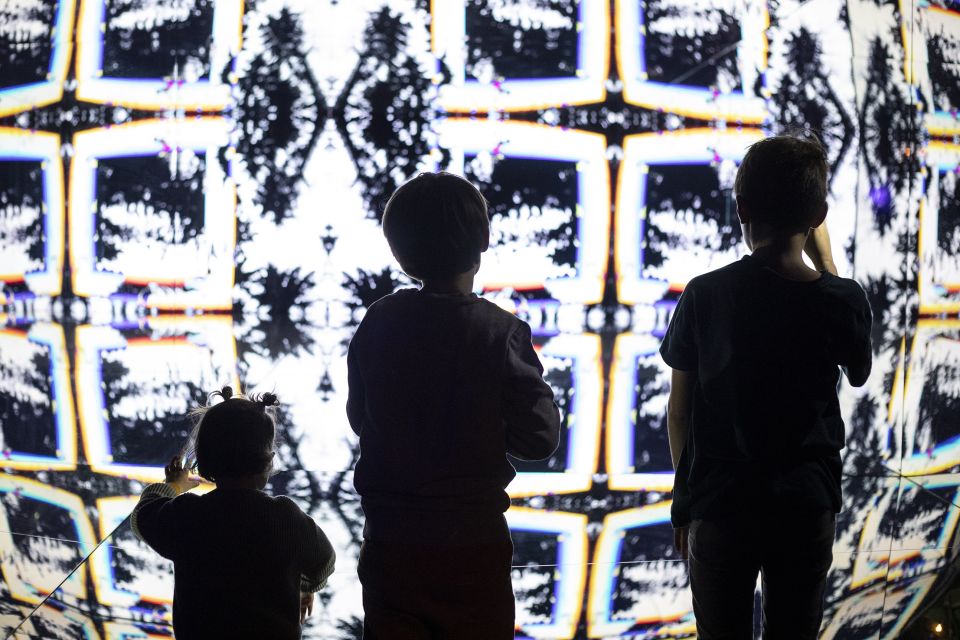
- 1400 m² of big-format audiovisual projection that keeps the room visually moving
- Interactive projections and light effects that react as you play
- Music-synced scenes and sound-to-visual moments that make your ears part of the show
- Optical fun setups like mirror-style rooms plus photo opportunities for simple keepsakes
- Plan about 1.5 hours to see most of it at a comfortable pace
- Wheelchair access on the 2nd floor, with elevator help to reach the 3rd floor on request
Lumia Gallery: what a light-art ticket really delivers
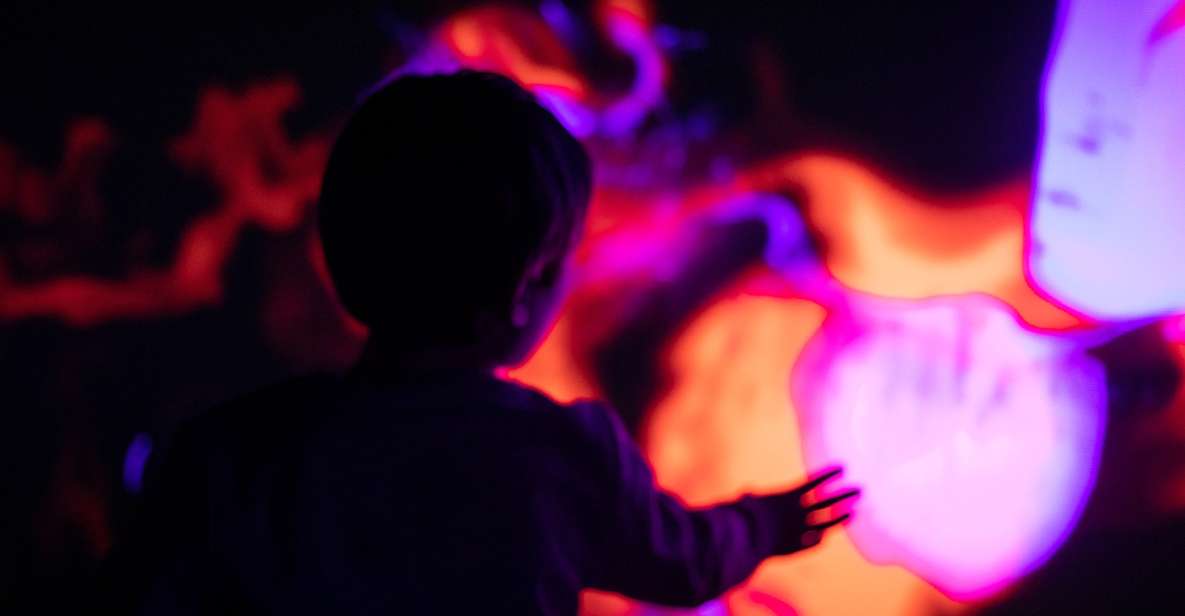
This is a ticket into one of Prague’s biggest indoor playgrounds for digital art. At Lumia Gallery, the focus isn’t a traditional museum route with quiet rooms and labeled art objects. Instead, you’re walking through a dark, high-impact show made from large-format projections and room-scale installations—the kind where you notice light angles, sound timing, and the way your movement changes what you see.
The value is that you’re paying for the chance to participate, not just observe. The description highlights interactive projections, 3D projections, videomapping and LED mapping, and multiple themed scenes—things like a simulated surface of Mars, a dark ocean world, and a spacewalk-style galaxy moment. That’s a lot of variety packed into one indoor ticket.
There’s also a practical upside: it’s built for all ages who enjoy audiovisual entertainment, so it works for families, couples, and solo travelers. Even if you’re not an art-tech specialist, the experience is designed to be readable through your senses—eyes first, ears second, and then your hands when the setup invites you to interact.
You can also read our reviews of more tours and experiences in Prague.


Walking the light maze: how the circuit feels in the dark
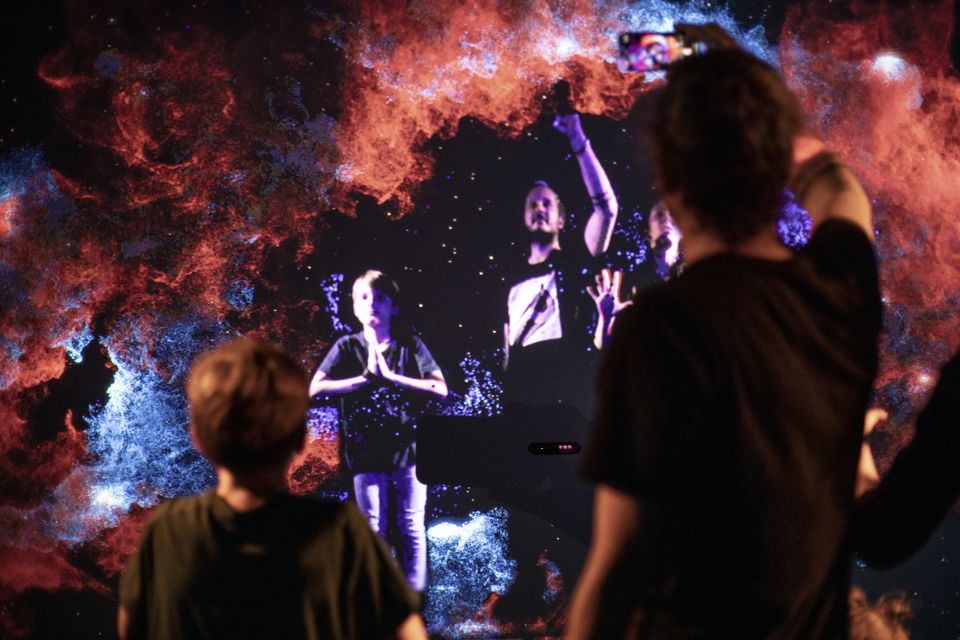
Think of this like a guided-feeling experience without the pressure of a traditional guided tour. You’ll start at the entrance, show your ticket, and then work your way through the installation flow at your own pace. The “labyrinth” idea in the overview isn’t random marketing—this kind of digital-art venue is set up to keep you turning corners, choosing what to watch longer, and drifting between rooms with different visual rules.
Expect a mix of:
- Big video projection spaces that can make the room feel larger than it is
- Interactive projection areas where the visuals behave differently depending on what you do
- Optical rooms that play with reflection and perception, including mirror-maze style effects
What makes this special in a practical way is that you can treat it like a flexible plan for your day in Prague. On a rainy morning or a cold evening, you’re not stuck hunting for another indoor stop. You’re dropping into a controlled environment where the main “weather” is the light show.
One drawback to keep in mind: the experience is packed, but it can still feel quick if you’re the type who expects endless rooms and layers of content. Some people end up wanting more time in each setup. The ticket is still great value for the price, but don’t plan it like an all-day museum.
The hands-on moments: sound, motion, and why you’ll want to play
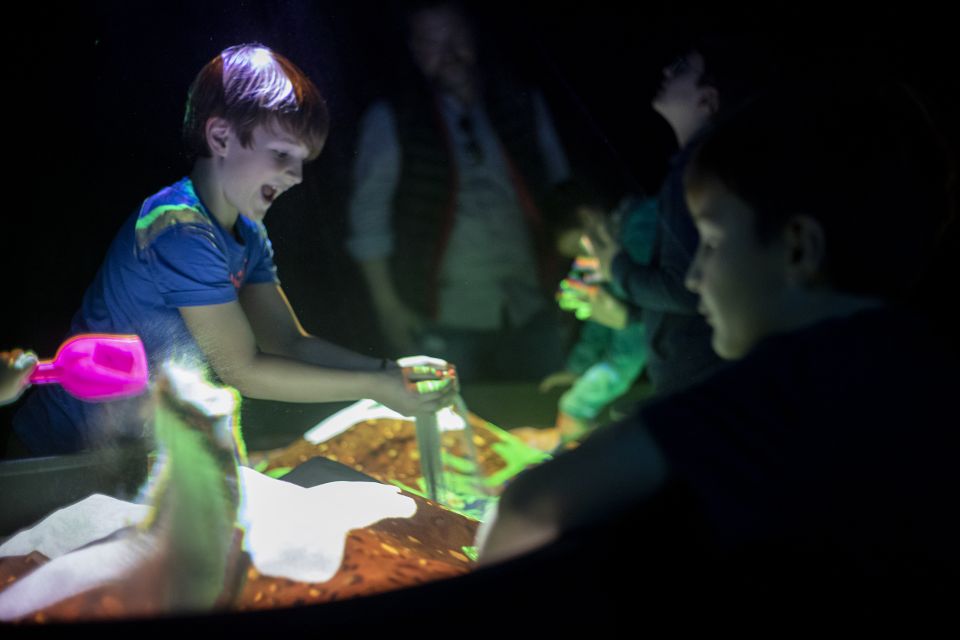
Where this ticket earns its good reputation is the mix of light and sound. The venue description points to scenes that are synchronized with music and installations that animate or react based on audio. That matters because it changes what “interaction” feels like.
Instead of only pushing buttons or following a checklist, you get to participate in a sensory feedback loop:
- You listen
- You watch the visuals respond
- You move a little more
- The installation keeps rewarding that attention
That’s why this is fun for people who usually don’t know what to do in art galleries. The experience is structured so that curiosity is the right behavior.
Some of the concept highlights you’ll likely run into include installations described as:
- Visual representation of sound (sound becomes a visual pattern)
- Holographic-eye style projections (eye/vision as an art theme)
- Animated light trees with sound (audio driving moving light forms)
- Digital sand-style interactions (a playful idea of controlling or disturbing a projected texture)
Even if each room isn’t perfectly interactive in the same way, the overall effect is consistent: you’re not just looking at screens. You’re working inside a designed environment.
Mars, ocean, and the galaxy: themed rooms that help you choose where to linger
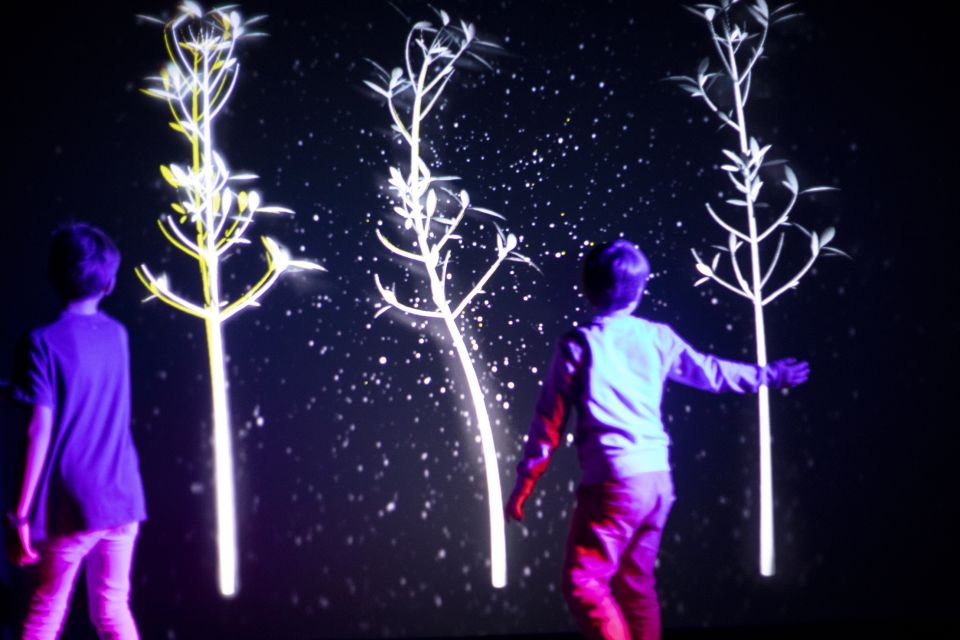
The themed ideas aren’t just for show—they help your brain organize what you’re seeing. When you know you’re entering a Mars-surface simulation, for example, you naturally look for motion patterns and “planet texture” effects. When you move into a dark ocean scene, your attention shifts toward depth and darkness, not just brightness.
This matters because it turns a long visual experience into something you can navigate without getting overwhelmed. You can pick a theme and stay with it until it feels satisfying, then move on to the next.
Here are some theme types mentioned in the exhibition description:
- simulated environments like Mars and deep ocean worlds
- space-scale visuals like a spacewalk through the galaxy
- optical-perception experiences that use mirrors and reflective effects
- installations focused on “light as a medium,” including sound-driven scenes
A practical note: if you’re going at a busy time, you might have to share the best viewing positions in the interactive areas. The venue is designed to be visitor-friendly, but the most responsive parts are always the most popular spots.
Mirror maze and Photo Beast-style keepsakes
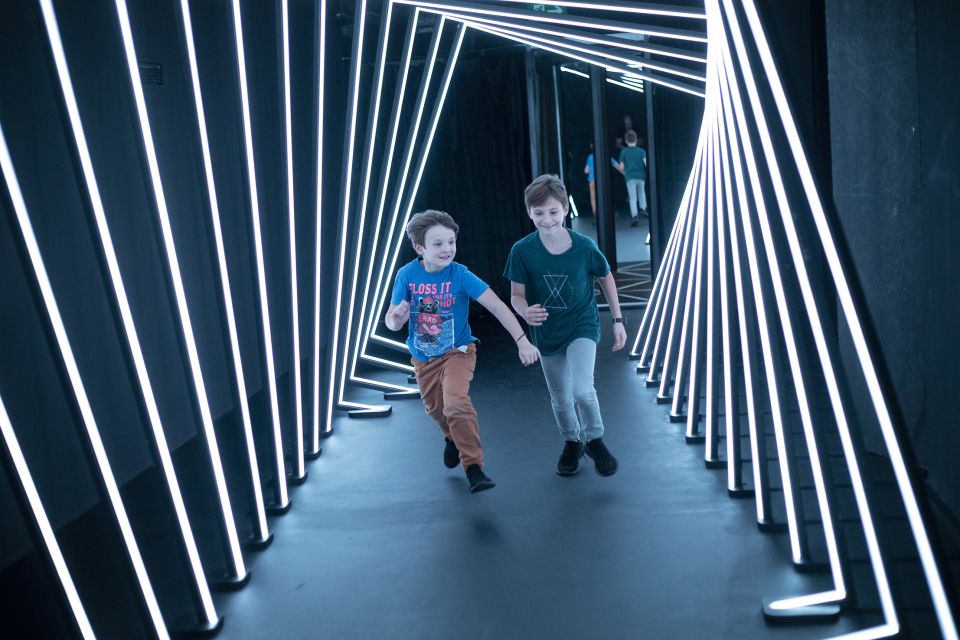
If you like getting a photo that looks more interesting than your usual travel snapshot, this is one of the stronger attractions in the venue. One of the named highlights in the visitor feedback is a mirror-related space, and another is a photo-style moment people mention as a fun keepsake.
Mirror rooms can be hit-or-miss in some venues, but here the whole space is built around projection and optical effects. That means you’re not just bouncing off your own reflection—you’re mixing yourself into a light environment, and that usually produces more “wow” images with less effort.
If you’re planning photos:
- expect some setups to reward your position and angle
- consider taking a few test shots early, then settling into what the room is doing
- don’t block the interactive area for other people
The nice part is that even when your photo plan isn’t perfect, the act of playing with the mirror/optical effects usually stays fun. You’ll get value whether your camera skills are top-notch or not.




Timing, pace, and where the 1.5-hour visit fits in Prague
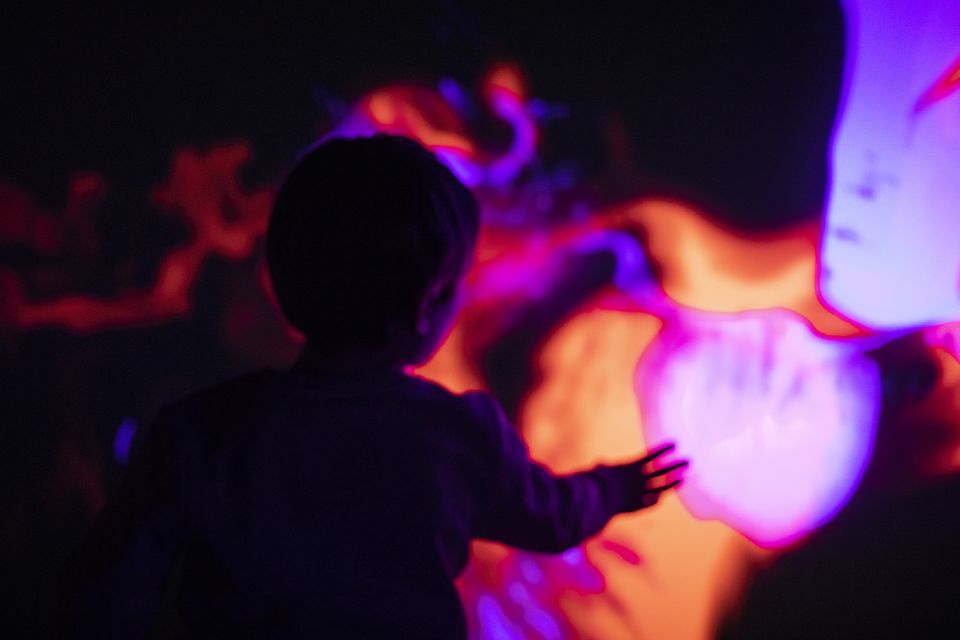
A solid plan is to treat this as a 1 to 1.5 hour activity. People commonly report about an hour and a half in the venue, which makes sense: you’ll want time for the interactive rooms, plus enough wandering to re-watch the most impressive projection scenes without feeling rushed.
Also check timing based on what’s available when you book. The ticket is valid for 2 months, but starting times depend on availability, so you’ll want to choose a slot that fits your day. If you’re doing this after sightseeing, keep your schedule flexible enough that you don’t feel stressed when you finish.
Because the ticket price is $17 per person (entry only), the big value question is: do you want a high-sensory, hands-on indoor experience during your Prague stay? If yes, it’s a straightforward add-on. If you’re only looking for a calm, quiet museum visit, you may feel like you’re paying for an entertainment-style format.
Price and value: is $17 for light art a smart move?
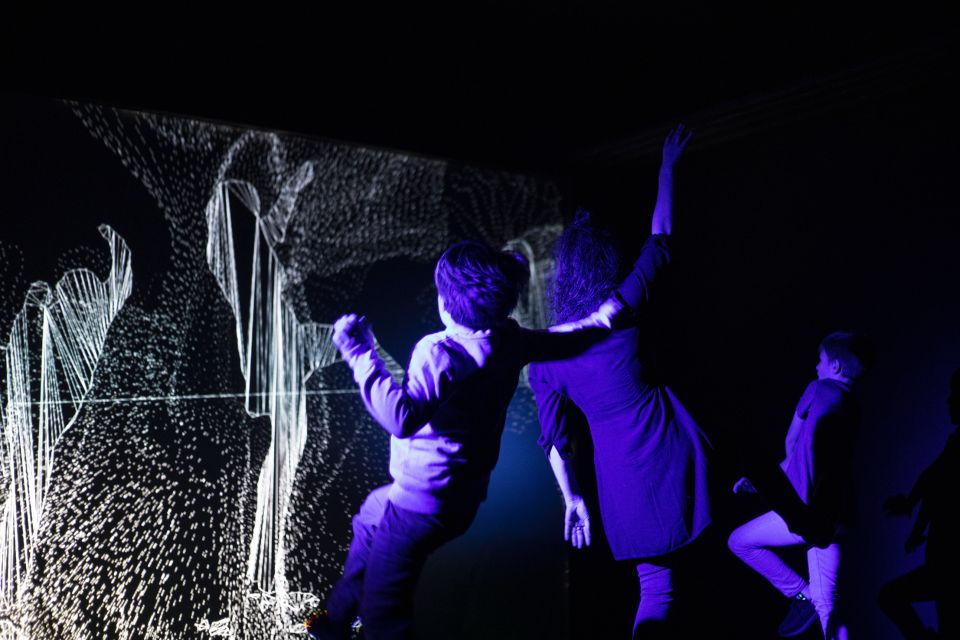
For $17, you’re basically buying admission to a large digital-art playground. The good news is that the venue is big (1400 m² of projection space), and the exhibition description indicates a broad set of themes and effects: videomapping, LED mapping, 3D projects, interactive projections, and music-synced pieces.
That’s why the price feels reasonable. You’re not paying for a single short show. You’re buying access to a multi-room flow where you can spend time at the parts that click for you.
What’s not included matters too: transportation isn’t included, so factor in trams/metro or rideshare costs if you’re coming from outside central Prague. Still, once you’re there, you’re set. You show your ticket at the entrance to the Lumia Gallery and go in.
As for language support, there’s a greeter/host in English and Czech, which helps if you have questions about how the space works or where to go next.
Who should book, and who should skip it
This experience is a good match if you:
- like digital art and hands-on entertainment
- want an indoor activity that doesn’t feel like a long lecture
- enjoy music-reactive visuals or optical effects like mirrors
- want a fun plan for a rainy day
It’s less of a match if you:
- have photosensitivity or photosensitive epilepsy (not suitable)
- have vertigo (not suitable)
- need a low-stimulation environment (the show uses projection and light-based effects)
If you’re visiting with kids, it can work well because it’s described as suitable for children as well as adults, as long as the child enjoys this style of audiovisual play.
Wheelchair users should know this is set up for access on the upper floors too: the 2nd floor is fully wheelchair accessible, and wheelchair users can be transported to the 3rd floor by elevator upon request.
Tips to get more out of every room
Here’s how to make this ticket feel like a “best use of time” stop, not just another entry fee:
- Go with a play mindset. The experience isn’t about reading labels. It’s about responding to what the room is doing.
- Give your eyes a minute to adjust. Dark spaces make your first glance less accurate. After a short moment, the projections start looking sharper and more dimensional.
- Choose one theme to linger in. If you hop room-to-room too fast, you’ll miss the “music sync” and the way certain installations evolve over time.
- Watch how other people use the interactive areas. If you see a pattern—standing distance, hand position, movement—follow the logic so you don’t just blur through.
- Plan your photos early, then stop chasing shots. The mirror-style moments and photo opportunities are fun, but the best memories are usually the ones you stop recording and just experience.
And one small reality check: the venue can feel limited in how many distinct interactive options you get compared to what your imagination expects. That’s not a deal-breaker, but it helps to set expectations: you’re buying a high-impact digital-art flow, not a never-ending warehouse of interactivity.
Should you book the Lumia Gallery ticket in Prague?
I’d book this if you want a break from Prague’s classic walking sights and you like modern light-and-sound experiences. For the $17 price, it’s hard to beat the combination of big projection scale, theme variety, and the chance to interact instead of just watch. The 4.4 rating with hundreds of ratings also lines up with what the exhibition is designed to deliver: people tend to leave feeling like they got something fun and different.
Skip it if light sensitivity, photosensitivity, epilepsy risk, or vertigo applies to you. Also skip it if you prefer quiet, text-based museum experiences. This one is built for eyes, ears, and movement.
FAQ
FAQ
How long should I plan to spend at Lumia Gallery?
Many people plan around 90 minutes, though your pace can vary depending on how long you linger at the interactive and mirror-style areas.
What does the ticket include?
Your ticket includes entry to the Lumia Light Art Museum, the interactive exhibition of digital art.
Where do I go to enter?
Show your ticket at the entrance to the Lumia Gallery.
Is food or drink allowed inside?
No. Food and drinks are not allowed, and alcohol and drugs are also not allowed.
Is this suitable for children?
Yes. The exhibition is described as suitable for all adult and child visitors who take an interest in audiovisual art and entertainment.
Is it wheelchair accessible?
Yes. The 2nd floor is fully wheelchair accessible, and wheelchair users can be taken to the 3rd floor by elevator upon request.
Is it safe for people with epilepsy or photosensitivity?
No. The exhibition is not suitable for people with photosensitivity and photosensitive epilepsy. It’s also not suitable for people with vertigo.