REVIEW · PRAGUE
Prague: Psychiatric Hospital and Abandoned Cemetery Tour
Book on GetYourGuide →Operated by McGee's Ghost Tours · Bookable on GetYourGuide
Prague’s quiet outskirts hold loud history. This Bohnice psychiatric hospital tour pairs a walk through a still-working clinic with stories of how Europe treated mental illness over centuries, from medieval ideas to practices that today feel shocking. You also get that unforgettable walk on the abandoned cemetery promenade, where the setting does half the unsettling work for you.
I love two things most. First, it’s not a museum set piece; you’re seeing a real hospital environment while your guide connects the dots to what psychiatry used to believe and how that shaped people’s lives. Second, you’ll hear the Rosenham experiment explained in plain terms, tied to the big question of whether diagnoses were (and still are) consistent.
The main drawback is that the subject matter is heavy. If you’re heading out with small kids, or anyone who really struggles with mental-health history, this probably isn’t the best fit.
In This Review
- Key Highlights You’ll Actually Remember
- Bohnice Hospital Meet Point: Getting There Without Stress
- A Real 3-Hour Guided Story, Not a Drive-By
- From Medieval Mystical Ideas to Modern Psychiatric Practice
- The Rosenham Experiment: When Diagnosis Gets Questionable
- Stories in the Wards: Past and Present Patients
- The Abandoned Graveyard: Bohnický ústavní hřbitov
- How Spooky Is It, and How to Handle the Mood
- Price and Value: Why $32 Can Make Sense Here
- What to Bring for the Hospital Grounds and Cemetery Walk
- Who Should Book This Tour in Prague
- Should You Book the Prague Psychiatric Hospital and Abandoned Cemetery Tour?
- FAQ
- Where is the meeting point?
- How long is the tour?
- What language is the tour guide?
- How much does it cost?
- What should I bring?
- Is the tour suitable for small children?
- How do I get there by public transport?
Key Highlights You’ll Actually Remember
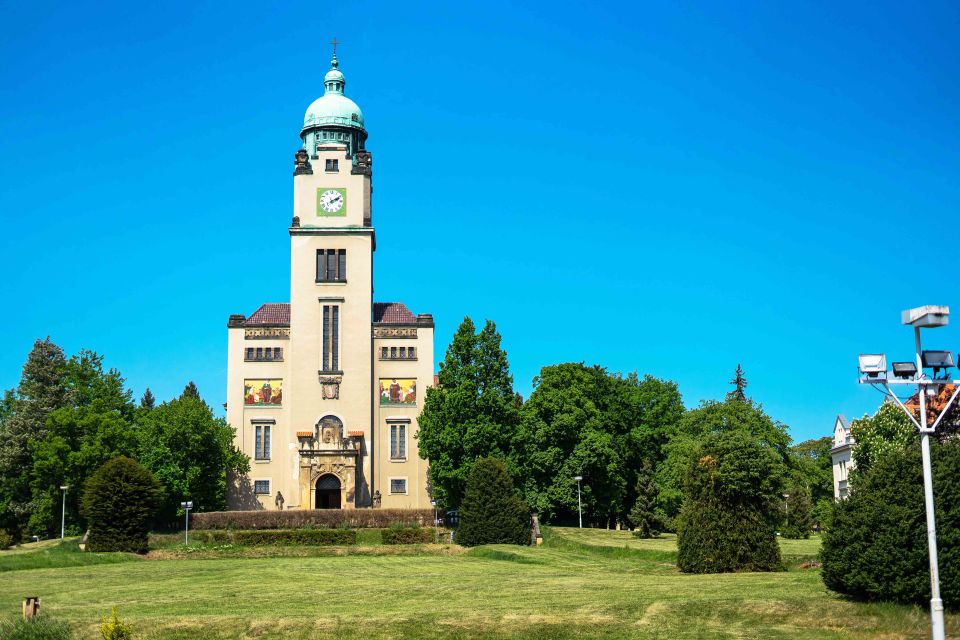
- A still-running psychiatric clinic on the outskirts of Prague, not just a storybook stop
- Rosenham experiment explained alongside the history of diagnosing mental illness
- Real ward stories, including past and current infamous patients mentioned during the tour
- Medieval-to-modern treatment context, including practices like lobotomies
- Bohnický ústavní hřbitov promenade walk, eerie and emotionally sharp
Bohnice Hospital Meet Point: Getting There Without Stress
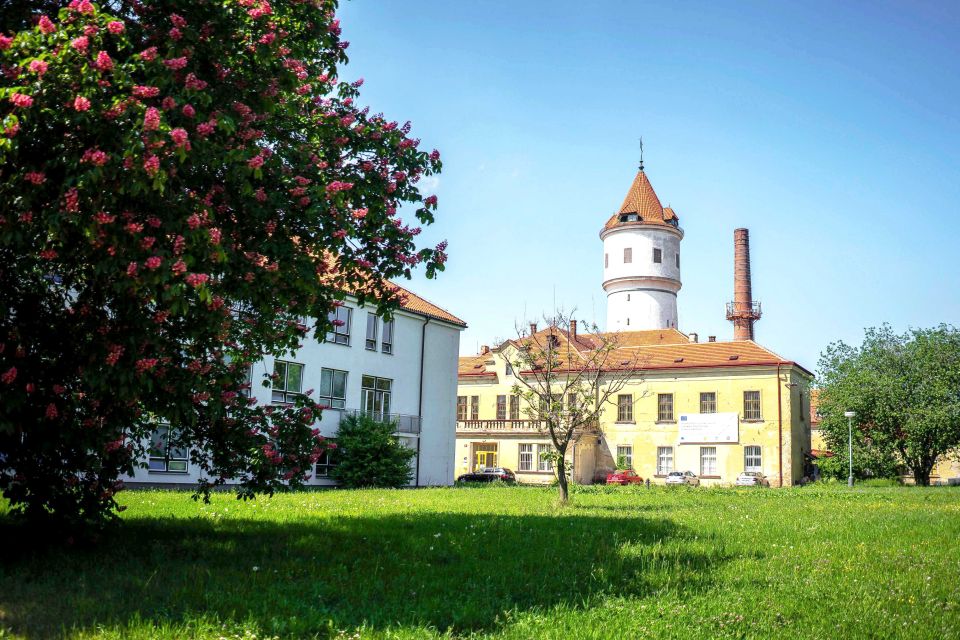
Your tour starts at the gate of Psychiatric Hospital Bohnice, Ústavní 91 (Praha 8). Plan for a bit of transit time because this is on the city’s outskirts, and arriving calm matters when you’re about to hear difficult history.
If you’re using public transport, take metro line C to Kobylisy. From there, use the exit toward Katastrální úřad, walk to the bus station, and catch bus 177 (direction Poliklinika Mazurská) or bus 200 (direction Sídliště Bohnice). Get off at Katovická, then turn around and go back toward the bus you arrived on until you reach the first crossroad. Turn left onto Ústavní, and follow it to the metal gate numbered 91.
If you’d rather taxi, that’s doable too. A Bolt or Uber from the city center runs around 350 CZK (about €15), which can be worth it if you’re traveling with time pressure or just hate complicated last-mile routes.
You can also read our reviews of more tours and experiences in Prague.



A Real 3-Hour Guided Story, Not a Drive-By
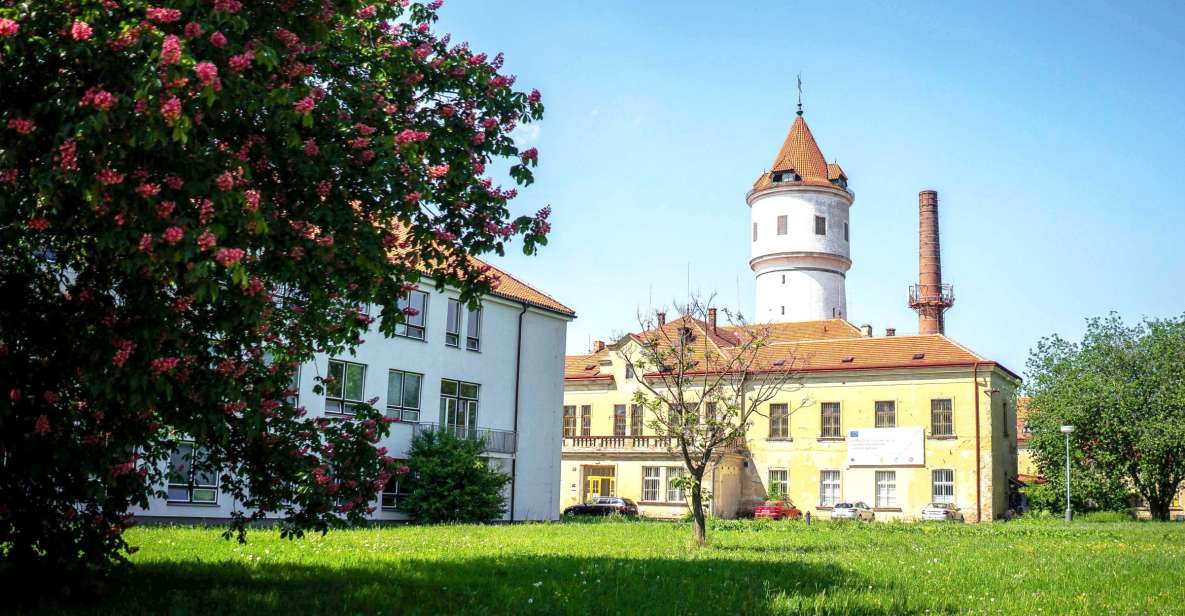
This is a 3-hour walking tour with a live guide in English. The heart of it is about 2.5 hours spent inside the psychiatric hospital grounds and areas your guide has access to, followed by around 30 minutes focused on the cemetery side. It’s the kind of pacing that keeps the history from feeling like a lecture, while still giving enough time for the setting to land.
You’ll be led around a clinic that’s still functioning, which changes everything. You’re not watching actors or staging; you’re seeing how a place designed to treat human minds also reflects the era’s fear, science, and blind spots.
In at least one recent group, the guide named Tina was singled out for making the hospital and cemetery stories clear and engaging. I’d take that as a good sign: when the guide is strong, the tour becomes a conversation with the past instead of a list of facts.
Also, expect walking. You’re moving through outdoor paths and corridors as you go, so comfortable shoes are not optional “nice to have” gear.
From Medieval Mystical Ideas to Modern Psychiatric Practice

One of the most valuable parts of this tour is how it connects the timeline. You start with the idea that long ago, people used medieval mystic rituals to explain mental distress—then you follow the thread toward later medical approaches.
Your guide doesn’t just drop random facts. The story is framed as methods evolving, often in response to what society thought was happening to a person’s mind. Some approaches were based on observation, some on fear, and some on imperfect science. By the time treatments like lobotomies enter the conversation, you understand why these weren’t just “bad ideas” in a vacuum—they were part of a system that believed it was helping.
That context is what you’ll carry out of Bohnice. You’ll leave with a sharper sense of how institutions think, how language shapes diagnosis, and how treatment methods gain power when people are afraid and governments want solutions.
Be prepared for moments that feel hard to process. You’re being guided through a real place with grim history, and the goal is understanding—not shock for shock’s sake.
The Rosenham Experiment: When Diagnosis Gets Questionable
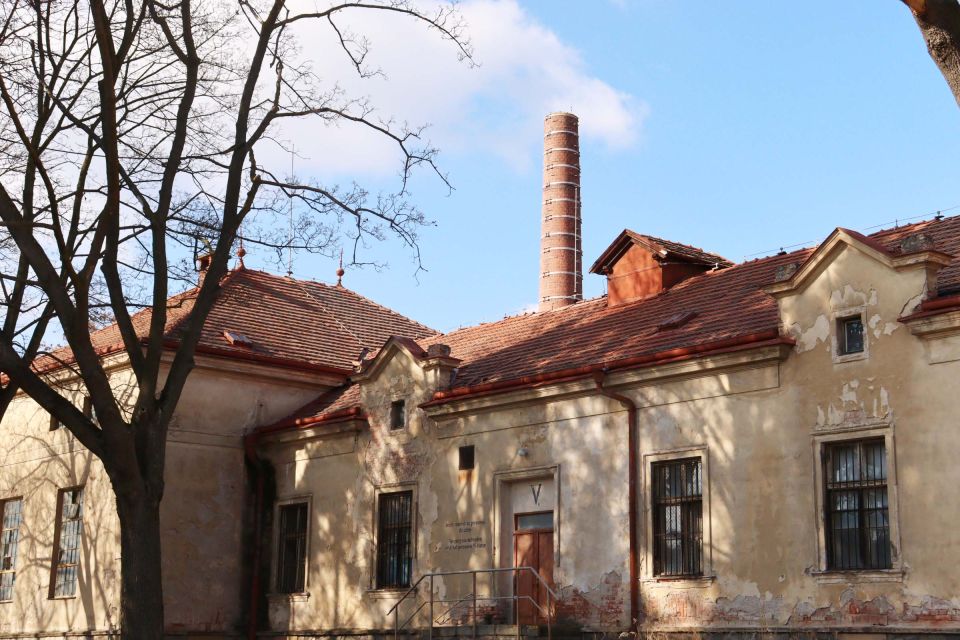
The tour includes the Rosenham experiment, and this is one of those concepts that makes you pause. Even if you’ve heard the name before, the value here is the way your guide uses it to challenge assumptions about how hospitals identify mental illness.
The Rosenham experiment is famous because it questioned whether institutions could reliably distinguish between sanity and illness. On this tour, it lands as more than trivia. It becomes a lens for the rest of what you’ll learn: the danger of labels, how confirmation bias can take over, and why two people can experience the same behavior and receive completely different meanings.
I also like that the tour doesn’t treat it like a “gotcha.” It points you back to history and asks you to consider what changed, what stayed the same, and what the consequences were for real patients.
If you’re the type who likes big themes—science, society, ethics—this stop will give you a conversation starter you’ll keep thinking about later.
Stories in the Wards: Past and Present Patients
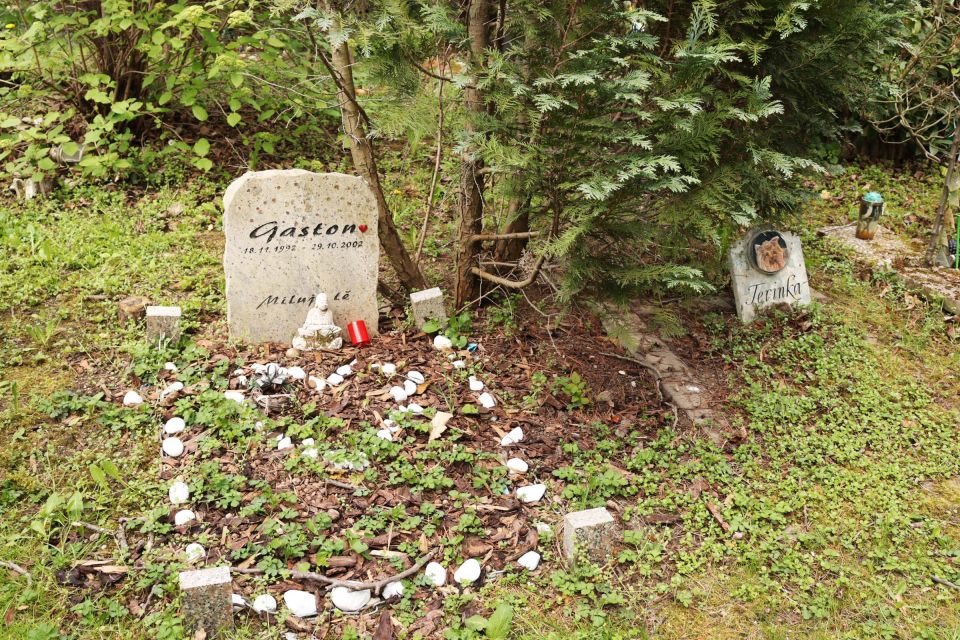
As you move through the hospital, you’ll hear stories of infamous patients tied to past and current eras, and you’ll also get a sense of how the institution’s reputation shaped how people were treated. That’s not just morbid theater. It gives weight to the history and helps you understand that mental-health care wasn’t only about methods—it was also about power, stigma, and how people were categorized.
The tone matters. A good guide here keeps it respectful while still being honest about what happened. If your guide is like Tina’s style (clear and passionate, in at least one documented case), you’re likely to feel guided rather than pulled along.
One thing I’d keep in mind: you’re standing in a place designed for care, even while the tour is focused on dark history. That contrast can feel strange, and it’s okay if it does. Let the guide frame it, ask questions if you can, and don’t force yourself to rush past the emotions.
This is one of those tours where you’ll remember not just what you learned, but how the learning landed.




The Abandoned Graveyard: Bohnický ústavní hřbitov
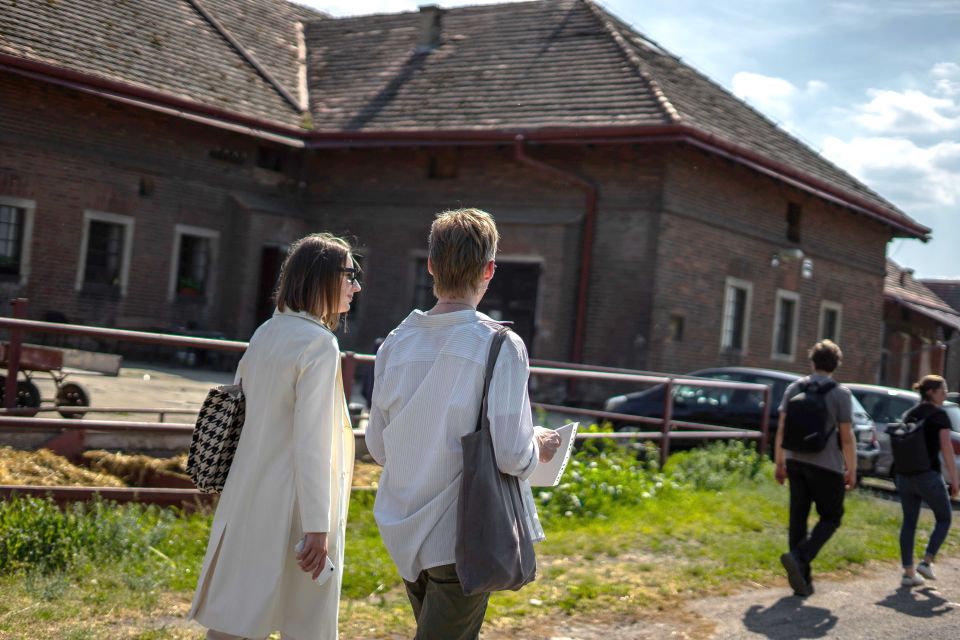
Now for the part that feels like a movie scene—without being a movie. You’ll pass by the Bohnický ústavní hřbitov, an abandoned cemetery associated with the psychiatric hospital. Even for people who think they’re immune to eerie places, the promenade around it has atmosphere.
The tour describes it as an eerie walk where you’re close to the tragic past of stigmatized patients from Bohemia. You’ll also hear that the resting grounds include patients and other people described as criminals and lost souls. That breadth matters because it shows how mental illness was tangled with morality, punishment, and social fear.
You get a short, focused window here—about 30 minutes—which I think is smart. It’s enough time for the setting to make an impact, but not long enough to turn it into a numb, repetitive slog.
If it’s raining, bring a bit of extra patience. One group noted it was still great even in rain, so the experience doesn’t rely on perfect weather—it just means you’ll want shoes with grip.
How Spooky Is It, and How to Handle the Mood
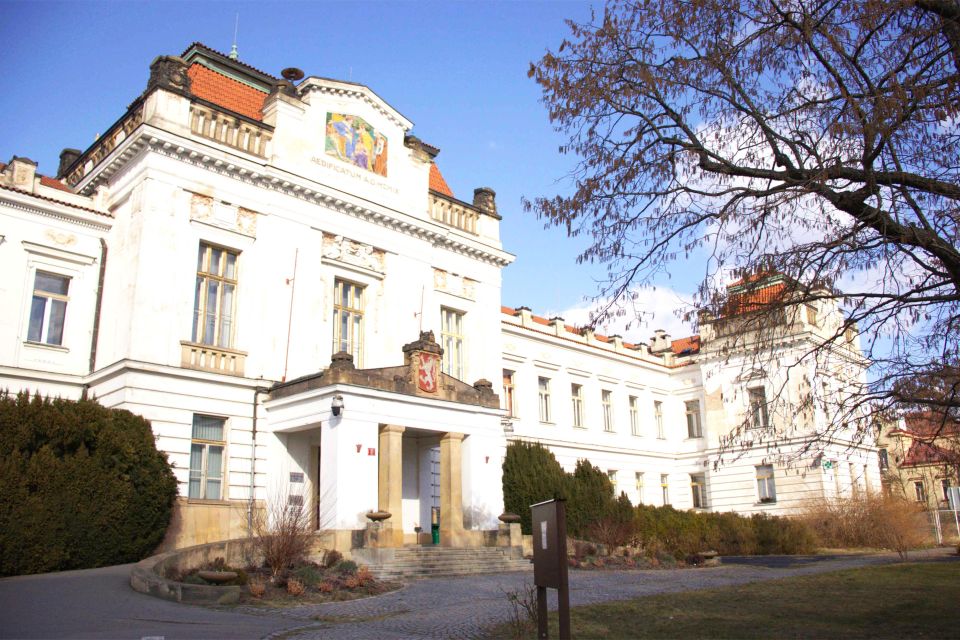
This tour markets itself as a history + cemetery experience, so it has a built-in chills factor. But it’s not a roller-coaster fright show. The spookiness comes from the promenade setting, the abandoned graves, and the grim subject matter being told in a real institutional space.
The bigger question is emotional comfort. The tour includes historical facts tied to the dark history of psychiatry and includes treatments and practices that may be difficult to understand. The operator also notes it isn’t recommended for small children.
For adults, I’d treat this like a “controlled dose” of discomfort. Go in with the expectation that your brain will ask questions you can’t fully answer on the spot. That’s normal. Let the guide’s storytelling structure help you process it.
If you’re someone who needs distance from heavy topics, you might find parts of the tour demanding. If you prefer honest history and can handle the moral weight of it, this is exactly the kind of place where a guide helps you see the human stakes.
Price and Value: Why $32 Can Make Sense Here

At $32 per person for about 3 hours with a live guide, this is priced like a specialist tour rather than a generic walking circuit. And the value is real: you’re getting access to a working hospital environment and a cemetery area tied to that institution’s history.
Most city walking tours cover streets. This one covers ideas and institutions—plus the emotional weight of where those ideas were applied. That combination takes time, and it takes a guide who can handle sensitive history without turning it into shock content.
Also, your tour language is English. That matters because specialized historical tours can be hit-or-miss in translation. Here, the guide is presented as English-speaking, and one recent group specifically highlighted a guide named Tina for strong explanations.
For flexibility, it’s also set up with easy planning options like free cancellation up to 24 hours before and a reserve now/pay later style, so you’re not locking yourself in weeks ahead if your schedule might shift. (Still, check the exact rules at booking time.)
If you want a “Prague history” tour that feels unusual and human, this one earns its price.
What to Bring for the Hospital Grounds and Cemetery Walk

You don’t need special gear, but you do need basic preparedness. The tour recommends comfortable shoes and a reusable water bottle. Take that seriously. You’ll be outside for portions of the route, and you’ll want steady footing.
Dress for the weather. Even when the guide has a great plan, the cemetery area won’t care if you’re wearing slippery shoes. If you’re going in cool months, bring a layer you can shed because hospital interiors and outdoor paths can swing in temperature.
If you’re someone who’s sensitive to strong emotions, consider bringing a small note to yourself: you’re here to learn and to understand. That helps you stay present when the history turns heavy.
Who Should Book This Tour in Prague
I think this tour is best for adults who want history with teeth. You’ll enjoy it if you like European history, the evolution of science, and the ethics of institutions. It’s also a strong choice if you’re curious about how psychiatry developed—especially when the tour connects changes in treatment to what society believed.
It might not be ideal for:
- small children or families looking for something light
- anyone who finds discussions of mental-health treatment methods overwhelming
You should also book it if you’re tired of the usual Prague hits. This is still Prague, but it points you in a very different direction—past the postcard streets and into the story of how people were managed, misunderstood, and treated.
Should You Book the Prague Psychiatric Hospital and Abandoned Cemetery Tour?
If you’re comfortable with heavy topics and you want a guided experience that mixes history, real institutional space, and a cemetery promenade, then yes, I’d book it. The $32 price works because you’re paying for access plus a guide who can explain both the timeline and the implications.
If you want fun-only tourism, skip it. If you prefer sanitized history or you’re traveling with kids who can’t handle difficult subjects, skip it too.
My practical verdict: this is a thoughtful, unusual Prague experience with strong guidance—especially when the guide is as clearly praised as Tina—and it leaves you with real understanding, not just eerie photos.
FAQ
Where is the meeting point?
Meet in front of the gate to Psychiatric Hospital in Bohnice, Ústavní 91, 181 00 Praha 8.
How long is the tour?
The tour lasts 3 hours, including about 2.5 hours of guided tour at Bohnice Psychiatric Hospital and about 30 minutes by the abandoned cemetery.
What language is the tour guide?
The live tour guide is listed as English.
How much does it cost?
The price is $32 per person.
What should I bring?
Bring comfortable shoes and a reusable water bottle.
Is the tour suitable for small children?
It’s not recommended for small children because the tour includes historical facts connected to the dark history of psychiatry.
How do I get there by public transport?
Take metro line C to Kobylisy, then walk to the bus station and take bus 177 (Poliklinika Mazurská) or 200 (Sídliště Bohnice) to Katovická. From there, turn back toward the bus you arrived with, go to the first crossroad, turn left onto Ústavní street, and walk to the metal gate numbered 91.