REVIEW · PRAGUE
Prague: Private Prague Art Nouveau and Cubism Tour
Book on GetYourGuide →Operated by Prague Articulate · Bookable on GetYourGuide
Prague has two modernist sides, and this shows both. You start at the rebuilt Central Train Station dating to 1909, then move through the New Town to read the city’s Art Nouveau story in stone, iron, and ornament. The tour doesn’t stop at pretty façades; it ties the look of the buildings to the big 20th-century shifts that shaped modern Prague, including a Cubism phase that shows up farther from the main tourist lanes.
I love how the guide turns style into a timeline you can actually follow, with clear connections between the 19th-century origins and why Art Nouveau felt so revolutionary.
The other thing I really like is the private-group feel. You can ask real questions about details—then you get answers that make the buildings click. My only caution: the walking portion can feel long toward the end, so if you prefer shorter strolls, bring comfortable shoes and be ready to keep a steady pace.
In This Review
- Key moments to look for
- Central Train Station (1909) to the New Town: a smart way to “read” Prague
- Art Nouveau in Prague: why it felt revolutionary (and what to notice on the walk)
- Jubilee Synagogue and the early stops: architecture with different stories attached
- Municipal House and the House of the Black Madonna: Prague’s modern identity, in two flavors
- Wenceslas Square and the practical reality of urban modernism
- Tram hop to Vyšehrad area: from Belle Époque elegance to daring geometry
- Three Cubist Houses: the style you can’t fake
- Kovařovicova vila and Cubist house Vyšehrad No. 98: how the lesson sticks
- How long it takes, what it feels like, and who this tour suits
- Should you book Prague Art Nouveau and Cubism?
- FAQ
- Where do I meet the guide?
- How do I get there if I’m staying near the main sights?
- What languages are available?
- Is the tour wheelchair accessible?
- Is this a private tour?
- Are public transportation tickets included?
- Is it suitable for children?
- Can I book without paying right away?
- FAQ
- How long is the tour?
- What should I bring?
Key moments to look for
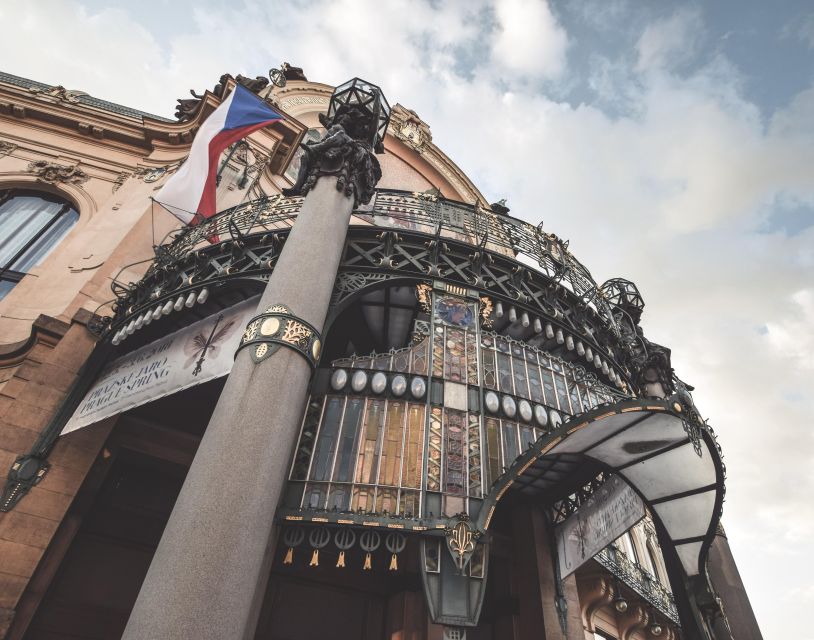
- 1909 Central Train Station as the launchpad: a strong starting point that sets the “modern Prague” tone right away.
- Art Nouveau’s cause-and-effect: you’ll learn how it grew out of earlier styles and why it mattered.
- Cubism as a planned disruption: the tour frames Cubism as a revolt against Art Nouveau, not as random weird shapes.
- Small surprises along the route: stop-and-look moments at details you’d normally miss while moving fast.
- Vyšehrad-area architecture: you’ll reach a more remote pocket with daring Cubist work under the fortress zone.
- Tram ride included for the return: you do less backtracking and more thinking while you’re still out seeing.
Central Train Station (1909) to the New Town: a smart way to “read” Prague
Most Prague tours begin with medieval stuff and work forward. This one does it the other way around, starting at the recently reconstructed Central Train Station area, with its roots in 1909. That choice matters. You’re already in a modern frame of mind before you step into the Belle Époque streets of the New Town.
Then the guide sets up the big idea: Art Nouveau didn’t appear out of nowhere. It grew from 19th-century design habits, but it pushed them toward a new visual language—curves, plants, and rhythmic ornament that felt like a break from what came before. I like that the tour treats style as a social change, not just decoration. You walk past buildings and start noticing patterns in how they’re made to feel modern.
One practical plus: you’re getting oriented fast, early on, so the architecture doesn’t just look “pretty.” It starts to behave like a clue trail. It’s an easy mindset shift that helps you enjoy even the stops that aren’t famous.
You can also read our reviews of more tours and experiences in Prague.

Art Nouveau in Prague: why it felt revolutionary (and what to notice on the walk)
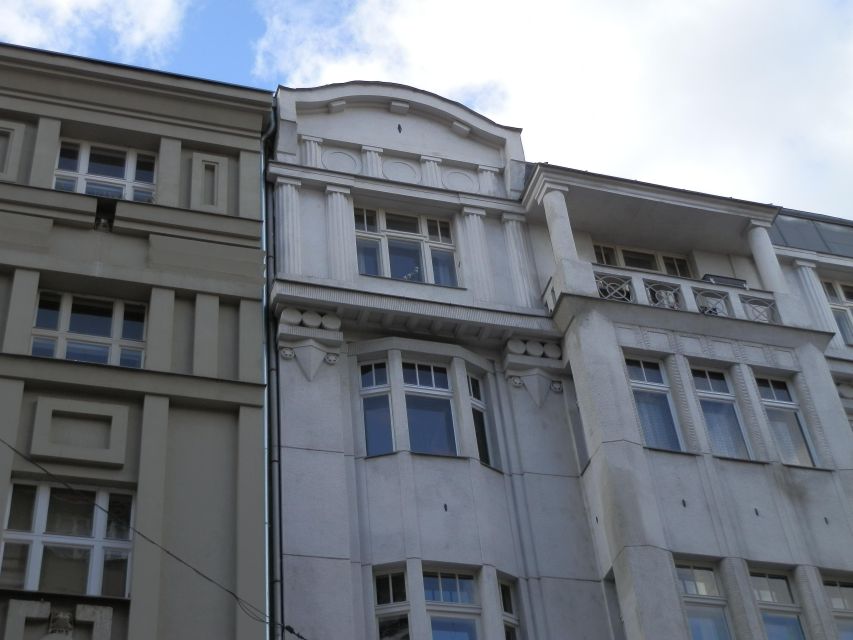
Art Nouveau in Prague is often described as elegant, but the more useful question is why people were so excited about it. The tour explains it as a change in attitude: a push toward modern aesthetics and architecture, with design that tries to bring art into everyday streets.
Here’s what you should watch for as you go:
- Façade rhythm: look for flowing lines that guide your eye across windows and balconies.
- Material and detail: ironwork, stone carvings, and sculptural accents aren’t random—they’re part of a style system.
- The “19th-century roots”: the guide connects Art Nouveau’s look to earlier influences, so you can see continuity instead of thinking it’s a sudden magic trick.
The tour’s real value is the narration. You’re not just hearing facts; you’re getting context for what you’re seeing right now. That’s how the buildings become more than backgrounds.
In the experience, guides like Max (spoken as clearly in German in one case) and Eva (praised for strong explanations in English) are the kinds of leaders who can answer follow-up questions without flattening the story. You’ll feel like you’re learning how to interpret the city, not memorizing a list.
Jubilee Synagogue and the early stops: architecture with different stories attached
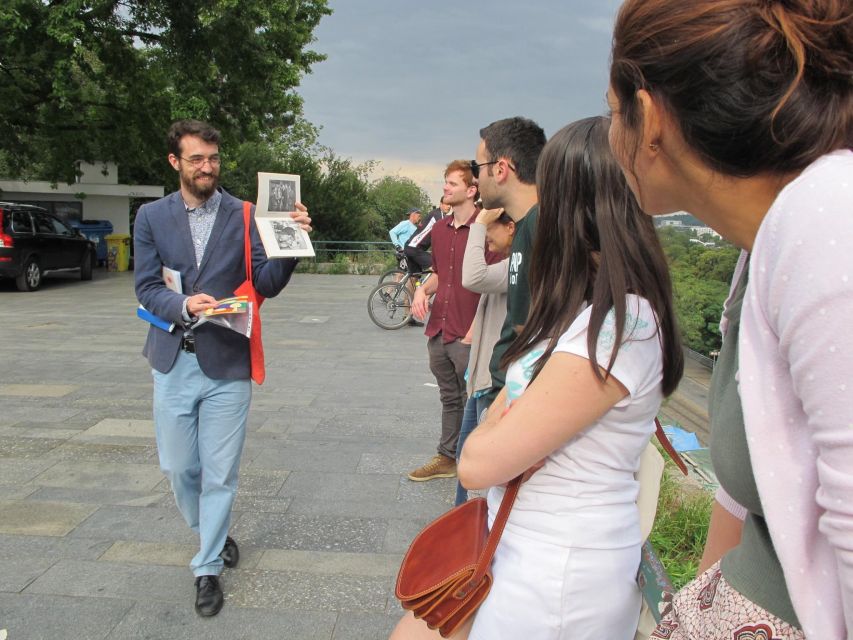
The itinerary takes you through the city in a way that feels like a local route: quick walking segments, short pauses, and then another step deeper. One of the early named highlights is the Jubilee Synagogue. Even with only a short look, it’s a strong reminder that Prague’s modern-era identity is layered. You’re not studying architecture in isolation. Different communities and historical currents influenced what got built and how.
For this part, I’d treat your visit like a warm-up. Don’t force yourself to “solve” everything in five minutes. Instead, use it to sharpen your eyes. If you can spot how design communicates identity—through shape, style choices, and visual emphasis—you’ll notice it in later Art Nouveau and Cubist buildings too.
Some stops along this stretch are intentionally brief and not always widely known. That’s the point. You’ll get short time windows to look closely at elements you’d otherwise pass. If you like architecture for details, these quick hits can be a joy.
Municipal House and the House of the Black Madonna: Prague’s modern identity, in two flavors
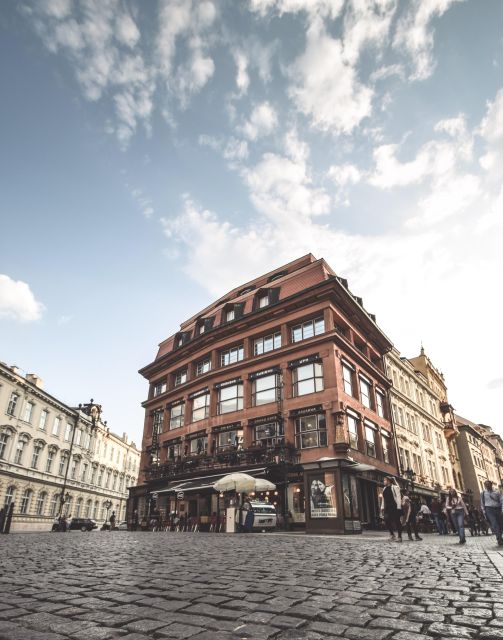
As the walk moves toward the downtown core, you’ll spend time around two major anchors: the Municipal House and the House of the Black Madonna.
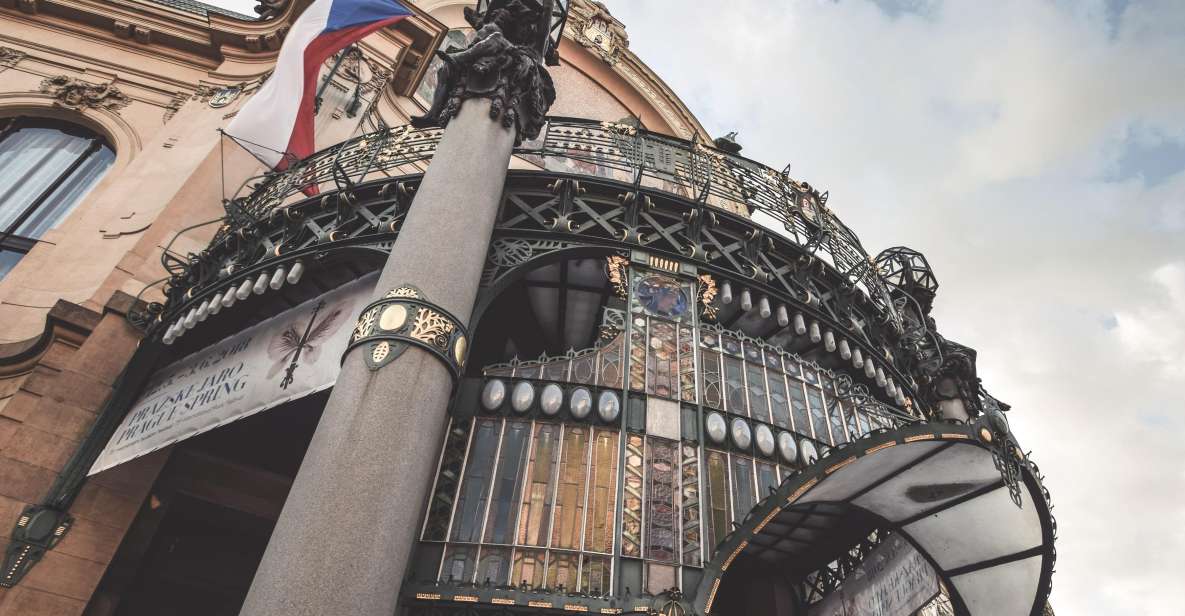
The Municipal House is the kind of building that changes how you feel about the term Belle Époque. It’s not just ornate; it’s structured to impress. Here, the Art Nouveau thread becomes easier to see because the building invites you to look longer: ornament, composition, and the overall sense of theatrical design.
Then the House of the Black Madonna brings a different mood into the mix. It’s a reminder that Prague’s architecture isn’t a single mood. Even within the modern era you’re studying, there are emotional tones—reverence, identity, and local storytelling—woven into what you see on the street.
What I like about pairing these stops is that it keeps the tour from turning into a single-style lecture. You’re learning how Art Nouveau operates, but you’re also learning how Prague chooses what to remember and what to emphasize. That context matters if you’ve already done the usual top sights and want something that feels more specific.
Wenceslas Square and the practical reality of urban modernism
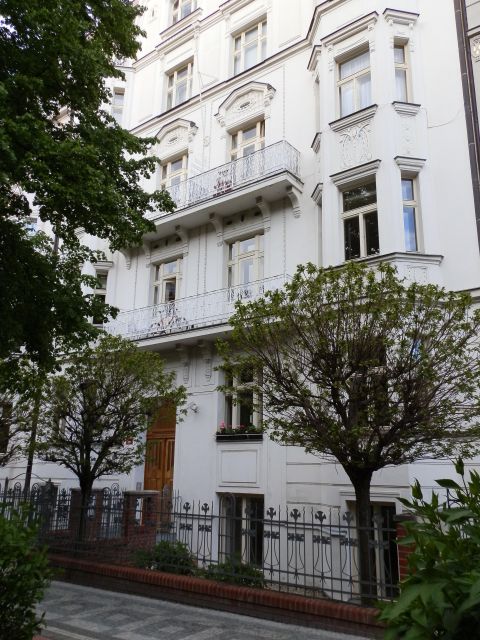
Wenceslas Square is a busy stage, so the trick is to treat it as a connector, not the climax. The tour still gives it time, but the bigger lesson is learning how modern styles sit inside everyday life.
You’ll also hit a few short, stop-and-look moments around the square that focus on details people often ignore when they’re rushing. This is where you’ll get the most out of the guide’s commentary. They’ll point out what to see, then help you interpret why it’s there.
A big benefit of doing this tour after the earlier Art Nouveau setup is that your eyes start working differently. Instead of seeing a façade as decoration, you see it as a design argument. Why is that line there? Why is the building’s face composed that way? Why does that detail feel like it belongs to the era?
One small drawback to plan for: when the day runs long for you, it’s often because you’re moving from stop to stop with constant attention. One guest felt the experience took about three and a half hours and that the final portion could be shortened. So if you’re the type who gets mentally tired from nonstop looking, pace yourself and be ready to take a short breather when you can.

Tram hop to Vyšehrad area: from Belle Époque elegance to daring geometry
After you spend substantial time closer to the center, the tour takes a short ride by public transportation to a more remote area under the Vyšehrad fortress. This is a key shift, and it’s also a smart logistics move.
In this quieter zone, the architecture has room to surprise you. Instead of street-level ornament telling you how to feel, you start seeing the Cubist ideas—angles, fractured forms, and a visual language that can look like it’s breaking rules on purpose.
This is where the tour’s central contrast really lands: Cubism is explained as a revolt against Art Nouveau’s popularity. And it doesn’t just stay an art-history comparison. The guide connects it to the broader 20th-century disruptions, including the way World War I changed what could flourish and what couldn’t.
That history context is what makes the style shifts meaningful rather than confusing. You’re not asked to like Cubism instantly. You’re taught what problem it was trying to solve.
Three Cubist Houses: the style you can’t fake
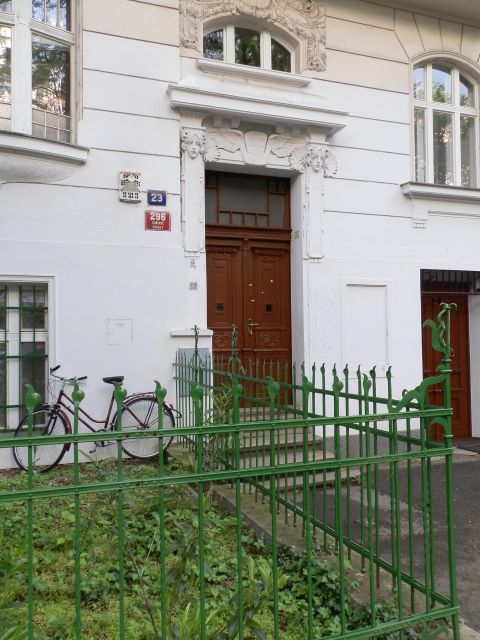
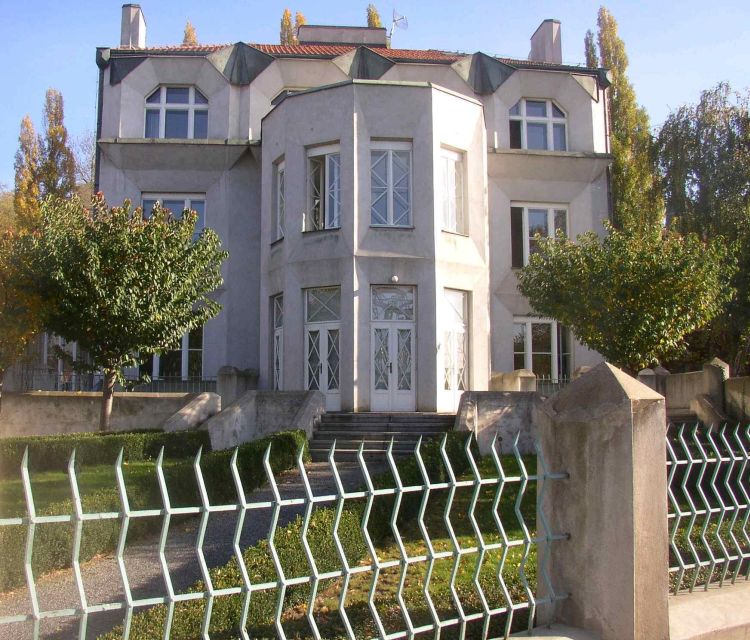
The highlight block in the Vyšehrad area centers on the Three Cubist Houses. This is where the tour’s approach pays off: you’ve already learned what Art Nouveau promised, so Cubism now reads like a different answer to the same modern question—how should buildings look in a changing world?
What to notice here is the way the design changes your perception of walls and volume. Cubism tends to make façades feel more “constructed” and less “grown.” Shapes look argued into place. If you’ve only seen Cubism in paintings, architecture versions can feel more physical because you’re watching form interact with the street.
This stop is also a good moment to slow down mentally. Give yourself a full minute at each angle. From one side, the building can look almost orderly. From another, you’ll see the structure of the visual disruption.
Kovařovicova vila and Cubist house Vyšehrad No. 98: how the lesson sticks
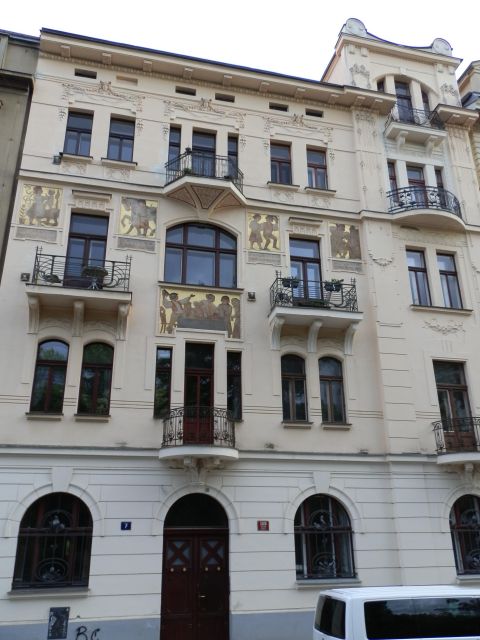
From the Three Cubist Houses, the tour continues to additional Cubist work, including Kovařovicova vila and Cubist house Vyšehrad č. p. 98. The names matter less than the experience purpose: the guide is teaching you how Cubism repeats certain principles while still allowing variation.
So instead of treating each stop as a one-off photo opportunity, try this mental exercise. Ask:
- What stays consistent between buildings?
- What changes in texture, massing, or how lines are broken up?
- How does the neighborhood setting affect your impression?
Even if some of the time at each stop is brief, the sequencing helps you build a working model. By the end, you’re not just seeing “Cubism buildings.” You’re seeing the logic behind the look.
And because the day ends with a tram option back toward central areas, you can do something important after architecture tours: return while the style is still fresh in your mind. You’ll likely notice more on your way back through town, even without a guide.
How long it takes, what it feels like, and who this tour suits
This is a 1-day activity with a start time based on availability. The pace is active, and it’s designed for comfortable walking with short transitions. You’ll move on foot a lot, with a tram ride included to reach the more remote Vyšehrad-side area and then return toward downtown.
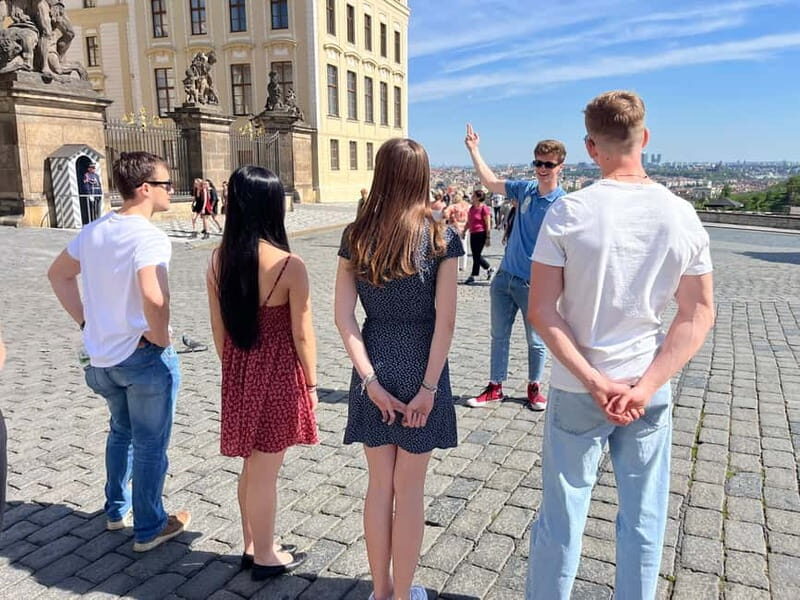
It’s also a private group, which changes the feel. You can ask questions when something clicks or when it doesn’t. That matters a lot for architecture tours, because your reaction to ornament or geometry may not match the person beside you.
It’s wheelchair accessible, and that’s a real advantage if you want this modern architecture focus without sacrificing mobility. Wear comfortable shoes because even short segments add up.
Not suitable for children under 12, which makes sense: this is style explanation and close-looking, not kid-friendly scavenger energy.
Who should book? You’ll probably love it if:
- you’ve already seen the big Prague highlights and want modernism in a new key,
- you like architecture stories and design context,
- you enjoy places that feel a little quieter and slightly off the main path.
Should you book Prague Art Nouveau and Cubism?
Yes, if your Prague trip has room for “how the city thinks,” not just what it looks like. This tour feels like a good value because you get more than viewpoints: you get an interpretive guide who connects styles to the 20th-century changes around them, including why Art Nouveau rose and why Cubism emerged as a counter-movement. Plus, public transportation tickets are included, and the tram segments help keep the experience from turning into backtracking.
Skip it (or reconsider your expectations) if you want a fast highlight reel with lots of rest stops. There’s enough walking and enough looking that the final stretch may feel long for some people, and your enjoyment will depend on whether you’re energized by close-up architecture detail.
If you’re the type who wants Prague to make sense in layers—Belle Époque elegance, then wartime-era disruption, then daring Cubist geometry—this is a strong bet.
FAQ
Where do I meet the guide?
Meet on Prague’s Central Train Station, in the middle of Platform No. 1. The guide is carrying a red folder.
How do I get there if I’m staying near the main sights?
The tour uses public transportation for a short ride during the day, and the tram return back toward downtown is conveniently near the end of the route.
What languages are available?
The live guide speaks English and German.
Is the tour wheelchair accessible?
Yes, it’s listed as wheelchair accessible.
Is this a private tour?
Yes, it’s a private group.
Are public transportation tickets included?
Yes. Tickets for public transportation are included in the price.
Is it suitable for children?
It’s not suitable for children under 12.
Can I book without paying right away?
Yes. You can reserve now and pay later.
FAQ
How long is the tour?
It’s a 1-day tour, with specific starting times based on availability.
What should I bring?
Comfortable shoes are recommended since you’ll be walking.