REVIEW · PRAGUE
Prague: 2-Hour Back to Communism Walking Tour
Book on GetYourGuide →Operated by Spectrum Tours · Bookable on GetYourGuide
Communism leaves fingerprints everywhere. This 2-hour walking tour turns big, complicated ideas into real Prague street scenes, with a local guide who lived through the era and can explain what life actually felt like. You’ll start with the basic theory and rise of socialism/communism, then you’ll walk to the key landmarks tied to power, propaganda, and occupation.
Two things I really like: first, the way you get both the official story and the personal one, because the guide isn’t just reading dates. Second, the tour doesn’t pretend there were only advantages; you hear the pros and cons side-by-side and can ask questions. One possible drawback to consider is that the experience depends heavily on the guide and the language you choose—some reports mention distraction or reduced clarity during the talk.
In This Review
- Key Points You’ll Notice on the Walk
- Communism Made Walkable: What This Tour Actually Teaches
- Theory First: How the Tour Sets Up Socialism and Communism
- The Buildings That Tell the Cold War Story: Police HQ and the Machinery of Control
- Stalin, Party Seats, and Propaganda in Prague’s Power Centers
- Protests, Occupation, and Why Some Corners Still Feel Heavy
- Everyday Life, Pros and Cons, and Q&A With Local Survivors
- Your Two Hours on Foot: Meeting Points and Pace
- Language, Group Format, and When Personal Attention Matters
- Price and Value: Is $50 Worth Two Hours in Prague?
- Practical Tips: ID, Bags, and What to Bring
- FAQ
- Where does the tour start?
- How long is the walking tour?
- What sites will we see during the tour?
- What languages are offered?
- Do I need to bring ID?
- Is luggage allowed?
- Is there a private group option?
- Should You Book This Back to Communism Walk in Prague?
Key Points You’ll Notice on the Walk
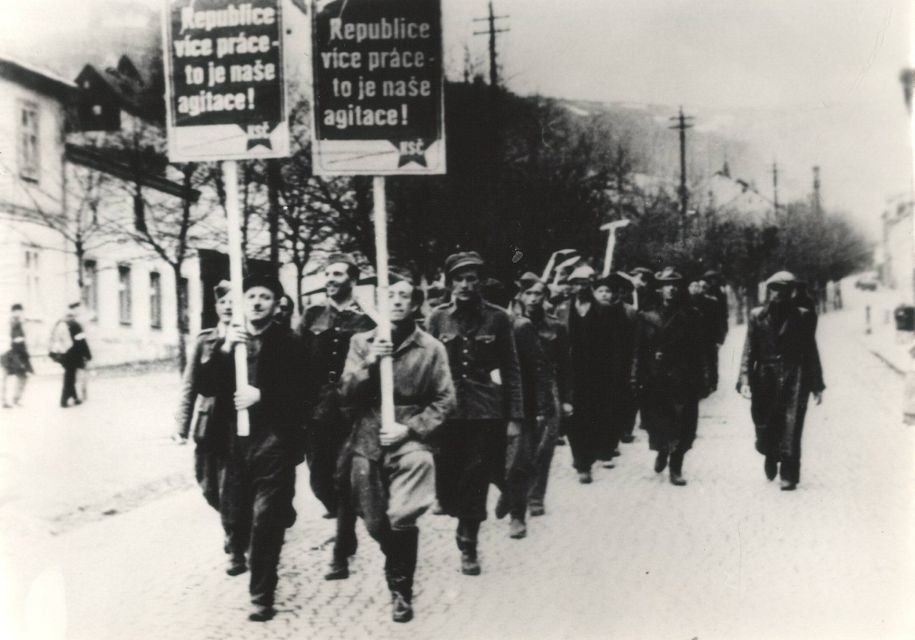
- Theory before streets: You get a short setup on socialism/communism so the buildings make sense.
- Local, lived-in perspective: Cold War survivors can explain daily life, not just political events.
- Major Prague communist reference points: Former secret communist police headquarters, Stalin’s former statue spot, and seats tied to the Communist Party.
- Protest and occupation sites: You’ll connect demonstrations, rebellions, revolutions, and Soviet occupation to specific places.
- A discussion-friendly format: Questions are welcome, so you can steer toward what you care about.
Communism Made Walkable: What This Tour Actually Teaches
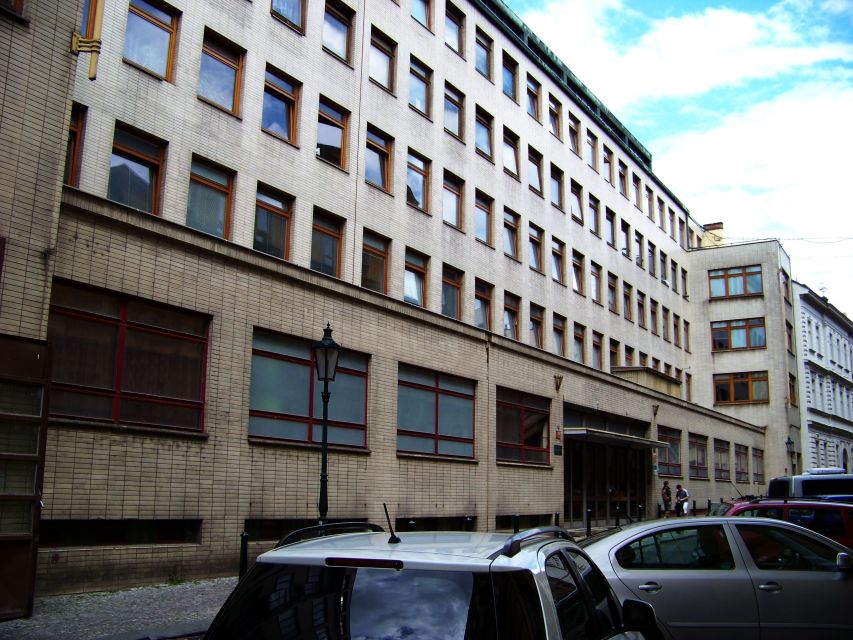
This is not a history museum visit where everything stays behind glass. This is a walking tour that treats the city like a text you can read: first the ideas of socialism/communism, then the places where communist power showed up in Prague. You start with the rise of these ideas in the 19th century and how they spread across Central and Eastern Europe—so when you later see sites tied to Soviet influence, protests, and political control, the connections feel clear.
What makes this tour especially useful is that it covers both the human scale and the political machine. You’ll hear the story through a local professional guide who lived through this period, which matters because they can describe how everyday routines and social pressure worked, not just who signed which document. And the tour actively invites a balanced look: you’ll hear the advantages and disadvantages, plus the realities of life under communist systems.
One more reason I’d pick this tour: it helps you notice the parts of Prague that can still feel heavy. Some areas retain a depressed, muted mood tied to what happened there—your guide points out the context so you understand why the atmosphere feels the way it does.
You can also read our reviews of more tours and experiences in Prague.

Theory First: How the Tour Sets Up Socialism and Communism
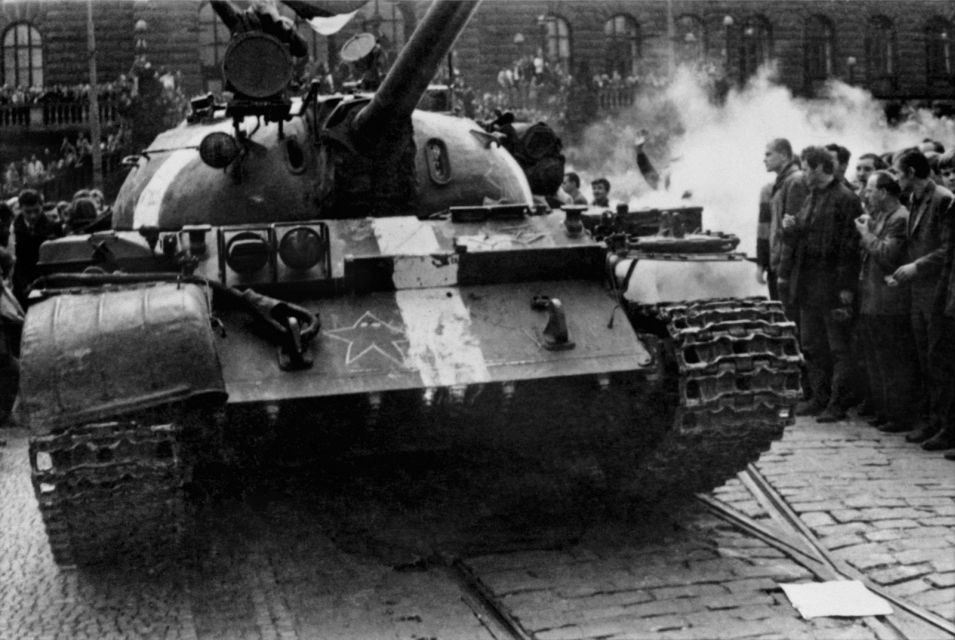
Before you even start sightseeing, you get a thorough introduction into history and theory. You’ll learn about the rise of socialism/communism in the 19th century, then how the ideology spread through Central and Eastern Europe. That matters because communist history in Prague is full of different labels, shifting eras, and overlapping influences. Without a quick framework, you can end up memorizing names while missing the big picture.
The tour structure keeps that learning practical. You’re not stuck in one place lecturing for a long time. Within about two hours, you move from the theory side into the most important communist-related places in Prague. That pacing helps you process the ideas as you see them attached to real addresses and real public spaces.
It also gives you an easy way to ask better questions. When you know the basics—why socialism/communism rose, and how it traveled—you can ask more targeted things like how local life changed, how control worked, and what Soviet occupation meant on the ground.
The Buildings That Tell the Cold War Story: Police HQ and the Machinery of Control
The tour’s “wow” factor comes from seeing how power used physical locations. One of the key stops is the former secret communist police headquarters. Even without getting lost in technical details, the location forces you to think about how surveillance and fear were built into governance. Your guide connects this site to the broader communist system, so you understand why certain institutions mattered so much.
You’ll also hear stories about the roles of prominent personalities and key milestones. That’s important because the communist era in Central Europe wasn’t just one event; it was decades of changing strategies, shifting leadership, and new pressures. Your guide’s job is to tie the political milestones to the places where you can still sense the impact.
One practical note: because this is a walking experience with multiple stops, it’s worth paying attention to what your guide points out in the surroundings. Look for explanations tied to why the site mattered—your guide is there to connect the dots, not just name-drop history.
Stalin, Party Seats, and Propaganda in Prague’s Power Centers
A major stop is the former spot of the Stalin statue. The point is not the sculpture itself (since you’re visiting a former location), but what a statue represented: official ideology, public messaging, and the way communist regimes tried to control what people were supposed to admire. Your guide uses this as a turning point to talk about how Soviet-aligned power was presented in public space.
You’ll also visit places connected to the current and former seat of the Communist party. That kind of stop can feel abstract unless someone explains what it meant at the time. Here, you get the context that helps you understand what it took for the party to operate—how decisions were made, how authority was displayed, and how political life connected to everyday life.
This part of the walk is where you’ll probably start noticing how much of communist rule relied on visibility: where the party operated, where Soviet influence was symbolized, and how propaganda shaped public attitudes. Your guide adds the human layer by describing how normal life fit around that structure.
Protests, Occupation, and Why Some Corners Still Feel Heavy
The tour doesn’t focus only on leaders and institutions. It also follows the energy of resistance and change. You’ll see places tied to protests, demonstrations, rebellions, and revolutions. The value here is that you’re not just learning the outcomes—you’re connecting events to real streets and real spaces where collective action happened.
Then there’s the topic of Soviet occupation. Your guide will explain how the occupation affected Europe after World War II and what that influence meant in daily reality. That’s exactly why a lived-in guide can be a big advantage: they can describe the mood and the constraints people experienced rather than keeping everything in textbook terms.
One interesting thing I’d expect you to notice is how the tour frames the emotional residue of history. Some areas still breathe depression today, but you’re not left guessing why. Your guide explains what happened there and why it mattered, so your reaction feels grounded.
Everyday Life, Pros and Cons, and Q&A With Local Survivors
Here’s where the tour becomes more than a route. Your guide talks about how common life looked during the era, and they don’t just list hardships. You’ll hear both the advantages and disadvantages, which helps you avoid the trap of thinking communism was purely one-note. You’ll also get the chance to discuss and ask questions.
This Q&A-friendly approach is practical. It lets you ask what you actually want to know: how people navigated politics in everyday routines, what was different versus what stayed the same, and why certain protests happened when they did. Since the guide lived through it, you’re more likely to get explanations that sound like real answers rather than rehearsed summaries.
A small caution: the quality of the experience can swing if the guide gets distracted or unwell. I’ve seen indications that when a guide spends time handling calls or when illness affects their delivery, the talk can lose flow. When you show up, watch for how smoothly the guide maintains the presentation. If it feels chaotic, politely ask a question—good guides can usually regain momentum once they see you’re engaged.
Your Two Hours on Foot: Meeting Points and Pace
The walking time is typically 1–2 hours, and that flexibility can be helpful if you’re trying to fit Prague into a tight schedule. You’ll cover the most important communist-related sites in that window, so plan for a focused walk rather than a long, slow stroll.
You’ll meet at one of two starting points: Na Příkopě 28 or Na Příkopě 864. The exact meeting location can vary depending on the option you booked, so double-check your confirmation and show up a few minutes early to avoid stress.
Because you’re moving between multiple stops, wear comfortable shoes. Prague streets can be uneven in places, and even if the tour is short, you’ll want your legs to feel fresh enough to pay attention to details your guide points out.
Language, Group Format, and When Personal Attention Matters
The tour runs with live guidance in Czech, English, or German, and your language choice matters because it affects how easily you can follow the theory and the story details. If you’re booking German, I’d suggest keeping an ear open for clarity and readiness to ask questions if anything feels unclear.
You can also choose between a standard group tour and a private group option. The private format can be a better match if you want a more personal pace and more direct conversation with the guide. If you’re traveling with someone who wants to ask lots of questions, private can be worth it because it reduces the friction of waiting for a group to move on.
One more practical thing: the guide arrival timing and how clearly they direct you to the start can make or break the first few minutes. Clear instructions help you relax. A strong start often means the whole tour runs smoothly.
Price and Value: Is $50 Worth Two Hours in Prague?
At $50 per person for around 1–2 hours, the price isn’t “cheap,” but it is understandable given what you’re buying: a professional local guide, a curated route through important sites, and explanations that connect history theory to specific places. Tours like this cost more when they include the lived perspective of someone who can describe everyday reality, not just events.
I think the value depends on what you want from Prague. If you’re only looking for famous buildings and photos, this might feel too political. But if you want a different lens on the city—how ideology shaped institutions, streets, protests, and daily life—then this pricing starts to feel fair.
Also, the tour’s structure helps justify the cost. You’re not only walking; you’re learning theory first, then applying it to key stops like the secret police headquarters, the former Stalin statue spot, and party seats. That “teach, then show” format reduces the risk of feeling like you paid for a simple sightseeing loop.
Practical Tips: ID, Bags, and What to Bring
Keep it simple for the walk. Bring a passport or ID card, since it’s required. Don’t bring luggage or large bags, because the tour is designed for walking and you’ll want to travel light.
If you care about mobility, the tour is listed as wheelchair accessible, which is great for planning. And if you prefer a more tailored pace or you’re traveling as a small party, the private group available option can help.
For comfort, wear clothes that work for a short city walk and bring a water bottle if you tend to get thirsty while walking. The main “prep” is mental: come ready to talk about sensitive topics with facts and context, not just opinions.
FAQ
Where does the tour start?
You’ll meet at one of two starting points on Na Příkopě: Na Příkopě 28 or Na Příkopě 864. The exact meeting point can vary depending on the option booked.
How long is the walking tour?
The duration is listed as 1–2 hours, depending on starting time availability and how the walk runs.
What sites will we see during the tour?
You’ll visit important Prague locations tied to communist history, including a former secret communist police headquarters, the former spot of the Stalin statue, places connected to the Communist party, and areas tied to protests, demonstrations, revolutions, and Soviet occupation.
What languages are offered?
The live guide can lead the tour in Czech, English, and German.
Do I need to bring ID?
Yes. You should bring your passport or ID card.
Is luggage allowed?
No. Luggage or large bags are not allowed.
Is there a private group option?
Yes. A private group option is available.
Should You Book This Back to Communism Walk in Prague?
I’d book this tour if you want more than sightseeing and you’re curious how ideology translated into real places: the institutions of control, the public symbols, and the protest energy that came after. The theory-first format, plus a guide who can connect it to everyday life, is the combo that makes this work.
Skip it if you only want light, general sightseeing or if you dislike political context. Also, choose your language carefully. Since the tour depends on clear guiding and explanation, pick the language you’re most comfortable asking questions in. If you do that, you’ll come away with a much clearer sense of why parts of Prague still feel the weight of this era.