REVIEW · KUTNA HORA
From Prague: Kutna Hora private Day Tour by car
Book on GetYourGuide →Operated by Welcome Pickups · Bookable on GetYourGuide
Bone-chapel kitsch meets real Czech Gothic. This private 7-hour ride is interesting because you’re not stuck with a rigid schedule—you can ask for extra stops and spend longer where you care most. I especially like the hotel pickup and drop-off (it saves a chunk of time and hassle) and the fact that your driver works as an English-speaking guide who explains what you’re seeing. One consideration: the big sights aren’t included in the ticket price, so you’ll want to budget a few extra euros—and the Sedlec Ossuary can be seriously unsettling if you’re squeamish.
What you’re really buying here is a smooth, informed day trip to one of the Czech Republic’s UNESCO-listed towns. You’ll connect multiple highlights in a single outing: the Gothic churches tied to Kutná Hora’s mining wealth, plus the Sedlec Ossuary with its bone “chandelier” detail. If you want a day that feels efficient and personal, this fits. If you’re in a wheelchair, note it isn’t suitable.
In This Review
- Key highlights at a glance
- A Private 7 Hours to Kutná Hora: Why This Town Matters
- From Prague With a Car and an English-Speaking Driver-Guide
- The Gothic Power Play: St. Barbara’s Church
- Baroque Gothic at the Church of the Assumption of Our Lady and St. John the Baptist
- Sedlec Ossuary: What You’ll Really See
- Hrádek Castle (Červený Hrádek): A Fort Turned Home
- Italian Court: Coin-Mining Power in Palace Form
- Plague Column: A Quick Monument With a Long Memory
- Food Breaks and Real Customization (Not Just Extra Stopping)
- Price and Logistics: Is It Worth $160 Per Person?
- Practical Tips for a Smooth Day: Shoes, Timing, and Weather
- Who This Tour Suits Best (And Who Might Want Something Else)
- Should You Book This Tour or Not?
- FAQ
- How long is the Kutná Hora private day tour from Prague?
- What is included in the price?
- Which major attractions can you visit?
- Are attraction tickets included?
- Can I customize the schedule during the tour?
- Is the tour wheelchair accessible?
Key highlights at a glance
- Private car comfort with an English-speaking driver-guide and onboard Wi‑Fi
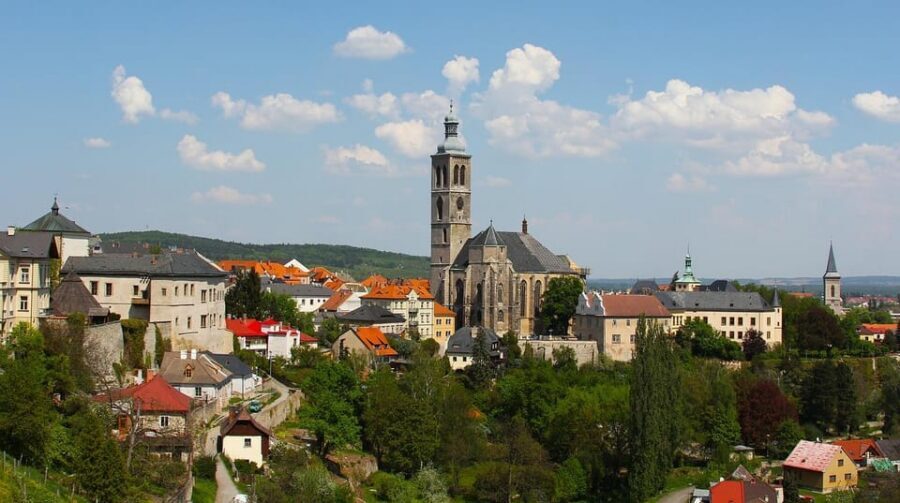
- UNESCO stops including St. Barbara’s Church and the Church of the Assumption of Our Lady and St. John the Baptist
- Sedlec Ossuary (Bone Chapel) with nearly 70,000 human skeletons and an enormous chandelier featuring at least one of every bone
- Flexible timing so you control how long you linger at each place
- Budget-friendly extras: major sights have small add-on entry fees (paid on site)
A Private 7 Hours to Kutná Hora: Why This Town Matters
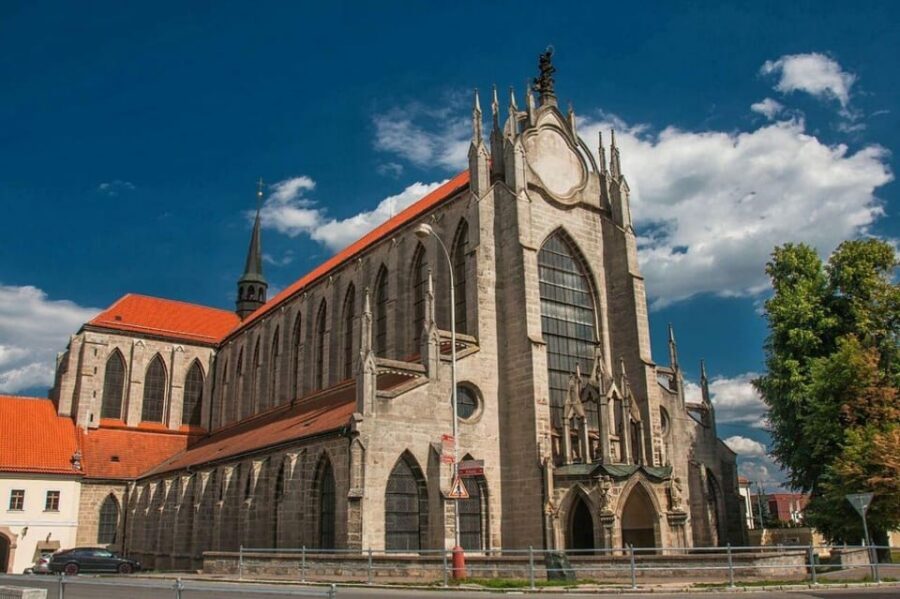
Kutná Hora is one of those places that makes you look twice, because it mixes stunning sacred architecture with a dark, unforgettable story. The town’s fame ties back to mining wealth, and that shows up in the churches and monuments people built to last.
The tour is structured to hit the town’s main UNESCO-linked sights, but the real win is the pacing. You don’t just “see” Kutná Hora—you get the context to understand why St. Barbara’s Church and the Assumption church are so important, and why Sedlec’s chapel became a global oddity.
And yes, the theme is a little contrast-heavy: Gothic beauty on one hand, bones on the other. If that doesn’t sound like your vibe, that’s okay—you can spend more time on the architecture and monuments and less on the chapel itself.
You can also read our reviews of more private tours in Kutna Hora
From Prague With a Car and an English-Speaking Driver-Guide
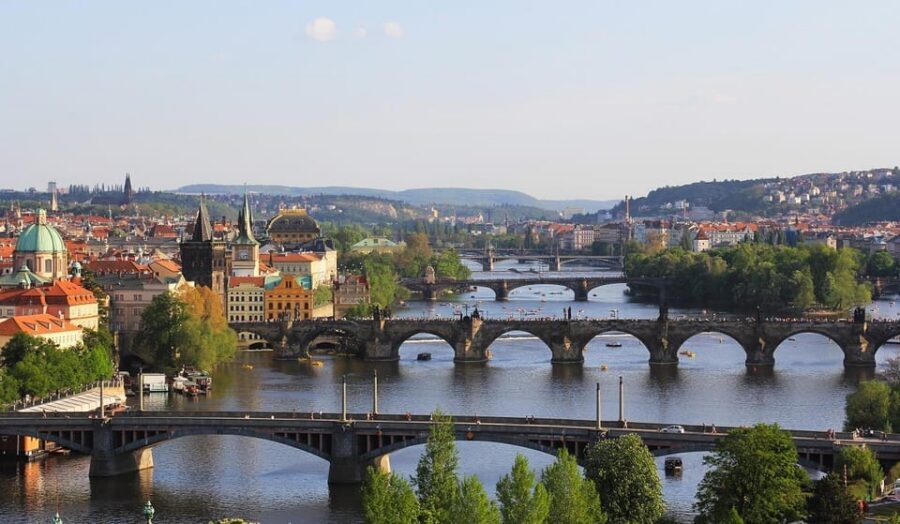
Starting in Prague by private car is a big advantage. You avoid public-transit transfers, you’re not waiting around with other groups, and you can adjust the day as you go.
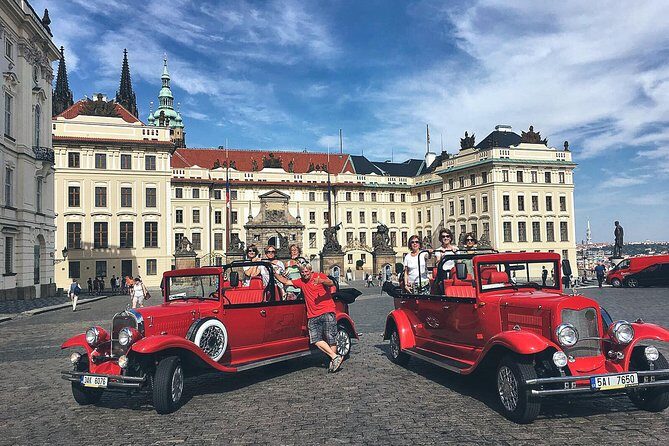
Pickup and drop-off are included in Prague, and you ride in an air-conditioned, spacious vehicle (sedan for smaller groups, minivan for larger ones). You also get water and snacks, plus free Wi‑Fi on board, which sounds small until you’re hungry, thirsty, or just want to map the next stop.
A key detail: the driver is an English-speaking local guide in the practical sense. They’re allowed to provide background and answers at stops, but they can’t enter museums or archaeological areas with you. That means you’ll still go in on your own when it’s time, but you’ll get a better “why” before you do.
The Gothic Power Play: St. Barbara’s Church
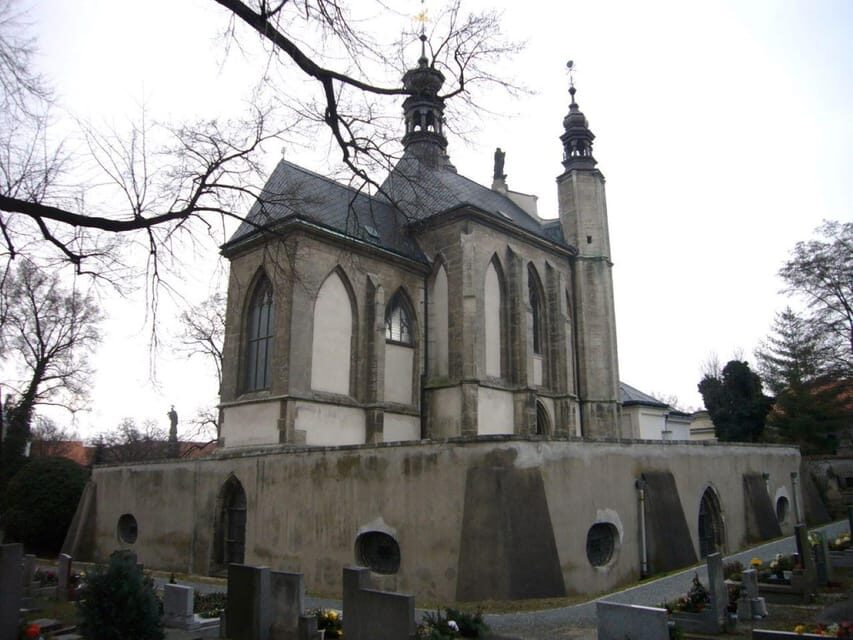
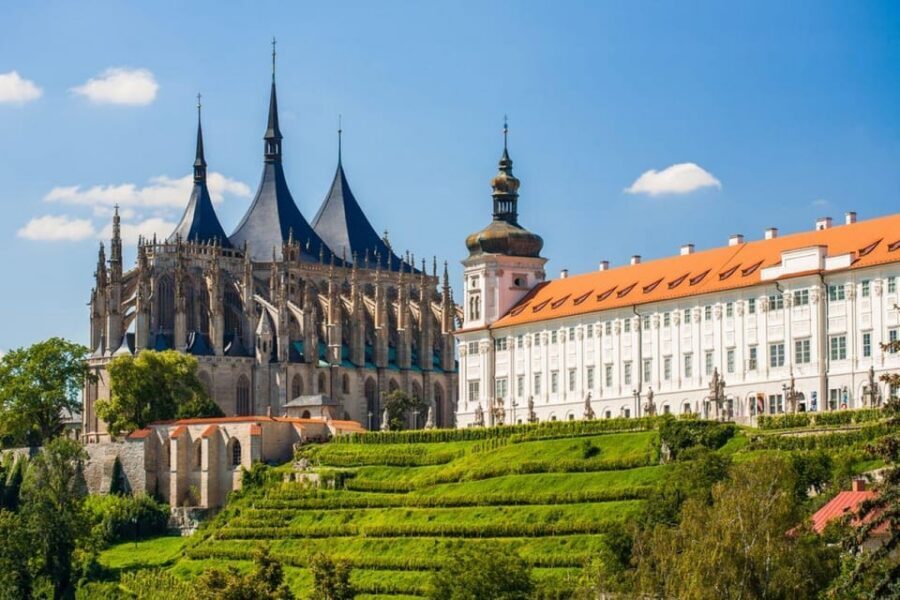
St. Barbara’s Church is one of the headline sights for a reason. It’s a famous Gothic church tied to the UNESCO World Heritage context of Kutná Hora, and it’s the kind of place where details reward slow looking.
When you arrive, give yourself time to stand back for a first look, then move in for close views. Gothic churches can feel like “pretty stone” if you rush, but the payoff comes when you start noticing the design logic—how sections lead your eye and how the building’s form matches the town’s status during its mining boom.
This stop also helps you anchor the day emotionally. After the ride from Prague, you’ll feel like you’ve landed in a real historic town, not a fast sightseeing checkpoint. If you love architecture, this is the best “wow” moment to prioritize.
One practical note: entry to St. Barbara’s Church is an added ticket cost (about €5), so build a few minutes into your plan for purchasing and entry.
Baroque Gothic at the Church of the Assumption of Our Lady and St. John the Baptist
Next comes the other major UNESCO-linked church stop: the Church of the Assumption of Our Lady and St. John the Baptist. It’s described as a perfect example of Baroque Gothic, which is a useful phrase because it hints at what you’ll actually notice.
Baroque Gothic usually means the church doesn’t stick to strict, austere Gothic forms. You can expect a blend of drama and structure—visual rhythm that feels more theatrical than plain medieval simplicity. Even if you’re not a church expert, you’ll likely feel it as you look around: the space tends to pull you forward instead of sitting still.
You’ll get a clearer sense of why Kutná Hora mattered when both churches are on your list. They don’t duplicate each other—they complement each other, showing different ways power and faith expressed themselves in the same town.
As with other sites, times and closures can happen due to holidays or maintenance. If you’re planning this around a specific date in peak season, it helps to double-check opening hours ahead of time.
Sedlec Ossuary: What You’ll Really See
If you can only handle one “shock” stop, this is it. The Sedlec Ossuary (Bone Chapel) is a Roman Catholic chapel decorated with skeletons of nearly 70,000 people—people killed in wars or who died from the plague. That number alone is wild, but the physical arrangement is what hits you in the gut.
One detail to know before you go: there’s an enormous chandelier featuring at least one of every bone in the human body. It’s the kind of image you’ll remember even after you’ve left the chapel.
This isn’t a horror attraction. It’s a religious chapel that uses death imagery as part of its message, and that can make the experience feel more complex than a simple gimmick. If you go in expecting “spooky fun,” you might miss what the space is trying to say.
Entry costs extra (about €4), so it helps to keep some small cash or a card ready. Also, wear comfortable shoes. You’ll likely stand and shift your position to see the full arrangement.
If you’re sensitive to body-related displays, you can still do the stop—just pace yourself. Spend a short time inside, then use your driver’s suggested timing to return to calmer sights.
Hrádek Castle (Červený Hrádek): A Fort Turned Home
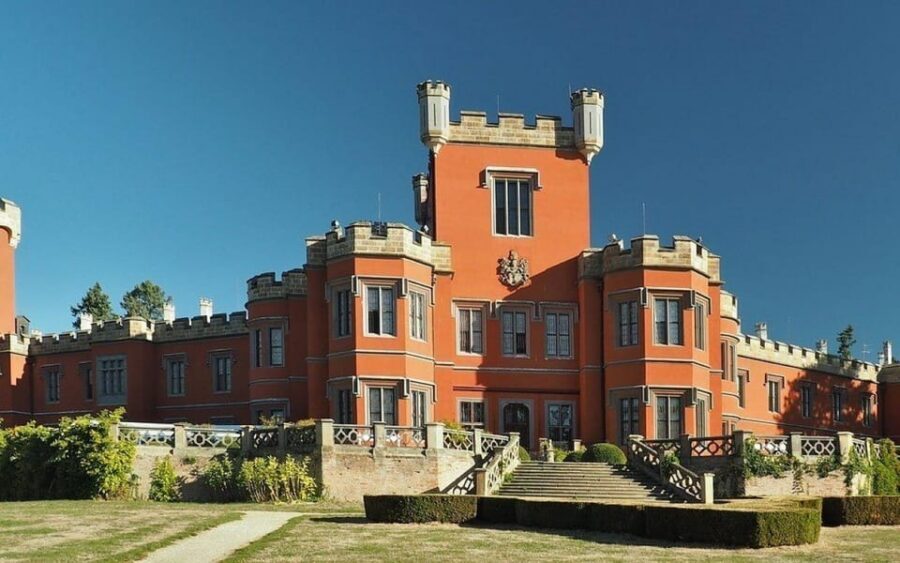
Hrádek Castle is a more relaxed break from the heavy emotions of Sedlec Ossuary. It’s described as a small castle with a colorful facade, and it has a good “how did this place evolve?” story built in.
The key idea is that it originally served as a fort defending the town. Later, it was rebuilt as a place to live in. That’s a helpful framing because it turns the building from a pretty stop into a timeline you can feel—defense to domestic life.
Don’t treat this as a long museum-style visit. Think of it as a viewpoint and a perspective switch. The castle helps you see Kutná Hora as more than churches and monuments: it was lived-in, defended, and changed.
Entry to Hrádek Castle costs about €3.5–€4. If you want to spend more time outside and less inside, you can still get value, since the facade and setting are part of what you’ll notice.
Italian Court: Coin-Mining Power in Palace Form
Now for the “this is how money shaped the town” stop: the Italian Court. It’s described as a magnificent palace in Kutná Hora and served as the historic center of the town’s economic power. Today, it works as a museum of coin mining.
This is a smart inclusion because it connects the dots. Mining wealth helps explain why the churches are so dramatic. When you see the economic center, the architecture starts making sense as more than just aesthetic ambition.
Even if museums aren’t your thing, this stop is still useful because it gives practical context: what the money came from, and how the town’s prosperity was organized. It can also be a nice change of pace if you’re alternating between “big architecture” and “big emotions.”
The tour company’s driver can’t accompany you into museums, but they can set you up with the story first. That usually makes the time inside feel shorter and more meaningful rather than wandering.
Plague Column: A Quick Monument With a Long Memory
The Plague Column is a Baroque-style landmark built in the 18th century to remember more than a thousand people killed by the contemporary plague. This stop is brief by design, but it’s worth treating as more than a photo stop.
Columns like this can feel like background until you read what they commemorate. Then they click: they’re public memory written into stone. You’ll notice that the tour day constantly shifts between personal and collective stories—bones representing individuals, churches representing communal faith, and the plague column representing a community’s loss.
This is also a good moment to regroup and choose your pace. If you’ve been moving quickly, take a few minutes here to slow down. If you’re feeling restless, use this as a transit-friendly break before the next church stop.
Food Breaks and Real Customization (Not Just Extra Stopping)
One of the best parts of a private tour is that the driver can help you handle timing without you micromanaging. You can adjust how long you stay at each destination, and you can ask for additional historic or cultural sites along the way.
You’ll also have opportunities to stop at local restaurants and taste Czech food. The tour doesn’t lock you into a set menu, which gives you flexibility based on your preferences and hunger level.
Practical tip: if you want a calmer meal, try to time lunch slightly away from peak hours. Even with a private car, long meals right at the busiest times can steal minutes you’d rather spend inside the churches.
Also, remember that “customized” doesn’t mean “do anything.” It means you can steer within the day’s realistic routing. If you have must-sees, tell your driver early. They’ll usually plan the flow to protect your top priorities.
Price and Logistics: Is It Worth $160 Per Person?
At $160 per person for a 7-hour private car day trip, the value depends on how you like to travel.
You’re paying for three things:
- Private transportation with a driver-guide in an air-conditioned vehicle
- Convenience from Prague pickup/drop-off
- A guided, English-speaking explanation at stops (even though entry fees are separate)
That’s a solid deal if you’d otherwise spend time piecing together a bus or train plus local transport. It also works well for couples, small groups, and families who want flexibility—especially when one person wants to linger while another wants to move on.
Where you need to plan a bit:
- Sedlec Ossuary entry is about €4
- Hrádek Castle about €3.5–€4
- St. Barbara’s Church about €5
Other beverages and meals aren’t included, so you’ll budget those yourself.
So yes, it’s not a “one flat price and done” situation. But the trade-off is a smooth day, less stress, and better use of your limited time in the region.
Practical Tips for a Smooth Day: Shoes, Timing, and Weather
Bring comfortable shoes. Even if distances are short, you’ll likely do a mix of walking, standing, and slow moving inside and outside. Bring a camera, plus water and snacks—you get some, but having your own backup can help.
Weather matters here. Prague can throw sudden rain, and the best part of this style of tour is that a capable driver can suggest an indoor option if needed. One of the strengths of an adaptable driver-guide is that you’re not stuck if plans change—you still get a full day.
Also note closures: some stops can be closed due to public holidays, maintenance, or special events. The tour operator says they’ll try to offer a suitable alternative if a place is unexpectedly closed, but the safest move is checking opening hours for the sites that matter most to you.
Who This Tour Suits Best (And Who Might Want Something Else)
This tour is ideal if you want a private, guided, English-friendly day that hits major UNESCO-linked sights without fuss. It’s especially good for:
- Couples who like architecture and prefer not to rush
- Families who want a straightforward plan with flexibility
- Anyone who wants context, not just a checklist of photos
It’s not a fit if you need wheelchair access, since it’s not suitable for wheelchair users. And pets aren’t allowed.
If you’re the type who loves learning but hates group-tour crowds, this should feel like a sweet spot. The driver can explain at each stop, then you go in at your own pace—no pressure to match a larger group’s timing.
Should You Book This Tour or Not?
Book it if you want:
- A stress-light day from Prague with pickup and drop-off
- A private car and flexible time at each stop
- The best-known Kutná Hora sights packed into 7 hours, with explanations along the way
Skip it or consider alternatives if:
- You’re strongly against bone-themed displays and can’t handle Sedlec Ossuary at all
- You want zero extra spending on top of the tour price (entry fees are add-ons)
- Accessibility is a concern, since wheelchair access isn’t supported
If your goal is to make a limited day count, this one is built for that. You’ll see the headline Gothic churches, the mining-era palace context, a historic defensive castle, and the plague memorial—all with a driver who can answer questions in plain English.
FAQ
How long is the Kutná Hora private day tour from Prague?
The tour duration is 7 hours.
What is included in the price?
Fuel and tolls, water and snacks, all taxes and fees, hotel pickup and drop-off in Prague, a well-maintained car, an English-speaking driver/guide, and free Wi‑Fi on board are included.
Which major attractions can you visit?
You can visit St. Barbara’s Church, the Church of the Assumption of Our Lady and St. John the Baptist, the Sedlec Ossuary (Bone Chapel), Hrádek Castle (Červený Hrádek), the Italian Court, and the Plague Column.
Are attraction tickets included?
No. Sedlec Ossuary is about €4, Hrádek Castle about €3.5–€4, and St. Barbara’s Church about €5. Meals and other beverages are also not included.
Can I customize the schedule during the tour?
Yes. Because it’s a private tour, you can adjust where to stop and how long to spend at each place, and you can request additional historic or cultural sites.
Is the tour wheelchair accessible?
No, the tour is not suitable for wheelchair users.