REVIEW · PRAGUE
Contemporary art tour in Prague: the works of David Černý
Book on GetYourGuide →Operated by Prague Découverte · Bookable on GetYourGuide
Prague gets a lot more interesting when art starts arguing back. This David Černý tour is a smart way to see the city through contemporary, urban sculpture and the political ideas behind it. I like that you’re not just staring at objects—you’re getting explanations tied to modern Czech culture and the artist’s background. I also like the sheer pace for the time: you hit 10 urban works in about 1.5 hours. One thing to consider: the tour is French, so if you don’t read the language well, you’ll feel the gap.
You’ll also walk through central neighborhoods—Malá Strana, Staré Město, and Nové Město—which is a nice way to move beyond the usual postcard route. The tour is designed to keep you outdoors and learning rain or shine, so bring real walking shoes and a plan for weather.
In This Review
- Key Things to Know Before You Go
- Why David Černý Turns Prague Into a Live Conversation
- The 90-Minute Format: How You See 10 Works Without Getting Tired
- Starting at Kinsky Square: Getting Oriented Fast
- Malá Strana and Staré Město: Historic Streets, Modern Critique
- Nové Město: Contemporary Czech Culture in the Open Air
- Frank Kafka and Renovation Reality: Don’t Panic if a Work Isn’t Visible
- The Real Takeaway: Czech Context Makes the Art Click
- Practicalities That Matter on This Walk (Rain, Shoes, French)
- Is $19 Good Value for 90 Minutes?
- Who Should Book This David Černý Tour
- Should You Book It?
- FAQ
- Where does the tour meet?
- How do I get to the meeting point by tram?
- How long is the tour?
- How many David Černý works will we see?
- What language is the tour in?
- Will the tour run in bad weather?
Key Things to Know Before You Go
- A licensed, live guide: You’ll tour with a local guide licensed by the Czech Ministry of Tourism.
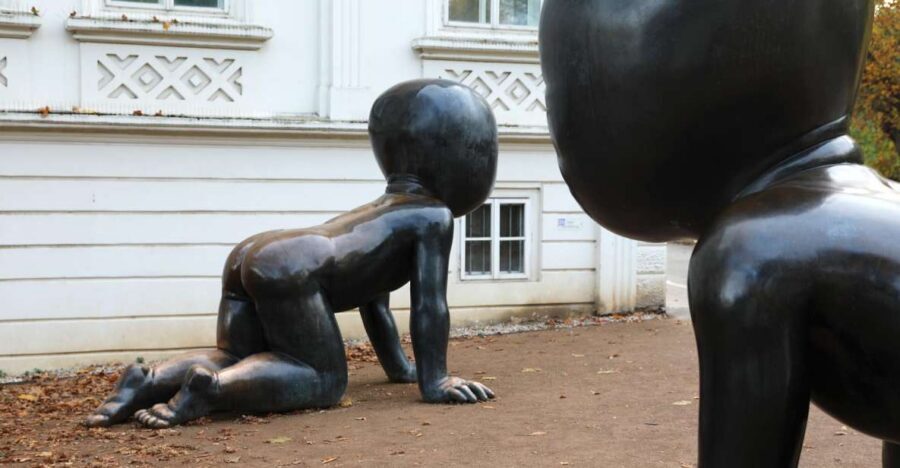
- 10 David Černý urban works: Some are famous, some less known, and each gets explained as you walk.
- Central Prague in 90 minutes: You’ll cover multiple historic districts without a long commute.
- Contemporary art with a story: The focus stays on Černý’s conceptual ideas, not just art history facts.
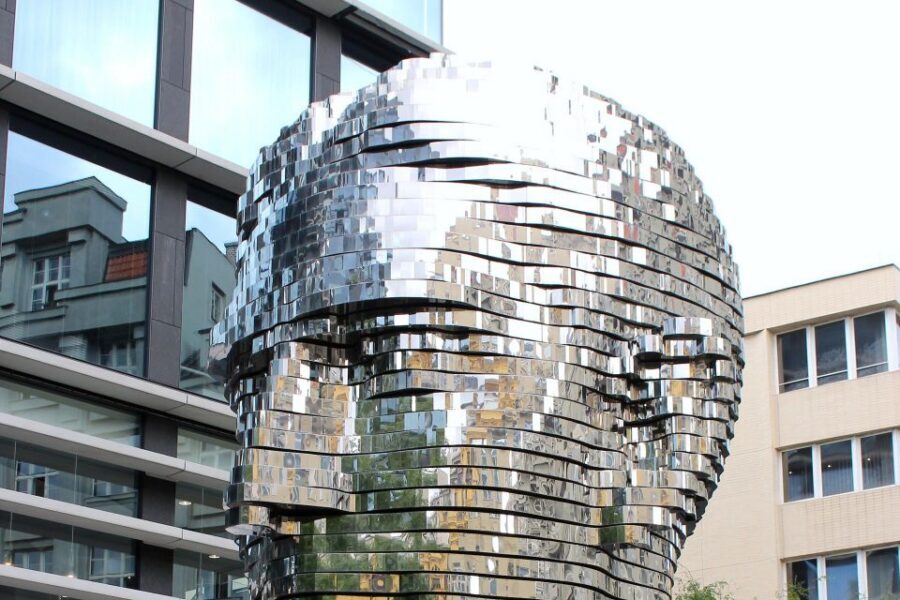
- One notable “may not be visible” case: The Frank Kafka statue has been under renovation (at least through the end of 2023).
Why David Černý Turns Prague Into a Live Conversation
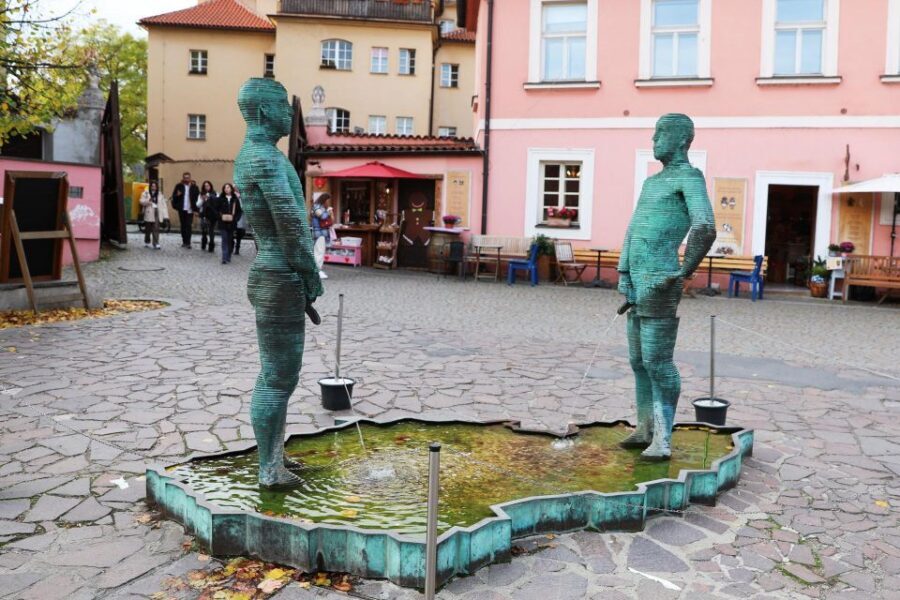
David Černý isn’t the kind of artist you treat like museum wallpaper. He’s a Czech conceptual artist and sculptor whose reputation stretches far beyond Prague, but his work still feels rooted in local tension—especially the post-communist era.
The tour gives you the key to reading his work: he became known during the Velvet Revolution period, when he was a student at the School of Applied Arts in Prague and created an act denouncing how communism was being institutionalized in Czechoslovak government life. From there, his work developed into critical discourse—art used to comment on the state of contemporary Czech and European culture.
That matters because Prague can lull you into “pretty city” mode. This tour nudges you into “why is this here?” mode. You’ll walk among familiar historic streets while the art does something different: it questions power, institutions, and public life. In other words, it’s not just a gallery tour. It’s a way to see Prague reacting to modern times.
And yes, the artist is widely exhibited internationally—so you’ll understand that these street pieces aren’t random. They’re part of a bigger conversation running through Europe.
You can also read our reviews of more tours and experiences in Prague.

The 90-Minute Format: How You See 10 Works Without Getting Tired
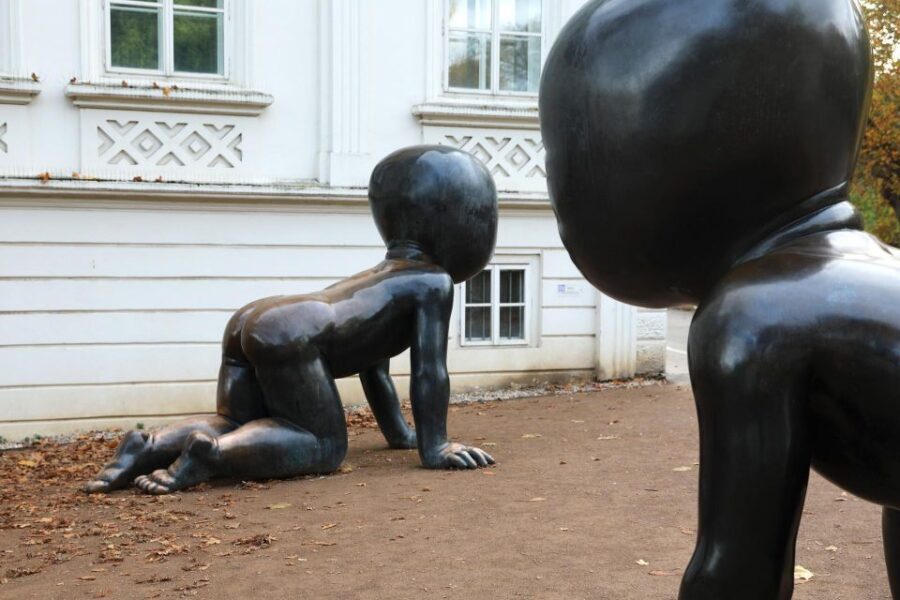
Let’s talk logistics, because 90 minutes is both short and efficient. You’ll do a guided walking tour of around 1.5 hours, and the aim is to hit 10 urban works located in the historic districts of Prague.
That quick schedule shapes the experience. Instead of lingering and going deep at one location, you’ll get focused explanations at each piece—enough context to understand what Černý is doing and why it lands where it does. For most people, that format is the sweet spot: you walk, you learn, you keep moving, and your brain stays switched on.
The tour also includes broader context—information about Prague’s historic districts and Czech culture. So you’re not only learning about one artist in isolation. You’re connecting the dots between place, time, and meaning.
The main consideration is what you do with your attention span. If you’re the type who likes long, quiet museum reading, you might want to slow down afterward on your own. But if you prefer ideas that travel with you as you walk, this tour fits really well.
Starting at Kinsky Square: Getting Oriented Fast
You meet in front of the fountain on Kinsky Square. It’s a clear, easy-to-find landmark, and it sets you up for the central districts right away.
Getting there is straightforward: hop off at the Švandovo divadlo tram stop, served by lines 9, 12, 15, and 20. That matters because you won’t waste your best energy wrestling with transit plans.
More importantly, the opening moment works. With a licensed local guide, you don’t start the walk guessing. You get immediate framing—how to look at conceptual sculpture, how to interpret symbolism, and what to listen for as you move between neighborhoods.
One nice touch: the tour includes good addresses in the area and advice for your stay. That means the guide doesn’t treat you like a walking audience. You’re also getting practical help for what to do once you’re finished chasing art pieces around the center.
Malá Strana and Staré Město: Historic Streets, Modern Critique
The heart of this experience is the contrast. You’re moving through Malá Strana and Staré Město, historic areas where you might expect only old-world charm. Instead, Černý’s contemporary works ask you to look again.
This is where the tour’s structure pays off. Each work is presented and explained, including pieces that are very well known and others that are more confidential. That mix changes how you experience the city:
- When you hit a more famous piece, you can compare what you’ve heard before with what the guide explains in plain terms.
- When you hit a less-known work, you learn that “street art” and “public sculpture” aren’t always obvious. Some ideas land only if you know where to look and what question to ask.
The guide also brings in context about Czech culture and Prague’s districts, so you understand what kind of environment these works are responding to. You start noticing how public art can behave like a commentary box—placed in the open, forcing a response from passersby.
In this part of the walk, I like the rhythm: short explanations, quick walking segments, and enough time in between to actually see the city around the work. Prague stays alive, but your focus stays on the art’s message.
Nové Město: Contemporary Czech Culture in the Open Air
Then you shift toward Nové Město, and the tone keeps evolving. The tour doesn’t treat modern art like an exception you have to leave the old center to enjoy. Instead, it shows you how contemporary Czech culture can sit right next to historic form.
By the time you’re in this area, you’ve already learned how the guide thinks. That helps you keep pace with the explanations. You’ll still get fresh context per stop, but you’ll also recognize patterns: Černý tends to work through provocation and critical framing, asking uncomfortable questions while using forms you can’t ignore.
This is also a good section for people who want something different from the classic “church + castle” routine. If you’ve already seen major landmarks or you’re trying to balance them with something more modern, this walk gives you that missing angle without turning into an all-day project.
And because you’re walking between districts, you also get the satisfying feeling that Prague is more than one era. You’re literally crossing time layers while the art acts like your translator.


Frank Kafka and Renovation Reality: Don’t Panic if a Work Isn’t Visible
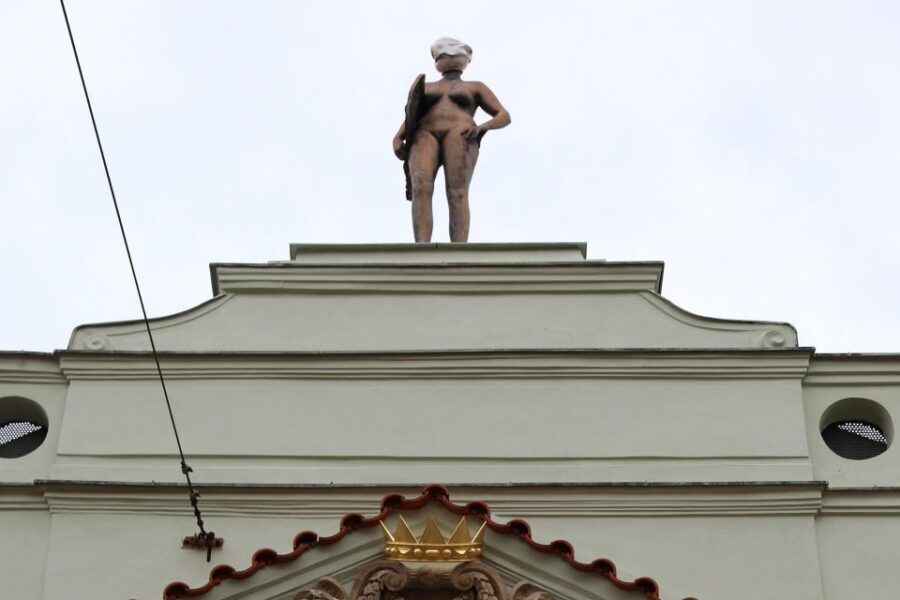
Here’s the honest part: public art can’t always be guaranteed at street level.
The tour notes an exceptional case: until the end of 2023, the statue of Frank Kafka has been under renovation and won’t be visible. That means if your walking map in your head includes that specific piece, be prepared for it to be inaccessible on the day.
The upside is that the tour is designed around a set number of works overall and still aims to explain what you can see. If a work is out of view due to maintenance or work in the area, your guide will adjust.
So my advice: don’t plan your day assuming every single piece will be photo-ready. Instead, treat the tour as a learning route through Černý’s ideas and the districts that host them.
The Real Takeaway: Czech Context Makes the Art Click
The most valuable part of this tour isn’t just that you see 10 works. It’s that you learn the interpretive layer that makes the works make sense.
The guide ties Černý’s conceptual approach to a broader Czech story. You hear how his early fame connected to political life during the Velvet Revolution, and how his work has continued as critical commentary rather than pure decoration.
You also get information about Czech culture and Prague’s historic districts as you walk. That’s important because conceptual art can feel abstract if you only treat it as style. But when you understand the cultural and political backdrop, the pieces stop being puzzles and start being messages.
Even the tour’s pace supports this. A tight schedule forces you to grab the big idea quickly. Then, as you walk away, you can keep thinking without needing to stop for a 45-minute lecture.
Practicalities That Matter on This Walk (Rain, Shoes, French)
This tour runs rain or shine. That means your best move is simple: bring weather-appropriate gear and wear shoes you trust for uneven city walking.
You should also know the language: the live tour guide is French. If you speak French, you’ll get the full experience—especially since conceptual art explanations depend on nuance. If you don’t, you might still enjoy seeing the works, but the meaning will be harder to catch.
The good news is that the experience is designed to be visual. You’ll be in front of sculptures and public works throughout, so even if your French is shaky, you’ll still have something to anchor you.
Another practical note: transport tickets, food, and drinks aren’t included. That’s normal for a 90-minute walking tour, but it means you should grab a snack or plan your meal timing before and after.
Is $19 Good Value for 90 Minutes?
At $19 per person, this tour feels like a fair deal for what you get: a licensed local guide, a live walking route, and explanations tied to 10 urban works.
Where the value shows is in the guide factor. Street art and public sculpture look random if you don’t know what you’re looking at. Here, you’re paying for interpretation—how to understand conceptual choices and why Černý’s public messages matter.
You’re also getting more than one neighborhood covered in a short time, which can be harder to DIY efficiently if you’re trying to find all the works on your own.
To be clear, it’s not a bargain because it’s cheap. It’s a bargain because it’s focused. One hour and a half is long enough to gain context but short enough not to drain your whole day.
Who Should Book This David Černý Tour
This is a strong fit if you:
- Want contemporary art in a real city setting, not a museum-only experience
- Like walking tours that mix culture with place-based context
- Are curious about Czech history and the post-1989 mindset behind modern ideas
- Prefer a structured route that hits multiple works without hours of searching
It may be less ideal if you:
- Need an English-only experience (the guide is French)
- Want tons of free time at each stop (this is a multi-stop format)
- Are only interested in a single famous piece and dislike surprises
Should You Book It?
Yes, I’d book it if you want Prague with an edge. The tour’s biggest strength is the pairing of public art with clear explanation—so you don’t just see David Černý’s sculptures, you understand the thinking behind them and why his work fits in Czech public space.
If you can handle French (or you’re okay with partial comprehension), this is a very practical way to experience contemporary Prague without sacrificing the classic streets. Just go in knowing it’s rain-or-shine walking, and don’t expect every work to be visible at all times—public art has maintenance life.
If that sounds like your kind of trip, reserve your spot and plan to spend the rest of your day re-looking at the city with new questions.
FAQ
Where does the tour meet?
Meet in front of the fountain located on Kinsky Square.
How do I get to the meeting point by tram?
You can get to the meeting point by getting off at the Švandovo divadlo tram stop, served by lines 9, 12, 15 and 20.
How long is the tour?
The tour lasts about 90 minutes (approximately 1.5 hours).
How many David Černý works will we see?
The tour visits 10 urban works by David Černý located in Prague’s historic districts.
What language is the tour in?
The tour guide provides the live tour in French.
Will the tour run in bad weather?
Yes. The tour takes place rain or shine. Also, in rare cases a work may not be accessible due to work or maintenance (the Frank Kafka statue was under renovation through the end of 2023).