REVIEW · LUNCH EXPERIENCES
Prague Sightseeing Tour with Lunch
Book on GetYourGuide →Bookable on GetYourGuide
Prague clicks faster with a guide. This 6-hour loop helps you connect major landmarks with the stories behind them, and I like that the day includes lunch in a local stylish tavern rather than a rushed snack. One heads-up: it is a walking-heavy day at city pace, so comfortable shoes are not optional.
I also like that you are not stuck in a bubble. You ride along on the public transportation system, which keeps the experience feeling like real Prague, not just postcard stops. And since you get an expert guide, you can ask practical questions about history and what life in the Czech Republic feels like today.
A standout from the operator side is the kind of guide who actually explains instead of recites. In particular, one guide named Petrje was praised as friendly and able to cover a lot in the full six hours, including keeping the experience fun. If you are prone to motion sickness, plan carefully, since there is some transport time during the day.
In This Review
- Key things you’ll appreciate most
- Why Prague makes sense when you have an expert guide
- The 6-hour plan that links Castle, bridge views, and old neighborhoods
- Prague Castle complex: former power made readable
- Loreta and the Baroque Church of the Nativity
- Strahov district and Strahov Monastery: calm history with a view
- Charles Bridge from Kampa Island: a smarter way to see the icon
- Old Town, Jewish Quarter, and Malá Strana in one coherent sweep
- Price and value: where the $124 really goes
- Who should book this Prague sightseeing tour
- Should you book this Prague tour with lunch?
- FAQ
- How long is the Prague sightseeing tour with lunch?
- What is the meeting point for the tour?
- Is lunch included, and what type of place is it?
- How much does the tour cost?
- What major places does the tour visit?
- What languages are available for the guide?
- Is hotel pickup offered?
- Is there a private group option?
- What should I bring?
- Is there anything I’m not allowed to bring or do?
Key things you’ll appreciate most
- A 6-hour route that strings together Castle, Loreta, Strahov, Charles Bridge, and multiple old neighborhoods
- Medieval-tavern lunch that breaks up the day in a real setting
- Public transport included, so you experience Prague as locals move through it
- Expert Q&A time, covering history and modern life in the Czech Republic
- A guide-led pace that still lets you explore on your own once you know what you’re seeing
Why Prague makes sense when you have an expert guide
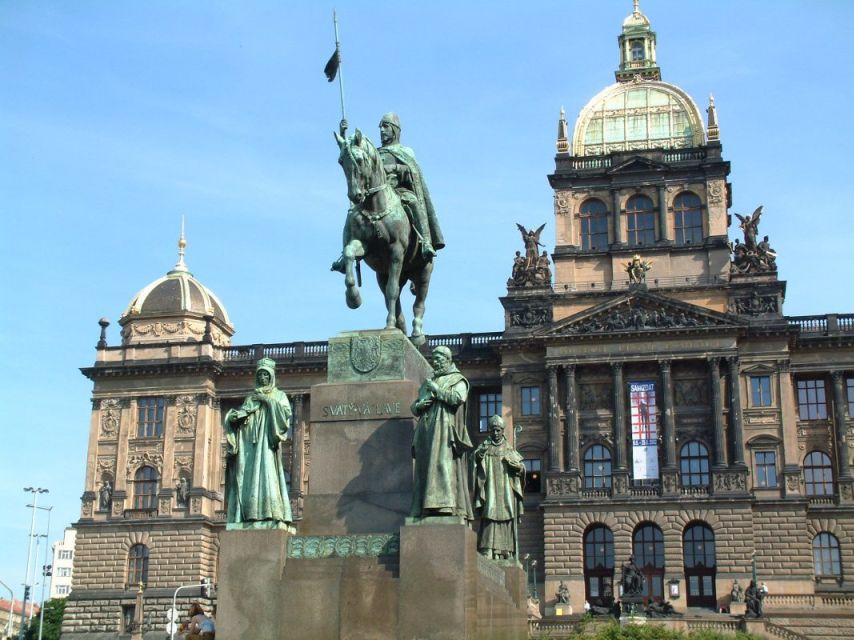
Prague can feel like a museum from the outside, but a guided day changes the way you read it. When you understand why buildings were placed where they were, and who held power in different eras, the city stops being random spires and starts becoming a map of cause and effect.
This tour is built for that “I get it now” moment. You spend the day with a live guide (Czech, English, or German), and the format is designed for questions. That matters because Prague’s landmarks are layered. You are looking at politics, religion, and national identity all at once, and a good guide helps you keep the threads straight.
I also like the practical feel of the plan. It is not a long bus-only excursion where you barely look out the window. It includes time on foot in the most meaningful zones, plus transport that feels normal—so you can picture yourself doing it again later without a plan turning into chaos.
The 6-hour plan that links Castle, bridge views, and old neighborhoods
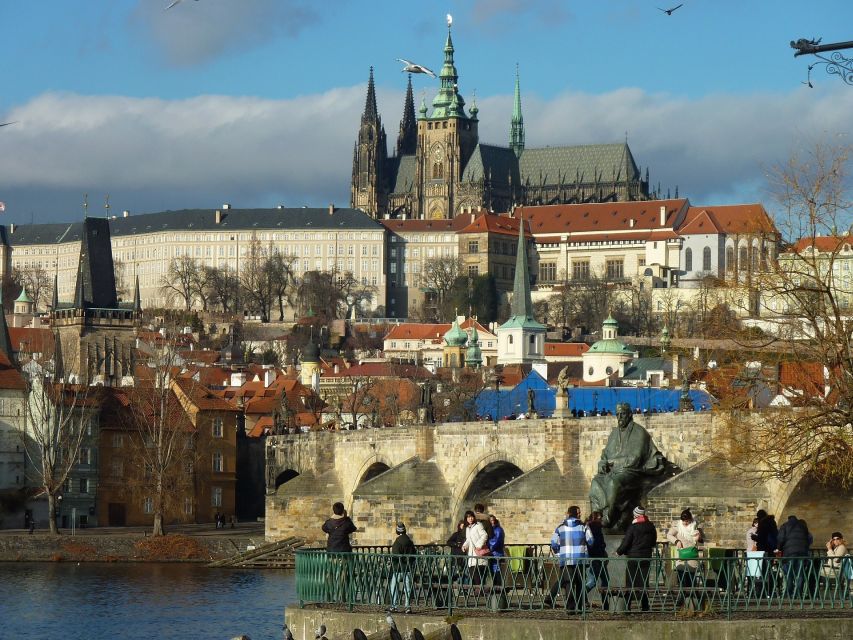
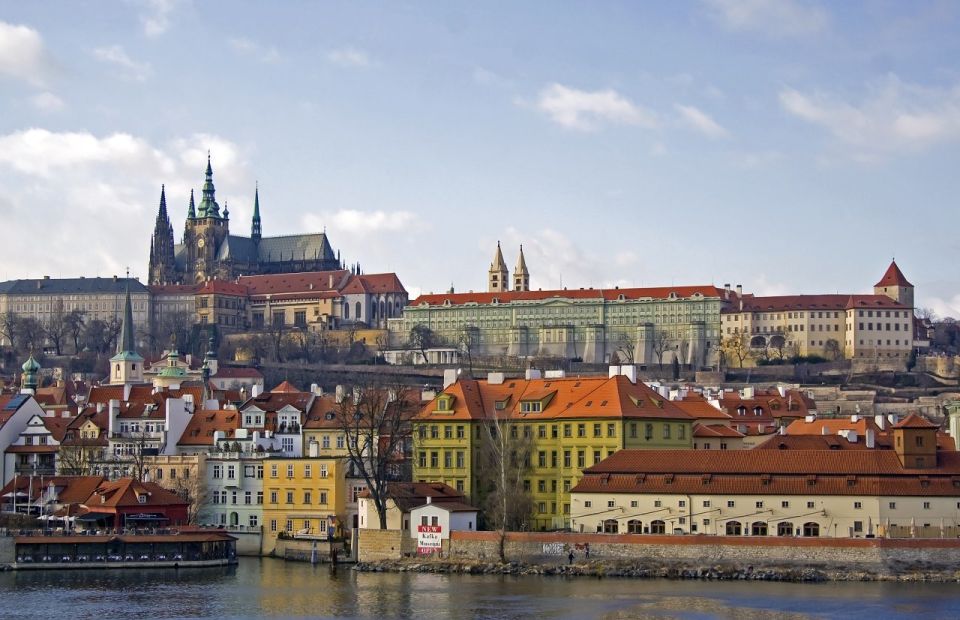
The order of the day is smart because it builds from big-picture authority to city-scale street life. You start with major ceremonial power (the Prague Castle complex), then shift toward pilgrimage and Baroque faith at Loreta. After that you get a calmer but still historic feel in the Strahov district and monastery area. The day ends by threading into the older urban quarters: Charles Bridge views from Kampa Island, then Old Town, the Jewish Quarter, and Lesser Town (Malá Strana).
A real consideration: you are moving through several different “Pragues” in one day. That is exactly why the route works. But it also means you should expect steady walking and some time spent moving between zones. If your priority is long sit-down breaks, you may find the pacing a bit tight—though lunch helps break it up.
On the upside, this structure gives you a coherent story. Instead of seeing famous spots in isolation, you see how each area reflects what was important at the time—whether it was ruling, worship, learning, or daily life.
Prague Castle complex: former power made readable
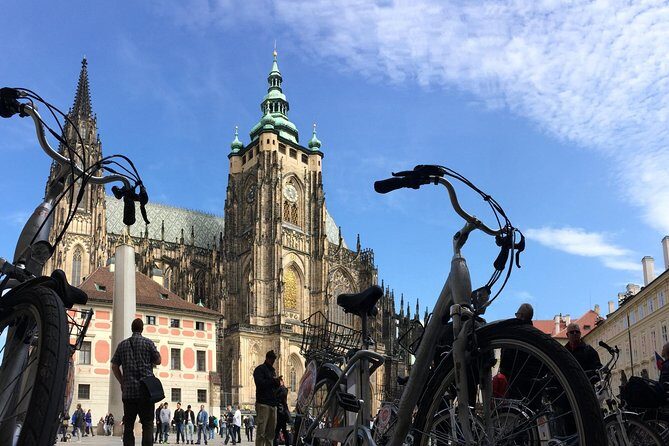
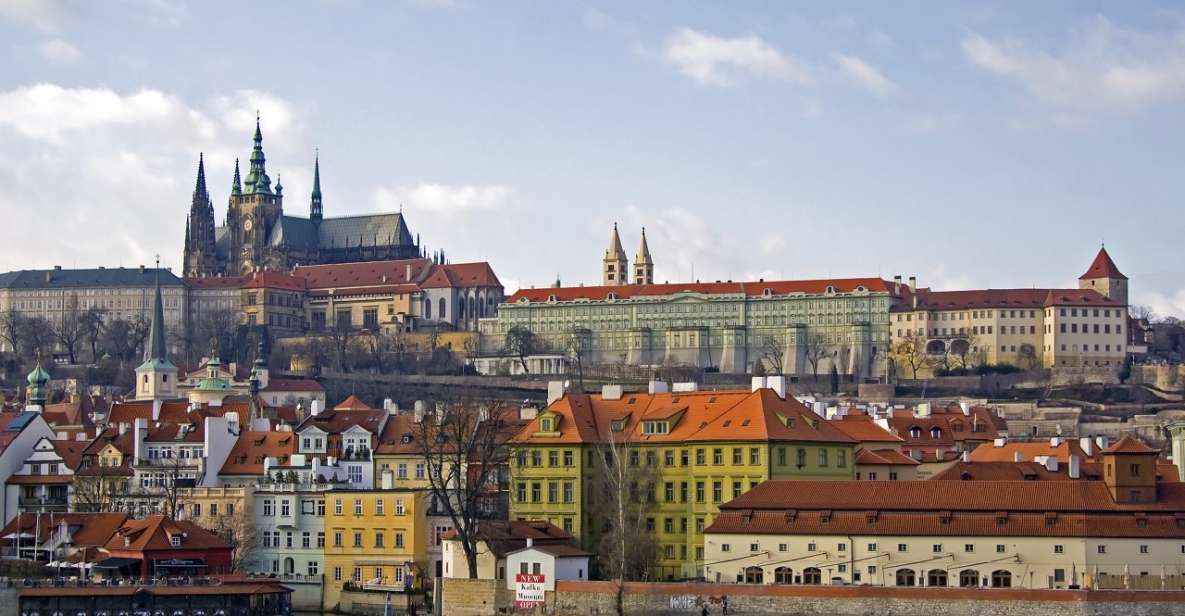
The Prague Castle complex is the kind of place where it is easy to feel overwhelmed. From the outside, it is impressive. With context, it becomes understandable.
Here, you are guided through what used to be the seat of power for the kings of Bohemia, Holy Roman emperors, and presidents of Czechoslovakia. That range is important. It tells you that Prague Castle was not just a palace for one era. It kept serving as a symbol and an administration center as the political story of the region changed.
Why this stop is valuable: you are seeing a physical reminder of who mattered, and when. The guide’s job is to connect the architecture and the setting to the people and institutions behind it. If you want to ask questions about how these roles evolved over time, this is one of the best moments to do it because the site naturally invites the big-picture thinking.
Possible drawback: you will likely cover a lot of ground inside the castle area. Wear shoes you trust, and if you like photography, plan to move steadily so you do not lose your place while you shoot.
Loreta and the Baroque Church of the Nativity
From grand power, the day shifts to religious meaning at Loreta, a Marian pilgrimage site. This is not just about admiring a church exterior. It is about understanding why pilgrimage mattered here and how faith shaped public life.
The specific highlight is the Baroque Church of the Nativity. Baroque architecture is meant to move you—emotionally and visually. With a guide, you can read those choices instead of just taking in the wow factor.
This stop works well if you like culture that is more than monuments. Loreta gives you a different kind of Prague: the sacred side, with the rituals and traditions that brought people here over time. If you have questions about the role of religion in Czech history, the guide can connect this site to the broader national story you started at the Castle.
Practical consideration: churches and pilgrimage sites often involve slower movement, waiting at viewpoints, and careful walking. If you prefer fast-and-frequent stops, just remember that this part of the day is about attention, not speed.
Strahov district and Strahov Monastery: calm history with a view
Next comes the Strahov district, including noble palaces and gardens, plus the impressive Strahov Monastery. This area gives you a breather from the busiest central streets without losing historical weight.
The gardens and palaces matter because they show how power and culture also lived in more personal, lived-in spaces. Then the monastery adds a different angle: learning, religion, and daily routines that shaped the community around it.
Why it’s a great change of pace: when your itinerary shifts from the castle and church sites into gardens and monastery grounds, your brain gets a reset. You start noticing details again—street angles, how buildings relate to the hill, and how the city is arranged around older centers.
What to watch for: if the weather turns slippery or cold, monastery and garden paths can be uneven. Comfortable shoes keep this stop enjoyable instead of stressful.
Charles Bridge from Kampa Island: a smarter way to see the icon
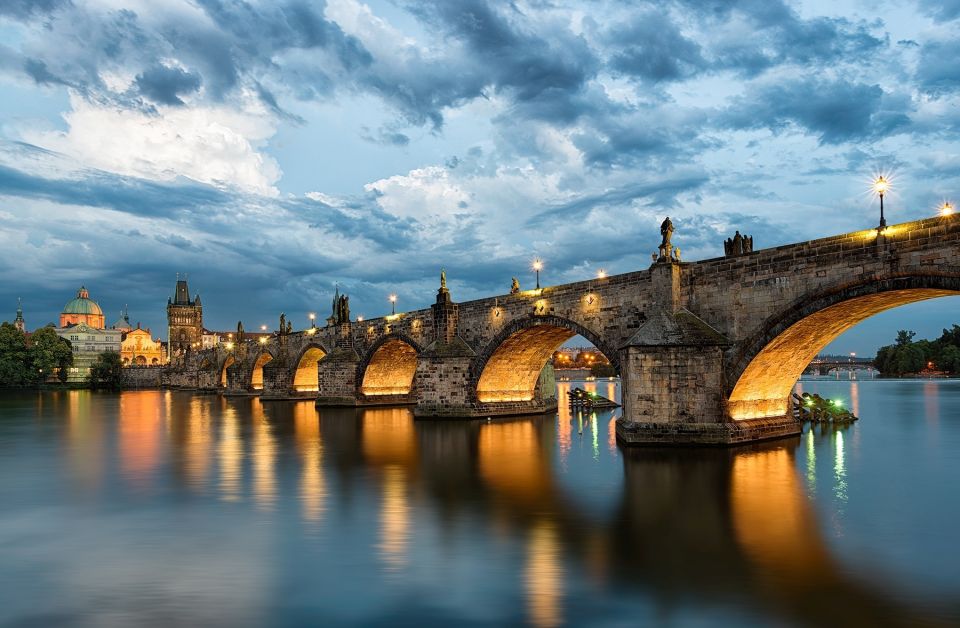
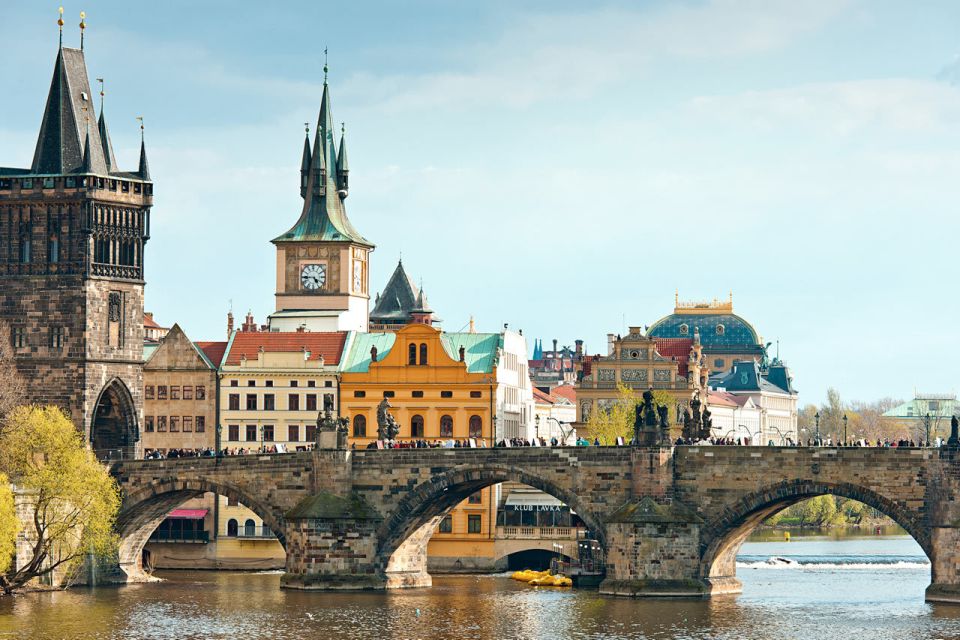
Charles Bridge is the postcard. But the best part of this tour is how you reach it—admiring the iconic bridge from Kampa Island first, then moving into the Old Town/Lesser Town flow.
Getting the bridge view from Kampa Island helps you understand the bridge as part of a larger river scene, not just a narrow walkway packed with people. You see how the river corridor shapes the city’s layout, and you get that “now I see why this matters” moment.
This segment also sets up your final stretch. Once you have the river and bridge context, the Old Town and Jewish Quarter make more sense because you understand what connects these neighborhoods—physically and historically.
Small drawback to consider: once you transition into the old quarters, expect more crowds and more foot traffic. The guide’s role here is important. With someone at your side, you spend less time figuring out where to go next and more time understanding what you are seeing.
Old Town, Jewish Quarter, and Malá Strana in one coherent sweep
The final part of the tour is where Prague feels like it has layers. You start in Staré Město (Old Town), then move through the Jewish Quarter, and finally into Malá Strana (Lesser Town).
Old Town gives you the core civic and street-life energy: squares, historic streets, and a sense of how the city functioned day to day. When you pair that with the Jewish Quarter, you get a more complete picture of community life and cultural presence in Prague over time. The goal is not just to walk through streets—it is to understand what those neighborhoods represented.
Then Lesser Town brings you back into a quieter, scenic mood. Malá Strana is often easier to enjoy after the intensity of the Old Town center because the streets and views tend to feel more intimate. By the time you arrive here, you are already reading Prague like a story instead of a checklist.
If you like asking questions, this is also a strong time. By now, you have enough context from earlier stops that your questions will become more specific: what changed, why it changed, and what stayed the same.
Price and value: where the $124 really goes
This tour runs about 6 hours and costs $124 per person. That price is not just about a guide standing next to you. You are paying for a planned route that covers multiple major areas, plus lunch in a local stylish tavern, plus the benefit of using public transport as part of the experience.
So the value question becomes: do you want structure and context, or do you want to self-tour? If your goal is a quick but meaningful orientation—Castle, Loreta, Strahov, the bridge area, and two key neighborhoods—this format can be a good use of time. If you prefer wandering without any storyline, then it may feel too planned. But if you want the “explain it to me” version of Prague, the guide plus lunch is exactly the kind of bundle that can save you effort.
One more note: this tour supports a private group option. In a private setting, the experience can feel more flexible. In fact, one private booking for three people highlighted that the guide took wishes for the day’s pacing into account, and the atmosphere stayed relaxed and fun.
Who should book this Prague sightseeing tour
I think this is a strong fit for you if:
- You want a guided overview that connects landmarks to history and culture
- You like asking questions instead of just taking photos
- You want lunch included in a real local place, not an afterthought
- You prefer a route that uses Prague public transport rather than only private transfers
It may be less ideal if:
- You have motion sickness concerns due to time spent on transportation during the day
- You need minimal walking or are very sensitive to pace
One important detail to double-check: the information says the tour is wheelchair accessible, but it also says it is not suitable for people with mobility impairments. If you fall into either category, it is worth contacting the operator so you get a clear, specific answer for your needs.
Should you book this Prague tour with lunch?
If you want to understand Prague quickly without turning your day into a map-reading exercise, I would book it. The route connects the big monuments you came for with the neighborhoods that make the city feel like a living place. Add an expert guide with English (and Czech/German options), plus a sit-down lunch in a local tavern, and you get a day that feels both educational and human.
If your style is slow travel with lots of independent time, you might choose a shorter or more open-ended option. But for most people—especially first-timers—this 6-hour plan is a practical way to get grounded fast and still leave room to explore afterward with clearer context.
FAQ
How long is the Prague sightseeing tour with lunch?
It lasts 6 hours.
What is the meeting point for the tour?
Meet your guide in front of the Czech National Bank (Česká Národní Banka), Na Příkopě 28, 115 03 Prague 1. The guide will be holding a paper with SPECTRUM TOURS written on it.
Is lunch included, and what type of place is it?
Lunch is included, served in a local stylish tavern.
How much does the tour cost?
The price is $124 per person.
What major places does the tour visit?
You’ll visit the Prague Castle complex, Loreta (including the Baroque Church of the Nativity), the Strahov district and Strahov Monastery, and you’ll also see Charles Bridge from Kampa Island, plus Old Town (Staré Město), the Jewish Quarter, and Lesser Town (Malá Strana).
What languages are available for the guide?
The tour offers live guides in Czech, English, and German.
Is hotel pickup offered?
Hotel pickup is optional (private option available).
Is there a private group option?
Yes, private group availability is offered.
What should I bring?
Bring a passport or ID card and wear comfortable shoes.
Is there anything I’m not allowed to bring or do?
You should not bring luggage or large bags, and the tour is not suitable for people with motion sickness.