REVIEW · CZECHIA
From Prague: Tour of Terezin Concentration Camp
Book on GetYourGuide →Operated by Premiant City Tour s.r.o. · Bookable on GetYourGuide
A day trip that hits hard, on purpose. This route through Large Fortress and the rest of the Terezin sites gives you a clear, guided picture of WWII and the Holocaust, including a Czech film with English subtitles about what happened there. Two things I really like: the flow between key locations, and the way the day is led by a live guide who can work in multiple languages so the story lands.
One thing to plan for: it’s heavy. The Small Fortress prison visit and the cemetery/crematorium stop are not casual sightseeing, and the crematorium is closed on Saturdays.
Key things to know before you go
- A full guided circuit in one day: Large Fortress museum stops, the cemetery area, then across to the Small Fortress prison.
- Propaganda context is part of the story: you’ll hear how the camp was exploited for Nazi PR during a Red Cross visit in 1944.
- Real prison details, not just labels: the Small Fortress tour includes the cell connected to Archduke Franz Ferdinand’s assassin and the role of Gestapo firing squads.
- The Jewish Ghetto Museum gets its own focus: you’ll see the exhibits that force you to think about children, families, and daily life under persecution.
- Czech-language film breaks up the tour: History of Terezin is shown in Czech with English subtitles.
- Value beyond the camp: your ticket includes Kingdom of Railways in Prague, usable anytime after the tour.
In This Review
- Why This Terezin Trip Works as a Day Trip From Prague
- Getting There: Meeting Point, Coach Ride, and What to Expect Timing-Wise
- Large Fortress: The Museum in an Old School and the Nazi Propaganda Layer
- Where the Large Fortress stop can feel like a lot
- The Jewish Ghetto Museum and National Jewish Cemetery: When the Story Moves From Rooms to Names
- Small Fortress Prison: Gestapo Cells, Execution Details, and a Very Different Reality
- A note on pacing and sensitivity
- The Czech Film Break: How History of Terezin Adds Structure
- The Tour Guide Factor: Multilingual Delivery That Actually Matters
- Value and Inclusions: What Your $66 Actually Buys
- Food note that matters more than you think
- Who This Trip Fits Best (and Who Might Want Another Plan)
- Should You Book This Terezin Day Trip?
- FAQ
- How long is the From Prague: Tour of Terezin Concentration Camp?
- Where do I meet the bus?
- What’s included in the price?
- Is food or drinks included?
- What languages does the live guide speak?
- Is the crematorium always open?
Why This Terezin Trip Works as a Day Trip From Prague
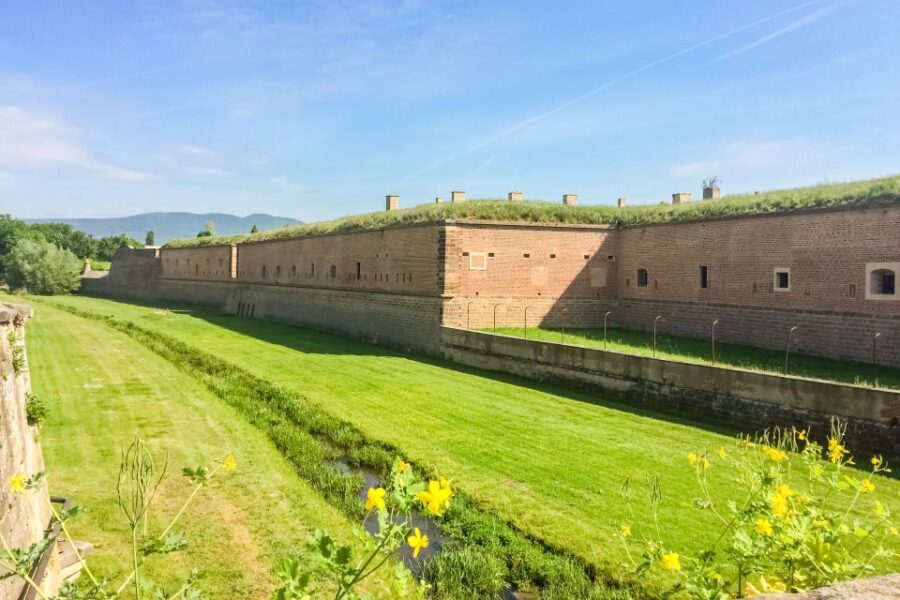
Terezin is one of those places where timing matters. You don’t want to piece things together on your own while your head is spinning with what you’re seeing. This tour keeps the day tight: about 5 hours total, including travel and guided time, so you get structure and someone to explain what you’re walking past.
You also get more than one layer of the camp’s purpose. The day doesn’t only show suffering. It frames how the Nazis used Terezin—first as a holding place for Jews from across Europe, then as a stage-managed place for propaganda. That added context helps you connect the dots instead of treating each exhibit like a separate tragedy.
Finally, the format is practical. An air-conditioned bus handles the round trip from Prague, and the local guide leads you through the camp sites rather than sending you off with printed directions.
Getting There: Meeting Point, Coach Ride, and What to Expect Timing-Wise
You meet at Na Příkopě 23. From there, the day is built around two bus rides—about 1 hour out and about 1 hour back—with the guided camp portion taking up about 3 hours.
That schedule is a big deal for two reasons:
- You’ll likely arrive with enough energy to take in the museum before the day weighs on you.
- You won’t lose half the day to transportation logistics.
Also, the tour uses a live guide and is offered in Italian, German, English, and Spanish, with the possibility that the tour can be bilingual. If you care about understanding every stop, this matters. A tour like this lives or dies on clarity, especially when the subject is emotionally intense.
You can also read our reviews of more tours and experiences in Czechia.

Large Fortress: The Museum in an Old School and the Nazi Propaganda Layer
The first major stop is the Large Fortress, where the museum is located in a building that used to serve as an all-boys school. That detail changes how the space feels. It’s easier to grasp the cruelty when you’re walking through a place that was repurposed so thoroughly.
From inside the Large Fortress museum, you’ll work through the story of Terezin as a holding camp. Expect the tour to emphasize not just who was imprisoned there, but how the Nazis tried to control what outsiders saw. You’ll hear about the Red Cross visit in 1944 and how the camp was exploited for propaganda. Even if you’ve read about this before, the guided explanation helps you see the pattern: deception designed to hide reality.
A particularly important element is that the day includes the Jewish Ghetto Museum. This isn’t treated like a side stop. It’s positioned as a key piece of the larger picture, including displays that confront how families were affected and how children were treated.
Where the Large Fortress stop can feel like a lot
There’s no way to make this kind of museum emotionally light. You’re dealing with wartime planning, persecution, and mass suffering. The good news is that the tour keeps you moving through a logical sequence. Still, you may wish you had more quiet time in the exhibits—this is one of the most common “if only…” points that comes up with shorter guided formats.
The Jewish Ghetto Museum and National Jewish Cemetery: When the Story Moves From Rooms to Names
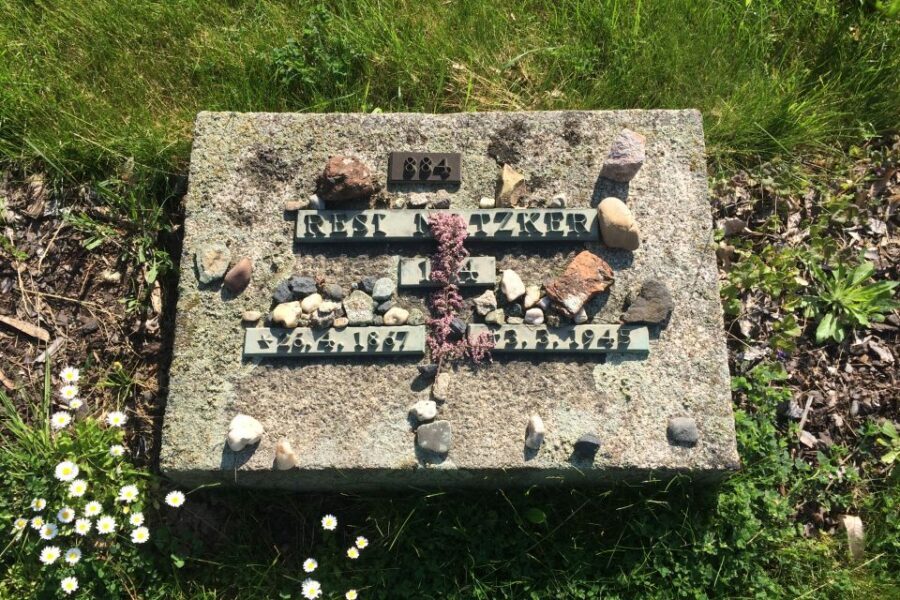
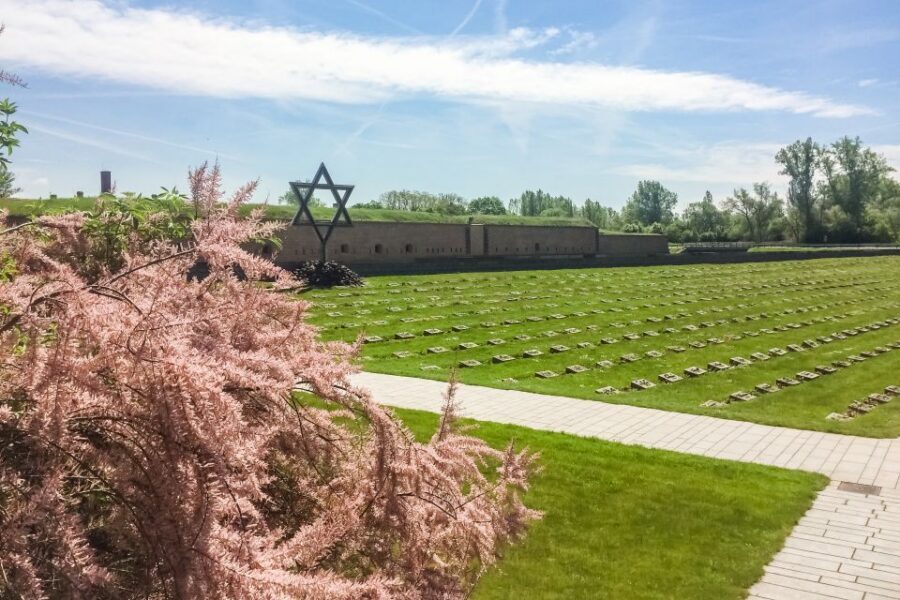
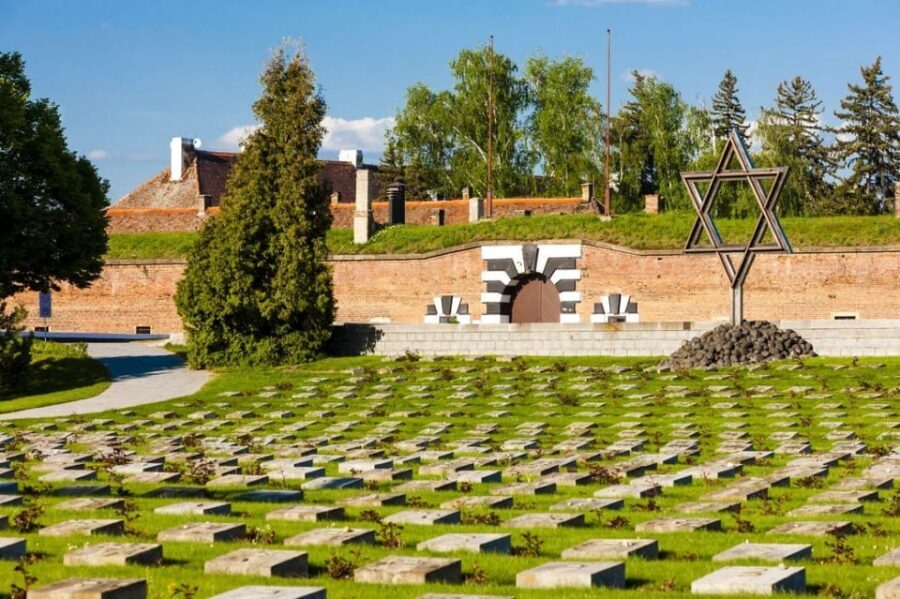
After the museum time in the Large Fortress, the itinerary shifts toward remembrance. You’ll visit the National Jewish Cemetery and reach the cemetery/crematorium area as part of the guided route.
This is where the tour’s emotional tone typically changes. In the museum, you’re seeing curated explanations and evidence. At the cemetery, you’re dealing with absence—people whose lives were cut short, families torn apart, names that linger in history.
It’s also worth knowing a practical detail that affects what you’ll see: the crematorium is closed on Saturdays. If your trip lands on a Saturday, don’t assume you’ll be able to view every part of the crematorium area. This closure is specifically called out, so it’s better to plan mentally for an alternate stop rhythm rather than expecting the same exact layout every day.
Small Fortress Prison: Gestapo Cells, Execution Details, and a Very Different Reality
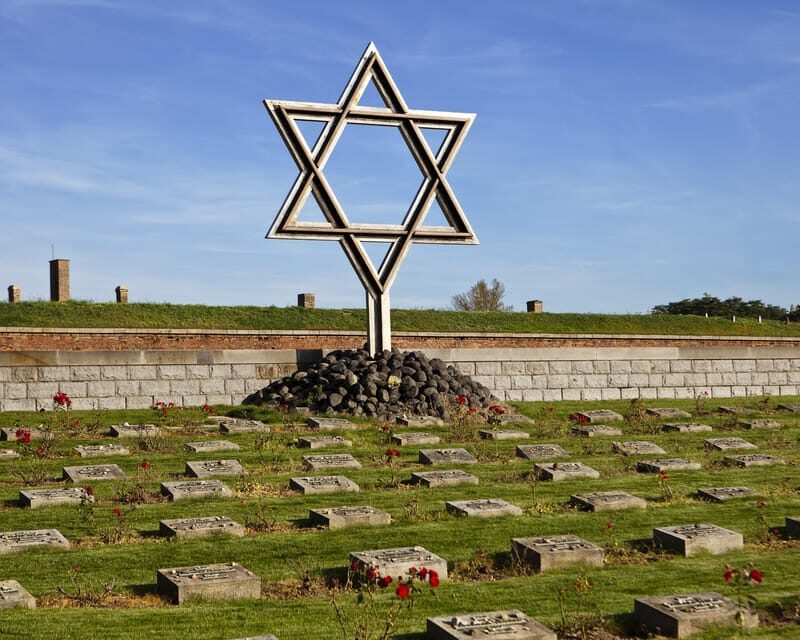
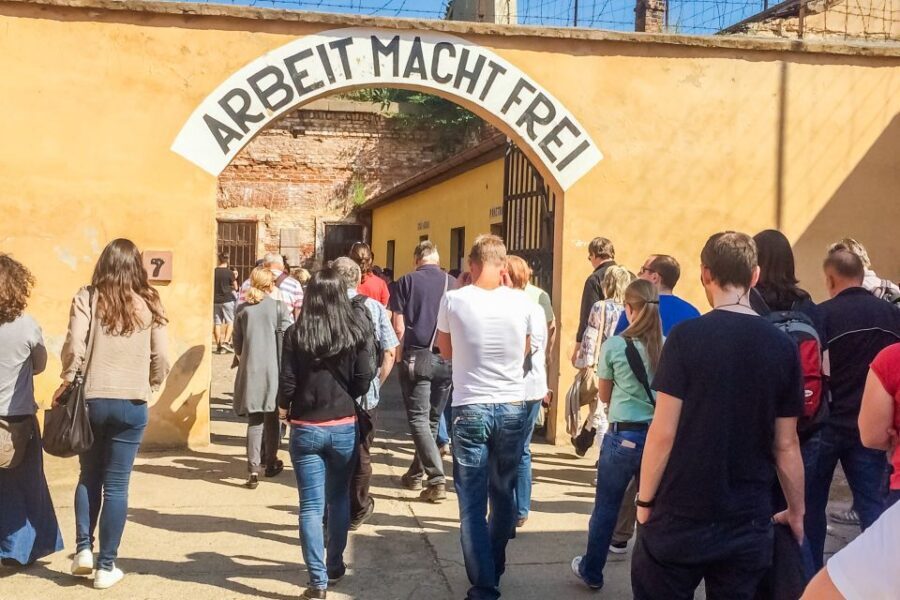
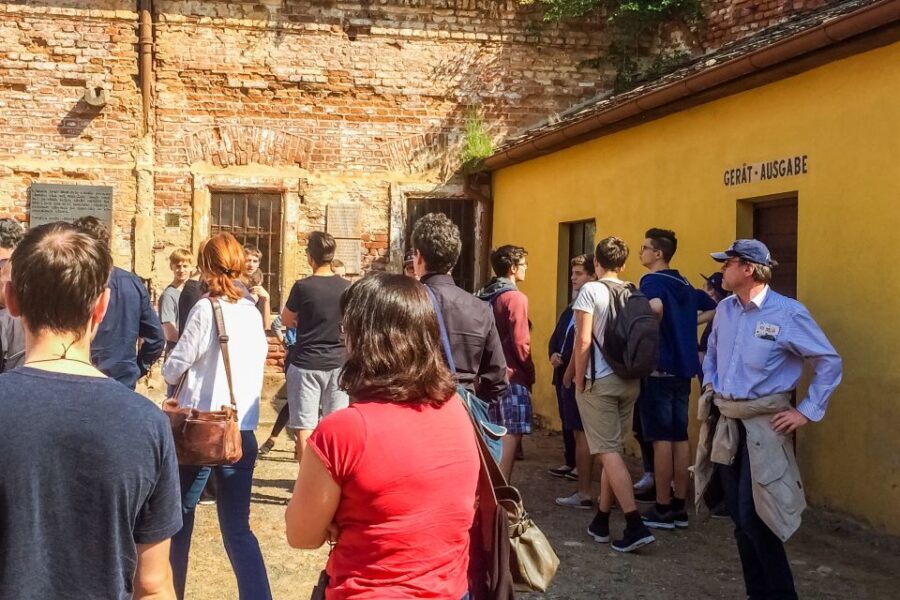
Next comes the more direct prison experience: the Small Fortress. You cross the river to reach it, and the tone shifts again. This is where the “camp” idea stops sounding abstract.
The Small Fortress tour focuses on horrifying conditions and includes specific, heavy details tied to how the Gestapo used the site. You’ll hear about the prison’s cells, including the cell connected to the assassin of Archduke Franz Ferdinand, as well as firing squads organized by the Gestapo.
This stop is the one that often feels hardest to process because it’s built around imprisonment mechanisms rather than broader camp administration. Seeing the layout and being guided through the meaning behind the spaces makes the brutality feel immediate.
A note on pacing and sensitivity
The best guides keep the tour respectful and human. Based on what tends to work well on this route, you’ll want someone who can explain without turning the sites into a checklist. Many groups get guides who manage to balance history with compassion—handling questions, keeping the group together, and maintaining a steady rhythm.
If you’re the type who likes to ask questions, this tour format is often a good match, because the guide-led structure leaves room to clarify what you don’t understand.
The Czech Film Break: How History of Terezin Adds Structure
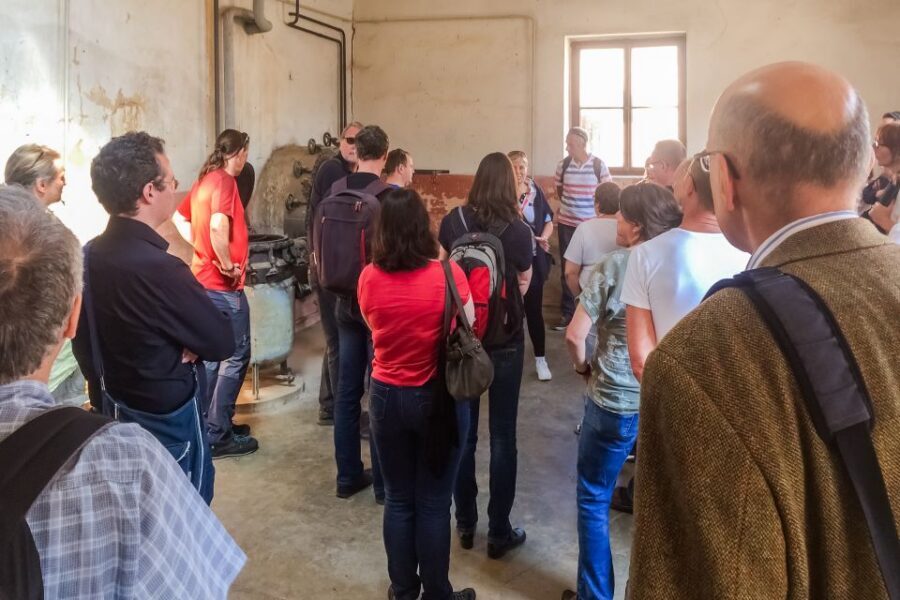
Between the museum spaces and the prison spaces, you’ll watch History of Terezin, shown in Czech with English subtitles.
This film can work like a timeline you didn’t know you needed. Museum labels and guided explanations are essential, but film adds pacing—showing you how the story was shaped, and how the Nazis tried to frame Terezin for outsiders.
It’s also helpful because it keeps everyone aligned. Instead of half the group trying to connect details in their heads, you’re seeing a shared narrative beat, then moving back into the physical spaces with a clearer map of what you just learned.
The Tour Guide Factor: Multilingual Delivery That Actually Matters
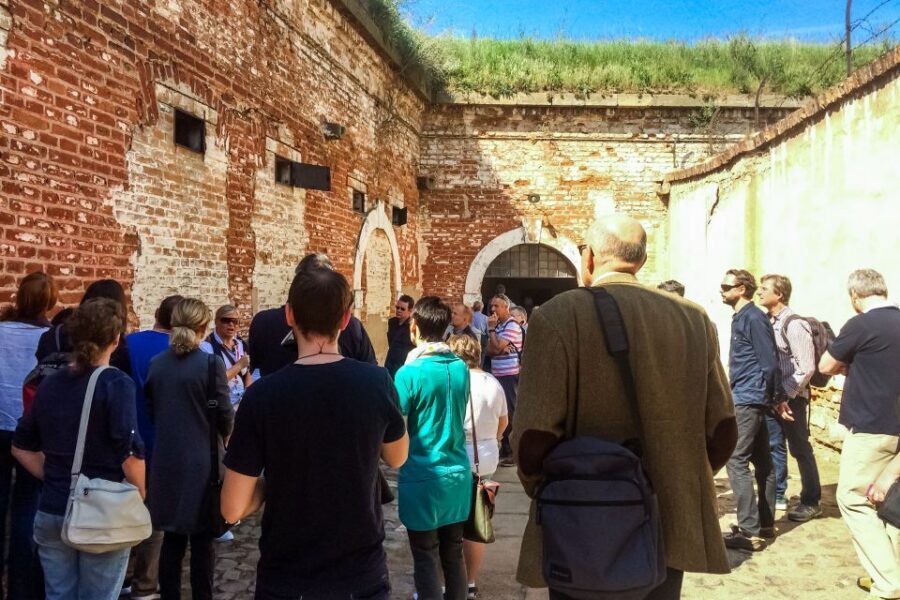
On a subject this serious, the guide quality isn’t a luxury—it’s the difference between understanding and confusion. A consistent highlight of this tour is the way guides handle languages and tone.
You may hear tours delivered in a bilingual setup, commonly pairing English with Spanish, and also supporting Italian, German, and other language options. What impressed me most in how this tour is described is not just that multiple languages exist—it’s that guides keep the story coherent while switching.
Guide names that show up repeatedly in successful group experiences include Sofia, Stefan/Stephan, Jacob, Remy, Romika/Romica, and Alex. People describe their approach as careful, organized, and respectful, with a strong ability to keep everyone on track. Some even mention humor used in an appropriate, light-touch way to reduce tension, while still respecting the gravity of what you’re learning.
Practical takeaway for you: if your language pairing is a key priority, choose the option that matches your comfort level. You’ll get more out of the day if the explanations land fully rather than partially.
Value and Inclusions: What Your $66 Actually Buys
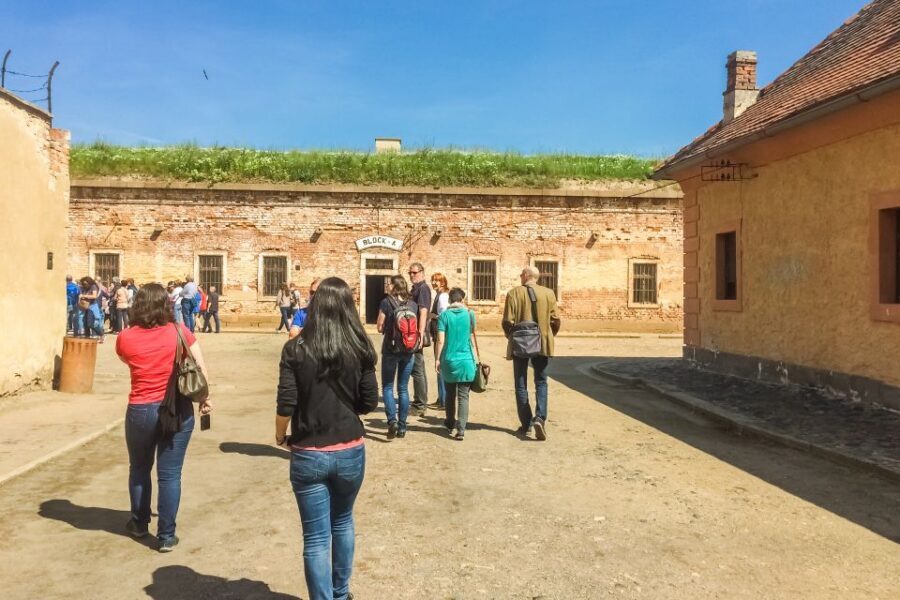
At about $66 per person for a 5-hour day trip, this tour can feel like a bargain if you compare it to piecing together transport plus admissions plus a guided explanation.
Here’s what’s included:
- Entry to the Large Fortress
- Entry to the museum
- Entry to the Small Fortress, the prison
- Tour with a live guide
- A ticket to Kingdom of Railways in Prague, usable anytime after the tour
And what’s not included:
- Food and drinks
That inclusion list is what makes the price make sense. You’re paying for access and interpretation. Without a guide, you can still read and learn, but the camp’s structure and its propaganda context can be harder to connect in a short visit.
Food note that matters more than you think
Because food isn’t included, plan for a pause before or after you go. A heavy day plus limited breaks can make hunger sneak up fast. Even a simple snack and water before departure can help you focus on what’s in front of you instead of on your stomach.
Who This Trip Fits Best (and Who Might Want Another Plan)
This is a strong fit if:
- You want a guided one-day introduction to Terezin’s role during WWII and the Holocaust.
- You prefer a structured route that covers both the Large Fortress and the Small Fortress prison.
- You care about language support, since the tour is available in multiple languages and can be bilingual.
It’s also a good fit for people who want the day to end with something lighter back in Prague. That included ticket to Kingdom of Railways gives you a way to shift gears after such a solemn experience.
It may be less ideal if:
- You need a lot of free time to linger in museums. Some visitors end up wanting more time at certain exhibits because the day is tightly scheduled.
- You’re visiting on a Saturday, when you should expect the crematorium closure to change what’s possible to view.
Should You Book This Terezin Day Trip?
If you’re in Prague and you have even a small interest in understanding WWII and the Holocaust beyond general facts, I’d book it. The biggest reason is the way the tour links sites: museum context in the Large Fortress, remembrance in the cemetery area, and the prison reality in the Small Fortress—all without forcing you to solve logistics.
Also, the guide component is consistently strong in how this tour is described: careful, organized, and capable of handling bilingual communication. In a place like this, that matters.
One final check from me: plan the rest of your day around quiet time. This isn’t the kind of outing you pair with a late-night “see everything” sprint.
FAQ
How long is the From Prague: Tour of Terezin Concentration Camp?
The tour lasts about 5 hours total, including bus travel and guided time at the camp sites.
Where do I meet the bus?
The meeting point is Na Příkopě 23 in Prague.
What’s included in the price?
Entry tickets include the Large Fortress (including the museum), the Small Fortress prison, plus a live guided tour. You also get a ticket to the Kingdom of Railways in Prague that can be used any time after the tour.
Is food or drinks included?
No. Food and drinks are not included.
What languages does the live guide speak?
The live guide can operate in Italian, German, English, and Spanish, and the tour can be bilingual.
Is the crematorium always open?
No. The crematorium is closed on Saturdays.